
Loading...
Loading...
Critical Reception
October 19, 2026 at 05:41 PM
Updated critic aggregates, user scores and store ratings to figures measured October 19, 2026
The Blood of Dawnwalker released on September 3, 2026 to broadly favourable reviews. The review embargo lifted on August 31, three days ahead of release, so a substantial body of criticism was already public before the game reached players. The critic and player figures on this page were last measured on October 19, 2026, and each one carries the date it was taken, because all of them are still moving.
Reception is described here in aggregate. Individual outlet scores are not listed, because a spread of numbers from a handful of named publications tends to misrepresent a distribution rather than summarise it.
Measure | Result |
|---|---|
Critic aggregate | 83 out of 100 from 78 critic reviews, inside the generally favourable band, measured October 19, 2026 (83 from 65 reviews on September 10, 2026). |
Critic distribution | Of those 78 reviews, 91 percent positive, 9 percent mixed and none negative (89, 11 and 0 percent of 65 reviews on September 10). |
Aggregate user score | 8.3 out of 10 from 1,551 ratings, split 81 percent positive, 10 percent mixed and 9 percent negative, measured October 19, 2026 (8.3 from 690 ratings on September 10). |
Second critic aggregator | A top critic average of 83 out of 100, with 92 percent of critics recommending the game, across 173 critic reviews, measured October 19, 2026 (85 across 111 reviews on September 10). |
Storefront user reviews | Very Positive, with 26,776 of 30,572 reviews recorded as positive, or 87.6 percent, on October 19, 2026 (26,227 of 29,948, also 87.6 percent, on October 13; 22,183 of 25,502, or 87.0 percent, on September 23; and 15,043 of 17,664, or 85.2 percent, on September 10). |
Console store player rating | About 4.56 out of 5 from 13,672 ratings on the PlayStation Store, with 79 percent leaving five stars, measured October 19, 2026 (4.55 from 13,261 ratings on October 13, 4.55 from 10,769 on September 23, and about 4.56 from roughly 4,700 on September 7, when 82 percent left five stars). The Xbox store listing averaged 4.4 out of 5 from 1,029 ratings on September 23, 2026. |
The three days between the two measurements show how fast these numbers still move. The critic pool grew from 62 reviews to 65 and the aggregate held at 83, while the player sample grew much faster: storefront reviews went from 12,344 to 17,664 and the aggregate user score rose from 8.1 to 8.3. Treat any figure here as correct for the date beside it and nothing more.
By October 19, 2026 both critic pools had kept growing, from 65 to 78 reviews on one aggregator and from 111 to 173 on the other. The first held at 83, while the second's top critic average eased from 85 to 83, so the two now agree.
Per-platform critic averages are deliberately not listed. The platform cuts published alongside the headline score overlap rather than divide it, since one of them counts more reviews than the headline total, so breaking them out by console would misstate the distribution rather than clarify it.
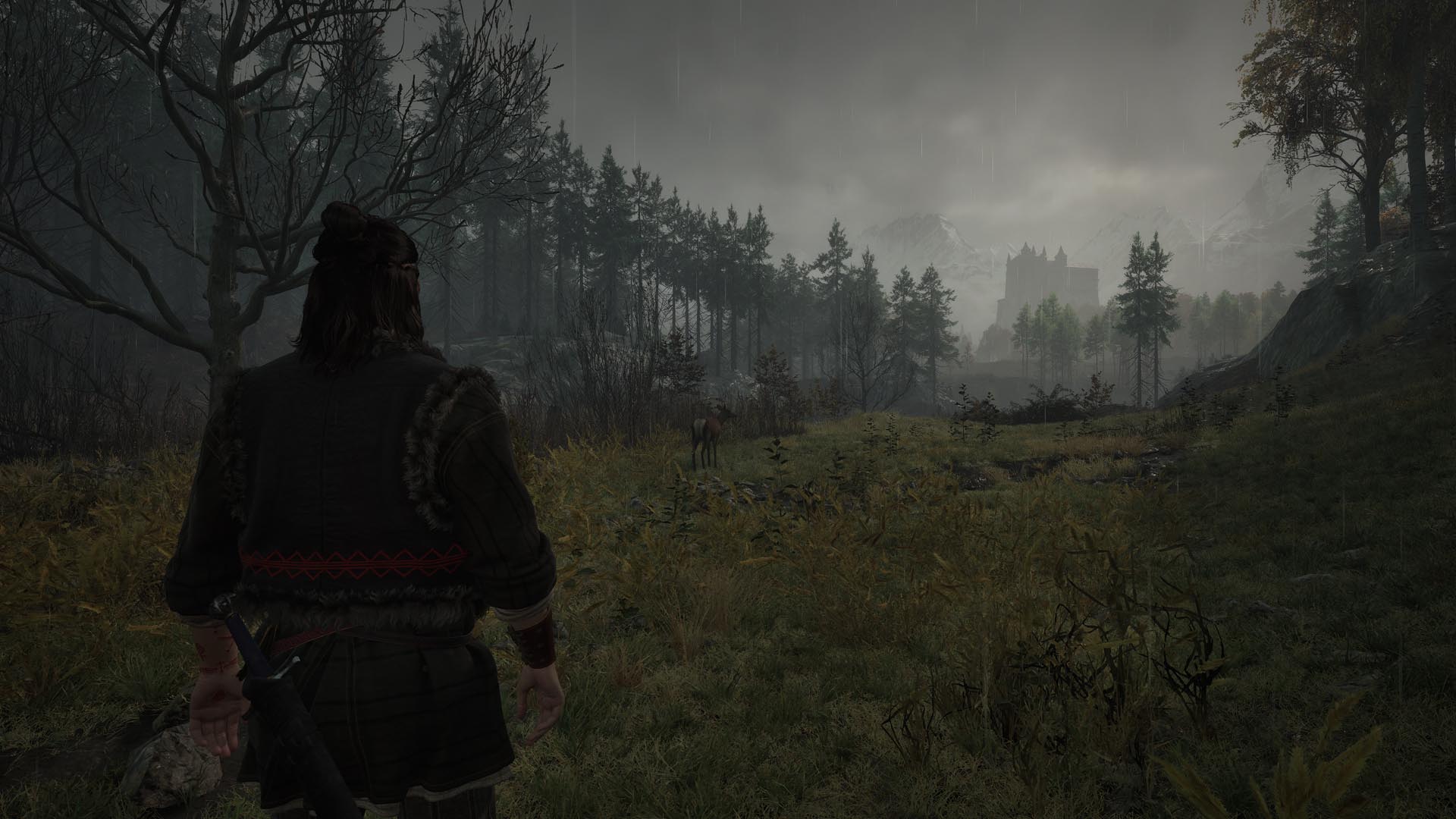
The time-limited structure. The thirty day deadline and the way it forces trade-offs was the single most consistently praised element. See 30-Day Cycle.
Quest writing and the weight of choices, including the way refusing to act is treated as an action in itself. See Narrative Sandbox.
The split between the daytime and nighttime toolkits, which reviewers read as two connected games rather than one game with a night filter. See Skill Trees.
The tone and texture of the valley, its architecture, its plague-era misery and the ordinariness of the people living under vampire rule.
Enemy variety. Movesets were widely described as repetitive over a long campaign, with combat thinning out rather than deepening as the hours accumulate. See Combat.
Console performance and visual polish at launch, on builds that in several cases predated the day-one patch.
The time pressure easing off once the story reaches its point of no return, which several reviewers felt undercut the tension the rest of the game had built. See Time as a Resource.
Reported completion times spread unusually wide, which is a direct consequence of a design that lets the player skip most of its content. Reviewers described the following range.
Route | Approximate time |
|---|---|
Direct route through the story | About 18 hours. |
A fuller run with substantial side content | 35 hours and up. |
Near-exhaustive play | 80 hours and up. |
Reported typical completion | Between 30 and 40 hours for most players, with 40 hours covering the major questlines and some side activity. |
Studio figure quoted around launch | Around 50 hours on average. |
Developer estimate before release | 50 to 70 hours. |
Two much shorter endings also exist and were noted in coverage: the prologue fight against Brencis can be won, which ends the game roughly three hours in, and Coen can simply leave the valley once the starting area opens up.
The published figures do not agree with each other, and the spread is wider than measurement noise. Read them as three separate framings rather than three attempts at one number: a typical-player range, a studio average, and a pre-release estimate made before the final build existed. Because the thirty day structure lets a player skip most of the content or chase all of it, run length is partly a choice the player makes rather than a fixed property of the game.
Player sentiment on the storefronts ran ahead of the critic aggregate through the first week. Within days of release, community modifications that remove or rework the time pressure had appeared, which is worth reading as a signal about how divisive the central mechanic is rather than as an official feature. Those modifications are community made and are not supported by the studio.
See Update History for the fixes that followed release, and Rebel Wolves for the studio behind the game.