Loading...
Loading...
Alchemy Materials
April 4, 2026 at 09:26 AM
Add wikilinks to table cells (1 new links)
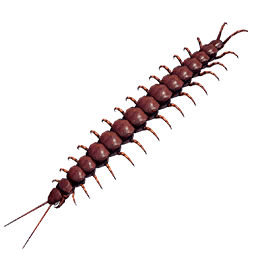
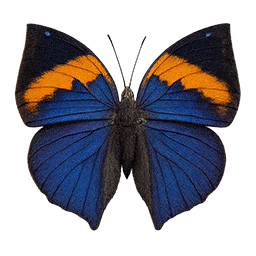
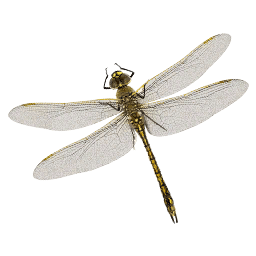
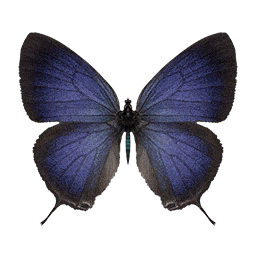
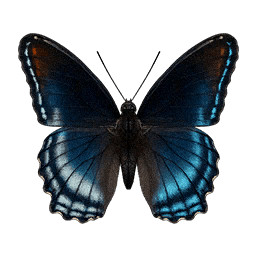
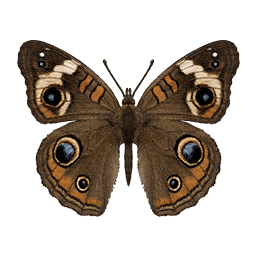
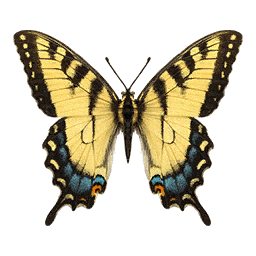
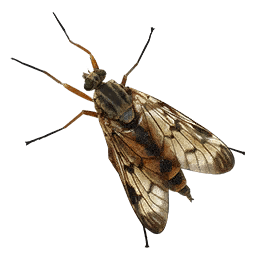
Alchemy Materials are Crafting Materials used in the Alchemy system in Crimson Desert. This category encompasses the insects and small creatures that players can catch throughout the open world, as well as various herbs and fungi that serve as reagents. These materials are combined at alchemy stations to produce elixirs, potions, and dyes.
The insect and creature collection in Crimson Desert includes 15 distinct species ranging from butterflies and beetles to snails and centipedes. Each species has its own habitat preferences and is found in specific environments. Herbs used in alchemy (such as mushrooms, lavender, and ginseng) are covered in detail on the Mushrooms and Herbs page, so this article focuses primarily on the insect and creature materials.
The following insects and small creatures can be caught by approaching them in the wild and interacting with them. They are classified as Gatherables and can be found across different biomes depending on the species.
Icon | Name | Habitat | Alchemy Use |
|---|---|---|---|
| Dark, damp environments. Found under rocks, in caves, and near rotting logs. | Poison-based elixirs and venomous coatings. | |
| Deciduous forests and autumn-colored woodlands. | Camouflage and stealth elixirs. Orange dyes. | |
| Near ponds, lakes, rivers, and other freshwater bodies. | Speed and agility elixirs. | |
| Open meadows and flowering fields during daytime. | Purification elixirs. White dyes. | |
| Sunny forest clearings and hillside meadows. | Vitality and health restoration elixirs. Orange-brown dyes. | |
| Open grasslands and fields with low vegetation. | Perception and awareness elixirs. Brown dyes. | |
| Gardens, flowering bushes, and woodland edges. | Stamina recovery elixirs. Yellow dyes. | |
- | Tropical and warm climate areas. Coastal regions with flowering plants. | Fire resistance elixirs. Bright orange dyes. | |
| Near fruit trees, orchards, and overripe produce. Common in farming areas. | Fermentation catalysts for advanced elixirs. | |
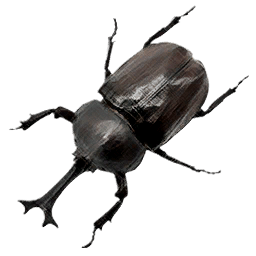
| Forests with large trees. Found on tree trunks and logs, especially at night. | Strength and fortification elixirs. Dark dyes. | |
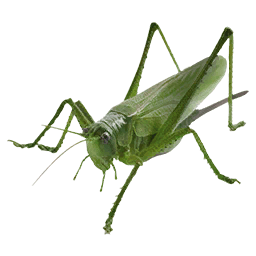
| Tall grass fields, meadows, and agricultural areas. | Jump and mobility elixirs. Green dyes. | |
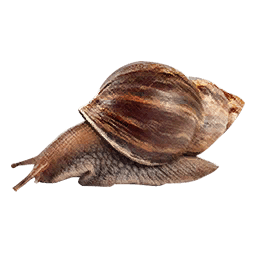
| Damp areas near rivers, under bushes, and in gardens after rain. | Defense and shell-hardening elixirs. Slimy coating agents. | |
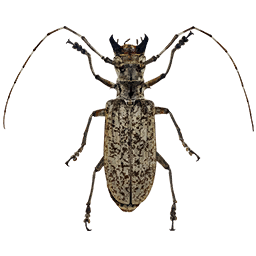
| Dead trees, lumber yards, and old wooden structures. | Durability and resilience elixirs. Brown dyes. | |
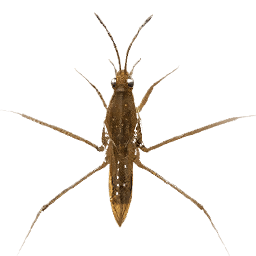
| Calm water surfaces of ponds, lakes, and slow-moving streams. | Water breathing and swimming elixirs. Light blue dyes. | |
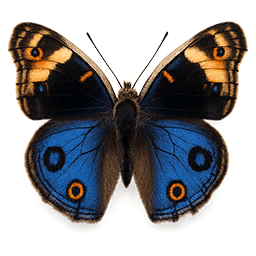
| Rare. Found in lush, biodiverse areas and near ancient ruins. | Rare elixirs with enhanced magical properties. Blue dyes. |
In addition to insects and creatures, Alchemy recipes also require plant-based reagents. Herbs, mushrooms, and flowers are gathered from the wild and serve as the other half of most alchemy formulas. Key herb categories include:
Mushrooms: Coral Mushroom, Oakwood Mushroom, and Pine Mushroom are common fungal ingredients found in forests. See the Mushrooms and Herbs page for full details.
Medicinal Herbs: Ginseng, Wild Ginseng, Bear's Gallbladder, False Hellebore, and Satintail Root are used in health and recovery alchemy recipes.
Aromatic Herbs: Lavender, Blue Lavender, White Lavender, Snapdragon, Marigold, and False Starwort are used in buff elixirs and dye crafting.
Insects and creatures are found throughout the open world, but each species favors particular environments. Butterflies are most active during daytime in sunny areas, while beetles and centipedes tend to appear in darker locations like forests and caves. Water-dwelling species (Dragonfly, Water Strider) are limited to areas near freshwater bodies.
The best general-purpose hunting grounds for alchemy insects include the meadows and fields surrounding Hernand, where multiple butterfly species can be found in close proximity. Forested regions are ideal for beetles and centipedes. Lakeshores and riverbanks yield Dragonflies and Water Striders.
Some insects are more active during specific times of day. Rhinoceros Beetles and Longhorn Beetles are more commonly found at night, while most butterflies appear during the daytime hours.
Alchemy materials are used at alchemy stations to create two main product types:
Elixirs and Potions: Consumable items that grant temporary buffs such as increased strength, speed, stamina recovery, elemental resistance, and other combat advantages. Each elixir recipe requires a combination of one or more insects/creatures plus herb reagents and an Empty Bottle as a container.
Dyes: Coloring agents used in the Dye System to customize the appearance of equipment and gear. Different insects produce different color pigments. Butterflies are the primary source of vibrant dyes, with each species corresponding to a distinct color.
Insects are easy to miss while riding on horseback. Travel on foot through meadows and forests when farming alchemy materials for the best results.
The Southern Blue Peacock Butterfly is one of the rarest catches in the game. It tends to spawn near ancient ruins and in areas with high biodiversity, so check these locations carefully.
Carry Empty Bottles with you at all times so you can brew elixirs at field alchemy stations without needing to return to town.
Combining insect materials with aromatic herbs like Lavender and Marigold tends to produce the most effective buff elixirs, while combining them with mushrooms produces healing-oriented potions.