

Overview
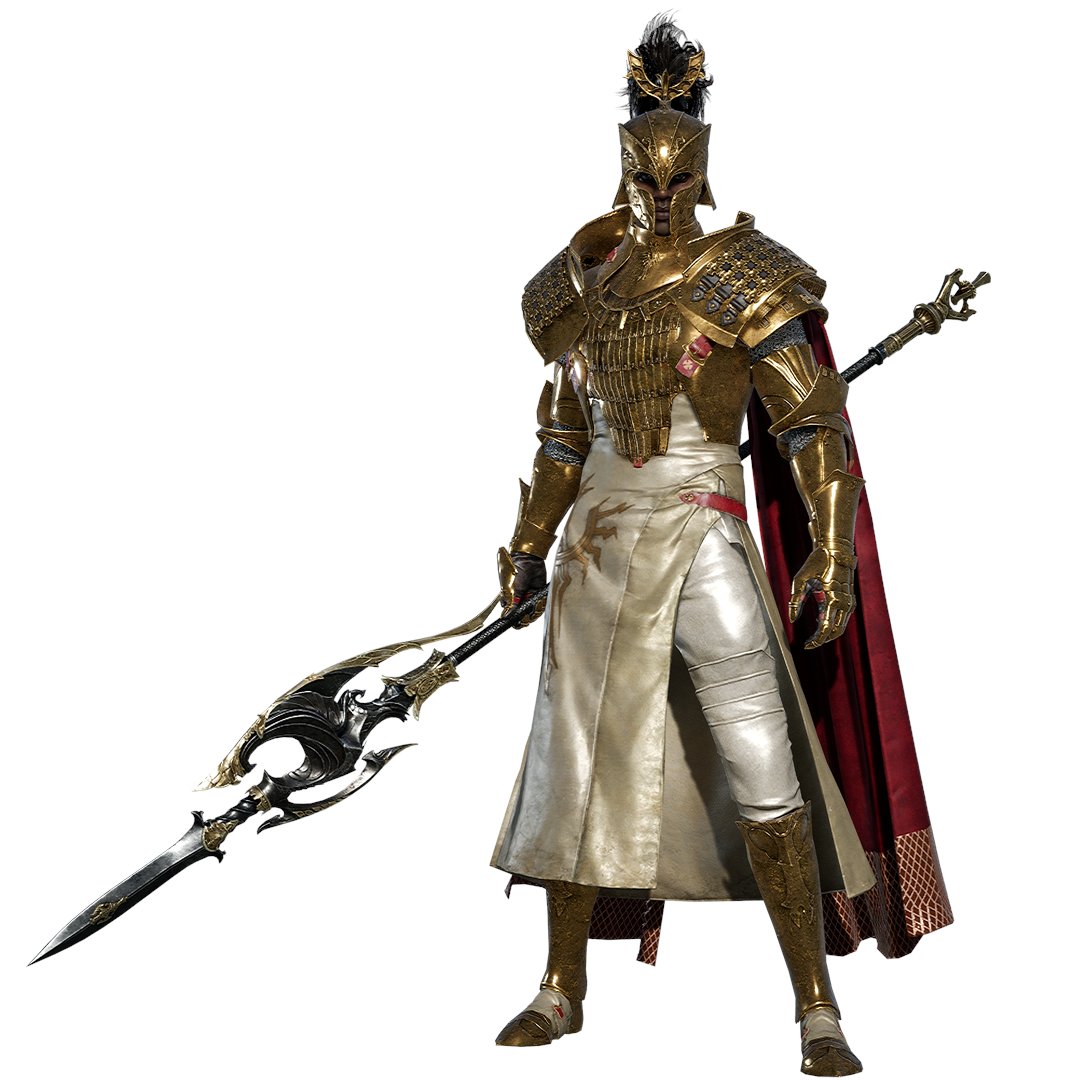
Chrono Odyssey's gear and progression system spans 12 equipment slots, a guaranteed enhancement system, perk extraction and transfer mechanics, affix embedding, and a horizontal endgame philosophy. Gear can be acquired equally through crafting or drop farming: the developers have explicitly stated that neither acquisition method is superior. The system is designed to avoid the pay-to-win pitfalls common in Korean MMORPGs, with a cash shop limited exclusively to cosmetics.
Gear does not progress in isolation. Weapon attributes and the stats carried on equipment feed directly into the Matrix System, the node-based progression layer that lets each weapon evolve down one of four paths, so gearing choices and Matrix path choices shape a build together.
Equipment Slots
Each character has 12 gear slots that contribute to the average Equipment Score:
Slot Type | Details |
|---|---|
2 Weapon Slots | Primary and secondary weapons. Each class has access to three weapon types but equips only two simultaneously. Secondary weapon stats still apply passively even when the weapon is sheathed, encouraging players to invest in both slots. Real-time weapon swapping during combat allows fluid transitions between fighting styles. See Weapons. |
6 Armor Slots | Head, Chest, Hands, Legs, Feet, and Back. Armor provides the bulk of defensive stats and often carries class-specific perks. See Armor. |
3 Accessory Slots | Waist, Neck, and Finger. Accessories tend to provide utility stats, critical bonuses, and build-defining secondary effects. |
1 Chronotector Slot | The Chronotector time-manipulation device, which occupies its own dedicated equipment slot. |
Equipment Score
Equipment Score (also called Gear Score) functions similarly to item levels in other MMOs. Each piece of equipped gear contributes to the player's average score, which determines eligibility for content tiers and influences combat effectiveness against enemies. Key gear score milestones include:
Score Range | Requirements |
|---|---|
500-580 | Required for Mythic and standard Raid content. Represents fully enhanced equipment across all 12 slots. |
580+ | Required for higher-tier Raids and endgame challenge modes. Reaching this threshold typically involves optimizing perk transfers, affix rolls, and material substitution. |
Enhancement System

Item enhancement in Chrono Odyssey has a 100% success rate no breakage, no downgrade, no item destruction, just steady progression. This is a deliberate and notable departure from typical Korean MMOs where enhancement carries the risk of losing an item entirely. The developers have framed this as a core design principle: progression should feel rewarding and predictable, not punishing.
Enhancement NPC Richter performs all equipment enhancements. Players bring their gear to Richter along with the required materials and gold. Each enhancement level progressively increases the item's stats, attributes, and Equipment Score contribution. Enhancement costs escalate with each level. Both the material requirements and gold costs increase, creating natural progression gating without the frustration of random failure.
Enhancement can unlock stat boosts, special passive effects, or set bonuses depending on the gear type and rarity. While the enhancement itself always succeeds, the materials required become increasingly rare at higher levels, and the gold costs grow substantially. This means the progression gate is economic rather than probabilistic. Players who invest time and resources will always make forward progress.
Perk Transfer
Perk Transfer NPCs allow moving a perk from one item to another of the same type (e.g., gloves to gloves, sword to sword, ring to ring). This system enables players to find a desirable perk on an otherwise inferior item and transfer it to their main equipment piece, preserving the perk investment.
Perk transfers require gold and Ember Shards a special currency obtained from elite enemies throughout Setera. The Ember Shard cost ensures perk transfers are meaningful investments rather than trivial swaps, while the gold cost scales with the power level of the perk being transferred. The developers have stated that perks will not require "obscenely low probabilities" to obtain. A deliberate move away from the RNG-heavy systems in many competing MMORPGs.
Affix Embedding
Separate from perks, gear can also carry affixes secondary stat modifiers that further customize an item's performance. Affixes can be embedded from other items using gold and Ember Breath, a resource obtained from Dungeon content. This creates a distinct material economy: Ember Shards (from elite open-world enemies) fuel perk transfers, while Ember Breath (from dungeon runs) fuels affix embedding.
Some gear rolls random affixes when it drops, with the specific affixes determined at drop time. Other items allow manual rerolling of affixes through specific materials and gold investment. The combination of fixed perks and rollable affixes creates meaningful build diversity within each class. Affix optimization becomes a late-game priority, especially for PvP builds, Raid min-maxing, and Eden preparation.
Rarity Tiers
Gear follows five color-coded rarity tiers: Common, Uncommon, Rare, Epic, and Legendary. Higher rarity items have more perk slots, higher base stats, greater enhancement potential, and more affix slots. Legendary items represent the apex of each equipment category and may carry unique effects unavailable at lower tiers.
Open-World Unique Gear
Following the post-CBT development overhaul, the developers announced the addition of open-world unique gear items that drop exclusively from Field Bosses and carry additional passive effects not found on standard crafted or dungeon-dropped equipment. Field bosses drop unique, boss-specific gear that provides lateral power options within the horizontal endgame framework. This creates a compelling reason for endgame players to engage with open-world boss content even after reaching high gear scores through other means.
Monster Equipment
A post-beta addition lets players obtain gear that mirrors the appearance and characteristics of the monsters found across Setera. You might wear a helmet crafted from the remains of the Void or wield weapons looted from notorious bounty targets, and defeating a world boss can yield gear made in its likeness. The pieces are built around effects that match each creature's concept rather than being a pure cosmetic layer, and they drop whole from the monster rather than as parts to be crafted. Armour sets can be worn by any class; monster weapons stay locked to the classes that use them. Acquisition runs through world boss hunts, quests and exploration, and the wardrobe lets a player keep the stats of stronger gear while showing the monster look on top. Chrono Studio has framed the system as a way to deepen immersion in the lore rather than a pure stat upgrade.
Horizontal Endgame
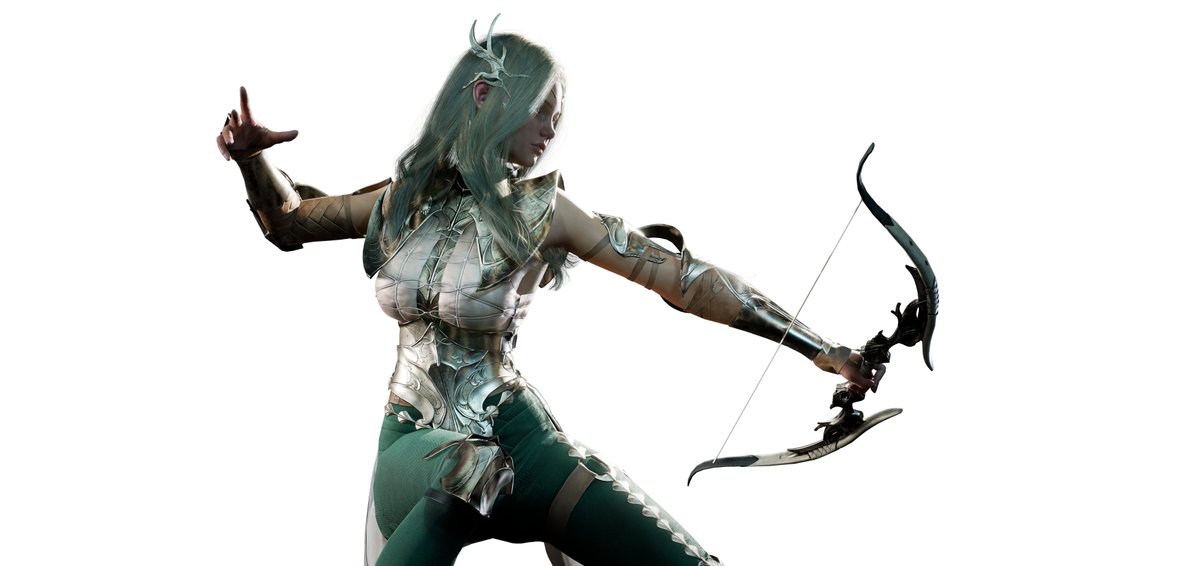
Chrono Odyssey's endgame gear progression follows a horizontal model. Rather than constantly raising the power ceiling with each content update (forcing players to replace all existing gear) the system emphasizes lateral improvements: different stat distributions, perk combinations, affix configurations, and build specializations. This means gear acquired from current Raids remains relevant when new content is added, rewarding long-term investment rather than punishing it. Neither crafting nor drop farming is superior, both paths converge at the same power level, supporting diverse playstyles.
Gear Acquisition Summary
Source | Description |
|---|---|
Crafting | Create gear at Dawn Slope workbenches using gathered and refined materials plus gold. |
Dungeon Drops | Gear drops from Dungeon bosses and chests, with random affix rolls. |
Raid Drops | Highest-tier instanced gear from Raid encounters on weekly lockouts. |
Field Boss Drops | Unique gear with exclusive passive effects from World Bosses and Field Bosses. |
Trial Tokens | Permanent stat items purchased with tokens from Trials (solo gauntlet content). |
Void Matter Crafting | High-level gear crafted using Void Matter from Void Nexus encounters. |