

The Shazhou Uprising is the historical event that Blood Message dramatizes. In 848 AD, in the late Tang period, Han Chinese residents of Sha Prefecture rose against the Tibetan garrison occupying their city and threw the foreign rulers out. The revolt is the inciting incident of the game's story; news of the rising is what the Messenger carries across the desert toward Chang'an. The uprising itself is not a fictional invention. It happened. The game uses it as the spark that puts an ordinary father on the road.
Quick Facts
Field | Detail | |||
|---|---|---|---|---|
Year | 848 AD | |||
Place | Shazhou (Sha Prefecture), in the western reaches of the Hexi Corridor | |||
Modern equivalent | Dunhuang area, Gansu Province | |||
Leader | Zhang Yichao (799-872), a Han native of Sha Prefecture | |||
Target | The occupying Tibetan Empire garrison | |||
Outcome | Tibetan forces expelled from Shazhou; eleven prefectures eventually retaken | |||
Aftermath | Restoration of | authority over the Hexi Corridor | ||
Role in Blood Message | Inciting incident; | is dispatched after the revolt to inform |
Background
The uprising did not happen out of nowhere. It came at the end of a long occupation. The Tibetan Empire had pushed into the Hexi Corridor in the late eighth century and seized Sha Prefecture in 781 AD, taking advantage of the chaos that followed the An Lushan Rebellion in the Tang Empire. For roughly six decades after that, the western prefectures lived under foreign rule, cut off from the imperial court at Chang'an. Han communities in the corridor preserved their language, customs, and identification with the Tang court across generations under occupation.
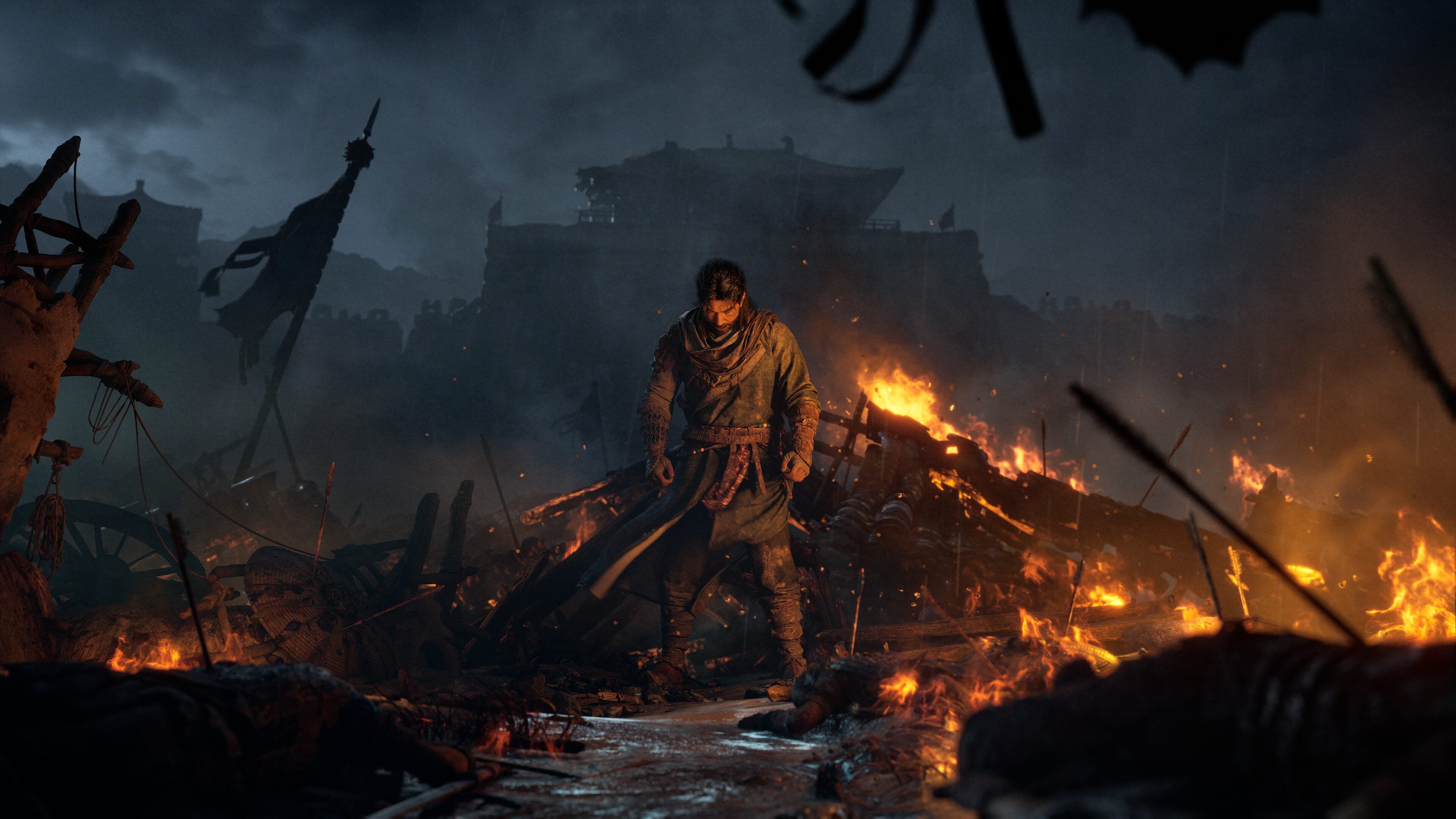
The opening came from the occupier's side, not the occupied. In 842 AD the Tibetan emperor was assassinated, and the empire that had loomed over the corridor for half a century collapsed into civil war. Central authority disintegrated, succession disputes split the court, and the garrisons holding distant frontier prefectures lost the political backing that had kept them in place. To the Han communities in Shazhou and the surrounding territories, that disintegration looked like a window. Within six years it would be pried open.
The 848 Revolt
The figure who pried it open was Zhang Yichao. Born in 799, a Han native of Sha Prefecture, he had grown up under Tibetan administration but never accepted it. He organized the rebellion locally, gathering supporters from among his neighbors, kinsmen, and the broader Han population of the prefecture. The available record presents him as the rising's principal organizer rather than the figurehead of a wider faction.
The revolt itself turned on a fierce battle inside the prefecture. Zhang Yichao's forces fought the Tibetan garrison that held the city, and after hard fighting they expelled it. Shazhou was back in Han hands for the first time in roughly sixty-seven years. The exact tactics, the size of the contending forces, and the casualty figures of that opening battle are not preserved in the kind of detail later eras would record. What is fixed is the year, the result, and the man who organized it.
Expansion to Eleven Prefectures
Taking Shazhou was the start, not the conclusion. With the prefecture secure, Zhang Yichao moved his forces outward through the corridor, pushing the collapse of Tibetan control to its edges. Over the years that followed, his army retook eleven prefectures across the Hexi region, restoring a long ribbon of territory to a Han chain of command.
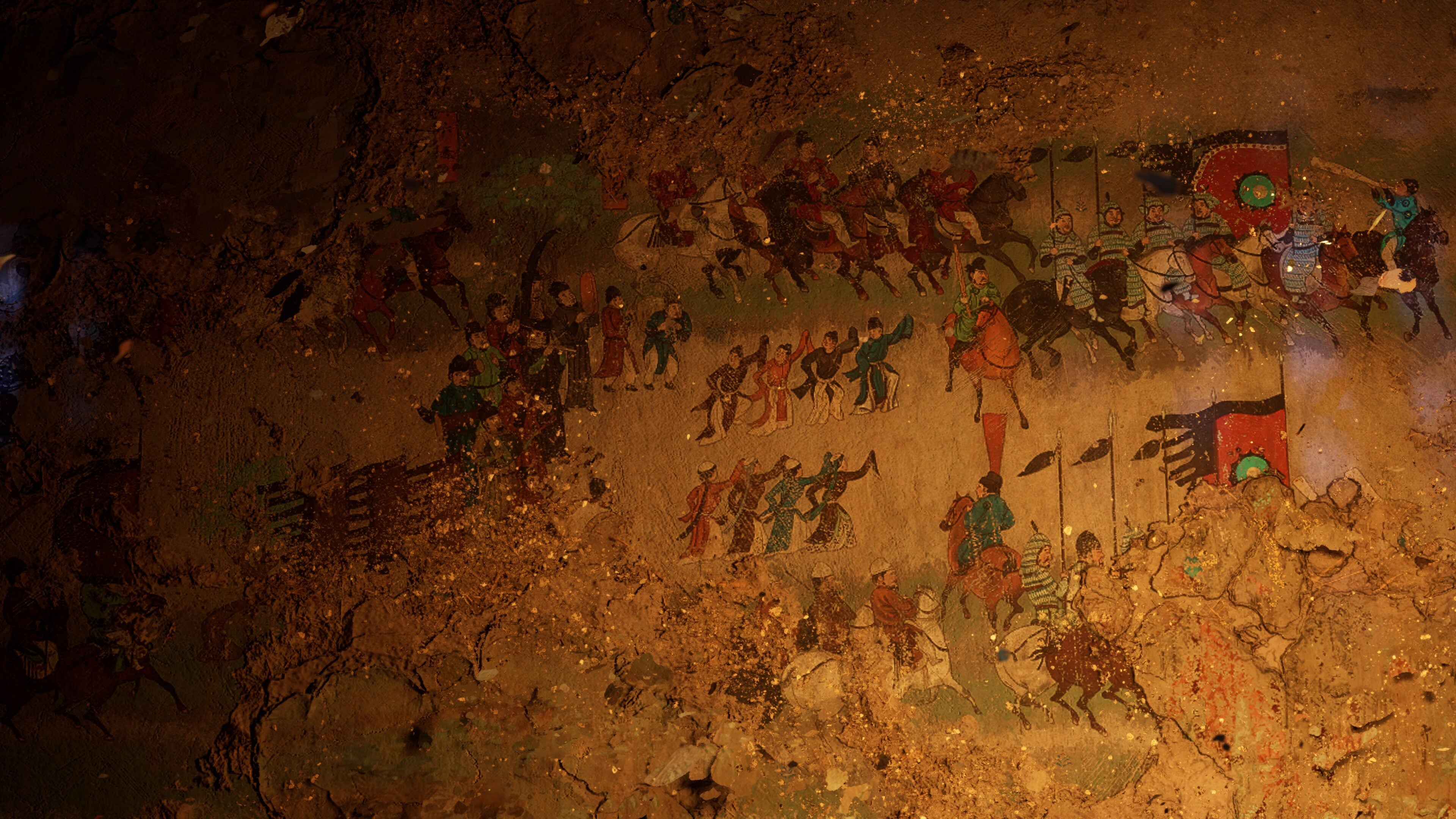
The Tang court, once it received word, formally recognized the new arrangement. The reclaimed territory was chartered as the Guiyi Circuit, a name that translates roughly as the Return to Righteousness Army, with Sha Prefecture as its capital. The charter put Zhang Yichao at the head of an officially sanctioned imperial circuit, no longer a rebel commander but a recognized arm of the Tang Empire. Tang authority over the Hexi Corridor, lost in the late eighth century, was restored after roughly six decades of separation.
Long-Term History
The state that grew out of the uprising outlasted its founder by a long margin. The Guiyi Circuit endured for centuries, holding its territory and its identity through the dynastic turbulence that overtook the rest of China after the Tang's own collapse in the early tenth century. It was eventually absorbed by the Tangut Western Xia, the steppe-edge state that pushed into Gansu in the eleventh century. The line of authority Zhang Yichao opened in 848 ran much further than a single generation.
How Blood Message Uses This
The 848 revolt is the inciting incident the game is built on. The campaign begins with the uprising already in motion in Shazhou, and the playable opening shown at Summer Game Fest 2026 is set inside Shazhou City itself, with the messenger escaping pursuit through his home city as the rising unfolds around him. Word of what has happened has to reach the imperial court, and the man entrusted with carrying that word is the Messenger. He is not a general, not a court official, not a soldier in any army's chain of command; he is an ordinary father caught in the moment, picked because the message lands in his hands. He is also not the only courier sent out: by the studio's own account of the setup, the leader of the uprising dispatched ten small parties, each leaving separately and striking east, south, and north, on the reasoning that the road was lethal enough that only some could be expected to arrive. Even the nearest Tang-held border lay no less than two thousand li away. His son travels with him. The journey covers roughly three thousand li, around a thousand miles, eastward through the Hexi Corridor toward Chang'an. Every encounter on that road sits inside the wider fact of a region in revolt and a foreign garrison structure breaking apart around the player.
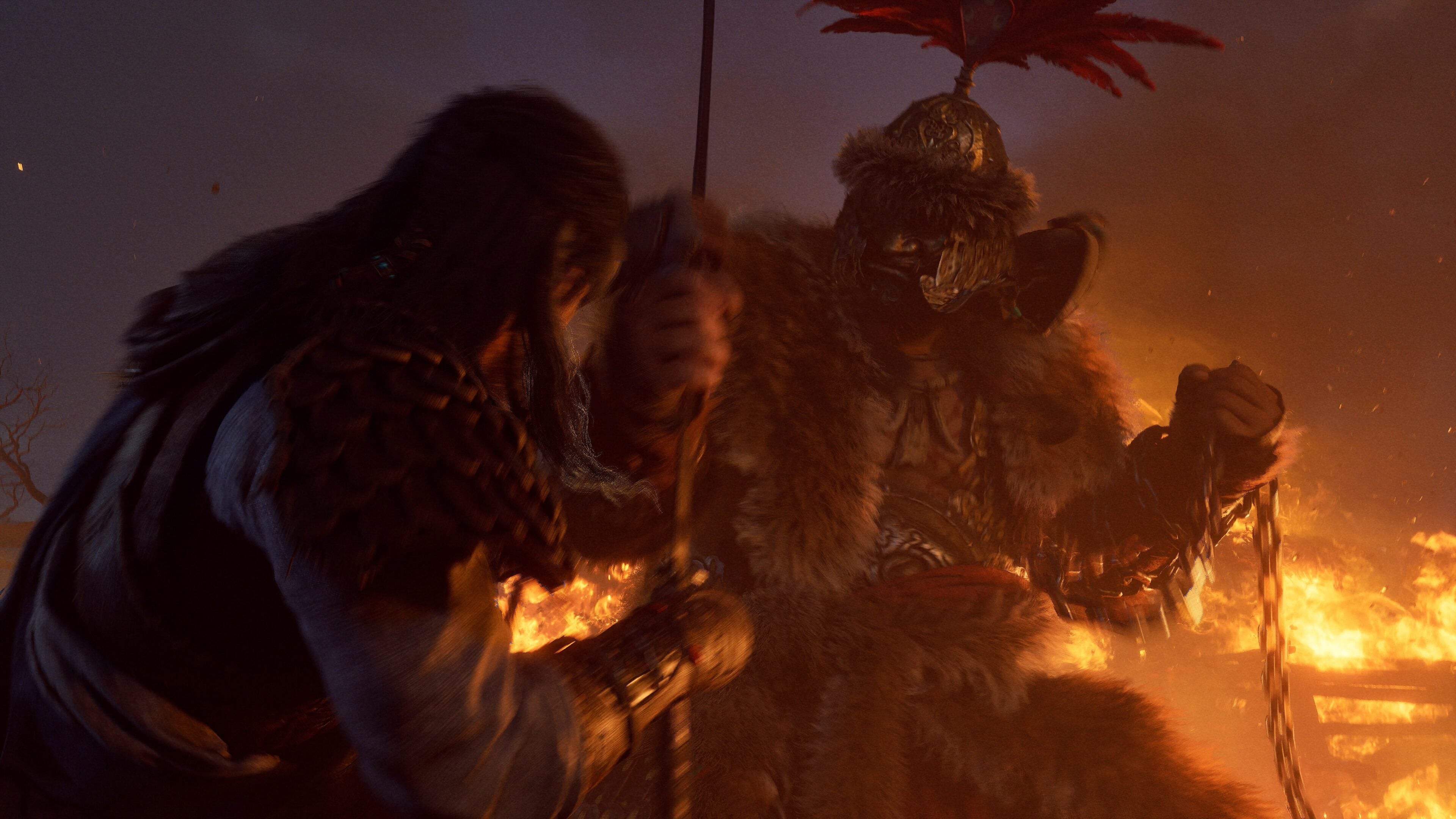
The framing tagline released with the reveal calls the story the last tale of loyalty in the Great Tang. That phrase points back to the historical core: the people of the corridor had kept faith with the dynasty across a long occupation, and the uprising is the moment that loyalty becomes action.
Unconfirmed Details
The historical event is well documented at a high level, but the game's exact handling of it has not been laid out publicly in detail. The points below remain open.
How the opening battle is staged in the game. The trailer hints at the chaos of the rising but does not show the full sequence, and the structure of the playable opening has not been described.
Whether Zhang Yichao appears as a depicted character, his visual design, voice, and screen time. He is the historical leader of the revolt, but his role in the game's cast has not been confirmed.
Other named historical figures of the rising. Period sources record additional officers and supporters around Zhang Yichao; whether any of them appear in the game has not been disclosed.
How the campaign's end-state relates to the historical Guiyi Circuit charter. The game's narrative may align with the formal chartering of the circuit, end earlier in the sequence, or treat the framing differently; this has not been clarified.
Whether the post-848 expansion to the eleven prefectures is depicted, referenced in passing, or set aside in favor of focusing on the Messenger's single journey east.