

This article is incomplete
Some sections are missing or need additional details. Help improve it by contributing.
Each WARDOGS match is a three-way fight, with up to one hundred players divided into three teams of roughly equal size. Having three sides in play, rather than two, leads to shifting fronts and pressure from more than one direction around the contested Control Zone.
The three-way split changes how a fight should be read. Because the score is a head count taken every thirty seconds, a team that commits everything to beating one rival can lose the zone to the third side while it is winning that fight. Letting two enemy teams grind against each other and arriving afterwards is a legitimate play rather than a passive one.
The Three Sides
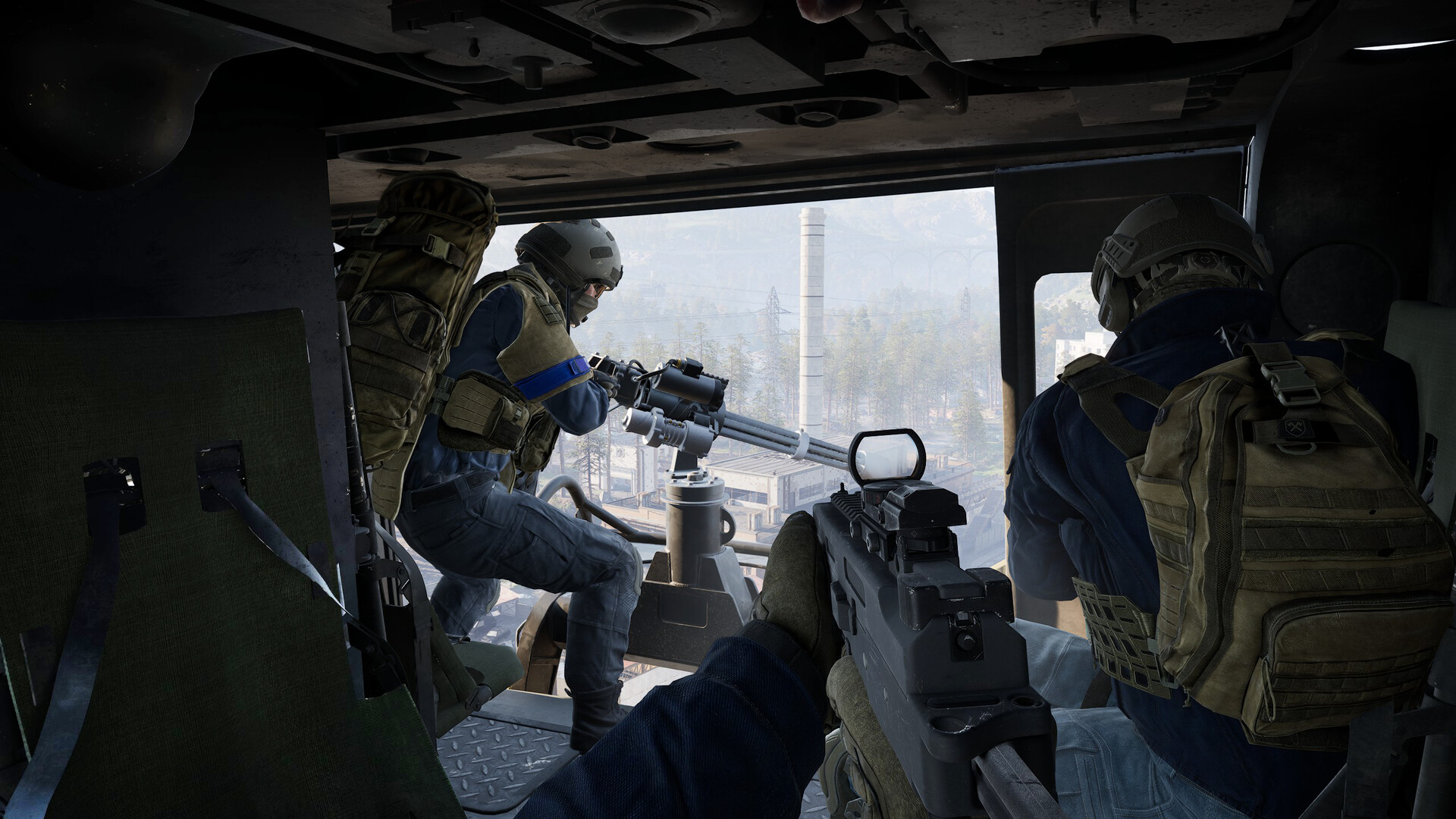
The three teams are named factions: Lonestar, Valkyra, and Manticore. Each carries its own colour and in-world identity, but all three play by the same rules, so a side’s success comes down to its players rather than to asymmetric abilities.
Squads and Communication
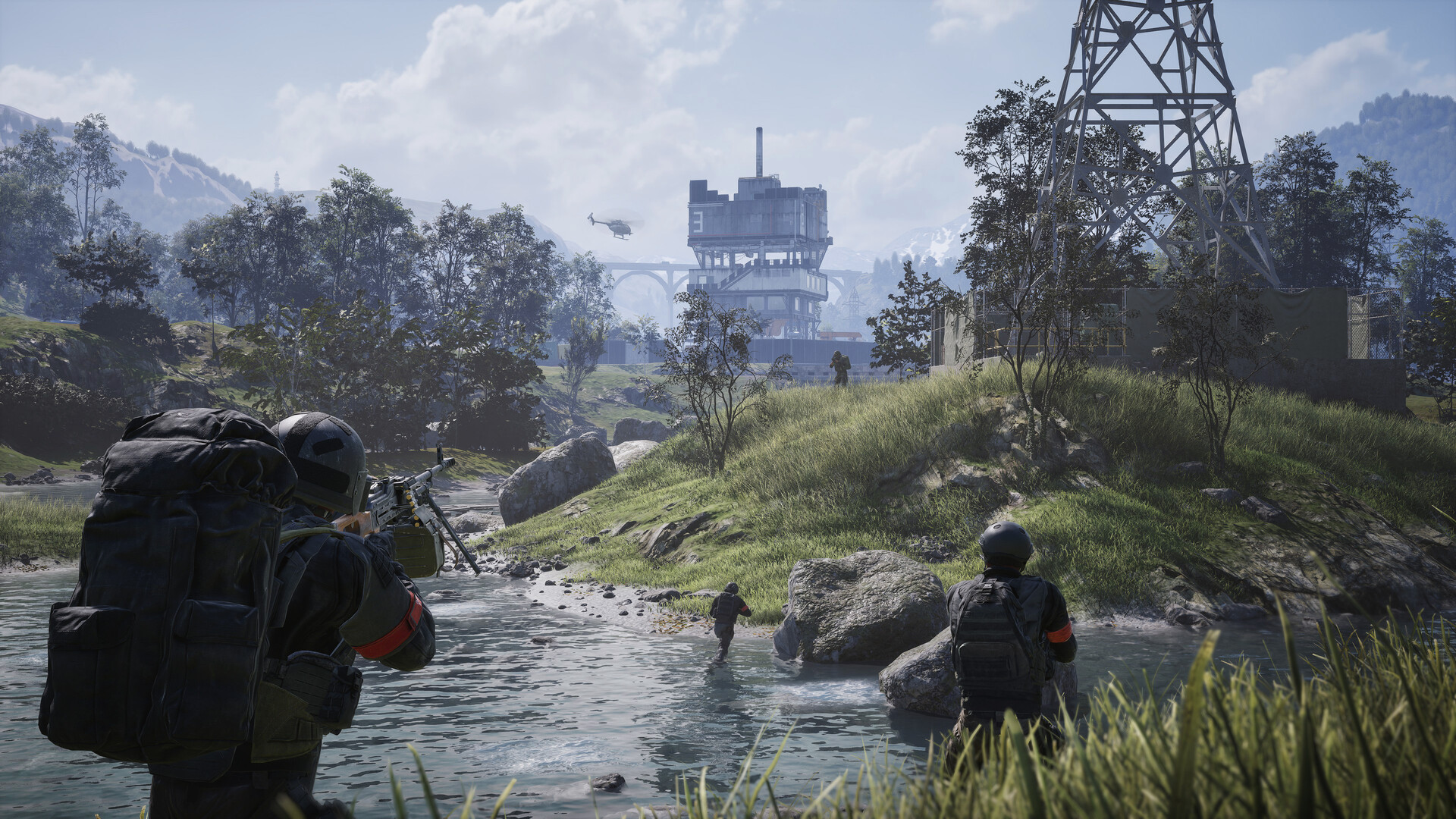
Squad sizes are unlimited, so friends can group up without being split apart. Forming a squad adds extra interface support, communication tools, and vehicle locking for better coordination. The game uses local proximity voice so nearby players can talk directly. That channel is not restricted to your own side: it can be heard across all three teams, which turns close-quarters encounters into something less predictable than a silent firefight. Players can also build loudspeakers to blast faction propaganda toward the enemy. Lobbies are formed through a server browser rather than automated skill-based matchmaking.
Voice took a round of repairs at launch. The studio fixed a fault that could cut a player voice channel permanently after a failed join, and made stale channel rejoins, push to talk targeting, and re-login all recover on their own. Reliability under load was improved, and a visible communication status was added so a player can tell whether their voice is getting out at all.
Many Playstyles
Teamwork is built into the rules through the cash economy, which pays players for supporting one another. Even so, the design leaves room for many approaches. The developers stress that there is no single correct way to play, progress, or earn: a player can run with a tight squad or strike out alone and still add to the team’s score.
Which approaches are available, and which tracks reward them, is covered under Combat Roles.
Where a squad plays matters as well as how. Matches run on official servers or on community-hosted servers rented and moderated by players themselves, both reached through the same browser, and the two differ mainly in who is watching for bad behaviour. That split is covered under Servers and Anti-Cheat.