This article is incomplete
Some sections are missing or need additional details. Help improve it by contributing.
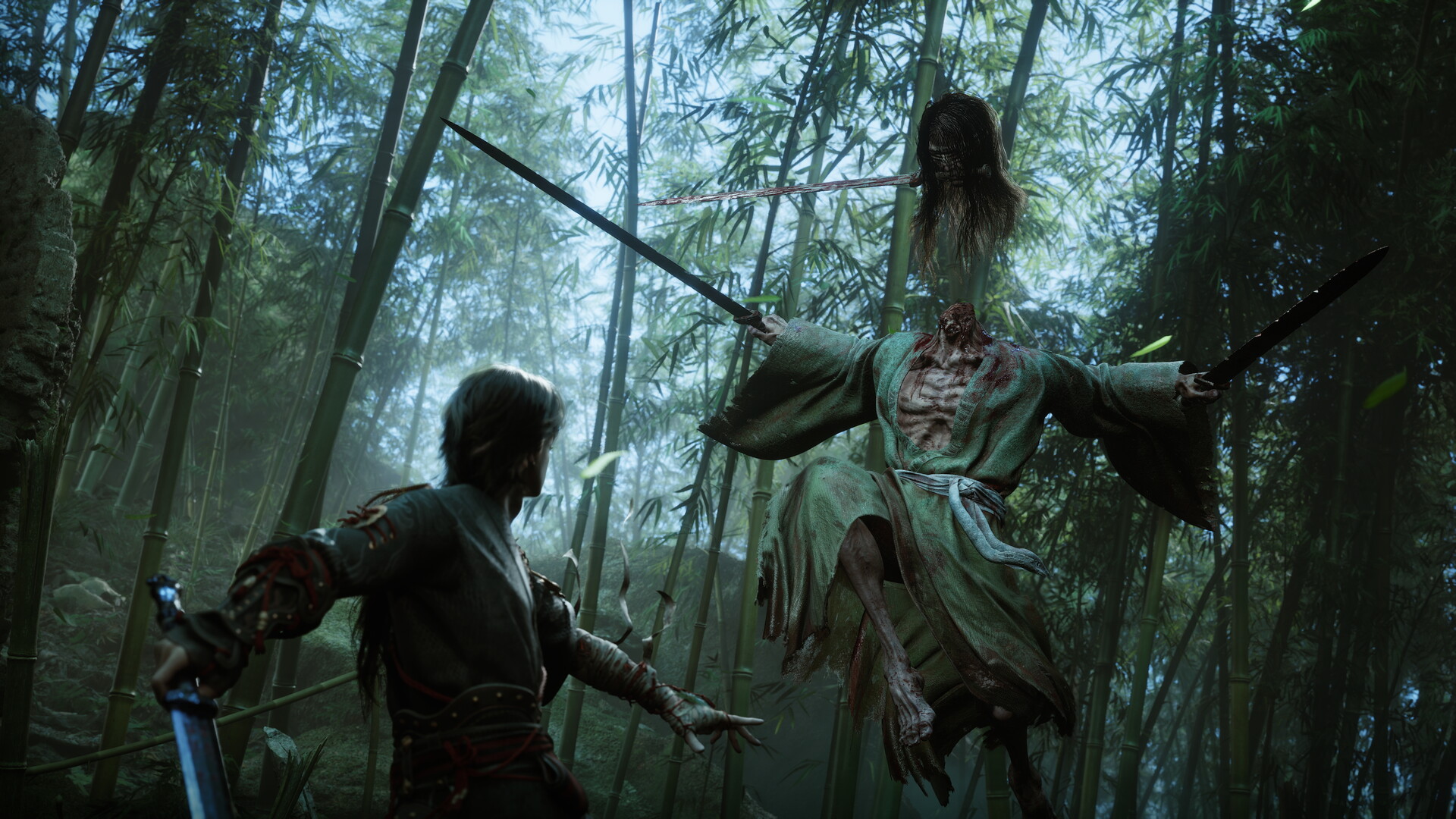
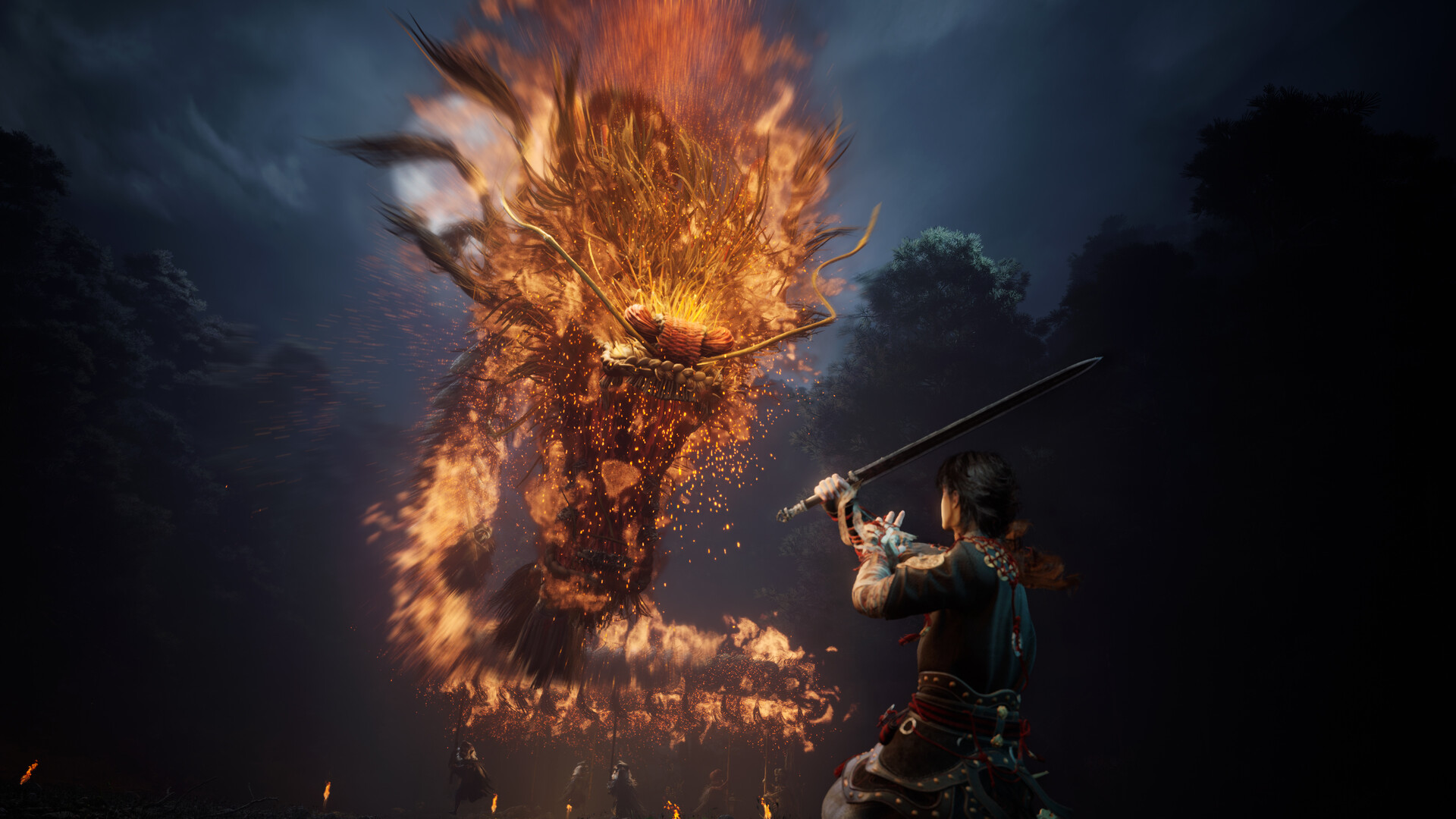
Combat in Swords of Legends is built around fast, stylish action. As a reborn Arbiter of the Underworld, Sipan reads each enemy's weakness and weaves several kinds of power together rather than relying on a single attack pattern. The team has described the fighting as approachable for players of all skill levels rather than a punishing experience.
Sipan wields an arsenal of weapons, each with its own playstyle, ranging from the swords of the living to the artifacts of the dead. Alongside ordinary blades, the hero can call on divine artifacts that change the flow of a fight.
Divine Artifacts and Techniques
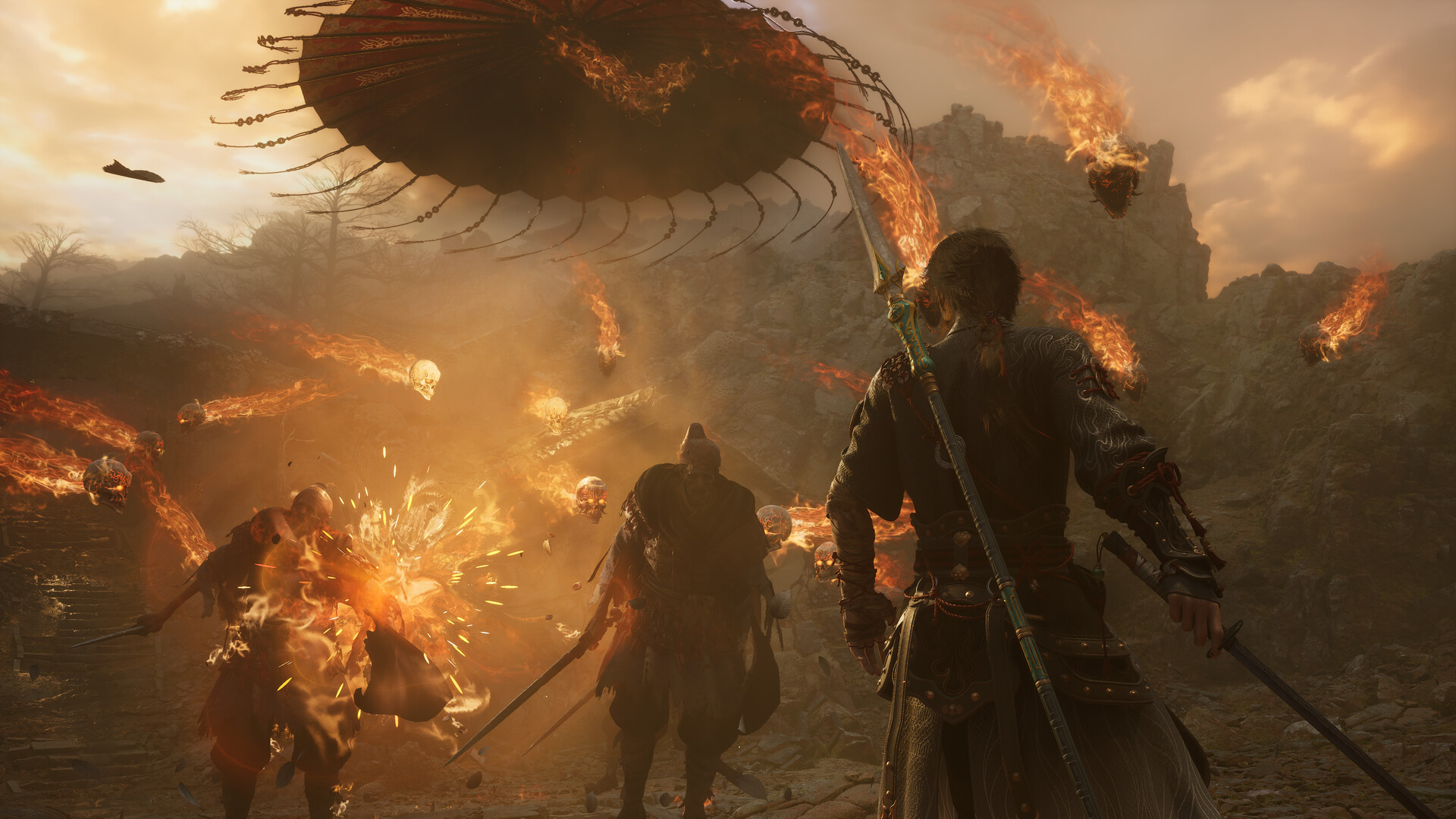
Tool | Use in Battle |
|---|---|
Explosive Umbrella | Delivers area-of-effect attacks against grouped enemies. |
Binding Wrappings | Ensnares and ties down foes. |
Spiritual Seals | Bind enemies and set up multi-target strikes. |
Mystical Techniques | Magical and martial skills used to exploit enemy weaknesses. |
A signature mechanic is soul capture. Sipan can capture the souls of certain monsters and summon them to fight alongside the hero, with some offering cooperative attacks. Captured souls also tie into the Spirit Companion System, where a companion can intercept damage and join the hero in linked finishers.
Major battles that test these tools are covered under Bosses, and the companion side of combat is detailed in the Spirit Companion System.
Building a Loadout
The July 2026 hands-on build showed how far that goes: the game has no dedicated block or parry button. Guarding and parrying are skills that ride on the artifact or weapon a player has equipped, so choosing a loadout decides which defensive options exist at all. The starter artifact carries a guard skill that spends mana, and popping it with perfect timing avoids that cost. Swapping that artifact out can remove blocking entirely and force a more aggressive approach.
Defensive Option | Where It Comes From | Cost |
|---|---|---|
Guard | A skill on the starter artifact | Spends mana, refunded on perfect timing |
Dodge | Always available | Free, and the default way to avoid damage |
Parry | A skill that can be slotted onto a weapon, such as a greatsword | Spends mana; mistiming leaves the player wide open |
Invincible dash | Carried by the Thunder Banner artifact in place of a guard | Replaces blocking outright and deals damage |
Mana is the currency behind these defensive skills, and in the hands-on build it refilled only through potions rather than regenerating on its own, which made each block or parry a real decision. A separate gauge marked with flame icons fills as the player fights and is spent on high-damage special attacks. Alongside the defensive tools, exploration is meant to yield utility items that feed back into combat.
The developers describe combat as leaving plenty of room to fight the way a player wants. Every enemy has its own traits, and the hero can lean on a summonable ally, on magic artifacts, or on weapons, but the core of the system is cycling through those options and tactically combining them into a build. Rather than mastering one attack string, players are meant to read the situation and mix tools on the fly.
The Basic Scheme
The July 2026 hands-on build settled how the fight actually flows from moment to moment, and the headline is what the game leaves out. The hero has no stamina bar. Light attacks, dodges and jumps cost nothing at all, and the invincibility window on a dodge is generous rather than punishing, so there is no resource management wrapped around basic movement.
Two weapons are equipped at once, one on each of two face buttons. There is no split between a light and a heavy attack: pressing a button draws whichever weapon occupies that slot and runs its own attack string, so switching stance mid-combo is a matter of changing buttons rather than changing modes.
Input | Function |
|---|---|
Face button one | Attack string for the weapon in the first slot. |
Face button two | Attack string for the weapon in the second slot. |
Trigger plus a face button | The combat arts carried by the two equipped weapons, four in total across both. |
Shoulder buttons | The two functions of the equipped divine artifact, which is where guarding, countering and mobility live. |
Combat arts are the skill layer on top of that. Many weapons carry a fixed art in their first slot and leave a second slot free for the player to fill, and the arts split roughly between primary damage and dodge-counters. They are paid for with skill points, shown as a row of markers above the health bar and accumulated by landing normal attacks and by dodging successfully, which rewards staying engaged rather than retreating to recharge.
The interface itself changed between the two public showings. In the June 2026 trailer build the health bar sat in the top-left corner; by the July hands-on it had moved to a more prominent position at the lower centre of the screen.
Weapons and Artifacts
Sipan’s kit spans a broad roster of weapon classes, each with its own dedicated moveset, and new weapons are found as the adventure progresses. The studio has declined to put a final number on the roster, saying only that the range of combinations will be wider than what has been shown so far. Some families, such as sabers, spears, swords, and greatswords, carry over from the long-running series, while a set of new weapons drawn from traditional Chinese arms joins them. Attack skills come from a mix of the weapon and the player’s own choices. Alongside the blades, the hero calls on divine artifacts such as an umbrella that both guards and closes the gap, and a Bagua Mirror used to block attacks. The full relic list is covered under Divine Artifacts.