Loading...
SpaceCraft liquid resources: Water and Sulfuric Acid from geysers, the Hose Pump, tanks and cisterns, bottling, and Chemical Factory recipes.
Blueprints in SpaceCraft: buying ready-made ship designs to build instantly and selling your own creations.
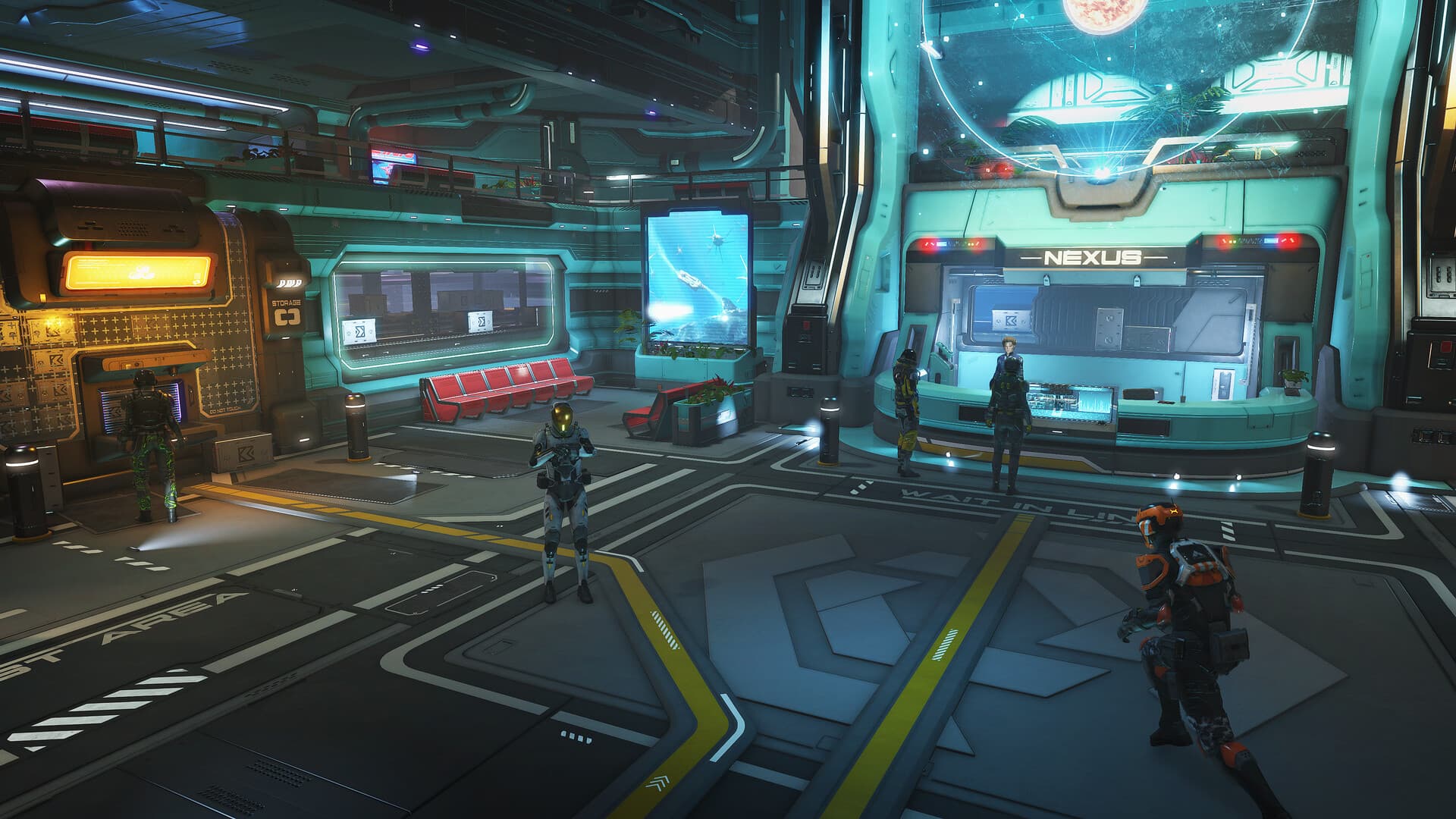
Space stations in SpaceCraft: Company-owned hubs like Babylon 7, their instanced areas, dynamic docking, and the refining and trading you do there.
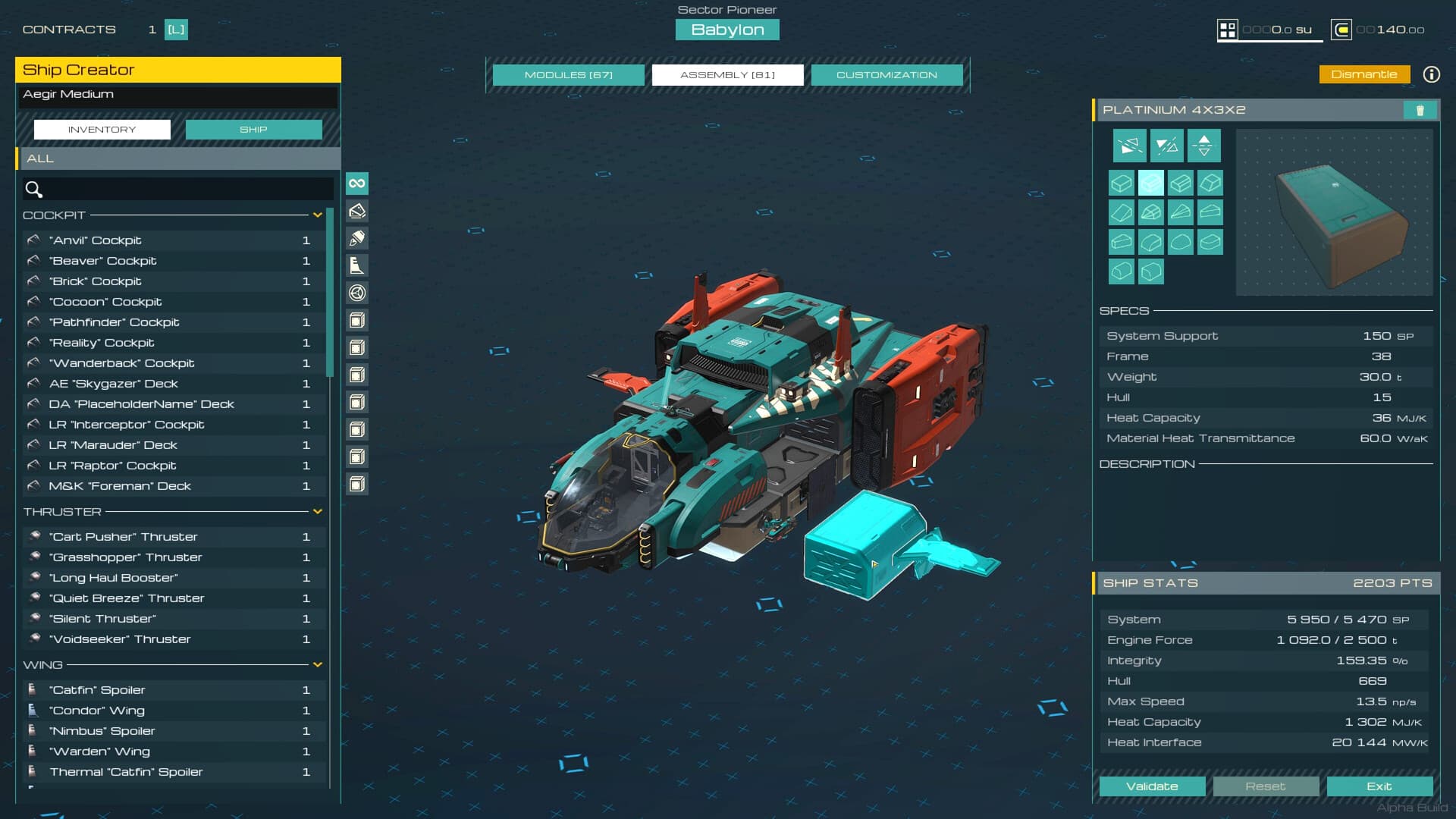
Ship building in SpaceCraft: assembling crafted parts into custom vessels, from nimble ships to heavy cruisers.
Crafting in SpaceCraft: refining at the Smelter and Workshop, the crafting queue and 10-minute manual timer, speed changes from Community Update #1, and how parts feed ships and trade.
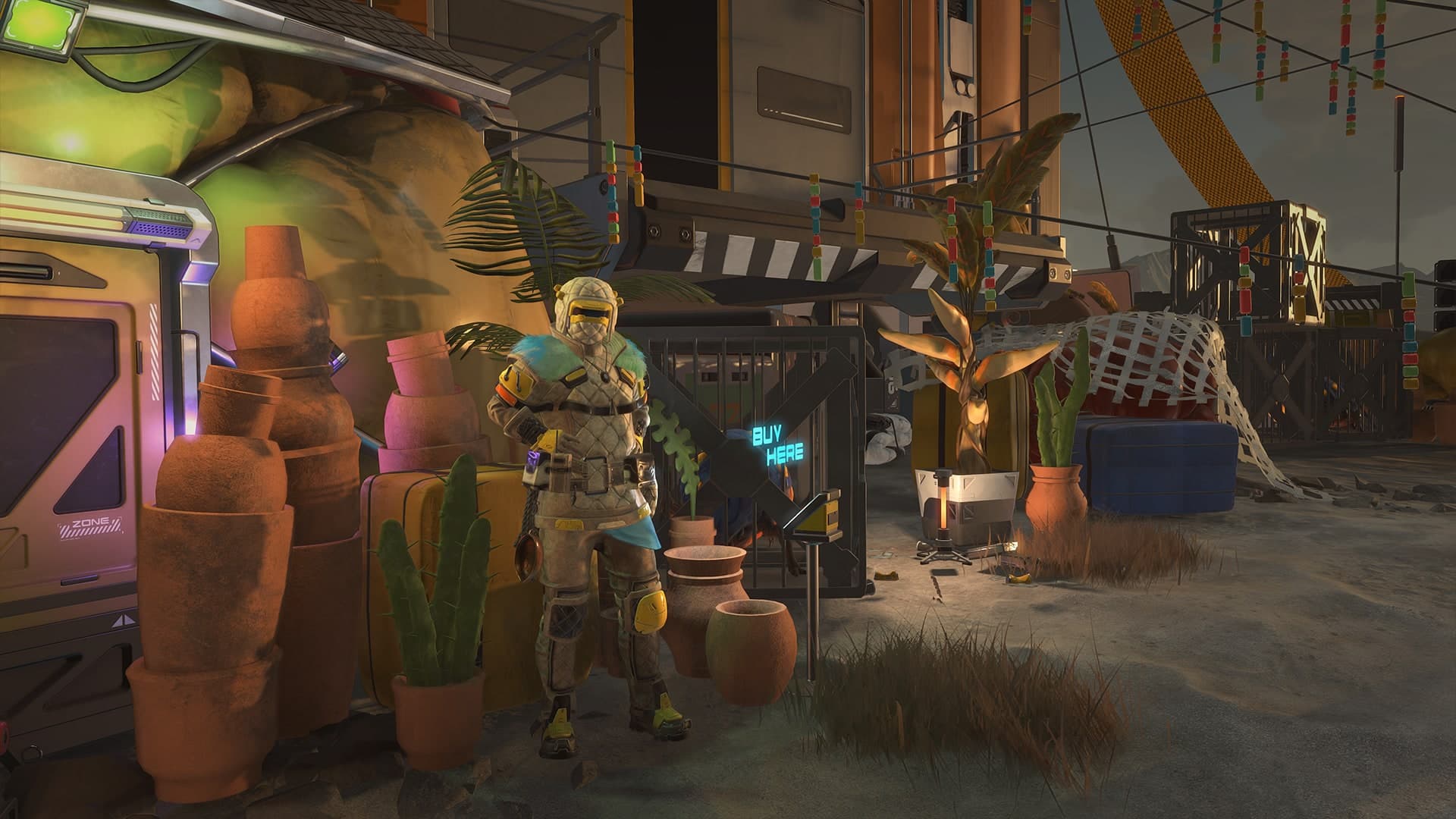
The player-driven economy in SpaceCraft: the Trade Nexus, Buy Orders, the Nexus Relay, Traveling Merchants, services, missions, and contracts.
Automation in SpaceCraft: automated mining, interplanetary logistics networks, and supply chains that scale your industry.
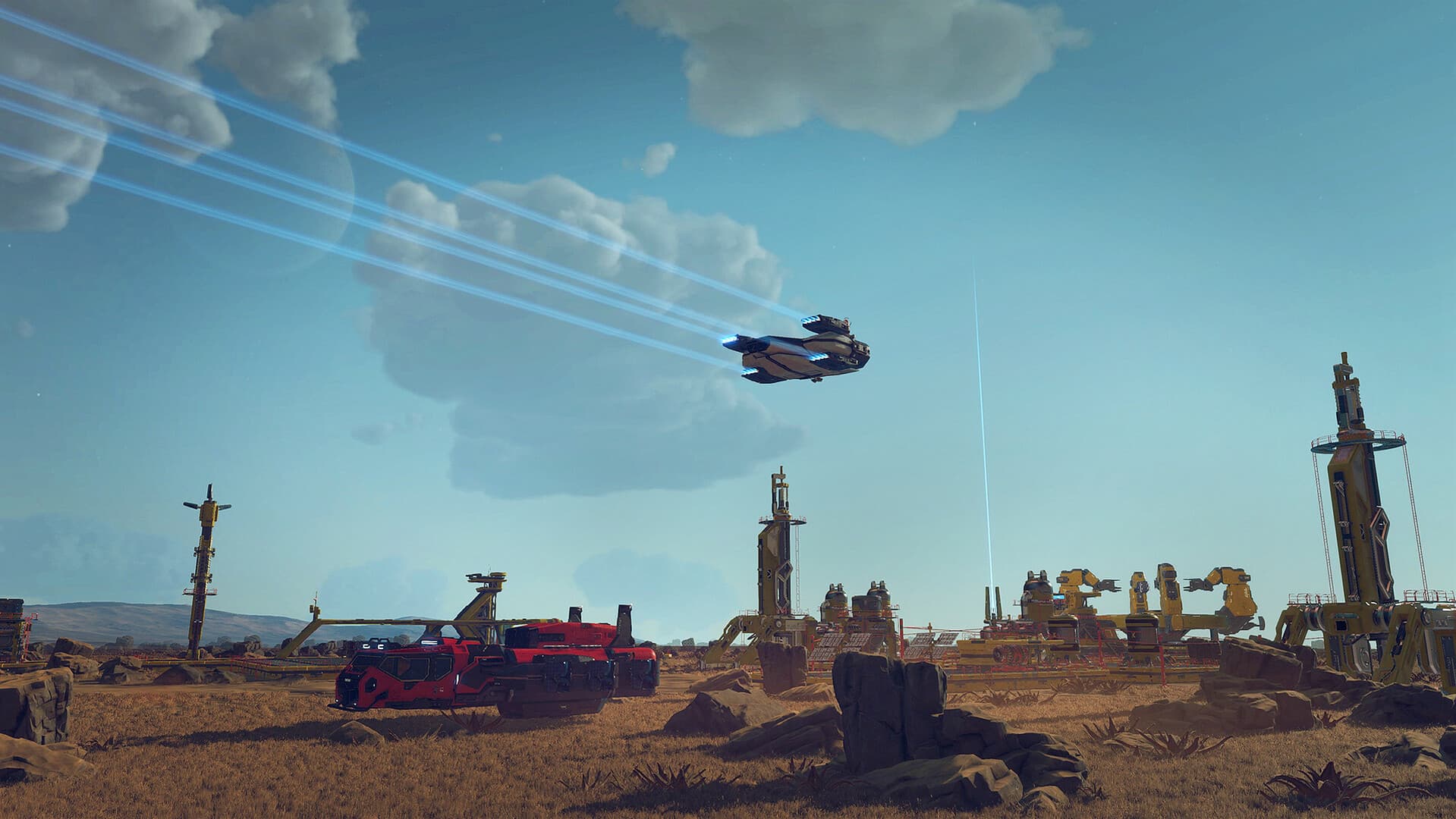
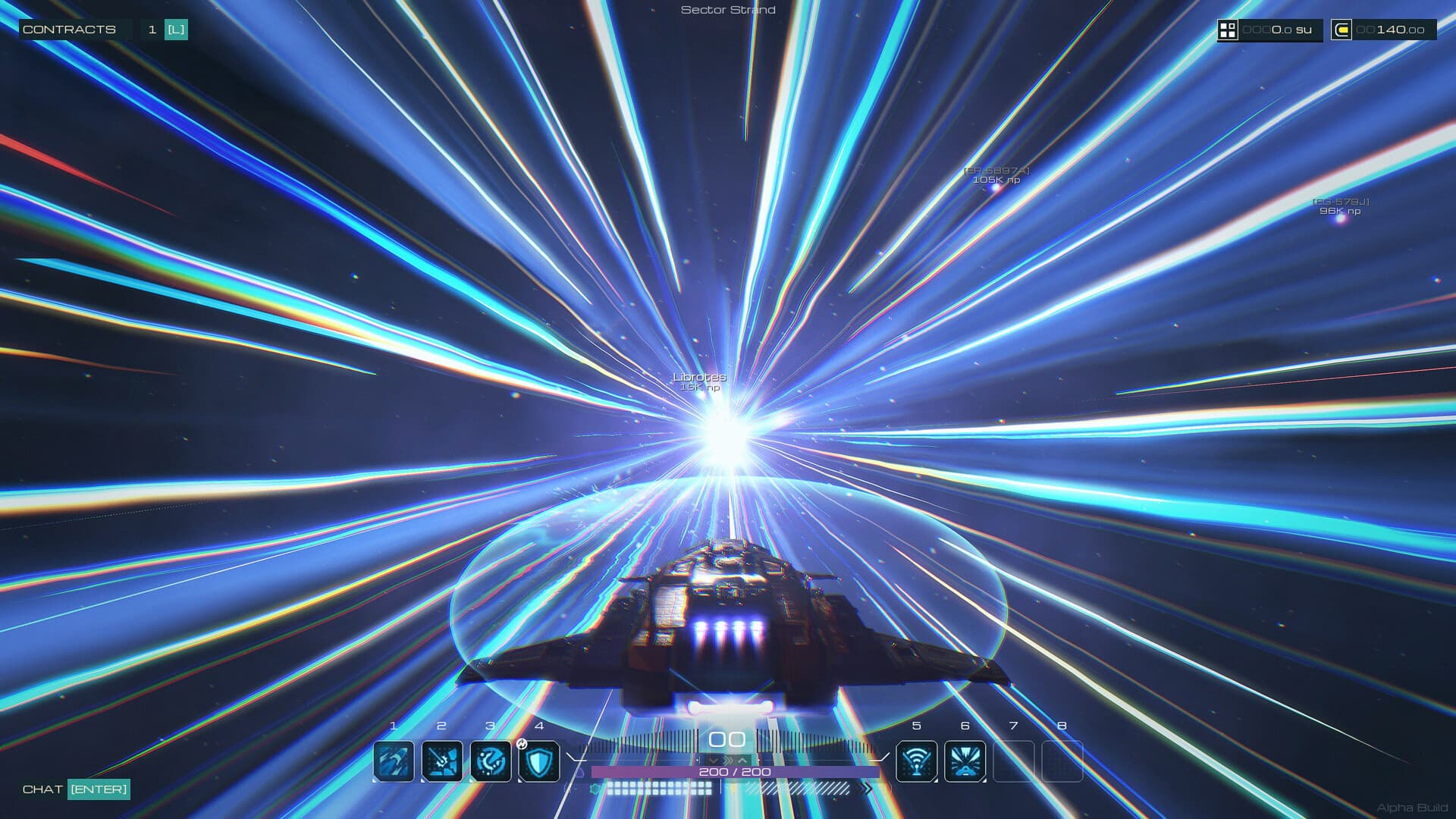
Exploring SpaceCraft: real-time flight, seamless space-to-surface transitions, Faster-Than-Light jumps, Restricted Areas, and the exploration changes from Major Update #1.
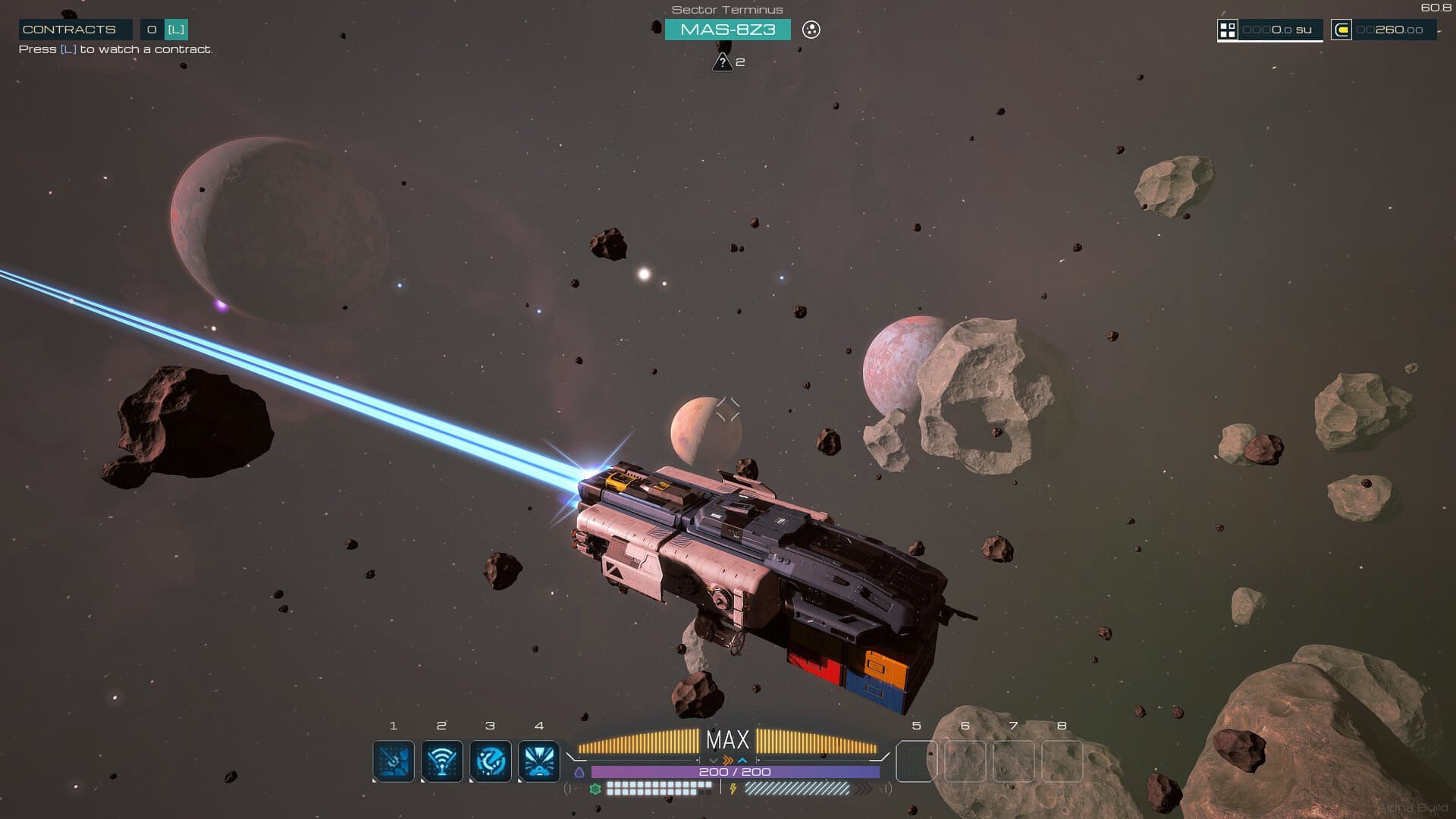
How SpaceCraft plays: the explore, mine, craft, build, trade core loop in a shared player-driven galaxy.