Loading...
Loading...
Survivor Guide
May 25, 2026 at 09:29 AM
Add wikilinks to table cells (4 new links)
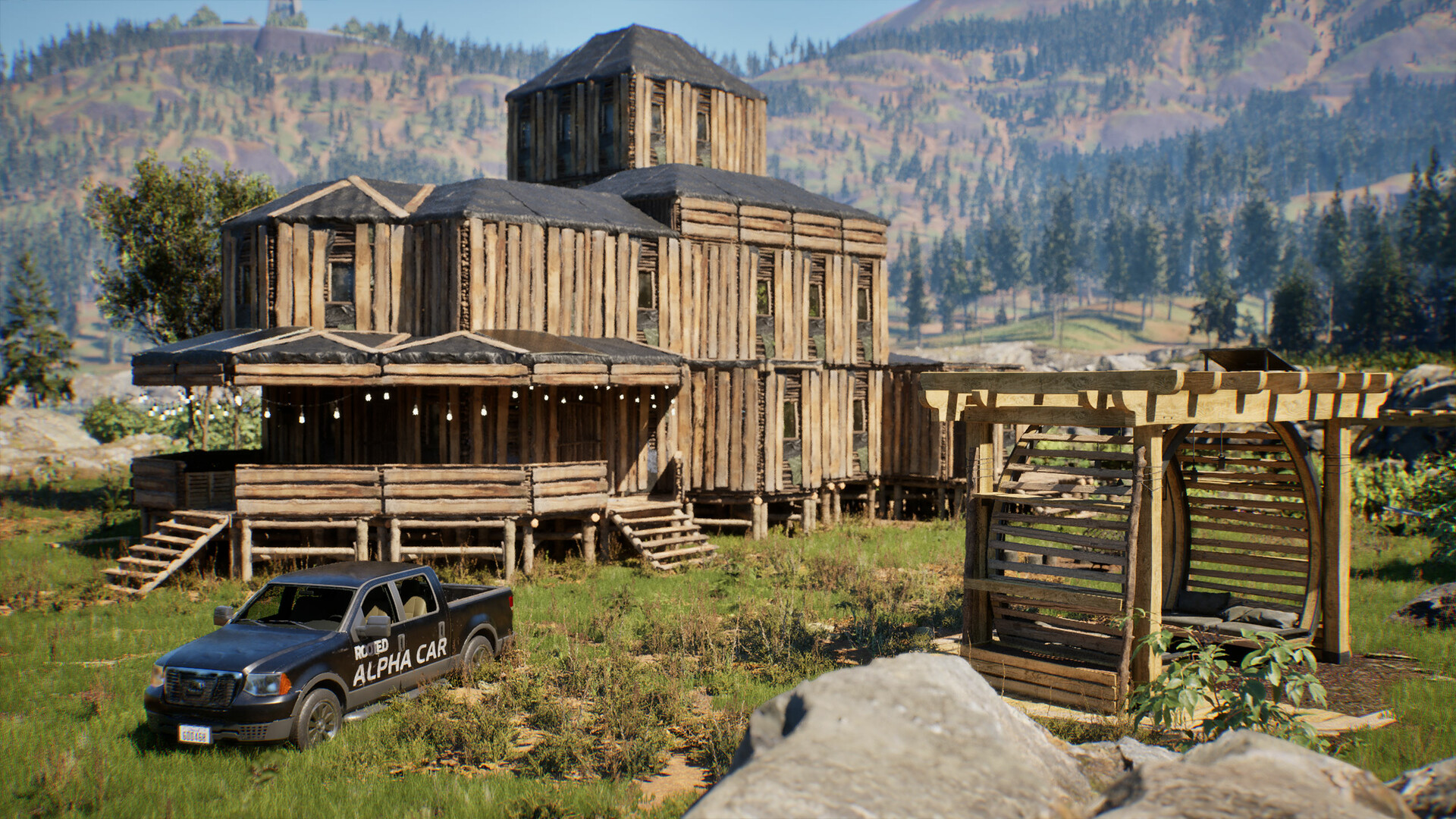
The Survivor Guide is the in-game blueprint compendium in Rooted. It stores recipes for tools, structures, furniture, and survival equipment that the player has unlocked through crafting progression and exploration.
Aspect | Detail |
|---|---|
Role | Persistent reference for every recipe the player has discovered. |
Unlocks | New blueprints become available when key stations are built, when items are salvaged, or when areas are explored. |
Crafting trigger | Recipes in the Survivor Guide become craftable once the matching station is available, such as the Workbench. |
Persistence | Discovered blueprints carry forward across sessions and are tied to the character or save. |
Players expand the Survivor Guide through several activities. Building a Workbench automatically opens a new tier of recipes. Salvaging items adds repair-related entries, and exploring new points of interest can reveal location-specific designs. Recipe availability is tightly coupled to base building so that progression feels grounded in what the player has actually built and explored.
In cooperative multiplayer sessions, individual survivors expand their own knowledge as they craft and explore. Group bases benefit from having multiple players contribute different recipe paths so the team can quickly access a wider catalog of items. Sharing recipes through teamwork is part of the cooperative design pillar.
Build a Workbench as your first crafted structure to expand the Survivor Guide as early as possible.
When salvaging in a new area, take time to interact with intact machinery and signage. Some blueprints unlock from environmental discovery rather than direct crafting.
If you are playing in co-op, coordinate to spread blueprint coverage across the team, so the base does not depend on a single survivor's progress.
The forest is the safe starting ring. New survivors spend the first sessions establishing a forest base, harvesting wood, identifying salvage routes, and learning the day-night rhythm. Sleeping or skipping through the night sidesteps the worst visibility windows while the player is still under-equipped.
Tier | Goal | Outputs |
|---|---|---|
Day 1 | Forest base, basic tools, melee weapon | Survive first nights, secure food and water. |
Day 2-5 | Workbench and storage, first vehicle or sled | Faster salvage cycles, longer outings. |
Week 1+ | Power, automation, gas mask, firearm | Enter villages and edge of contaminated zones. |
Mid-game | Drone companion, ranged weapon kit, second base | Push into contaminated city for higher-tier salvage. |
Players should track their gear against the zone they are entering. The forest tolerates light loadouts; villages reward at least a basic firearm and a clear retreat; the contaminated city demands a full kit, protective gear, and an exit plan. Severe weather added in Phase 3 increases the cost of mistakes in deep zones.
Co-op of up to six survivors changes the calculus on every zone. A scouting drone in the air, a designated medic, and pre-set fallback rallying points make hard runs survivable that would be reckless solo. Friendly fire is off by default; turning it on raises the stakes but is optional.