

This article is incomplete
Some sections are missing or need additional details. Help improve it by contributing.
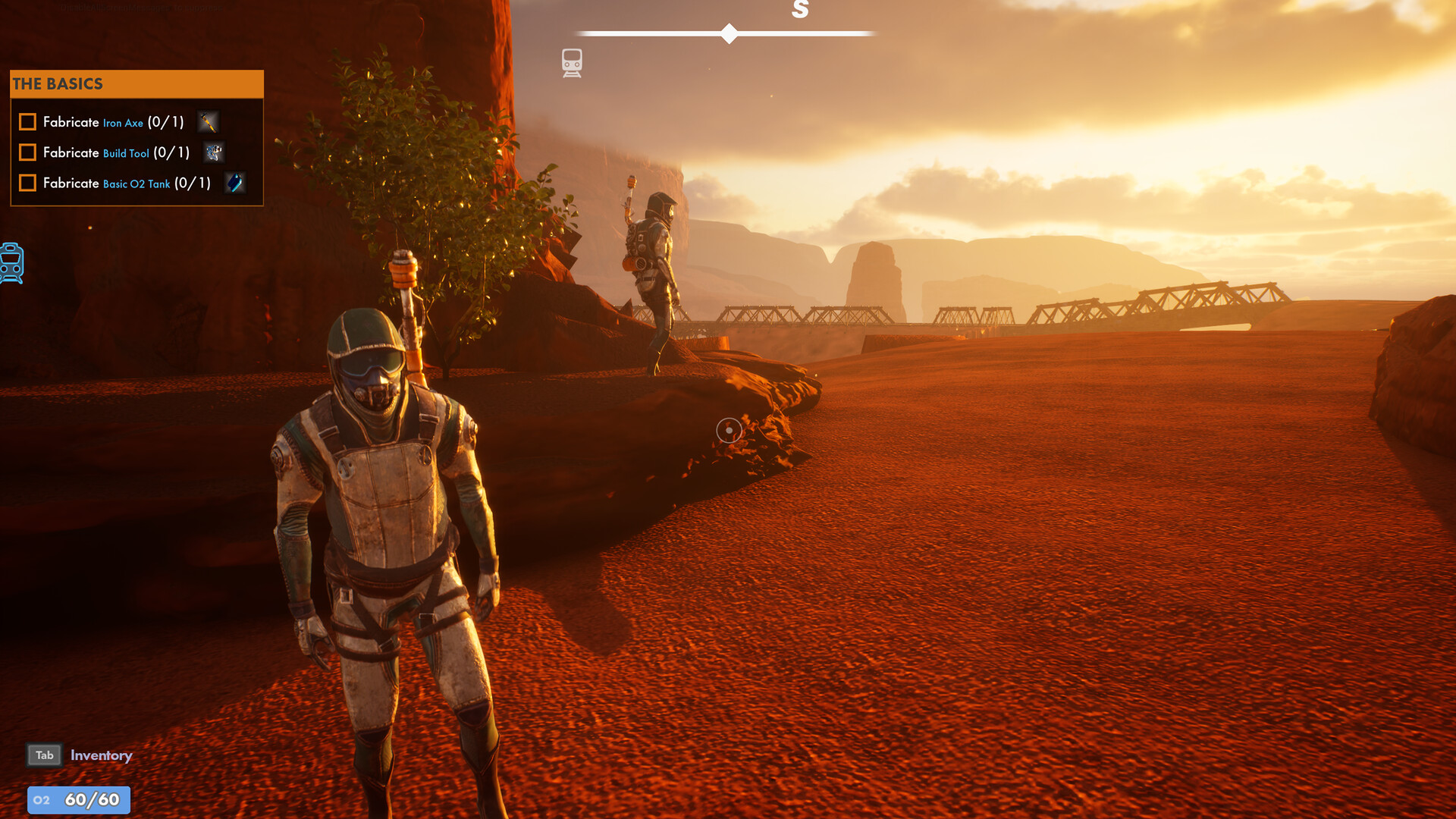
Railborn supports online cooperative play for one to four players. All players share the same train and work together to construct, maintain, and pilot it across the planet's track network. The game is fully playable as a single-player experience as well.
Shared Train
In co-op, every player operates on the same train. Changes made by one player, including construction, resource placement, and system adjustments, are visible and functional for all others. The March 2026 alpha test specifically addressed synchronization of construction, player positioning, train boarding, and shared resource management across all connected clients.
Division of Responsibilities
With multiple players, the group can divide the responsibilities of running the train. One player can pilot while others gather resources off-train, manage power and water systems, tend to farming cars, or expand the train with new construction. The cooperative structure allows larger groups to advance more quickly.
Platform Features
Online co-op is handled through Steam. The game supports Steam invites for joining sessions with friends. Steam Family Sharing is also available.
Controller Support
Railborn includes full controller support, allowing players to participate in both single-player and co-op sessions using a gamepad.
Feedback System
During testing, Railborn includes an in-game feedback system so players can report a bug or, more importantly to the developers, submit a suggestion directly from the game. All submitted feedback is anonymized. The system is intended to gather as much player input as possible while the game is in development.
Sharing a Moving Train
Because the train is shared, players can be picked up by teammates while it is moving, and can also be left behind. The train is a physical hazard as well: a player struck head-on by the moving train is killed, which means teammates can run each other over. See Survival Mechanics for the collision hazard.