Loading...
Loading...
Mass Technology
August 17, 2026 at 11:53 PM
Adopted the publisher’s Mass Technology naming throughout and merged in the AI-usage clarification
Mass Technology is KRAFTON's proprietary technical system powering the large-scale battles in Project Windless. It is the core innovation that distinguishes the game from traditional action RPGs and musou-style games.
Mass Technology enables thousands of soldiers and massive creatures to clash in real time across dynamic battlefields. The key distinction from traditional large-scale combat games is that these are not static or scripted encounters. The soldiers are individually simulated with functional AI.
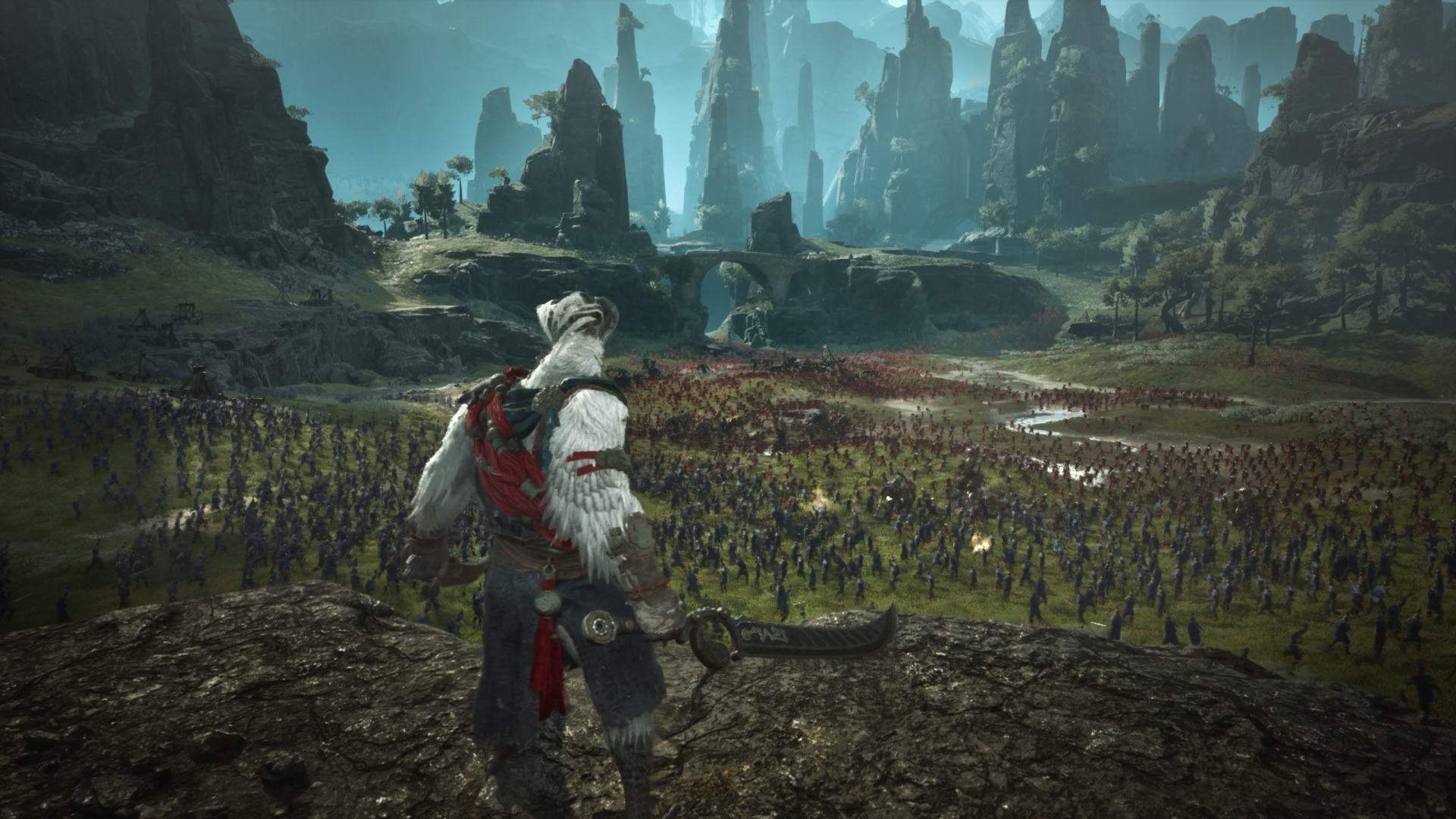
Simulates hundreds to thousands of smart, reactive characters simultaneously
Enemy crowds move, flank, surround, and react dynamically to the player's movements in real time
Transforms standard encounters into unpredictable, large-scale conflicts
Players fight directly within massive engagements rather than issuing remote commands
Targets current generation consoles and PC; the reveal demo ran on PS5 Pro via Unreal Engine 5
The traditional musou-style approach to large-scale combat uses mindless enemy hordes as spectacle. They exist to be mowed down by the hundreds. Mass Technology takes a different approach: enemies have individual behaviors and react intelligently to what the player does.
This means a battlefield is not a predetermined sequence of waves. Enemies reposition, try to flank, form defensive lines, and respond to the player's aggression or retreat. The result is battles that feel dynamic and unpredictable rather than performative.
After the game's reveal, concerns arose about KRAFTON's use of AI. The studio clarified that Mass Technology uses traditional machine learning for NPC behavior systems and animation fine-tuning, technology that has existed in game development for decades. It does not use generative AI for content creation, art, or narrative. A KRAFTON spokesperson put the position directly: Project Windless uses traditional game AI systems to drive NPC behaviour and bring the world and its characters to life beyond combat, and the studio is not using generative AI for content creation or narrative elements. The team does use AI tooling internally during exploratory phases as a development aid, not as a player-facing feature.
For the player, Mass Technology means that combat encounters can seamlessly escalate from personal duels to battlefield-scale conflicts. The Hero King might start fighting a squad of enemies and suddenly find the engagement growing into a full-scale war with allied forces joining the fray and enemy reinforcements pouring in from multiple directions. The system is designed to make the player feel like a legendary warrior carving through a real war, not an arena with spawning enemies.
Large-scale battles have been attempted in games before, and the implementations vary. Musou-style games pack hundreds of enemies on screen, but most stand idle until the player approaches. Strategy titles simulate thousands of units from a top-down camera. Mid-scale battle games put the player on the ground in smaller fights with simpler behaviour. KRAFTON's pitch for Mass Technology is that it combines the on-the-ground perspective with crowd density and reactive behaviour at the same time, so each soldier moves with purpose rather than standing as filler. Whether the shipping game delivers on that is something pre-alpha footage cannot answer.
KRAFTON has not shared how Mass Technology works under the hood. Pathfinding, group behaviour and the performance work that lets thousands of units run at once have all gone undiscussed. The State of Play trailer showed pre-alpha footage captured on PS5 Pro under Unreal Engine 5, which indicates the hardware target, but unit counts, framerate and resolution figures remain unannounced.