
Loading...
Loading...
Typhlosion
March 21, 2026 at 07:32 AM
Initial version (2026-03-21)
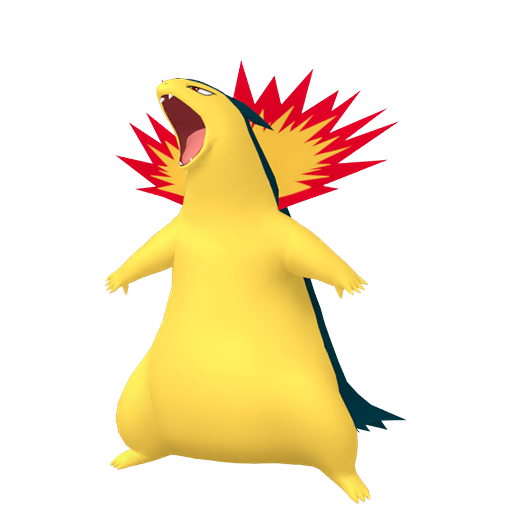
Typhlosion is a Fire-type Pokemon in Pokemon Pokopia, classified as the Volcano Pokemon (Dex #226). It has a secret, devastating move that involves rubbing its blazing fur together to cause huge explosions. Typhlosion is the final evolution of the Cyndaquil line, evolving from Quilava. It carries two specialties: Trade and Burn, making it a versatile companion that can staff a cash register for item exchanges and set fire to flammable objects around your island.
Typhlosion can be found at two habitats, though it is a Rare visitor at both locations.
If you're feeling chilly, you can sit by this fireplace and it will gently warm you.
Item | Quantity | Notes |
|---|---|---|
Stone Fireplace | 1 | Fire-themed furniture |
Seat (wide) | 1 | Any wide seating option |
Typhlosion is a Rare visitor at the Fireplace Nap Spot. It shares this habitat with Quilava (Common). Available during all times of day (Morning, Day, Evening, Night) and in all weather conditions (Sunny, Cloudy, Rainy). This habitat can be placed in any area.
The colorful pop-art furniture gives off a cheerful atmosphere that'll lift your spirits in no time!
Item | Quantity | Notes |
|---|---|---|
Pop Art Bed | 1 | Pop art themed bed |
Pop Art Sofa | 1 | Pop art themed sofa |
Pop Art Table | 1 | Pop art themed table |
Typhlosion is a Rare visitor at the Top Pop habitat. Available during all times of day and in all weather conditions. This habitat can be placed in any area.
Both of Typhlosion's habitats require specific furniture pieces. The Fireplace Nap Spot is simpler to build, needing only a Stone Fireplace and a wide Seat. The Top Pop habitat requires three pop-art furniture items (Bed, Sofa, and Table), which may take longer to acquire. Since Typhlosion is Rare at both locations, you will need patience when waiting for it to appear. Walk up and interact with it once it shows up to befriend it.
Typhlosion has the Trade specialty. Pokemon with this specialty can exchange items with you at a cash register. Place a cash register near Typhlosion's habitat, and it will staff the register to offer item trades.
Typhlosion also has the Burn specialty. Pokemon with the Burn specialty can set fire to flammable objects. This is useful for lighting campfires, furnaces, and clearing brush around your island.
Category | Detail |
|---|---|
Ideal Environment | Warm |
Favorite Flavor | Dry |
Likes | Lots of fire, Fabric, Slender objects, Metal stuff, Rides |
Rarity | Rare (both habitats) |
Time of Day | All (Morning, Day, Evening, Night) |
Weather | All (Sunny, Cloudy, Rainy) |
Typhlosion prefers warm environments. Place fire-themed furniture, fabric items, slender objects, and metal decorations near its habitat to raise its Comfort Level. Offering Dry-flavored treats will also help improve its mood.
Field | Value |
|---|---|
Dex Number | #226 |
Type | Fire |
Species | Volcano Pokemon |
Height | 5'7" (1.7 m) |
Weight | 175.3 lbs (79.5 kg) |
Generation | 2 |
"It has a secret, devastating move. It rubs its blazing fur to cause huge explosions."
Typhlosion is the final stage of a three-stage evolution line. In the main Pokemon series, Cyndaquil evolves into Quilava at level 14, which then evolves into Typhlosion at level 36. In Pokopia, there is no evolution mechanic, so each member must be found at its own habitat independently. Quilava shares the Fireplace Nap Spot habitat with Typhlosion as a Common visitor, making that habitat a good spot to encounter both family members.
The Fireplace Nap Spot requires fewer items (just two pieces) compared to the Top Pop habitat (three pieces), making it the easier option to build first.
Since Typhlosion is Rare at both habitats, keep the habitat stocked with items it likes (fire-themed and fabric items) to maximize your chances.
Typhlosion's Burn specialty pairs well with other fire-type Pokemon like Quilava and Cyndaquil if you need multiple fire starters on your island.
The Fireplace Nap Spot also attracts Quilava as a Common visitor, so you can befriend both evolution stages from the same habitat.
