
Loading...
Loading...
Toshiro Mifune
April 29, 2026 at 04:11 PM
Added 3 screenshots (2026-04-29)
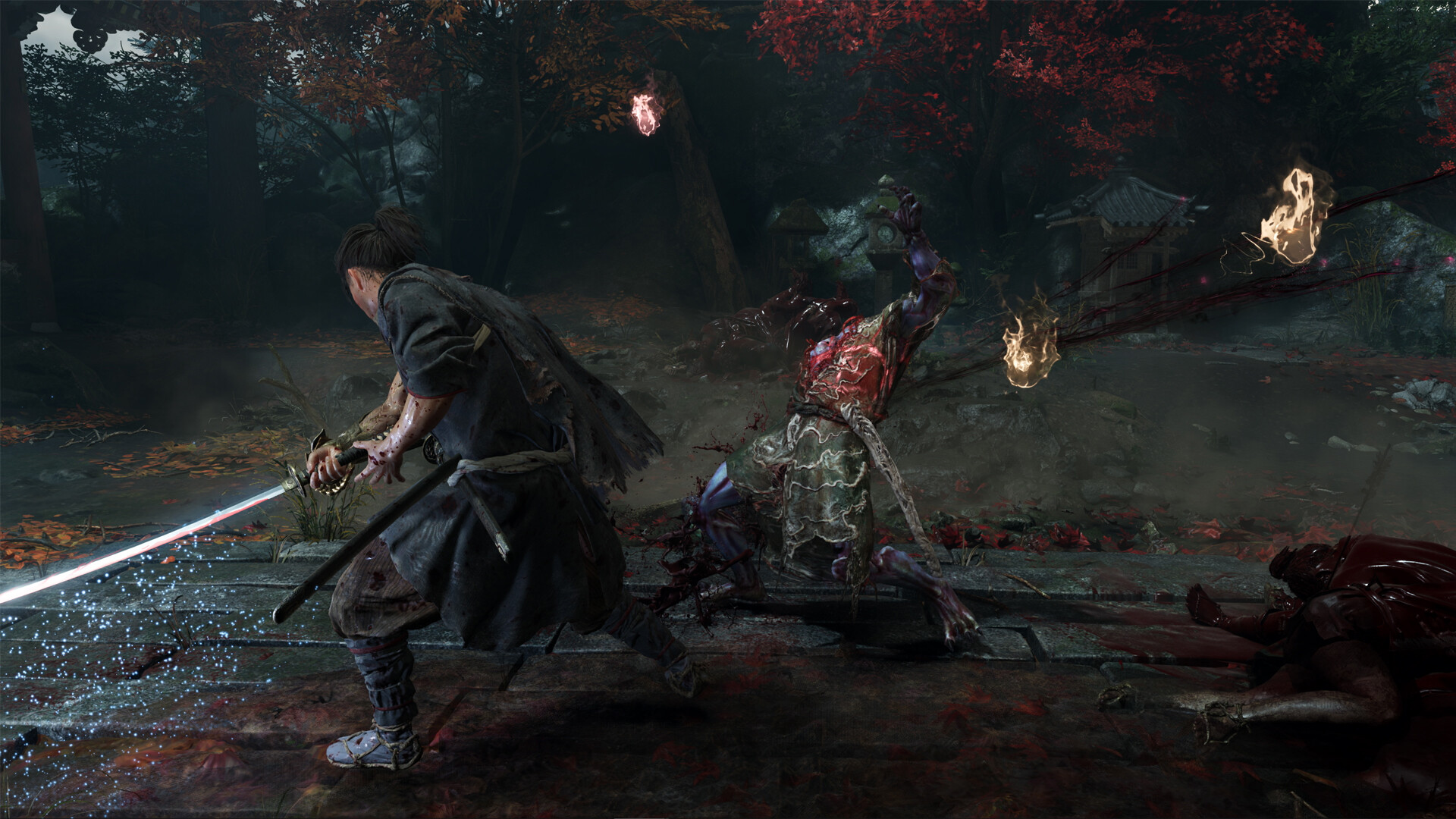
Toshiro Mifune (1920-1997) was a Japanese actor widely regarded as one of the most influential screen performers in the history of Japanese cinema. He is best known for his long collaboration with director Akira Kurosawa, his definitive samurai roles in films such as Seven Samurai, Yojimbo, Sanjuro, Rashomon, Throne of Blood, and The Hidden Fortress, and his portrayal of the young Miyamoto Musashi in Hiroshi Inagaki's 1950s Samurai Trilogy. Capcom licensed Mifune's likeness from Mifune Productions to model the protagonist Musashi Miyamoto in Onimusha: Way of the Sword, a casting decision that the developers have described as the single clearest way to signal the kind of samurai story the game is trying to tell.
Mifune was born on April 1, 1920, in Qingdao, Shandong Province, in what was then a Japanese enclave in China, and he died on December 24, 1997, in Mitaka, near Tokyo. During his career he accumulated more than 180 screen credits and worked with nearly every major Japanese director of the postwar era, but his reputation rests most firmly on a sixteen-film run with Akira Kurosawa that began in 1948 and ended in 1965. Within that run he created an archetype of the masterless samurai that has since become shorthand for the genre: wary, scruffy, coiled for violence, and quietly noble beneath the rough exterior.
His influence extends well beyond Japan. Kurosawa's films starring Mifune were widely remade and reinterpreted abroad, with Seven Samurai inspiring The Magnificent Seven, Yojimbo inspiring A Fistful of Dollars, and The Hidden Fortress famously cited by George Lucas as a structural reference for the original Star Wars. For Japanese audiences his face is the face of the samurai film, and that iconicity is exactly what Capcom set out to capture by licensing his likeness for the game.
Mifune served in the Imperial Japanese Army Air Service during the Second World War, working in aerial photography. He arrived at Toho Studios in 1946 during a period of postwar expansion at the studio, and he was initially hired as a contract player after being noticed during a screen test. His breakthrough came quickly. Kurosawa, watching Mifune's audition from an editing room, was struck by the raw, unguarded physicality of the performance and brought him into his next project. Their first film together, the 1948 noir Drunken Angel, paired Mifune with veteran actor Takashi Shimura and cast him as a tubercular young yakuza. The role set the pattern for what was to come: a young man both feral and vulnerable, carrying more emotion in a glance than most actors could carry in a monologue.
From that point forward Mifune became the de facto lead of Kurosawa's features, moving fluidly between contemporary dramas, period pieces, and the samurai films that made him internationally famous. Outside of Kurosawa he worked with directors Hiroshi Inagaki, Mikio Naruse, Kihachi Okamoto, Kon Ichikawa, Kenji Mizoguchi, and Masaki Kobayashi, among many others. In 1962 he founded his own production company, Mifune Productions, which produced large-scale historical films and continued to manage his image long after his death. That company is the party Capcom negotiated with to license his likeness for Onimusha: Way of the Sword.
His international career included English-language appearances in Hell in the Pacific opposite Lee Marvin, Red Sun alongside Charles Bronson and Alain Delon, Steven Spielberg's 1941, and the role of Lord Toranaga in the original 1980 NBC miniseries Shogun. He portrayed Admiral Isoroku Yamamoto in three separate films, a mark of how deeply his face had become entwined with Japan's cinematic self-image during the middle of the 20th century.
The following films are the most commonly cited anchors of Mifune's legacy, and several of them directly inform the visual and tonal template that Capcom is drawing on for Musashi.
Year | Film | Director | Role |
|---|---|---|---|
1948 | Drunken Angel | Akira Kurosawa | Matsunaga, a tubercular yakuza |
1949 | Stray Dog | Akira Kurosawa | Detective Murakami |
1950 | Rashomon | Akira Kurosawa | Tajomaru, a bandit |
1954 | Seven Samurai | Akira Kurosawa | Kikuchiyo, a volatile farmer-samurai |
1954-1956 | Samurai Trilogy | Hiroshi Inagaki | Miyamoto Musashi |
1957 | Throne of Blood | Akira Kurosawa | Washizu, a Macbeth analogue |
1958 | The Hidden Fortress | Akira Kurosawa | General Rokurota Makabe |
1961 | Yojimbo | Akira Kurosawa | Sanjuro, a wandering ronin |
1962 | Sanjuro | Akira Kurosawa | Sanjuro, returning |
1963 | High and Low | Akira Kurosawa | Kingo Gondo, a shoe executive |
1965 | Red Beard | Akira Kurosawa | Dr. Kyojio Niide |
1968 | Hell in the Pacific | John Boorman | A stranded Japanese captain |
1980 | Shogun | Jerry London | Lord Toranaga |
For Rashomon he won the Volpi Cup at Venice, and for Yojimbo he won it again in 1961, making him the first actor to win Best Actor at Venice twice. The Samurai Trilogy, with Mifune as Musashi, won the Academy Award for Best Foreign Language Film for its first installment in 1955.
Between 1948 and 1965, Mifune appeared in sixteen films directed by Akira Kurosawa. The partnership defined both men's careers and is routinely listed among the most significant director-actor collaborations in film history, alongside John Ford and John Wayne or Martin Scorsese and Robert De Niro. Kurosawa often spoke about Mifune's unusual efficiency on screen, saying in one widely quoted remark that Mifune could convey in three feet of film an emotion that would take a typical Japanese actor ten feet to deliver.
Their collaboration ended after Red Beard in 1965. Accounts of the split vary, but the production had been exceptionally long, Mifune was required to grow out a real beard for the entire shoot and could not take other work during that time, and personal tensions between the two men had built up over the years. They never worked together again, though both spoke with respect about the other in later interviews. The 1965 break did not diminish Mifune's standing with international critics, and his Kurosawa work remained the most-discussed portion of his filmography for the rest of his life.
The original Onimusha: Warlords in 2001 did not use Mifune's likeness. Its protagonist, Samanosuke Akechi, was modeled on and voiced by Takeshi Kaneshiro, a different licensing arrangement for a different character. Mifune enters the series through two later productions. The 2023 Netflix animated adaptation Onimusha, directed by Takashi Miike, was the first Onimusha project to use Mifune's likeness, casting an elderly, fictionalized version of Musashi modeled on his face. Onimusha: Way of the Sword then carried that approach into a mainline game, making it the first entry in the playable series to feature his likeness on the player character.
Licensing the face of a deceased actor is a complicated process. Because Mifune died in 1997, the rights had to be negotiated through his estate and the family-run company he founded, Mifune Productions, rather than with the actor himself. Capcom has publicly stated that development on Onimusha: Way of the Sword began in 2020 and that it took roughly two years of negotiation to secure permission to use Mifune's likeness, with the deal concluding in 2022. The length of that process reflects both the cultural weight of the actor and the care Mifune Productions takes with the image of its founder.
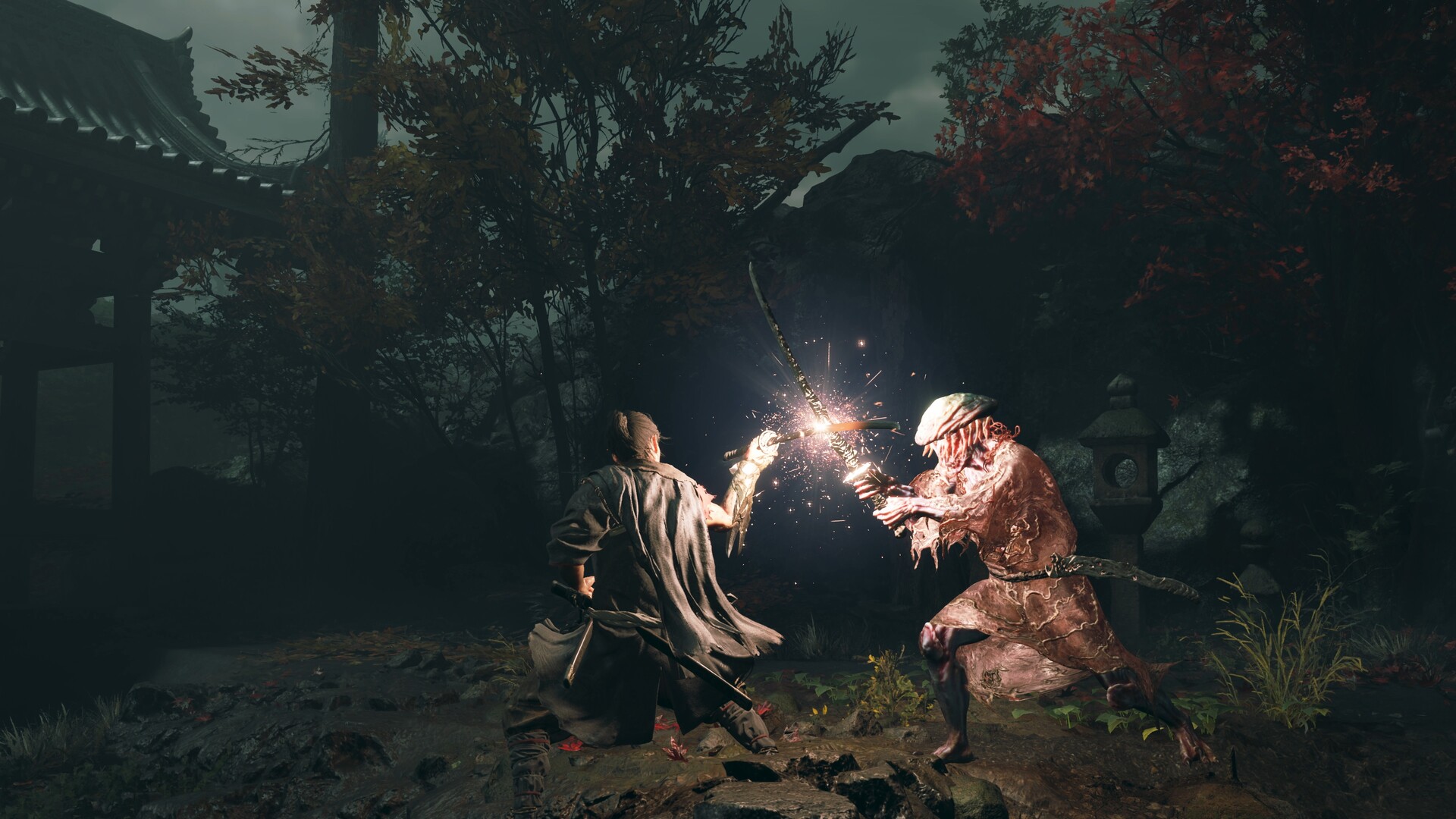
Producer Akihito Kadowaki has framed the decision to model Musashi on Mifune as an authenticity choice rather than a marketing one. The development team wanted a protagonist who read on sight as, in Kadowaki's own framing, a young and rough-edged swordsman covered in blood and mud, and Mifune's screen image was the reference that matched that description most cleanly. The casting also draws a direct line to Hiroshi Inagaki's Samurai Trilogy, where Mifune himself played Musashi across three films in the mid-1950s, so the game is effectively inheriting an established cinematic face for the character and updating it for a new medium.
The use of the likeness is strictly visual. Mifune's face provides the base model for Musashi's in-game appearance, but the performance itself is delivered by other actors. Yoshimasa Hosoya voices Musashi in Japanese, and Kenichiro Thomson voices him in English. The split between visual likeness and voice performance is a common arrangement for deceased-actor licensing, and it lets the game draw on Mifune's iconicity without attempting to recreate his actual voice.
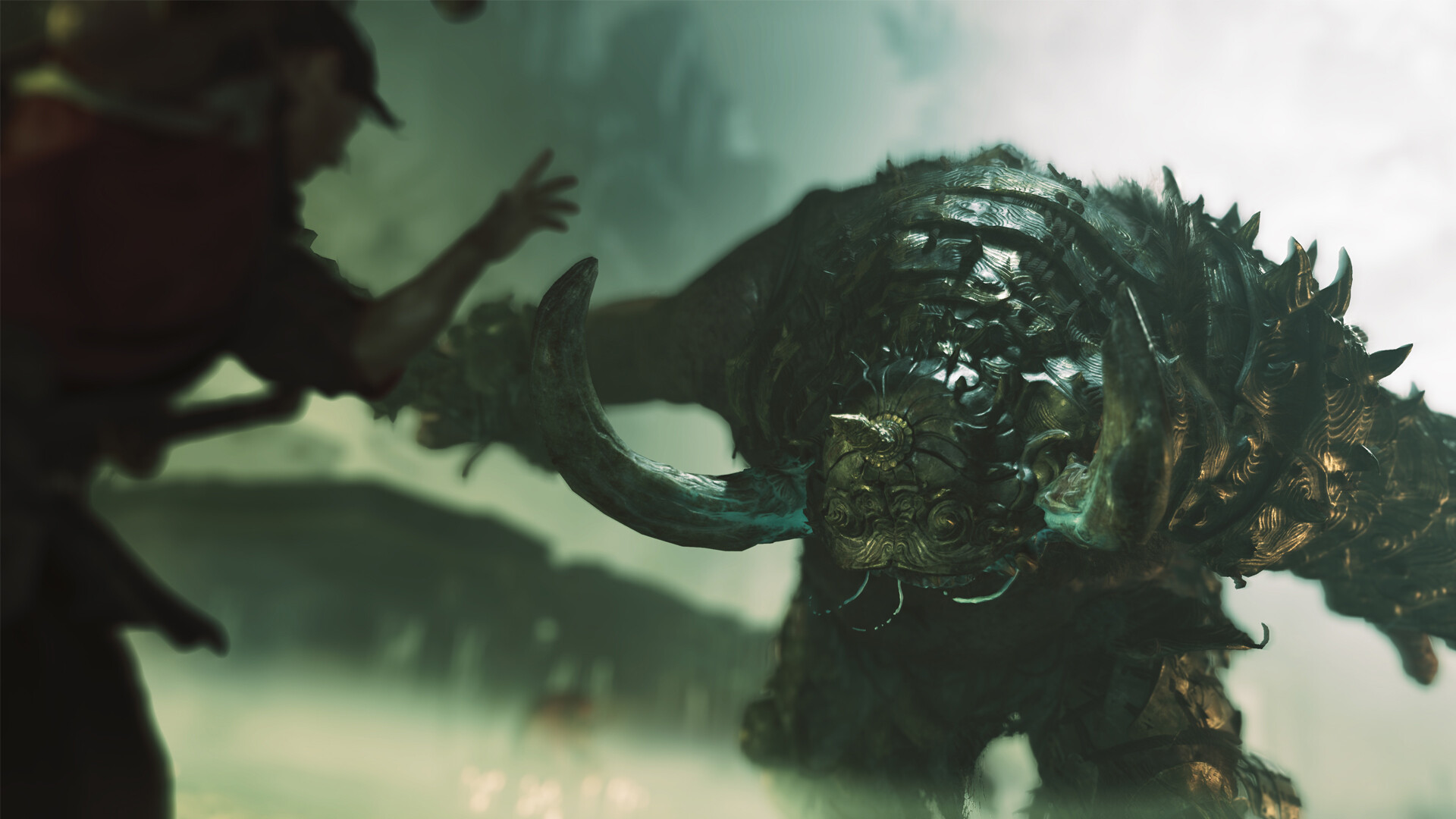
That visual reference is reinforced by the setting. Way of the Sword takes place in Edo-era Kyoto, a period whose filmic vocabulary is deeply tied to Mifune's samurai roles, and the game's combat system is built around weighty, deliberate sword exchanges that echo the pacing of mid-century jidaigeki rather than the faster animation-driven style of many modern action games. Placing Mifune's face on the protagonist of that kind of game is less a novelty cameo than a statement of intent about where the project sits stylistically.
At the time of his death in 1997, Mifune was still widely regarded as the face of the samurai film, and that reputation has only grown since. His work has been repeatedly reissued through high-profile restorations, and younger generations of viewers continue to encounter him through those rereleases, through the films he directly inspired, and through the many subsequent characters in games, comics, and animation that take their cues from his screen persona. Directors who cite him as an influence include figures as varied as George Lucas, Quentin Tarantino, Sergio Leone, and Takashi Miike, the last of whom directed the 2023 Netflix Onimusha series that first brought Mifune's likeness into the franchise.
For Onimusha: Way of the Sword, the licensing decision is both a tribute and a design tool. It signals that the development team is taking the samurai-film tradition seriously, it anchors the new Musashi visually in a lineage stretching back to the Samurai Trilogy, and it invites a specific audience of classic-cinema admirers to approach the game on those terms. The two-year negotiation with Mifune Productions, the visual continuity with Inagaki's Musashi, and the deliberate pacing of the game's swordplay all point in the same direction: toward a version of Musashi that carries the weight of the most recognizable samurai face in Japanese film history.
