Loading...
Loading...
Gameplay Overview
May 26, 2026 at 09:29 AM
Added confirmed lore and tech details from April 2026 reveal interview cycle (Age of Strife, CCS/PCF factions on Mars, Blindsight II VR, team-of-four, weapon categories, DLSS 4.5 feature set, RTX 50 features)
This article covers how a session of Fragmentary Order is intended to play. The developers frame the project as a hardcore combat simulator with depth across weapons, health, and economic systems rather than a streamlined extraction shooter for casual audiences. Pacing is targeted at roughly two to three times the speed of Escape from Tarkov, positioning the design as a counterweight to lighter shooters in the same space.
Each session is built around a four-step rhythm. A player accepts a contract from a corporate or factional employer, drops a Replicated Entity into a contested zone, fights or sneaks toward the objective, and tries to reach an extraction point alive.
Step | What Happens |
|---|---|
1. Infiltrate | Deploy a clone into a contested zone after accepting a contract from a corporation or faction within the CORIE framework. |
2. Complete Objectives | Carry out the contract: hit task locations, recover items, gather intelligence, or eliminate targets. |
3. Scavenge | Pick up loose resources, equipment, and gear to feed back into the economy and personal stash. |
4. Extract Alive | Reach an evacuation point and leave the zone with whatever the clone is carrying. Dying loses the run. |
The loop is not strictly linear. Many runs mix all four activities rather than handle them one at a time. Nothing comes home unless the clone reaches an extraction point intact.
All combat is player versus player. The opposing forces in a session are not scripted enemies, alien creatures, or AI bots; they are other operators piloting their own clones from their own bunkers. When two operators meet in a contested zone, both stand to lose the gear their clones are carrying.
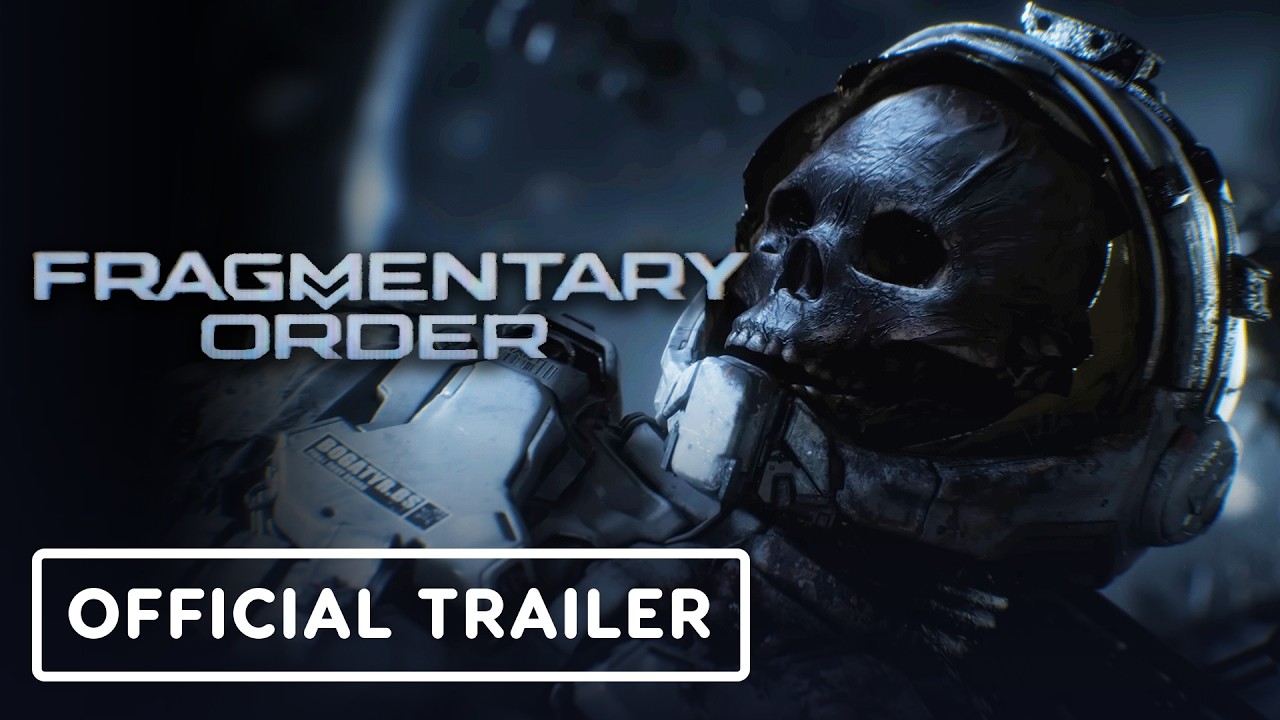
Health is a complex, layered system rather than a single hit-point bar, intended to reward careful play and proper field treatment of injuries instead of run-and-gun trades. Weapon behavior is similarly advanced, with realistic handling and a heavy emphasis on simulation rather than arcade feel.
The team has positioned weapon modification as a centerpiece of the experience, using the word excessive to describe the depth of attachment, internal part, and behavior options on offer. The stated goal is a system in which two operators can carry the same base weapon yet build it for very different roles: long-range marksmanship, close-quarters breaching, or suppressed scouting. No specific firearms or attachment slots have been publicly confirmed.
World design is split into two broad bands. See Maps and Scale for the full discussion. Larger maps are intended to be roughly four to five times the size of the largest maps in Escape from Tarkov, with vehicles confirmed for traversal. Smaller close-quarters maps are also planned, so encounters can range from long-distance ambushes on the big maps to dense interior firefights on the tighter ones.
Long-term progression is built around what the team has called a neo-economic structure. Players accept contracts, build reputation with each employer, accumulate credits, and gradually unlock new layers of the world. The flow of credits between players, factions, and infrastructure is central to the design. The CORIE framework structures and prices the contracts; its guiding principle that value is defined by risk shapes which jobs pay well and which ones are routine.
Faction standing influences what gear becomes available, what zones are reachable, and which storylines open up next. The backdrop is the year 2251, under a fracturing Core monopoly.
The player never deploys in person. Every action in a contested zone is carried out through a Replicated Entity, a disposable clone soldier piloted remotely from a fortified bunker. When a clone dies, that body is gone, but the operator lives on and deploys a fresh one into the next contract. This separation lets the design commit fully to high-stakes loot rules without ending a career on a single bad fight.
The studio has stated that party play is built around groups of four operators. Nikita Buyanov framed the choice plainly in the April 2026 reveal coverage: "Maybe four, because, for example, in Tarkov, I think we'll change it to four. Five is too much." The wording leaves the door open to solo, duo, and trio play around that anchor, but four is the upper end the team is aiming for.
Per-session player counts (the total number of Replicated Entities on a given map across all squads) have not been disclosed and will likely scale with map size.
No individual firearms have been confirmed publicly, but the developer has named three broad categories that the in-game arsenal will draw from. Buyanov referenced all three directly in interview coverage of the reveal:
Kinetic weapons: conventional ballistic firearms, the closest analogue to the modern military hardware Buyanov's earlier projects centered on.
Powder-based ignition weapons: distinct enough from generic "kinetic" to warrant separate naming in the same quote, suggesting a separate operating principle or ammunition type within the broader ballistic category.
Railguns: confirmed by name as part of the arsenal, fitting the hard science-fiction setting where electromagnetically accelerated projectiles are a plausible 23rd-century military technology.
The customization layer applies across all three categories, so an operator can take the same base weapon and reconfigure it for very different roles. Specific manufacturers, model names, attachment slots, ammunition variants, and per-category balance details remain unconfirmed.
The developer has been precise about the kinds of bodies that move on the battlefield. Buyanov listed them as "artificial units, robots, drones, clones," which expands the picture beyond purely human-controlled RepEnts. Drones in particular have been mentioned alongside vehicles as part of the wider equipment set; whether they act as deployable companions, environmental hazards, or contract objectives has not been broken out publicly. The opposing operators in any given session are still other players piloting their own clones; the rest of the listed entity types fill out the world around that core PvP loop.
Because the project is still pre-alpha as of the April 2026 reveal, large parts of the design have not been described. Open questions include:
Named maps, biomes, or locations.
Named weapons, manufacturers, or attachment slots.
Specific vehicle types and controls.
Contract templates and mission archetypes.
Currency naming and any secondary currencies beyond credits.
The internal structure of the health system.
Player counts per session, session length, and matchmaking rules.