Loading...
Loading...
Wound Management
July 22, 2026 at 05:02 AM
Added the six confirmed status effects, the Injury Severity rule, the unified stamina gauge, and inventory weight
Wound management in Nakwon: Last Paradise covers the player's HP, the consequences of taking damage, and the systems that close the gap between full health and the Last Stand near-death state. The closed alpha confirms survival mechanics as a core pillar of the game without exhaustively documenting every wound interaction, so this article describes what is publicly disclosed and is explicit about what is not. For wider context, see the overview.
The player has an HP value that can be reduced by hits from infected, from other survivors, and from environmental hazards in the city expedition map. When HP reaches 0, the player does not die outright; instead, the Last Stand state begins. While in Last Stand, the player cannot attack or use offensive skills, and any further damage taken raises an infection percentage. Reaching 100% infection kills the character. This is the official, dossier-confirmed shape of the damage curve from full health through near-death.
State | Description | What the Player Can Do |
|---|---|---|
Healthy | HP above 0; no Last Stand engaged | Move, sneak, fight, scavenge, extract normally |
HP at 0; offensive actions disabled; infection percentage tracks | Move toward an exit; attempt extraction; cannot attack | |
Killed | Infection reaches 100%, or run otherwise ends in death | Items carried into the expedition are lost permanently |
The closed alpha added a named set of character statuses that sit between full health and the near-death state. They cover both the physical consequences of a fight and the slower pressures of living in the city, and they are the reason wound management is a continuous concern rather than something that only matters when HP is low.
Status | What It Covers |
|---|---|
Morale | The survivor's mental condition, managed largely through what they eat and drink. |
Hunger | Food pressure. Eating is a survival requirement, not a convenience. |
Bleeding | Ongoing damage from an untreated wound. Dagger-type weapons are the ones most associated with causing it. |
Stun | A short loss of control. Hammer-type weapons are the ones most associated with causing it. |
Stagger | A knock off balance that interrupts what the survivor was doing. |
Infection | The countdown that runs during Last Stand and ends the run when it completes. |
Damage does more than subtract from the health bar. The closed alpha changed how injuries are recorded so that taking damage raises an Injury Severity value, and maximum HP gradually decreases as that severity rises. A survivor who has taken a beating early in a run is not simply sitting at lower health; the ceiling itself has come down, so the same number of further hits carries them closer to the threshold than it would have at the start of the night.
Two other closed-alpha changes shape the same calculation. Combat stamina and movement stamina were merged into a single unified gauge, so fighting and fleeing now draw on the same reserve and a long fight directly reduces the ability to run afterwards. An inventory weight mechanic was also added, which means a heavy bag of loot is itself a survival cost on the way back to an exit.
Falling is treated as an injury source too: taking damage in mid-air can make the survivor lose balance and stumble on landing, which turns a bad drop into a moment of exposure rather than just a chunk of lost health.
Items carried into an expedition are lost if the player dies and fails to extract. This is the most important framing for wound management: the cost of taking damage is not just the immediate HP loss but the compounding risk that any further hit pushes the run toward Last Stand and, eventually, toward losing everything in the loadout.
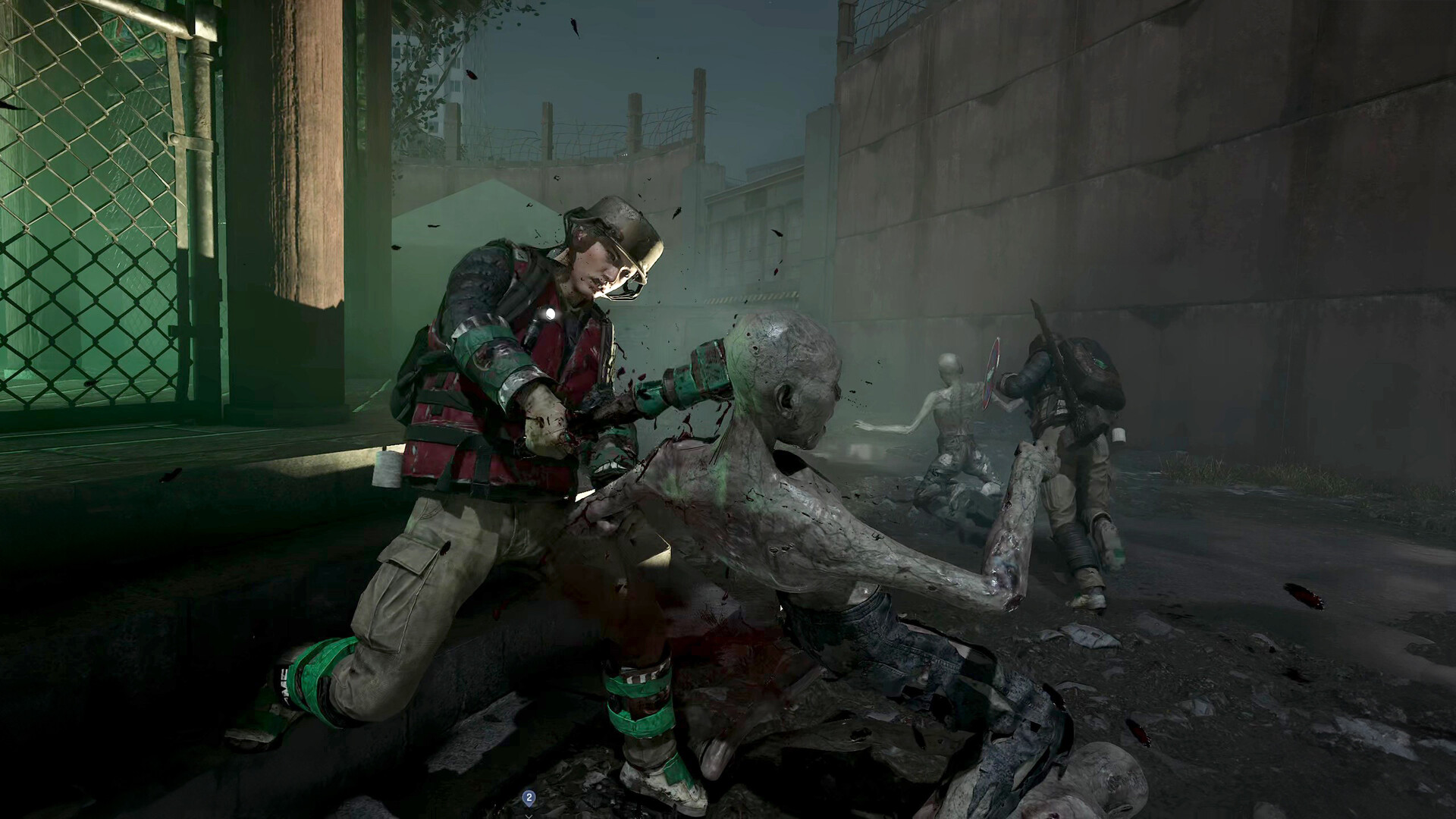
Wound management starts before the wound. The player's first defence is not taking the hit at all, which is why every special infected type confirmed in the closed alpha is described as highly sensitive to noise: the audio-driven AI rewards stealth-based avoidance over direct fights. The second defence is armor, which absorbs damage that does land. Light armor trades raw protection for a quieter movement profile; heavy armor accepts more noise in exchange for taking more punishment per hit.
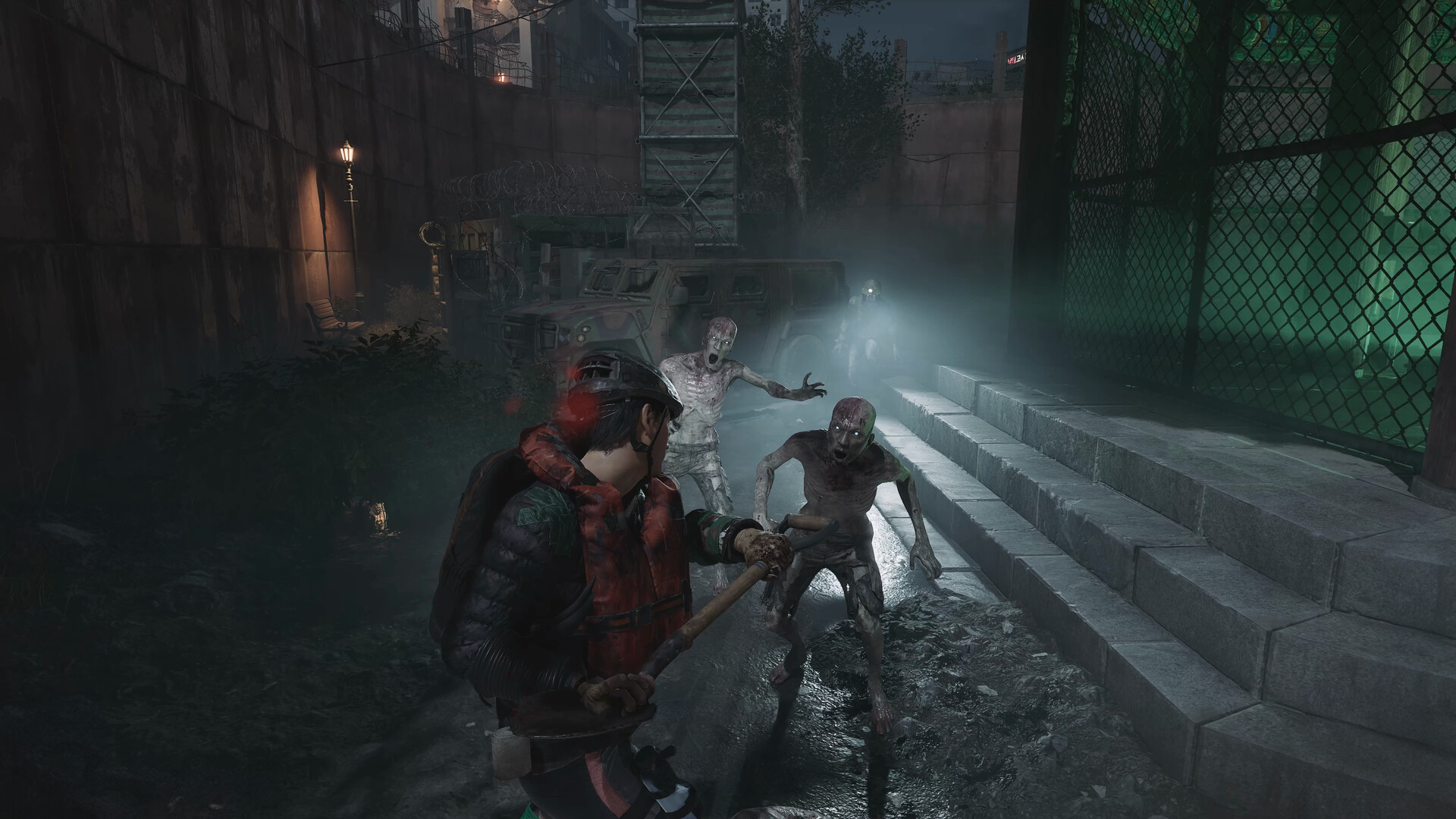
The third defence is the loadout itself. Quiet melee weapons keep encounters local: a kill that does not pull every nearby infected into the fight is a kill that does not generate a long string of follow-up hits. Firearms solve immediate threats but seed the surrounding area with new aggro, which usually means more incoming damage on the way out.
The 110 Skill Traits confirmed in the closed alpha feed into 35 active and passive skills, and the trait sheet is where many wound-related decisions actually live. Specific named traits have not been publicly disclosed, but the broader system supports build directions around damage mitigation, faster recovery, more efficient combat (so the player takes fewer hits per kill), and stealth (so the player avoids fights entirely). Any of these threads fits under wound management as a build philosophy rather than a single mechanic.
Workbenches in the player's shelter, in the day phase of the day-night cycle, are central to recovering from a hard run. They allow crafting and modification of items to boost durability and performance. A scrap bench dismantles unwanted items into materials that feed the next build. The full list of consumables, healing items, and recovery mechanics has not been individually disclosed, but the survival framing of the game and the existence of a shelter loop with workbenches and refrigerators implies that food, supplies, and crafted items play a role in returning the player to full health between expeditions.
Detection cuts both ways for wound management. Rain, one of the four confirmed weather states on the expedition map, muffles ambient sound. That makes it easier for a wounded player to retreat without drawing follow-up attacks, but harder for that same player to hear an approaching threat. Daytime makes a wounded player easier to spot on sight; night reduces visual range but tilts encounters toward sound, which a wounded player is generally less able to manage cleanly.
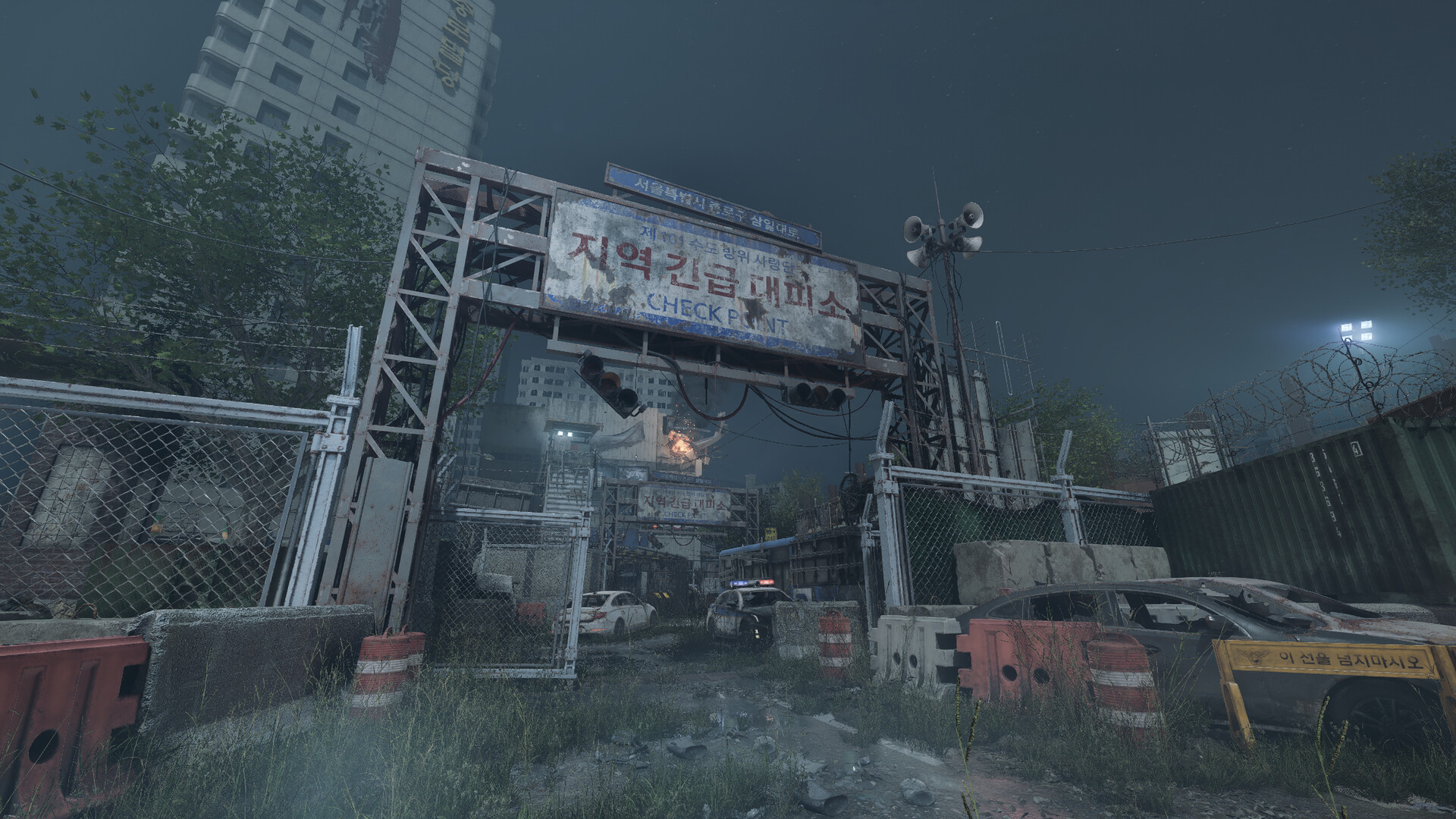
The clearest summary of wound management in this game is that the best wound is one the player never takes. The whole stack of systems (armor, melee weapons, firearms, skill traits, day-night cycle, Last Stand) supports a survival philosophy where stealth, audio discipline, and route planning are worth more than raw firepower. Pulling the trigger is sometimes the right call, but every loud action is a future wound problem.
Specific HP values, specific damage numbers, the numeric thresholds at which each status triggers, specific consumables such as bandages and medkits, the exact mechanics of out-of-combat regeneration, and the rules around revival or assistance from another player in Last Stand have not been publicly disclosed. The named status set, the Injury Severity rule, the unified stamina gauge, and the inventory weight mechanic are confirmed; their numbers are not.
Current to the 11 to 16 March 2026 closed alpha; subject to change in later builds.