Loading...
Loading...
Shelter
May 25, 2026 at 09:32 AM
Add wikilinks to table cells (1 new links)
The shelter is the player's personal living space inside the Yeouido quarantine zone in NAKWON: LAST PARADISE. It is the safe half of the survival loop and the place where every nightly expedition is planned, prepared, and recovered from. The closed alpha confirms shelter as a fully interactive 3D living space rather than a menu, with placeable furniture, upgradeable workbenches, food storage, and persistent gear setup. For wider context, see the overview and day-night cycle.
Shelter activities fill the day phase. During the day, the player is back inside the walls and cannot run into the city; the day window is dedicated to maintaining the shelter, processing the previous run's loot, and getting ready for the next night. The official framing places the player as a refugee inside Yeouido, paying rent on the shelter, climbing a Citizen Grade ladder, and treating the home as the only persistent space that survives between expeditions.
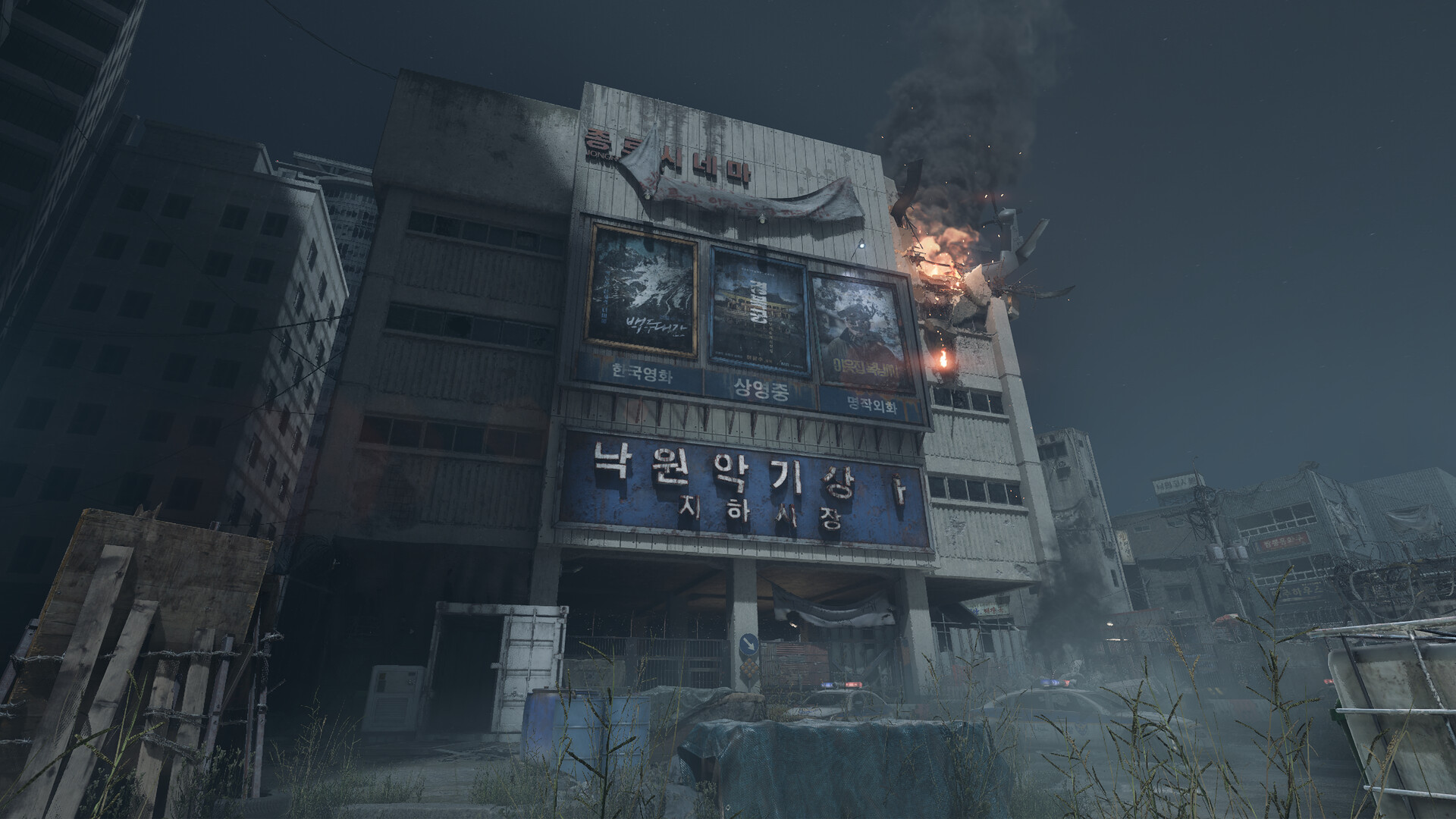
Because items carried into an expedition can be lost on death, the shelter is also the only safe storage in the game. Anything stowed at home is still there when the next day begins; anything carried on a run is at risk until the survivor returns through an exit.
The shelter is a fully interactive 3D room rather than a menu. The closed-alpha press materials describe it as a space where the player can place furniture freely, decorate to taste, and shape the environment they return to each morning. Functional objects sit alongside cosmetic ones, and the two categories interact: a workbench is a piece of furniture in placement terms, but it also gates which gear the player can craft and modify.
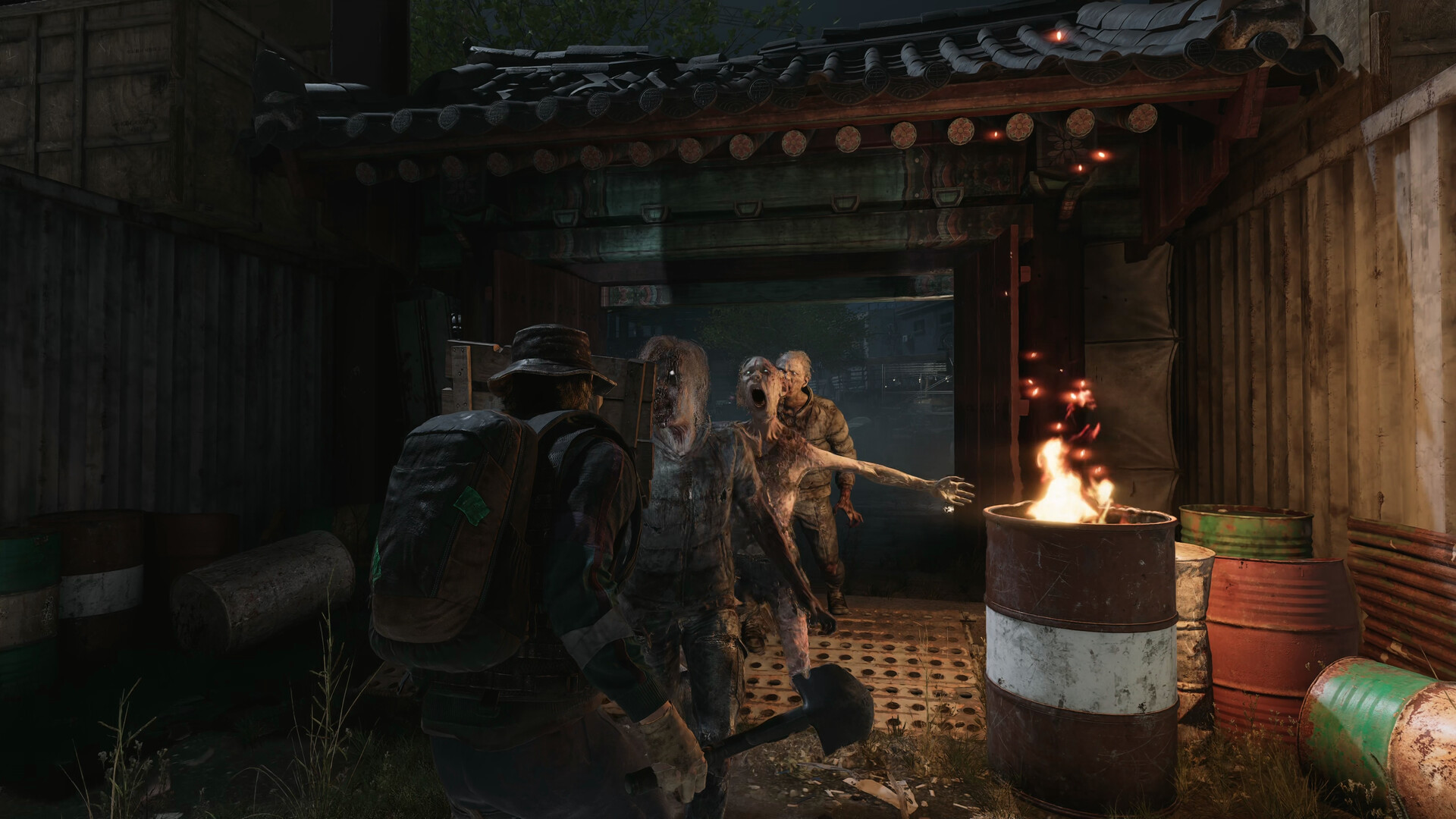
The closed alpha confirms the following shelter fixtures and their functions.
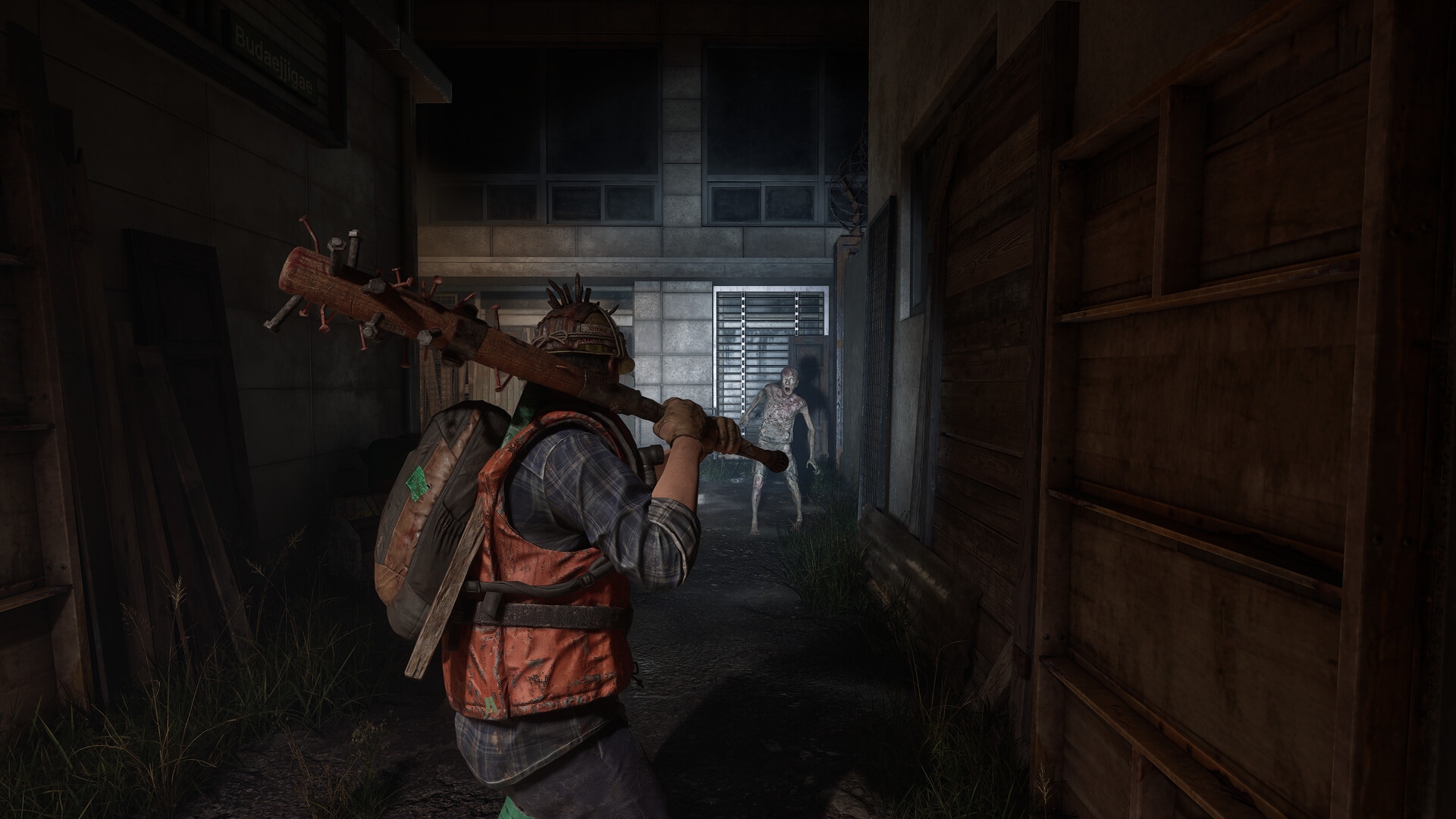
Object | Function | Notes |
|---|---|---|
Craft, repair, and modify items. | Higher workbench levels unlock more types of items to craft and grant additional stats. Multiple workbench tiers are confirmed. | |
Refrigerator | Extends the shelf life of consumable food. | Lets the player carry stored food across more day cycles before it spoils. |
Storage furniture | Stores gear, materials, and consumables between expeditions. | Persistent across runs. Confirmed during the closed alpha; specific capacity numbers have not been published. |
Decorative furniture | Customizes the look of the shelter. | Cosmetic placement does not directly affect combat or expedition stats. |
Shelter sits at the intersection of every other survival system. It feeds armor, firearms, and melee weapons by housing the workbench used to repair, modify, and craft them. It is where the loadout for the next expedition is assembled. It is where consumables used for wound management are stored. The skill traits tree even contains build directions that lean into shelter-side crafting rather than combat, making the shelter a meaningful build target rather than a backdrop.
Money earned from selling expedition loot goes toward two things: rent on the shelter and upgrading the gear and furniture inside it. Falling behind on rent is implied to push the survivor down the Citizen Grade ladder, which restricts which districts and equipment they can access.
The April 15, 2026 Dev Talk and the March/April Q&A confirmed several shelter-side improvements planned for builds after the Closed Alpha. These are stated intentions, not committed dates. Treat them as roadmap context rather than current-build mechanics.
Wall-mounted installations: placement of objects on walls rather than only on floors. The Closed Alpha shelter supported floor placement only.
Interior surface customization: player-controlled choice of flooring, wallpaper, and ceiling finishes, broadening shelter personalization beyond placeable furniture.
Expedition gear loadout inside the shelter: the ability to swap loadout pieces from within the shelter space. The Closed Alpha required the player to manage the next-night loadout through a separate interface.
Usability passes: clearer UI for food expiration on stored consumables, a screenshot mode, and other usability work the team described as ongoing rather than tied to a single patch.
None of these features were available in the Closed Alpha build. Specific timing has not been published; the bullet points above are the public roadmap as of May 2026 and should be hedged accordingly in any reader-facing summary.
Specific furniture catalogs, shelter sizes, and workbench level counts have not been disclosed in detail. The closed alpha used the home as a tangible, decorated space; the dossier reflects that without inventing exact tier counts or named furniture items beyond the ones above. Future builds are likely to expand the catalog.