
Loading...
Loading...
Clans and Homesteads
May 9, 2026 at 09:56 AM
Embedded 3 gameplay screenshots distributed across sections
The clan and homestead loop is one of the three pillar play styles in Huaxia: Warring States, alongside personal combat and the conquest path. A clan is a player-founded social and political unit. A homestead is the physical estate a clan owns, used for crafting, training, recruitment, and administration of nearby counties.
Most playthroughs do not start as a clan founder. The early game has the player born into one of eight family origins, learning a school of thought, and gathering enough resources, retainers, and reputation to declare an independent clan. Once founded, the clan has its own banner, name, and retainer roster.
The clan founding is also a turning point in the simulation: the world begins to react to the clan as a faction in its own right. Other clans take notice, neighbors react with diplomacy or hostility, and the player gains the ability to administer counties and field armies under their banner.
A homestead is the permanent base for the clan. It is built on a chosen plot, usually near a settlement or a strategic terrain feature, and grows from a small estate into a working complex. Construction follows a clear loop:
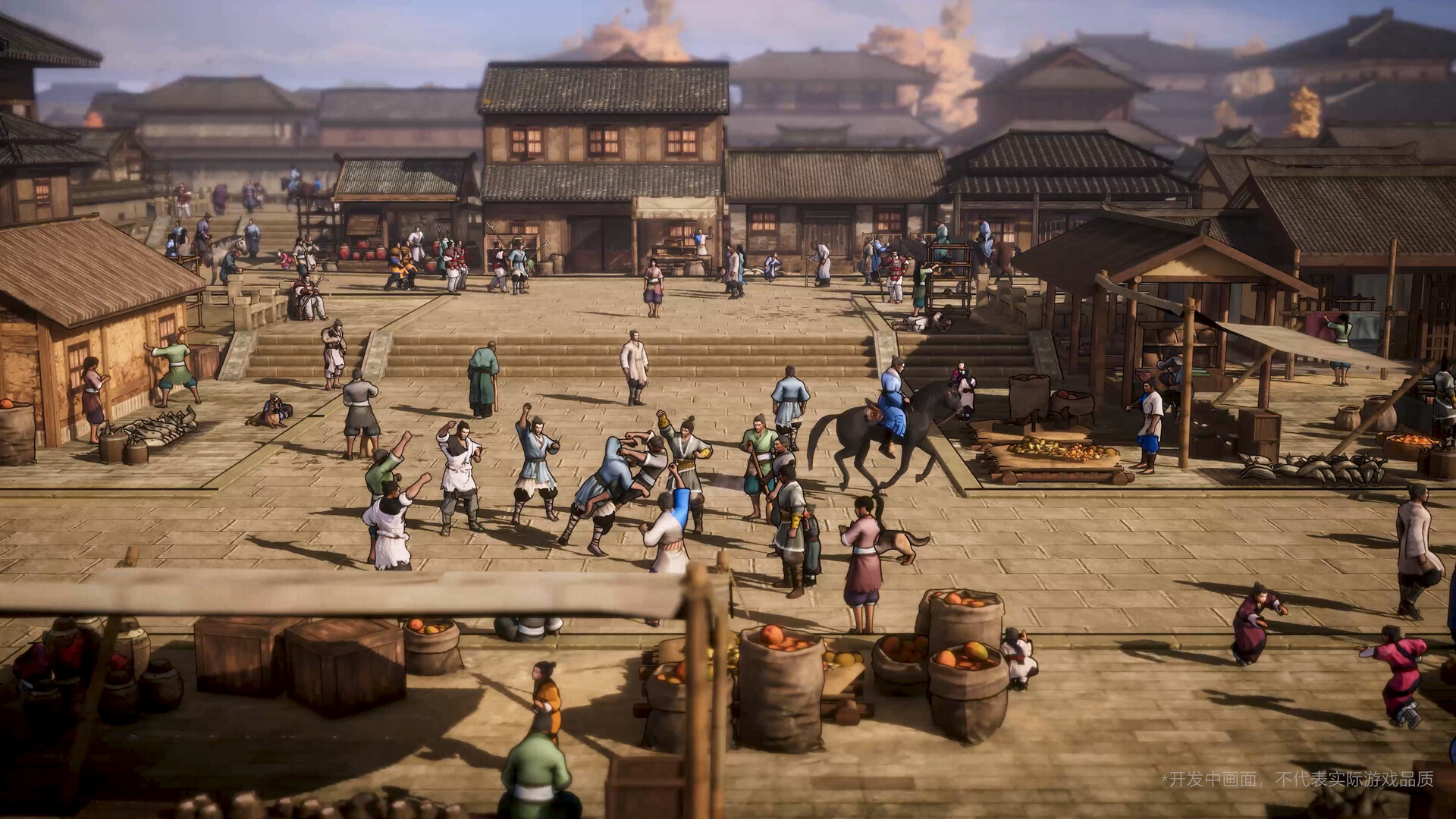
Choose a plot. Plots near rivers, fertile land, or trade routes have different starting bonuses than mountain plots.
Gather materials through hunting, mining, lumber gathering, or trade.
Place foundational buildings: residence, training hall, kitchen, and storage.
Expand into specialty buildings: forge, library, stable, garden, study, ancestral hall, and others.
Recruit servants and retainers to staff each building.
Building | Role | ||
|---|---|---|---|
Residence | Where the player and family live; provides rest and family events. | ||
Ancestral Hall | Central building tied to clan identity, ancestor worship, and clan-wide bonuses. | ||
Training Hall | Train martial arts and improve unit drill. | ||
Library | Study schools of thought, store scrolls, and improve scholar retainers. | ||
Forge | Craft | and armor. | |
Stable | House mounts and breed horses for | . | |
Garden / Farm | Grow food, herbs, or specialty crops. | ||
Storage | Hold gathered materials and harvested goods. |
Specific building lists, costs, and unlock conditions are subject to change between Early Access builds. The structural loop above is the part that has been stable across the launch window.
A homestead is only as productive as the people in it. Retainers assigned to specific buildings or roles boost output, training quality, and administrative capacity. Some retainers are best as field generals, others as scholars, doctors, or smiths. Specialization matters for clan growth.
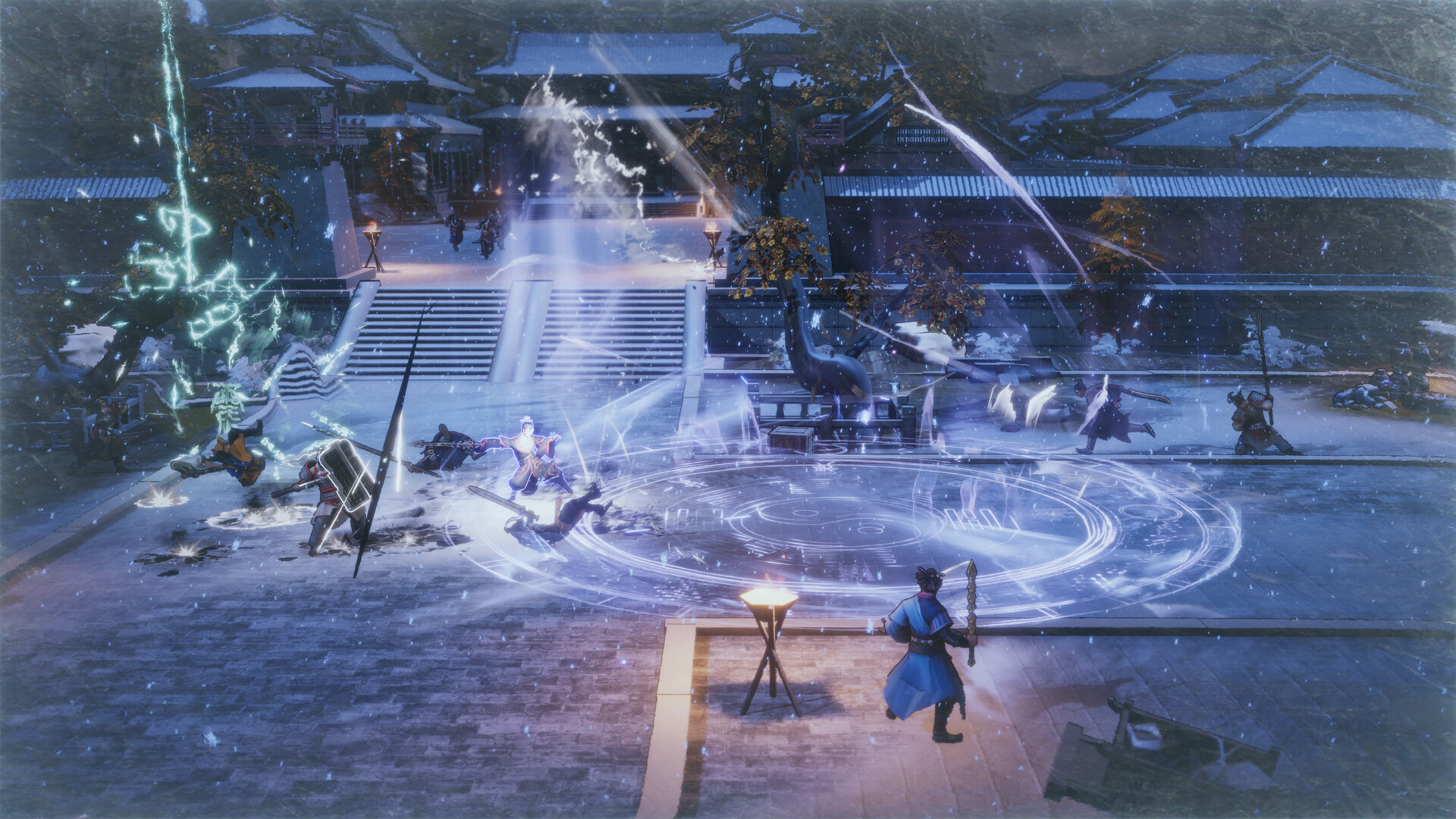
Servants and lower-tier staff are recruited locally and form the day-to-day labor of the homestead. Senior retainers are recruited through quests, school study, or recommendation chains.
Once a clan controls one or more counties through conquest or peaceful means, the homestead becomes the administrative base. Edicts, taxation rates, recruitment quotas, and food storage are managed from the homestead. Mismanagement leads to discontent, banditry, and eventual loss of control. Good administration grows population, taxes, and military strength.
Clans persist across generations. Marriages between the player and notable retainers or rival-clan members affect alliances, and children inherit the clan if the player character dies or retires. Family events are part of the homestead loop, and they intertwine with diplomacy and dynastic strategy.
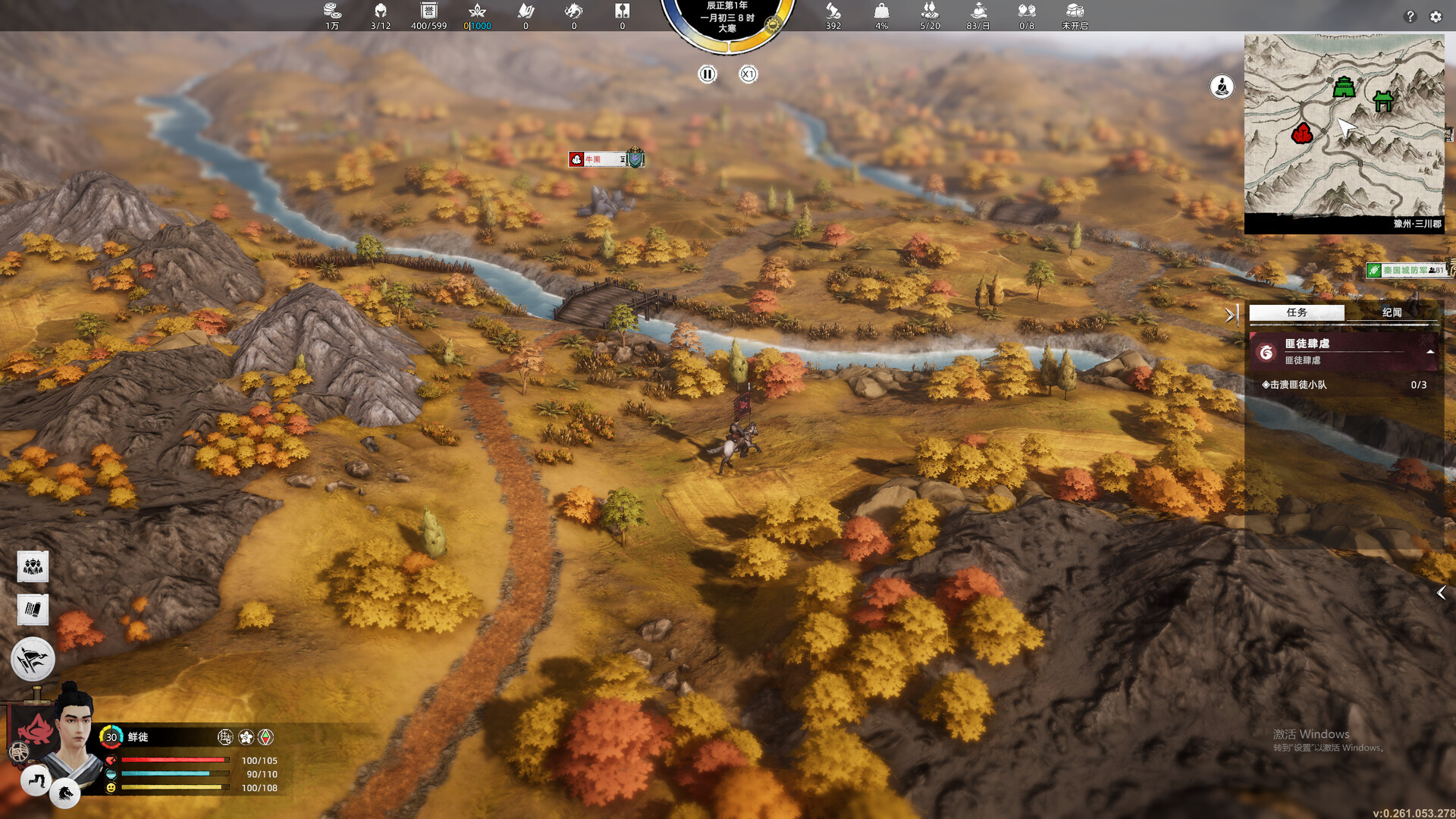
A homestead is not invulnerable. Hostile clans, bandits, and faction armies can siege it during open warfare. Walls, gate buildings, and a trained garrison reduce the risk. A poorly defended homestead can be sacked or razed, costing months of progress.
Conquest: when clan administration becomes empire-building.
Wandering Warrior Path: the alternative for players who do not want to settle.
Retainers: who you recruit shapes your homestead.
Hundred Schools of Thought: school study takes place in the library.
