

The quest system in Fable (2027) is designed around player freedom and choice. Rather than funneling players through a linear sequence of objectives, the game presents its world as an open invitation. After the opening events in Briar Hill, you can travel anywhere in Albion and engage with content in any order. There is no ticking clock or artificial urgency forcing you along the critical path.
The Initial Experience
Playground Games calls the opening of the game its initial experience, and Ralph Fulton has laid out its shape. Roughly the first 90 minutes are played as a child in Briar Hill. The Hero's powers emerge during that stretch, which makes them the hero of their own village and the first Hero in Albion in a generation. Then, in Fulton's words, bad stuff happens: the village is turned to stone, and the Hero's grandmother Samira is petrified by Isabel, the hero introduced at the showcase in June 2026. A time jump carries the Hero into adulthood, and the character creator opens after it.
The road out of Briar Hill runs to Bowerstone and the Heroes' Guild, and the Guild is shut when the Hero gets there. There is an eviction notice on the door. Connor, the Hero's adoptive brother, is the one who gets hold of a key, and the first walk into the Guild's otherwise empty halls is where the Hero meets Humphry the Golden.
That meeting doubles as the studio's worked example of choice at its smallest scale. Humphry asks for a beer. You can fetch it or throw it over him. Fulton is blunt that the second option changes nothing in the long run, but the reputation panel pops up on the spot to record what he now makes of you, and his verdict is that you are an arsehole. The same machinery scales all the way up to consequences that rewrite a settlement.
After the opening the world is fully open. There is no ticking clock and no mandatory route, only a soft implication of where the trail leads next.
Main Story Quest
The main quest begins with the attack on Briar Hill, where Isabel, the figure the game first presented only as a mysterious stranger, turns the hero's grandmother and the entire village to stone. The grandmother's last words point toward Bowerstone and the Heroes' Guild. This provides a soft implication of where to go next, but no mandatory waypoint.
Players are free to follow that lead immediately or ignore it entirely and explore the rest of Albion first. The game director Ralph Fulton described this as removing "ticking-clock pressure" from the narrative. Story stakes are tied to the hero's personal journey and the broader world, but the pacing is up to the player.
The main story revolves around uncovering what happened at Briar Hill, learning about Isabel and what she wanted with a village of stone, and discovering the hero's connection to a larger conflict threatening Albion. Key story threads involve the relationship between the hero, their mentor Humphry, and a former Heroes' Guild student who turned to evil.
Mud and Death
Mud and Death is the first quest in the game to be named publicly. It was the demo Playground Games put in the hands of press and creators at gamescom 2026, and it is set in a once-flooded, now-haunted mine populated by ghosts and skeletons.
Structurally it is a companion quest: the Hero travels with Humphry the Golden, the leader of the Heroes' Guild, who comments on the Hero's equipment along the way. It builds to a Lantern Keeper mini-boss encounter. Whether it belongs to the main story or is a side quest has not been stated, and the demo was described as being set some way into the game rather than at its opening.
The demo also named its destination. Playground Games described the uninterrupted gameplay it showed at gamescom 2026 as the Hero journeying to a place called the Underwall, and players who went hands-on place the caves of the mine on the route toward it. What the Underwall actually is, and how it sits in relation to Bowerstone or to the mine itself, has not been stated, so nothing beyond the name and the direction of travel is confirmed.
Open World Design
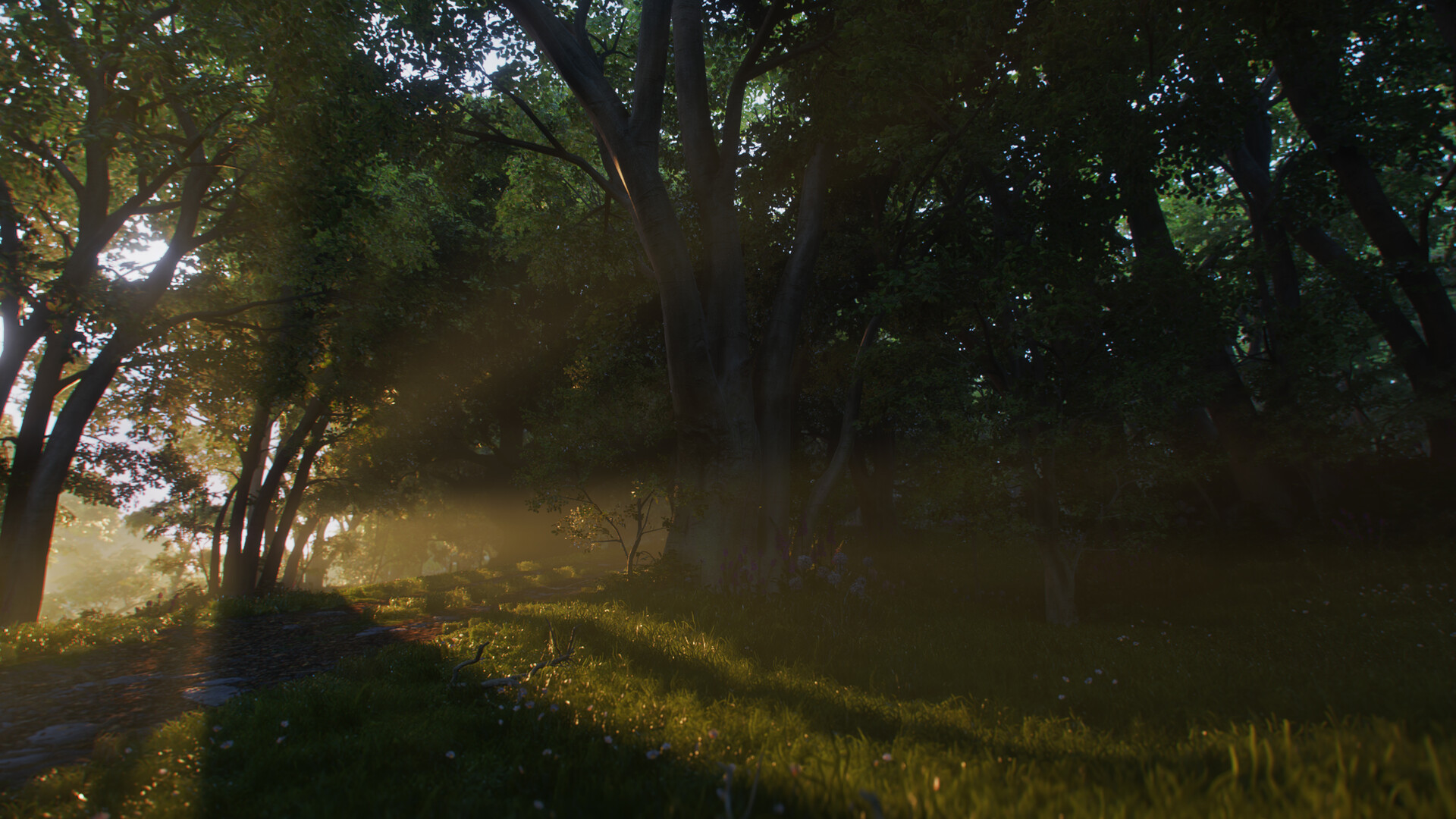
Playground Games has built Albion as a single fully open world rather than a set of separate hub areas. The reboot drops this approach entirely. After leaving Briar Hill, you can walk, ride, or travel to any visible point in Albion without loading screens or invisible walls.
Progression and difficulty scaling accommodate this freedom. The developers have stated that "fun, exciting, immersive things" exist throughout the world regardless of when you visit a region. This suggests some form of level scaling or encounter design that keeps content engaging whether you arrive early or late in your adventure.
Side Activities
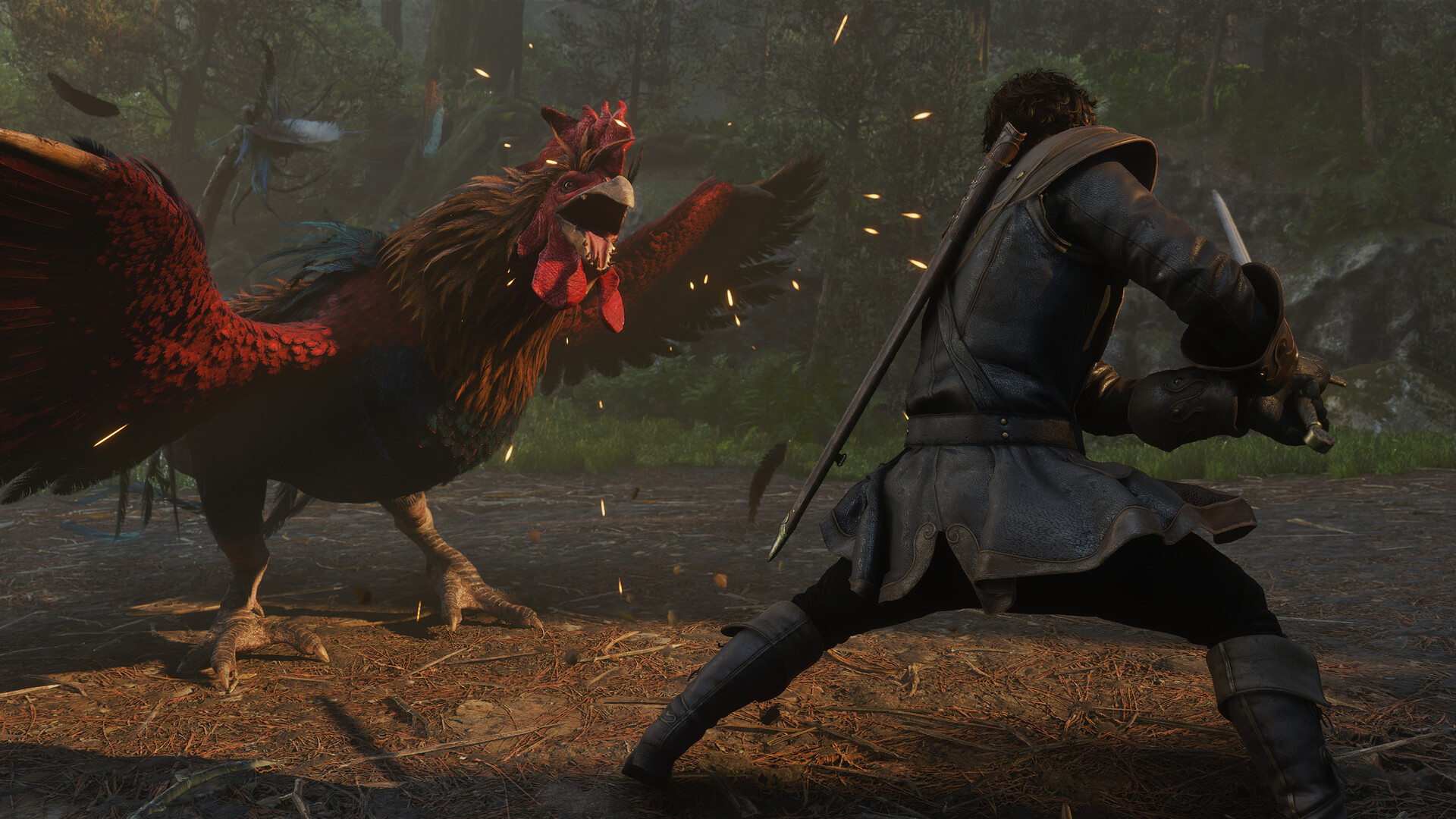
Fable has always been as much about side activities as combat and questing. The reboot continues this tradition with a range of non-combat activities that make Albion feel like a living world:
Activity | Description |
|---|---|
Property ownership | Buy houses and shops throughout Albion. Become a landlord and collect rent, or evict tenants if you prefer. |
Jobs | Take on professions like blacksmithing to earn gold through minigames and skill checks |
Romance | Court and marry NPCs. Marrying more than one person in the same settlement is possible, and someone who works it out can blackmail you over it. |
Family | Have children with your spouse. Family dynamics exist as a long-term gameplay element. |
Reputation building | Your actions in front of NPCs create and modify your reputation. Hire the Town Crier to spread new reputations. |
These side activities are not filler content. They tie directly into the reputation and morality systems, affecting how NPCs respond to you, what prices merchants charge, and whether certain characters are willing to help or hinder your quest.
Playground Games has put rough numbers on how much of this there is. The main story runs around 15 to 20 hours, with a further 15 to 20 hours of side content on top of it, which puts a thorough single playthrough in the 30 to 40 hour range. Neither figure counts the open-ended play around property, business and the settlement population, which has no completion point at all.
Choice and Consequence
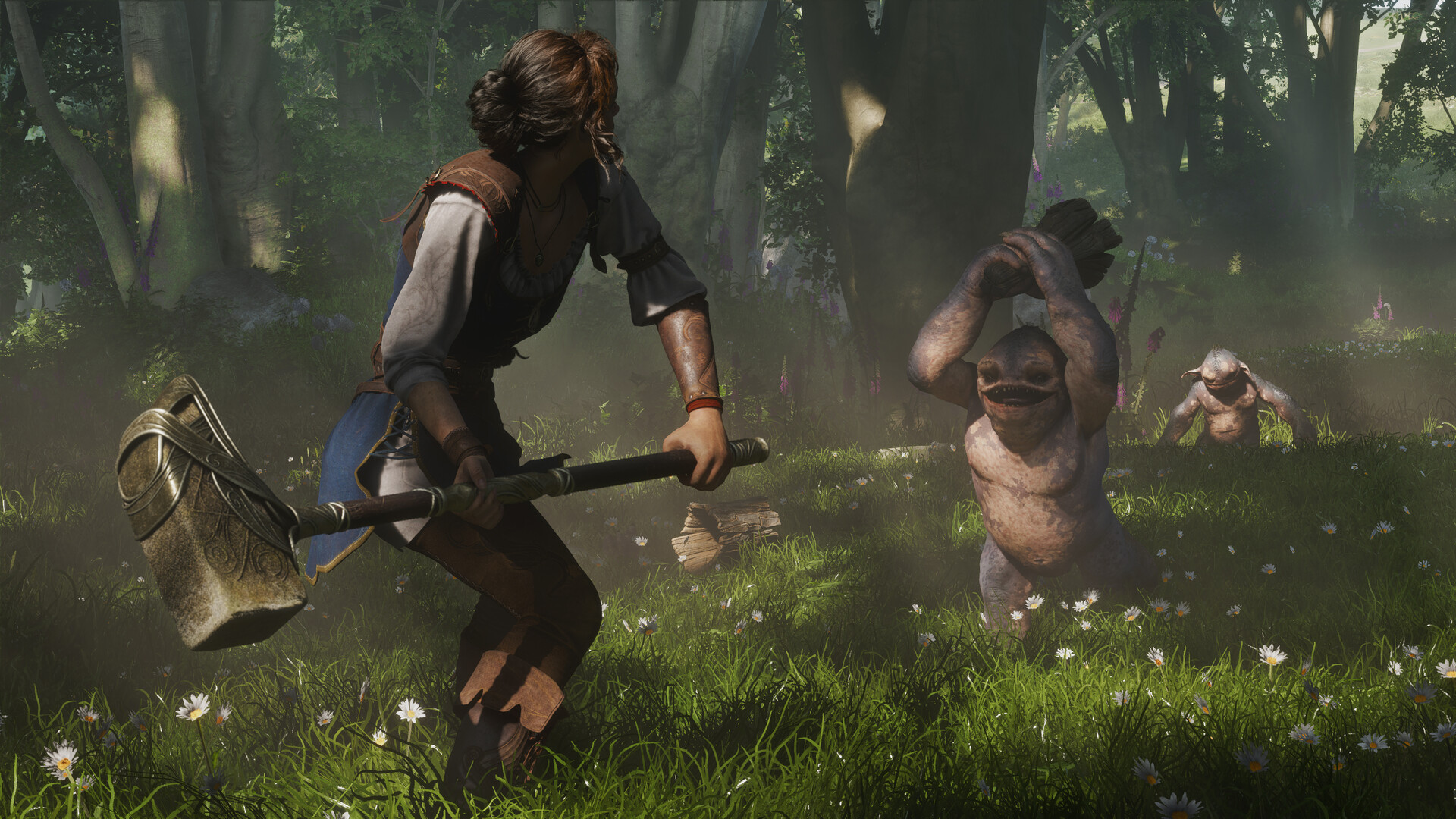
Player choice shapes both the story and the world state. The morality system in Fable is not a simple good/evil slider. Instead, NPCs form subjective opinions based on your witnessed actions. What one character finds reprehensible, another might find neutral or even positive.
Quest outcomes are influenced by these reputations and choices. An NPC who witnessed you help their neighbor may offer information freely, while one who saw you steal might refuse to cooperate. The system creates a web of consequences that makes each playthrough feel different based on how you choose to interact with Albion's population.
NPC Interactions
Playground Games has described Albion as containing approximately 1,000 handcrafted, fully voiced characters with individual roles, daily routines, and evolving opinions. NPCs sleep, work, and travel through their settlements according to schedules. They react to the hero based on their personal knowledge of your actions, not a global morality score.
This density of NPC behavior means that quests can trigger or resolve in unexpected ways depending on your relationship with specific characters. A shopkeeper who likes you might offer a discount or a tip about a hidden quest. One who fears you might close their shop when they see you coming.
Exploration and Discovery
Beyond structured quests and activities, the open world contains discoveries that reward exploration:
Environmental puzzles hidden throughout the landscape
Secret locations and hidden paths off the beaten road
Creature lairs with rare loot and challenging encounters
Lore objects that reveal Albion's history and backstory
Dynamic events that occur as you travel between settlements