

This article is incomplete
Some sections are missing or need additional details. Help improve it by contributing.
Overview
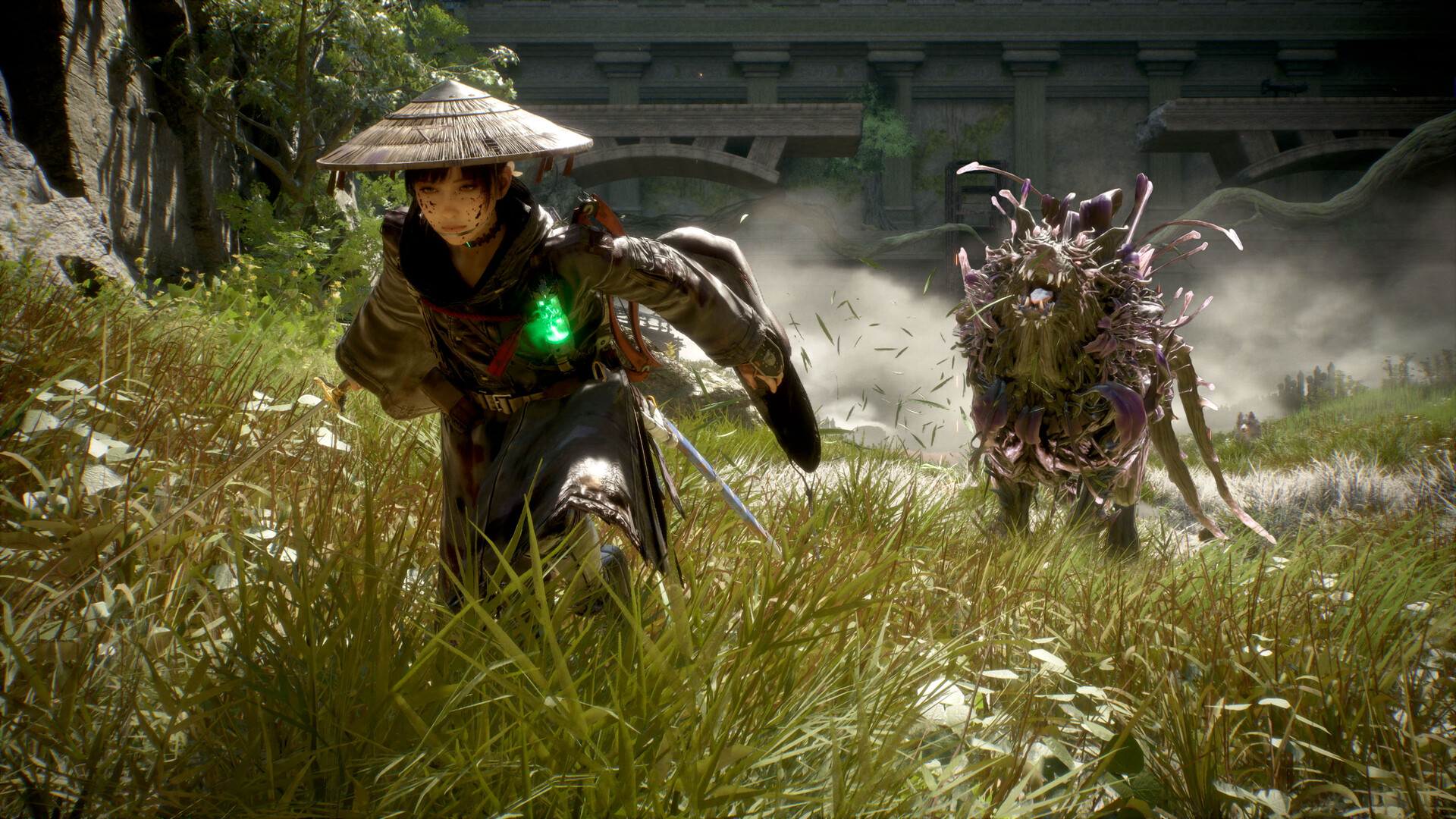
Colonies are the surviving human settlements in Beast of Reincarnation, scattered across the game's post-apocalyptic Japan in the year 4026. These are the last pockets of human civilisation, isolated communities that have endured two millennia of Blight corruption by walling themselves off from the outside world. The game frames the colonies as the final refuges of human life, a fragile network of survivors holding the line against Malefacts and the wider corrupted wilderness.
Function in the World
Ogouchi Colony
Five colonies are named outright across the route. The one the game opens on is Ogouchi Colony, in the Kanto region. It sits alongside the Ogouchi Buffer Zone, the early area where Emma's first Nushi encounter takes place, and the naming makes the relationship between the two explicit. The buffer zone is the cleared ground between the settlement and the corrupted wilderness beyond it.
Ogouchi Colony is also the setting for a flashback encounter early in the campaign rather than purely a safe hub, which fits the pattern of colonies being places Emma passes through and is pushed out of rather than places she settles.
Colonies serve as the human counterweight to the Blighted Forests and Nushi territories that dominate the wider map. Within their walls, day-to-day life continues at a small scale: trade, farming, family life, and local governance. Outside their walls, the The Blight controls the ground, and travel between colonies is dangerous enough that most residents never attempt it.
The settlements are isolated by design and by necessity. Each colony has developed its own customs, its own response to the Blight, and its own relationship with whatever sealing or warding traditions kept it alive through the centuries. How a settlement treats someone carrying visible Blight signs varies, and Ogouchi is the game's worked example of the hostile end.
Named Colonies
Four more settlements are named beyond Ogouchi, one per region as the road moves west. They are working places rather than set dressing: residents to talk to, crop plots, merchants and recipes are all found inside them.
Colony | Where It Sits |
|---|---|
Ogouchi Colony | Kanto region, beside the Ogouchi Buffer Zone; the settlement Emma is pushed out of |
Old Sagami Colony | The Great Wall Terraces, with a campsite on its approach |
Matsukawa Colony | Matsukawa Zone, large enough to be split into a lower colony and an Upper Matsukawa Colony |
Inukami River Colony | Inukami River Zone, where an overseer named Gigi is the point of contact |
Ooi Colony | Giant Tree Zone, reached along the cableway route |
Matsukawa is the largest of them, sprawling over several levels with a library hall at its centre, and it is the only one the game splits into named halves.
Ruins, Subcities and Golem Settlements
Most of what Emma walks through on the road is not a living colony. The Kanto stretch alone holds an abandoned village, a cliffside village, a disposal site, a lookout shack and two numbered underground complexes, Subcity 01 and Subcity 03, and the people who once filled them are gone.
What is left in them is mechanical. Rusted Golems still stand at gates and hand out supplies, a retired gatekeeper still guards a sealed door and hands over the key to it, a foreman still runs a subcity, and an Ancient Golem in the underground ruins still trades stock for Amber. The social layer that used to belong to human settlements has been taken over by machines that outlived the people, which fits the director's framing of Golems as ranking above the surviving humans in what is left of civilisation.
A blocked door in Subcity 03 needs the red, blue and yellow keys before it opens, which is the shape most of these places take: a settlement turned into a lock, with the parts scattered around the zone.
Colony Profile Across the Network
Trait | Detail |
|---|---|
Size | Small. Colonies are villages and minor towns rather than cities. The Capital is the only settlement framed at city scale. |
Defence | Walled. Each colony is hardened against direct The Blight pressure rather than against a rival settlement. |
Economy | Local. Trade happens inside the walls; Amber handles the currency layer at colony vendors. |
Governance | Locally run, in some loose orbit around the Capital rather than a tight political union. |
Attitude toward Blight signs | Varies. Some colonies are described as tolerant, others as openly hostile to anyone carrying visible signs of Blight corruption. |
Emma's Exile
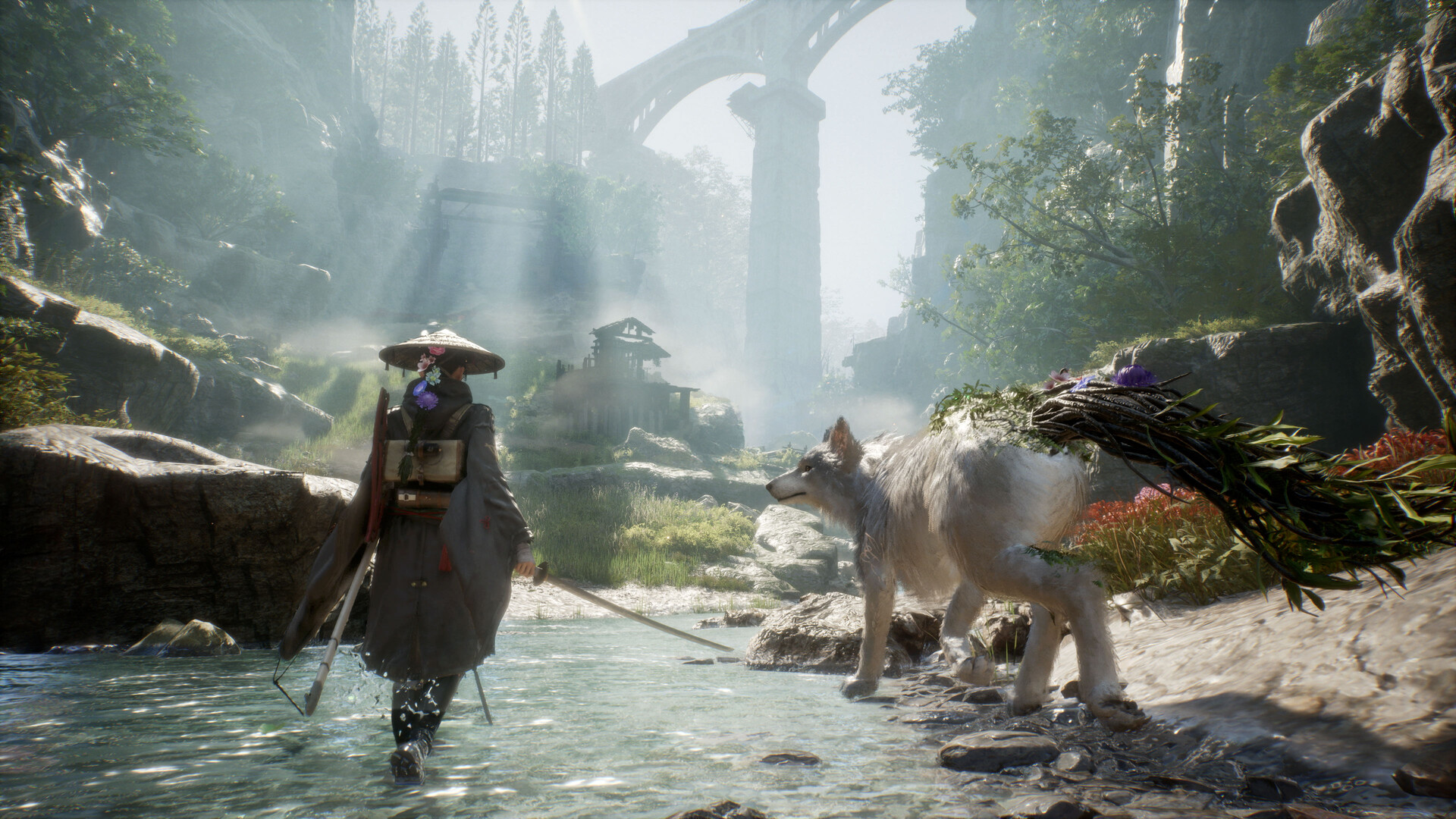
Emma's status as a sealer is the reason she begins the game outside any colony. Her ability to hunt and seal Blight back into corrupted creatures requires that the Blight already lives inside her own body, and the visible plant-vine signs that mark her as a sealer also mark her as something colony residents fear. Emma was pushed out of Ogouchi for exactly that reason, living in the forest outside the settlement and entering only when she was summoned or sent out against Malefacts. The journey toward the Capital is in part a journey to find a place where her gift is treated as a weapon against the Blight rather than as a sign of corruption.
This exile framing keeps the player on the road for most of the campaign. Emma and Koo pass through wilderness, Blighted Forests, and the spaces between settlements far more often than they shelter inside a colony's walls. When a colony does appear, it functions as a hub: a place to talk to NPCs, restock, take stock of the journey, and confront the gap between how Emma sees herself and how colony residents see her.
Relationship to the Capital
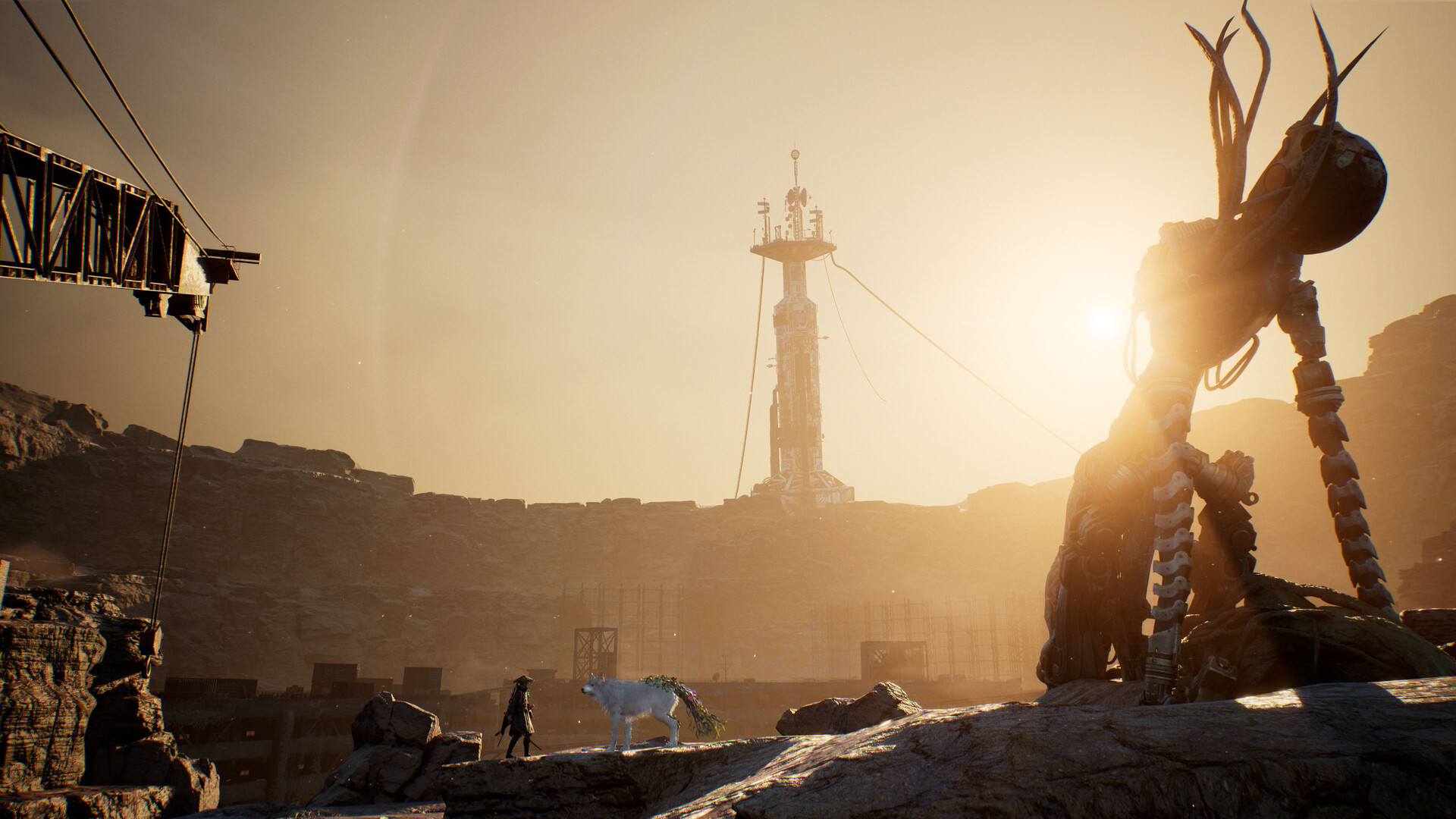
The Capital is the largest human settlement in the game and the destination of Emma and Koo's journey. The colonies are way-points en route, smaller communities along the road west that Emma passes through before reaching the Capital itself. The Capital is where Emma's mission to find and defeat the Beast of Reincarnation comes to a head.
The Capital is the seat of power, and the order that starts the campaign travels out from it to Ogouchi rather than the other way round, which is the clearest statement the game makes about the direction authority runs. Supply lines and defence arrangements between the two are never spelled out.
What the Player Encounters
Trade and resupply. NPCs who handle Amber transactions, weapon repair, and consumable restocks.
Story conversations. Story-critical dialogue that establishes how a particular colony has reacted to the Blight and to Emma's appearance.
Side characters and side tasks. Recurring NPCs who may travel with the player or send Emma on regional tasks tied to local Blight problems.
Quiet beats. Pacing breaks between Blighted Forest delves, where the camera and music slow down before the next wilderness leg.
Cultural variation. Customs, building styles, and attitudes toward sealers shift colony to colony, reinforcing the larger world's fragmentation.
Open Questions
The five named colonies above are the ones the route passes through and the map identifies, but the game does not present a catalogue of every surviving settlement. Colonies are encountered along the route west rather than listed, so the wider network is described in dialogue and environmental detail rather than enumerated. The specifics of how each settlement survived the centuries of Blight pressure are told through what Emma finds in them, not through a stated history.