

This article is incomplete
Some sections are missing or need additional details. Help improve it by contributing.
Overview
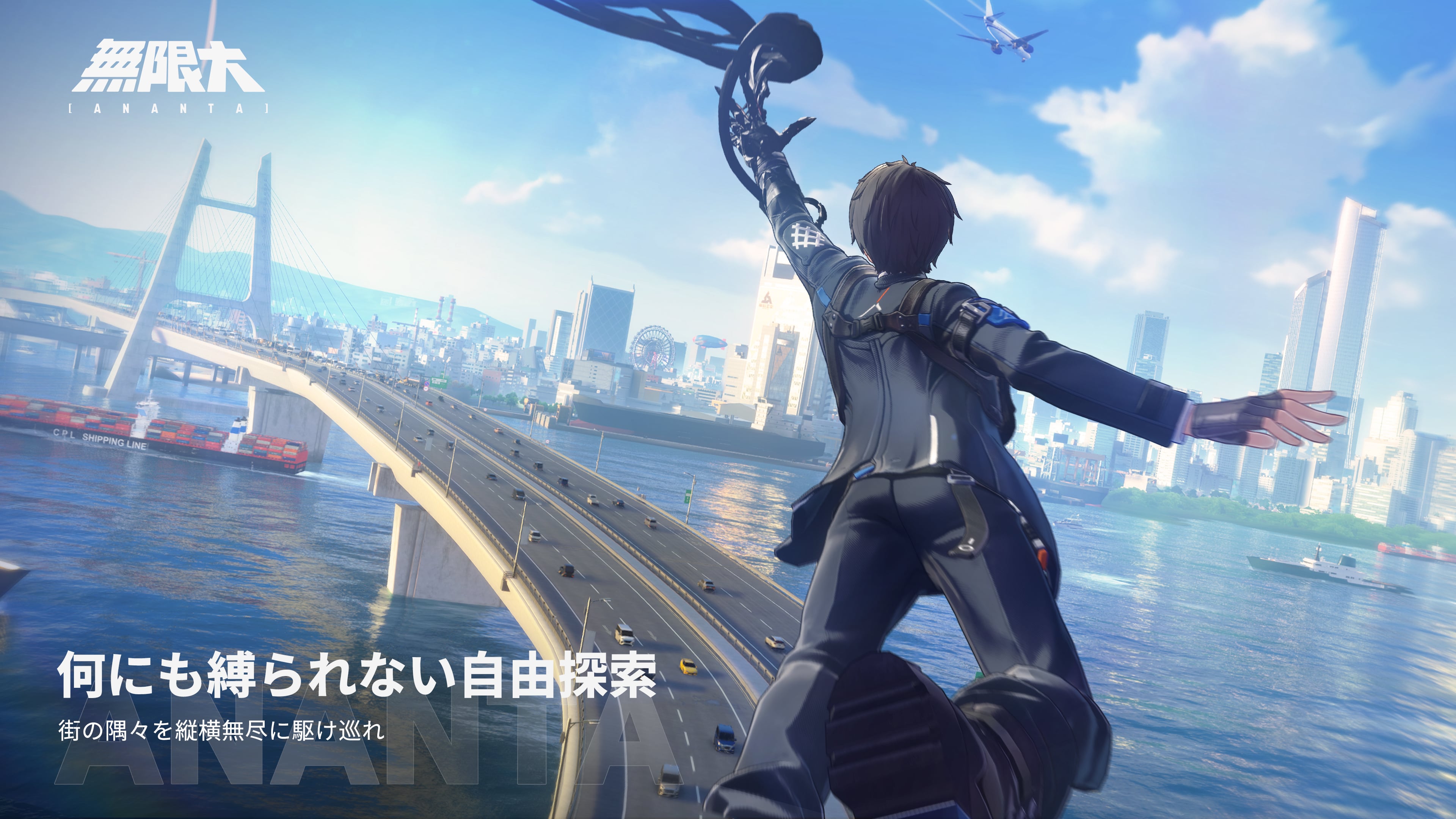
Ananta has a dynamic day-night cycle as one of its core environmental systems. Time passes continuously in Nova City, transitioning between dawn, daytime, dusk, and nighttime with distinct lighting, atmosphere, and behavioral changes across the city. The cycle works alongside the Weather System and the game's district-based world streaming to create an environment that feels different depending on when you visit.
Effect on NPC Behavior
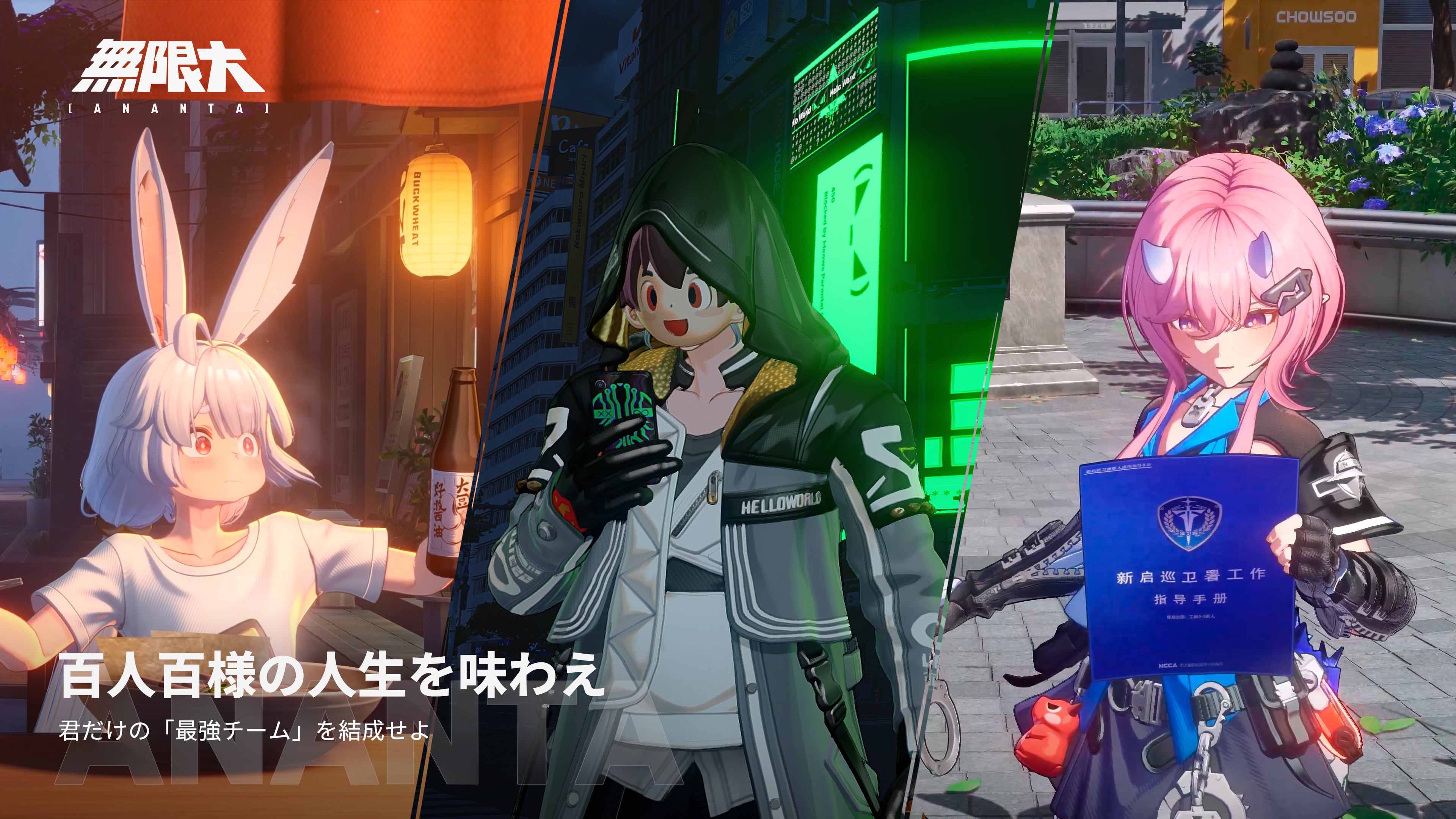
The day-night cycle is not just visual. NPCs in Nova City follow daily schedules that change based on the time of day. A street vendor might be open during morning hours and closed by evening. Office workers commute during rush hour. Bar patrons only appear at night. This NPC scheduling system gives the city a rhythm that shifts over the course of each in-game day.
Playable characters also follow their own daily routines when they are not actively controlled by the player. Through the Team Switching system, when you switch to a character you have not been controlling, the camera transitions to wherever that character happens to be at that moment. They might be at work, eating at a restaurant, or walking home. This means the day-night cycle affects not just the world around you but your own party members' locations and activities.
Visual Presentation
Trailers have shown the same locations rendered at different times of day with dramatically different lighting. Neon signs flicker on at dusk. Street lamps cast pools of warm light after dark. The morning sun throws long shadows across skyscraper canyons. Based on the trailer footage, the lighting model appears to go beyond simple time-of-day tinting, with ray-traced reflections adding to the look on high-end hardware.
The transitions between time periods appear to happen smoothly rather than through loading screens or hard cuts. This is consistent with Ananta's broader approach to world streaming, where moving between Nova City's districts also occurs without visible loading.
What Remains Unconfirmed
Feature | Status |
|---|---|
Cycle duration | How many real-world minutes equal one in-game day has not been publicly stated. Games in this genre typically use cycles ranging from 30 minutes to several hours. |
Manual time control | Whether players can sleep, meditate, or otherwise skip ahead to a specific time of day is unknown. |
Time-locked content | Whether certain quests, events, or Mini-Games are only available during specific time windows has not been confirmed, though it would be a natural fit for the NPC scheduling system. |
Indoor vs. outdoor | Whether the cycle affects interior spaces (lighting through windows, NPC behavior inside buildings) is unclear. |
Related Systems
The day-night cycle is one of several interconnected environmental systems. The Weather System adds another layer of atmospheric variation. Together, these systems mean that revisiting the same location at different times can feel genuinely different, not just in terms of visuals but in terms of who is there and what is happening.
For information on how NPC reactions change based on player behavior rather than time of day, see the Reputation System page.