

Core Design
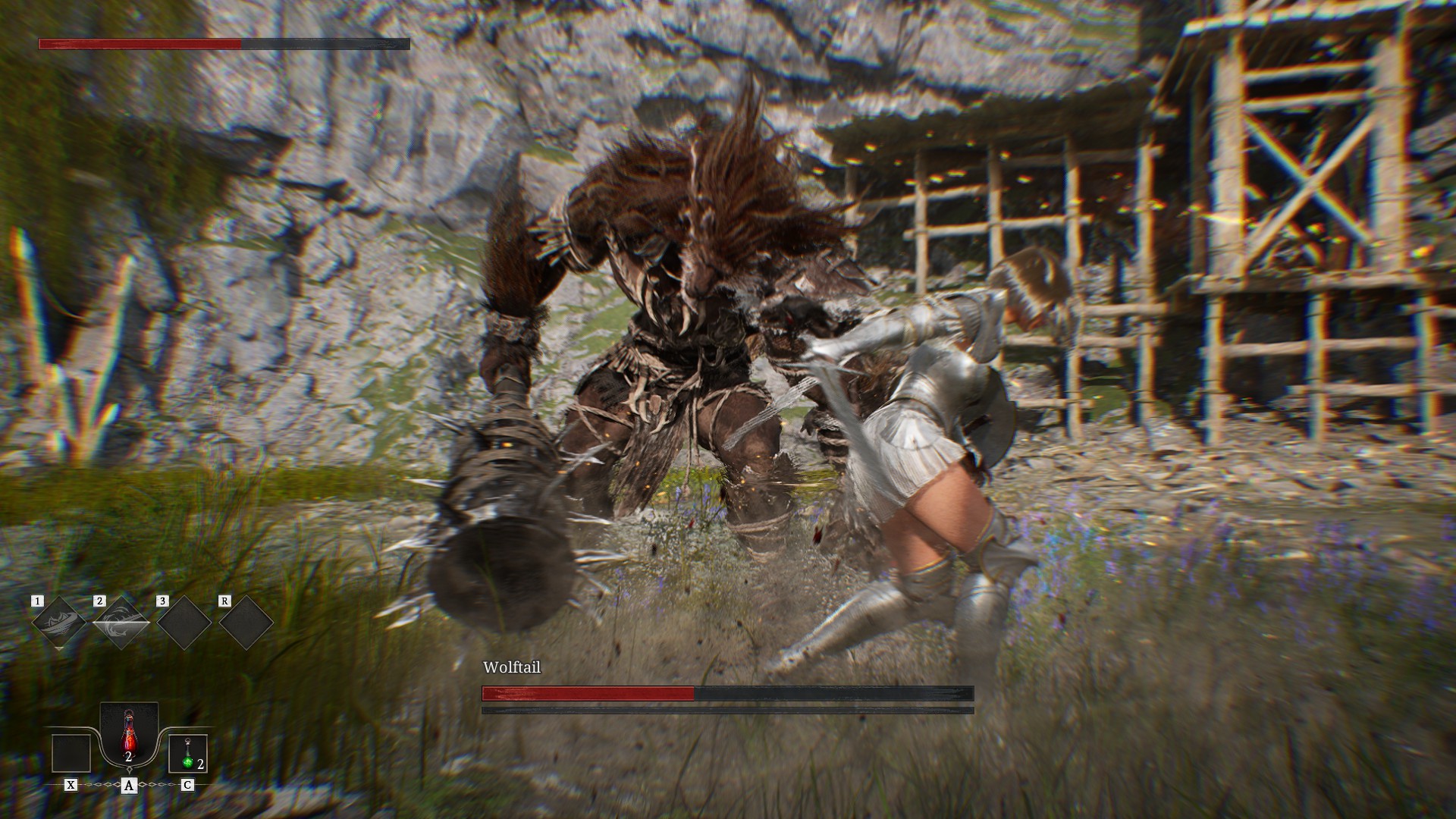
Combat in Vindictus: Defying Fate is built around timed inputs and reading enemy patterns. Each of the four playable characters, Lann, Fiona, Karok, and Delia has a unique weapon, a full combo tree mixing basic (LMB/X) and strong (RMB/Y) attacks, four Active Skills on cooldowns, and a character-specific defensive mechanic.
The pacing is slower and more deliberate than the original Vindictus. Attacks carry real weight and commitment. Mashing through combo strings without watching the enemy gets you killed. The system rewards players who learn boss patterns and respond to openings rather than those who try to brute-force through encounters.
No Stamina
Unlike most Soulslike games, Vindictus: Defying Fate has no stamina bar. Dodging, blocking, and countering are all free to use without any resource cost. The trade-off is that mistiming gets punished harder. Without stamina as a limiting factor, the game expects you to be using your defensive tools constantly and correctly. Active Skills operate on cooldowns rather than stamina, so ability timing and sequencing replace stamina management as the main strategic concern.
Combo System
Each character has a branching combo tree. Inputs alternate between basic attacks and strong attacks in different sequences to produce different combo finishers. Lann has six named combo chains (Gust Sting through Akimbo Slash). Fiona has eight (Rending Beak through Amaranth Kick). Karok has the deepest tree with fourteen named moves including kick chains and aerial sequences. Delia has seven base combos plus Whispering Rose extensions.
Combos are not just damage sequences, they're positioning tools. Some moves advance the character forward, others hold position, and a few create distance. Knowing which combo ends where matters against bosses that punish players for being in the wrong spot after a string ends.
Precision Action System
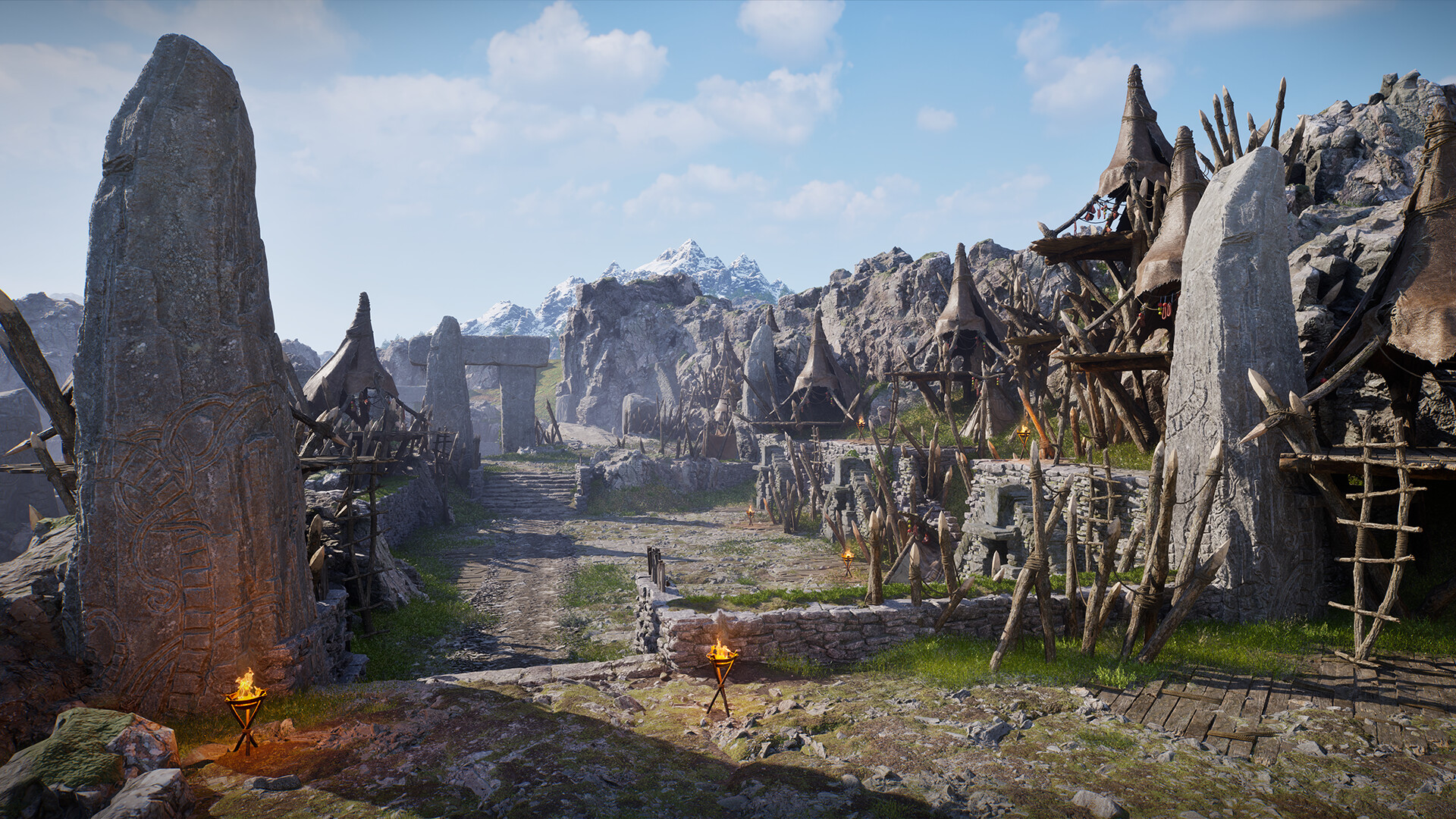
This is the game's signature mechanic. When an enemy attacks, players can time a dodge or guard at the exact moment of impact to trigger a special counter-state. A successful precision input blocks all incoming damage from that attack and breaks the enemy's stance, opening a window for retaliation.
Feature | Description |
|---|---|
Perfect Dodge | Timing a dodge at the exact moment of impact negates the attack and enables a counterattack. Available to all characters but especially natural for Lann, whose Double Dodge lets him chain evasions back-to-back. |
Perfect Guard | Timing a guard at the moment of impact blocks all damage and opens counter opportunities. Fiona's shield makes this her core mechanic. She can also use Heavy Stander for brief full-damage absorption from all sources. |
Clash | Exclusive to Karok. When a boss telegraphs a charge attack, a prompt (E key) appears. Karok locks into a brute-strength struggle, mashing LMB to overpower the boss. During the clash, teammates can attack the immobilized boss freely. Winning a Clash restores 40-50 STA to the entire party. |
Eclipse/Noble Retribution | Delia's timed guard. A successful Eclipse triggers Noble Retribution. A follow-up counter chain (Guard > RMB > TAB) that deals heavy damage. The timing window is tighter than Fiona's guard. |
Most boss attack combos can be countered twice in succession. Learning to land both counters in a string instead of just one is a major damage increase as players improve.
Stagger Gauge
Most enemies, especially bosses, have a visible Stagger Gauge displayed beneath their health bar. Landing attacks fills this gauge. Precision actions fill it faster. When the gauge is full, the enemy loses its stance and stumbles, leaving it vulnerable for several seconds.
The optimal play during a stagger window is to keep hitting the enemy with normal attacks until the stagger is nearly over, then activate a Fatal Action at the last moment for maximum total damage. Burning the Fatal Action too early wastes the remaining stagger time.
Fatal Actions
Fatal Actions are cinematic finishing moves that deal heavy damage. They become available when an enemy's Stagger Gauge is full. Each character has their own Fatal Action animation. These attacks make up a significant portion of total boss damage, so building and spending stagger efficiently is a central part of the combat loop. Different animations play for normal enemies versus bosses.
Attack Indicators
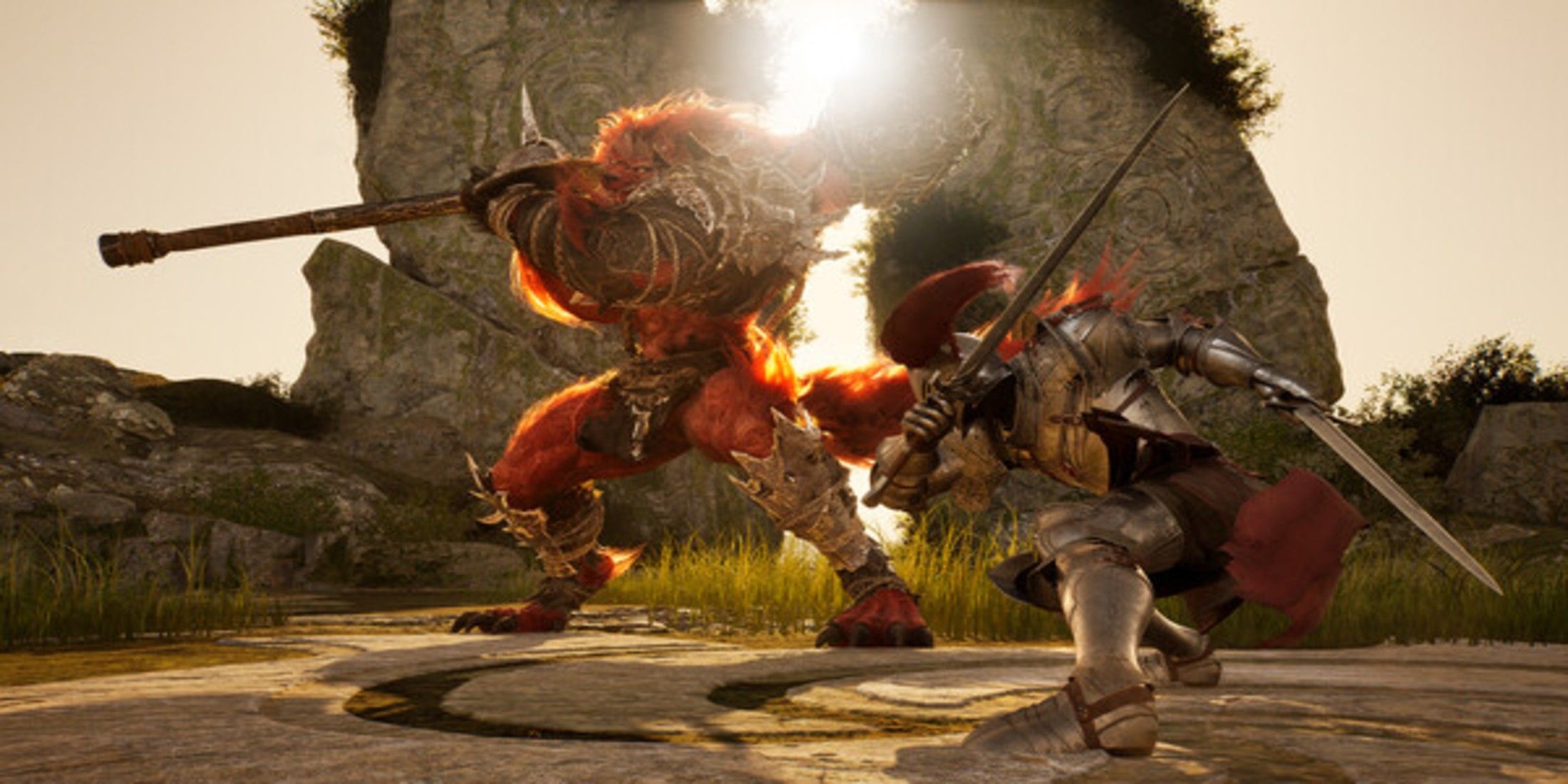
Basic attacks: Standard boss strikes without a colored flash. These can be blocked, dodged, or Perfect Guarded. They are the safest attacks to practice precision actions against.
Yellow flash: Guard Break attack. A standard hold-block will break under the hit, but a precise Perfect Guard still negates damage on guard-class characters. The cleanest answer is to dodge forward and slightly to the side. As of the March 2026 FGT build, guard-class characters can talent into passive nodes that allow a normal block against yellow attacks at the cost of slow trickle damage, providing an easier reactive option for newcomers.
Red flash: The boss's hardest-hitting strikes. In the June 2025 alpha these were unblockable and forced a dodge. Following the March 2026 Focus Group Test, the dev team removed unblockable attacks, so red-flashed strikes now have a defensive answer: a Perfect Dodge of a red flash triggers a stun on the boss and shaves roughly 12 percent off active-skill cooldowns, while a character-appropriate Perfect Guard or parry also avoids damage. Mistiming still hurts because the underlying damage value is unchanged.
Healing
Every player starts with a Flovian Flask: the default recovery item. It can be used during combat and refills automatically when resting at a campsite. There is no other way to recharge it mid-exploration. Capacity can be increased through the Shared Abilities branch of the Progression System. Other consumable recovery items provide temporary buffs but do not auto-replenish and are not restocked on revival in multiplayer.
Players have 5 quickslots for fast item access during combat. Excess consumables auto-transfer to storage when inventory fills.
Multiplayer Combat Adjustments
In Special Missions (4-player co-op), two major systems are disabled entirely: the Stagger Gauge is hidden, and Fatal Actions cannot be triggered. This changes the combat loop significantly. Without Fatal Actions, sustained DPS through normal combos and Active Skills matters much more than stagger management. Difficulty does not scale down if players disconnect. Each player gets two revives per mission.
March 2026 FGT Build Changes
The March 2026 Focus Group Test build refined the combat flow in three notable ways. First, unblockable boss attacks were removed, so every strike from a White Tyrant, Blood Lord, or Gnoll Chieftain Crimsongale now has a defensive answer through dodge, guard, or parry. Color cues still mark damage and stagger pressure, but they no longer mark forced-evasion windows. Second, supplementary combo actions were added to deepen character routines. Third, several enemy patterns were adjusted so that reacting at the right time gives a clearer reward. The dev team reported a measured rise in combat satisfaction across every category compared to the June 2025 Alpha Test. See Precision Action System for the per-color cue rules.
FGT satisfaction data: Post-FGT survey results across measured categories show character action presentation at 84%, finish actions at 82%, understanding of combat mechanics at 78%, impact at 77%, and monster action presentation at 73%. Returning alpha participants singled out enemy-pattern responses (precision actions) as the strongest improvement; first-time players asked for clearer combat tutorials, pathfinding hints, and camera tuning, which the team flagged as the next priority before the next public test.
Difficulty option renamed: The easier difficulty was renamed "Story Mode" in the FGT build, framed as a lighter onboarding option for players who prefer story flow over reaction-test pressure.