

The Relic: First Guardian is out, and it does not hold your hand. This page covers what to understand before your first hour so the game's systems make sense, rather than step-by-step tactics.
Patch First
Before anything else, make sure the game is fully updated. The release build had serious problems: large dungeons failed to unload from memory, which caused framerate drops, texture-loading issues, and in some cases stopped events and boss triggers from firing at all. Six patches landed in the first week and fixed the structural cause, and the cycle has continued at roughly one update every two to three days since, reaching eighteen by 18 September 2026. If you hit a boss that will not move, an event that will not start, an enemy that will not take damage, or an invisible wall, the first thing to check is your patch version, not your build. Almost every one of those symptoms has a named fix in the patch history. See Updates and Patches.
Systems to Understand Early
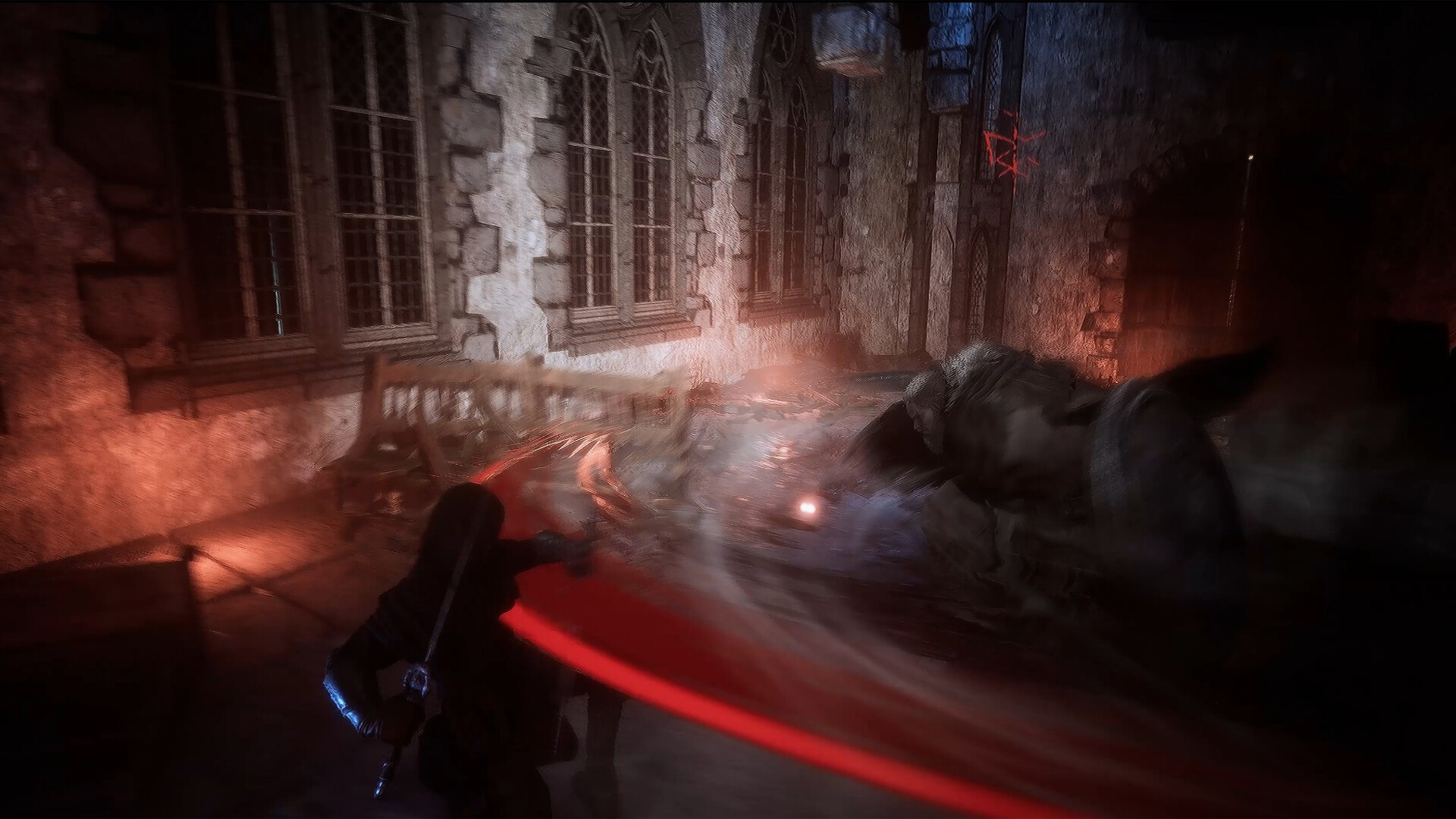
Stamina is for defence, not attacks. Attacking costs nothing at all, so there is no reason to hold back. Save stamina for dodging and blocking, where it is the only thing that matters.
Check which button dodges. Patch 14 moved the gamepad dodge to the right face button and Patch 15 reverted the input settings six days later, so guides recorded in late August 2026 may show a layout that no longer applies. The in-game control guide, redrawn in Patch 16, is the reliable reference.
Skills run on cooldowns. There is no mana pool. Commit skills on timing rather than rationing a resource. High-power magic also draws on a dedicated meter.
Parry as well as dodge. Parrying is a real option and its timing window was widened after launch, so it is more forgiving now than at release.
There are no character levels. You grow through equipment, crafting, Relics, and Runes. Equipping Relics is how you shape your Guardian, and they swap freely, so experiment rather than hoarding.
Relic energy gates your skills. You spend it to equip skills onto a weapon. Ordinary monsters now drop it, and it appears in the world as Ancient Memories, so regular combat funds your build.
Gear is unique. Every weapon and armour piece exists only once in the world. There are no duplicates and no random rolls, so each find is a one-off.
Pick a mastery, then blend. Five weapon masteries and twelve skill trees combine into a class of your own. See Weapons and Skill Trees.
Explore with limited vision. Arsilthus is deliberately dark and you navigate by small, flickering lights. Slow, careful exploration is rewarded with artifacts, secret encounters, and lore.
Early Economy
Two currencies matter early. Gold buys health buffs and other consumables, and it comes largely from abandoned campsites out in the field. Crafting materials come from world chests, which were changed after launch to drop materials rather than gold, and from Elemental Shards scattered across the map. Take both to the Blacksmith to upgrade a weapon rather than waiting for a better one to drop, since there is no better copy of the same item to find. More materials were added across the chapters in later patches, so a fully updated game is noticeably more generous than the release build. One thing to ignore in older guides: a stock of 2,000 relic energy sat at the second fast travel camp from Patch 8, but Patch 14 removed it, so plan on earning that energy from monsters and field pickups instead.
Use the Map
The map was close to empty at launch and is now the most useful tool you have. Patch 12 added dungeons, sealing stone dungeons, boss locations, relic shards and villages, on top of the merchants, buff NPCs, buff priests and caves from earlier patches. Patch 13 layered guide markers for villages, boss encounter locations and sealing stone unlock areas over that, and made location names display directly on the map. Patch 14 unified the sealing stone dungeon icons so they read the same everywhere, and Patch 18 updated boss markers to display once a boss is defeated and marks sealing stone dungeons as cleared once finished. If you are playing on an older save and the map looks bare, update first.
Approaching the Bosses
Combat builds toward the brutals, the game's up to 80 bosses. Each is a tough fight with a tragic story behind it, and the developers are explicit that no two fight alike, so a pattern that beat the last one may not transfer. Because attacking is free, the skill being tested is when you spend stamina on a dodge, block, or parry. Defeating a brutal reveals its tale.
If You Own the Add-On
The Night of the Unextinguished Flame does not activate at the start. Its questline begins out in the world, and a patch moved it so that it now appears by the second fast travel point. It leads to the Sanctuary of the Forgotten Light dungeon and grants a sealstone, an armour set, a Sword & Shield weapon, plus gold, relic energy, and upgrade materials, which makes it a strong early boost. Details are on the Editions and Pre-Order Bonus page.