Loading...
Loading...
Exploration and FTL Travel
June 13, 2026 at 07:09 AM
Updated galaxy scale to the confirmed Early Access launch wording and post-launch tense
Exploration is one of the core pillars of SpaceCraft. The universe is immense, with thousands of solar systems and planets to discover, and you are free to explore it.
You pilot your spaceship and maneuver through space in real time, seamlessly transitioning from the depths of space to the surface of planets. There are no hard breaks between flying in space and approaching a world, so travel and exploration feel continuous.
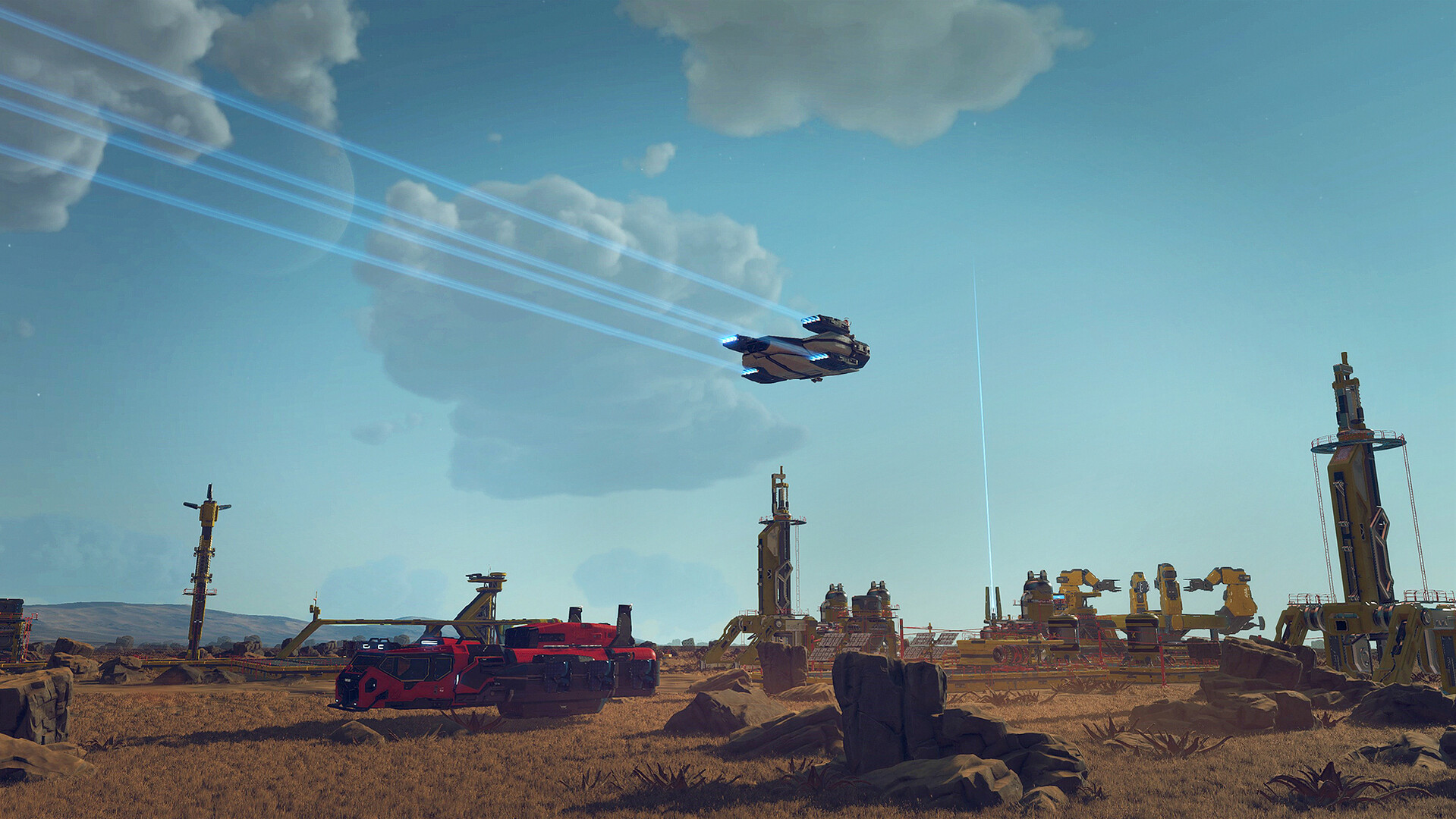
The universe is described as a shared, persistent galaxy that, at the Early Access launch, spans multiple sectors, hundreds of star systems, and thousands of planets to discover. That scale is what makes exploration open-ended: there is always another system to chart and another world to scan. As an evolving Early Access game, the exact extent of the galaxy can grow over time as new sectors and planets are added.
Systems are brimming with points of interest to investigate:
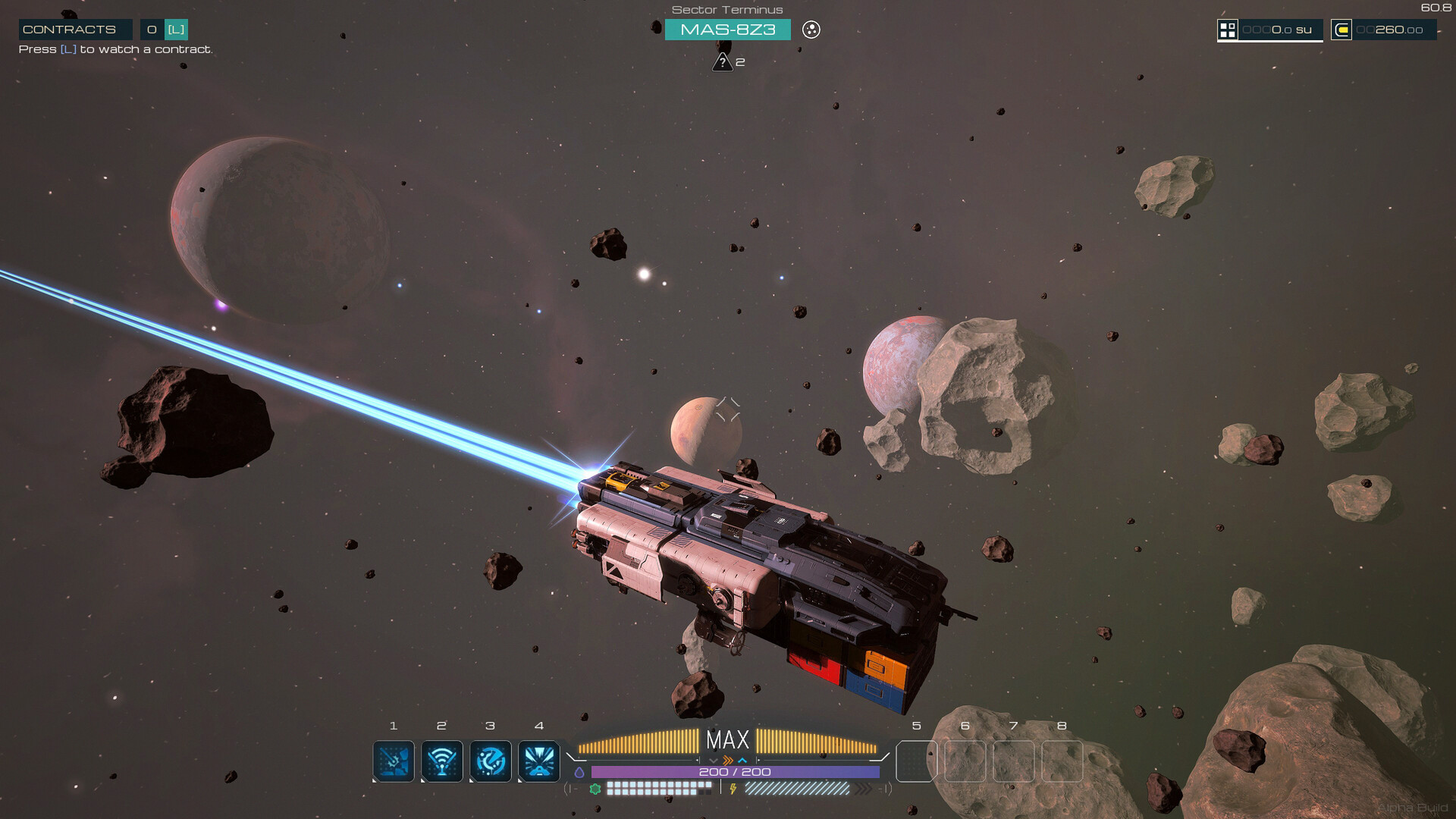
Planets with natural resources ready to be scanned and exploited.
Asteroid fields rich in raw materials.
Abandoned space stations to investigate.
Derelict ships drifting between the stars.
To cross the vast distances between systems, SpaceCraft uses Faster-Than-Light technology. FTL lets you cover great distances in an instant, jumping between distant systems with ease. This is how you move from one explored system to the next as you push outward into the galaxy.
Exploration and resource gathering go hand in hand. As you explore and scan new systems, you reveal valuable resources to extract. Scanning your environment is the first step before you mine, so you know where to point your tools. See Mining and Resources for how extraction works.
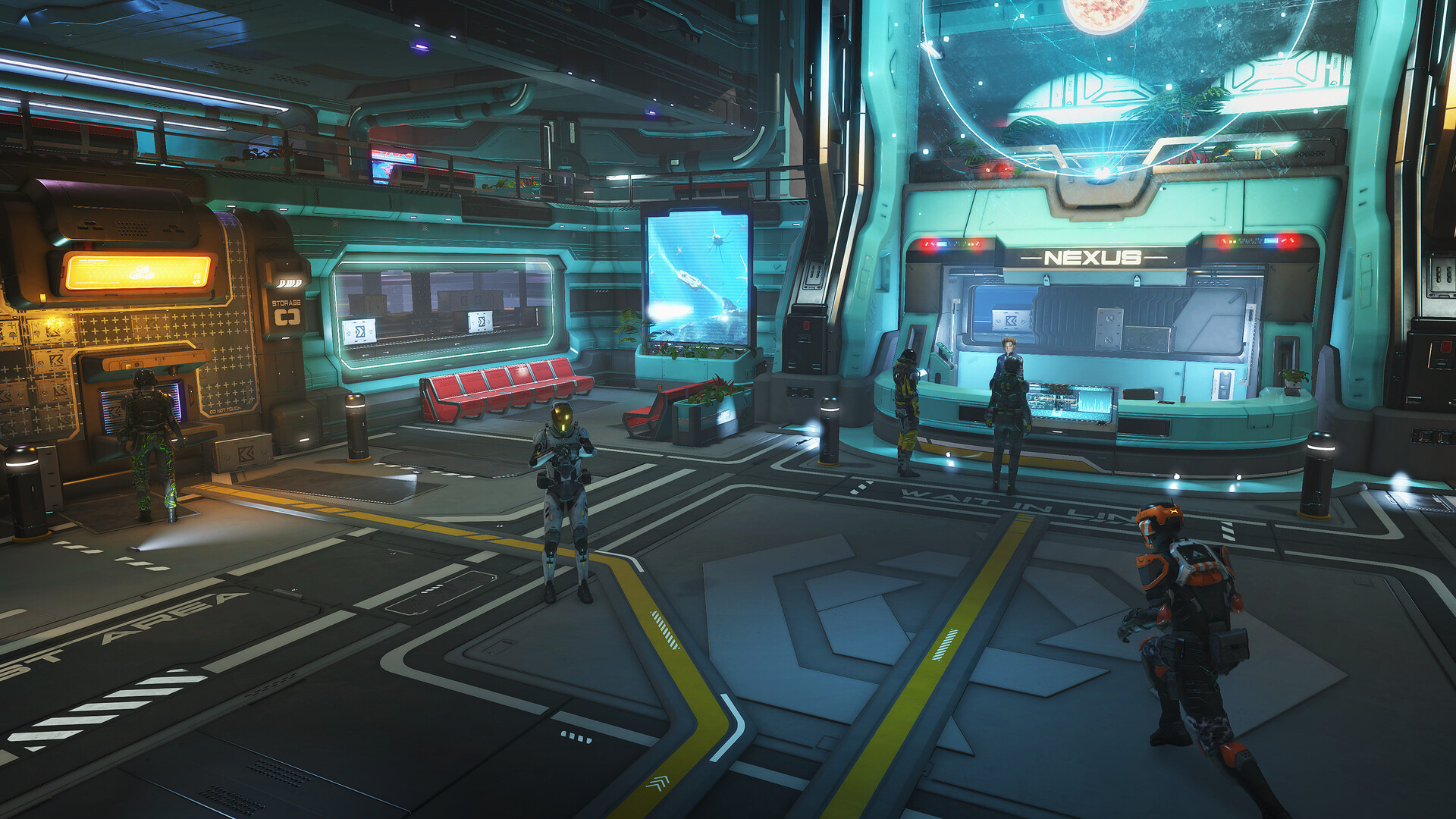
Exploration feeds every other system. New systems mean new resources to mine and craft, new markets to trade in, and new sites for Corporations to expand their logistics. A better ship lets you explore farther, which in turn fuels a larger operation.
Movement between space and planets is continuous. In open space the game uses a universal up and down to keep navigation clear, but on entering a planet’s atmosphere the ship’s orientation has to match that planet’s gravity. A buffer zone gradually shifts the up direction during descent so the transition stays smooth, and leaving a planet is even more seamless since the ship is already facing the sky. You view flight in third person, switching to first person once you are on foot or inside buildings.
Each planet has its own character: a planet has a single biome with different landmarks, and those landmarks can hold rarer, more concentrated resources. Because each world has its own resource set, exploration is partly about choosing which planets to visit for the materials you need. See Mining and Resources.
Faster-Than-Light jumps draw on a dedicated Mag-Plasma (Magnetic-Plasma) reserve on your ship, separate from the battery that powers other modules and recharges in sunlight. Managing that reserve is part of planning long-distance travel. See Ship Building.