

Overview
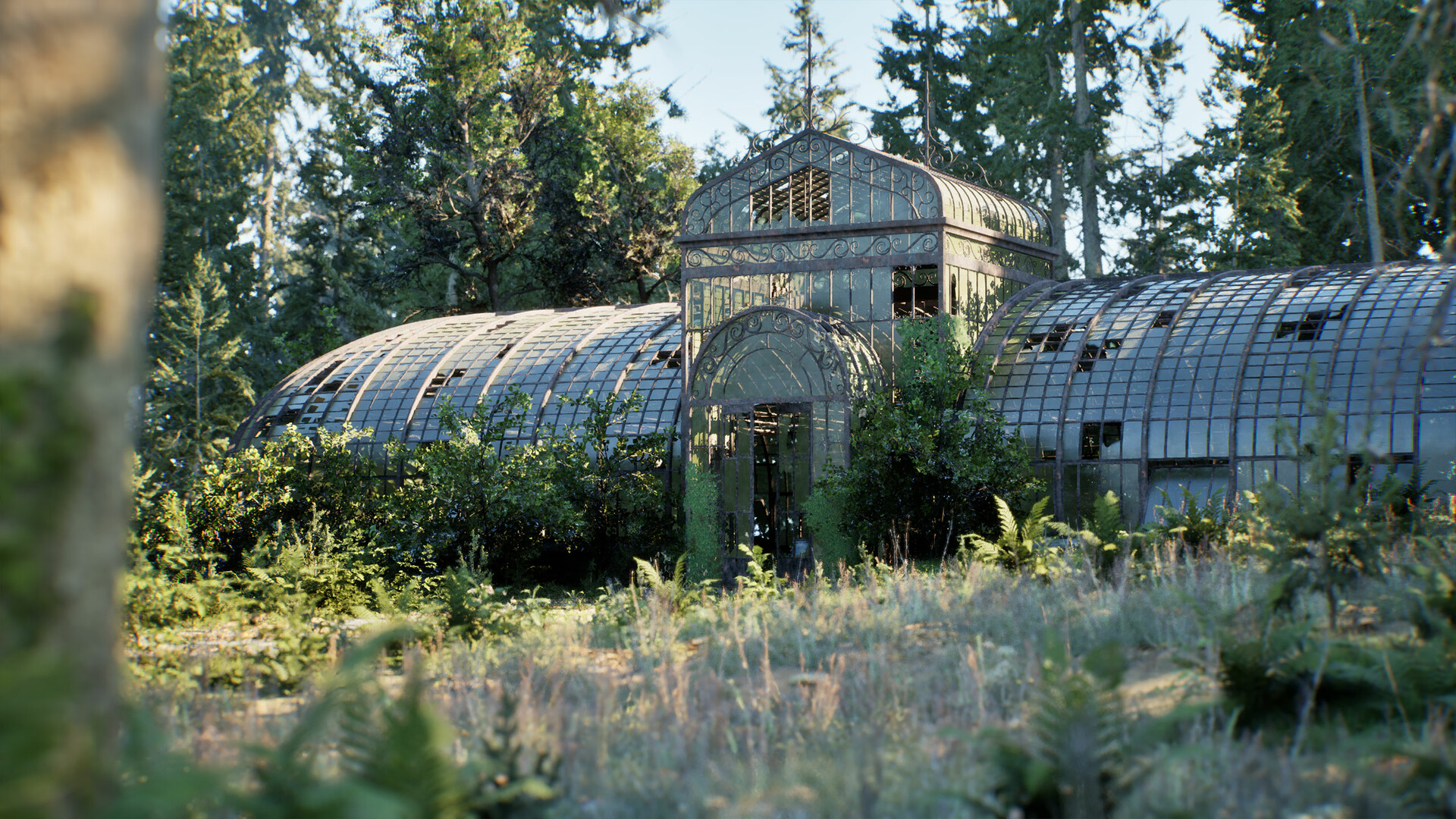
Gardening is one of three primary food management methods in Rooted, alongside hunting and fishing. Farming mechanics were introduced in patch v0.0.2.111 (October 25, 2024), providing players with a renewable source of food and materials and reducing reliance on foraging and hunting.
Farming Mechanics
The farming system allows players to cultivate crops within or near their bases. Plots are placed using the same free-rotation system as other crafted structures, so a garden can fit any base layout. Plants grow over time and can be harvested for food, which lowers the day-to-day pressure of scavenging in dangerous zones.
Crops And Yields
Activity | Inputs | Outputs |
|---|---|---|
Food crops | Seeds gathered from foraging or salvage; cultivated land near base | Renewable food source on a timer. |
Wood farming | Saplings or planted wood plots; same patch as food crops | Sustainable lumber for crafting and base building. |
Wood Farming
Alongside food crops, wood farming was introduced in the same patch. This gives players a sustainable source of lumber without traveling far from base to harvest wild trees. Wood is a primary resource used in crafting and base building, so a steady supply at home reduces the need for risky long-distance trips.
Garden Furniture
Players can craft a Garden Set as part of the outdoor furniture collection, which includes decorative elements for base exteriors. The Garden Set is cosmetic and separate from the functional farming plots used for crop cultivation. Adding the set is a low-cost way to give a base personality without affecting food production.
Seasonal Effects
Rooted features seasonal changes with temperature impacts and visual shifts in the environment. These seasonal cycles are expected to affect crop growth and farming productivity, though the full extent of seasonal farming mechanics is still under development as part of the weather system.
Co-op Considerations
In multiplayer sessions, gardening pairs naturally with cooperative play. One survivor can stay near the base to manage crops and wood while others run salvaging routes, which keeps the food bar full and reduces wasted travel. Shared gardens scale easily because plots are tied to base placement rather than to a specific player.
Tips
Plant a small starter garden early. Even a few rows reduce the pressure of hunting and foraging in the first hours.
Reserve room for wood farming next to your crops. Both share the same care routine and keep base trips short.
Check garden progress whenever you cycle through a base for repairs. Crops are timer-based, so a regular pass keeps yield consistent.
Seasonal Interplay
Crops in Rooted respond to the in-world seasonal calendar. Cooler seasons slow growth and demand species that tolerate temperature drops; warmer seasons widen the practical planting list and shorten cycles. Players who plan beds aware of the season cut waste and keep produce flowing into food management without dead intervals.
Food System Tie-In
Gardening sits beside hunting and fishing as one of three main food paths. Cooked meat from deer, fish caught from traps once Phase 3 deploys them, and harvested plants from beds combine in the cooking system to keep the survivor fed through long sessions. Berries gathered in the open world act as a supplementary food and are not gated by gardening.
Food source | Path | Notes |
|---|---|---|
Cultivated crops | Gardening beds at base | Most predictable yield once routine is set. |
Hunted meat | Deer is the first live wildlife species. | |
Caught fish | Rod fishing (planned) | Listed as planned on the public roadmap; not live in the public build. |
Gathered berries | Open world | Supplementary food; useful early. |
Phase 3 Outlook
The studio committed gardening to the Phase 3 survival pillar in May 2025 alongside hunting and fishing. Expect crop variety, watering or care chains, and integration with weather to continue to evolve as Phase 3 patches land through 2026.
Garden Infrastructure
Farming in Rooted is not just tilled ground. The studio's public roadmap logs a set of buildable garden structures as completed development work, which together turn a plot into a maintained system rather than a patch of seeds. Several of these are tracked as separate cards, and the water and compost entries are among the higher-voted items in the building and crafting group.
Structure | Role |
|---|---|
Box planter | A rectangular tier 1 planting bed, the entry-level container for cultivated crops. |
Barrel planter | A container planter built from salvaged stock, suited to tight base footprints and secured interiors. |
Composter | Converts organic waste into growing material, closing the loop with cooking and food management leftovers. |
Rain collector | Gathers rainfall for garden use, tying crop upkeep to the weather rather than to trips for water. |
Irrigation system | Automatic watering, which moves garden care into the same territory as electricity and automation. |
Tier 1 monitoring system | A crop monitoring readout, giving a status view of a bed instead of manual inspection. |
Natural resource farming | The broader farming framework that wood farming and renewable resource plots sit inside. |
Two further cards sit in the planned column. A tier 1 greenhouse would extend growing into conditions the open beds cannot handle, which matters once seasonal temperature swings are modelled. A flora-based sustenance system would let cultivated and foraged plants carry a larger share of a survivor's nutrition rather than acting as a supplement to meat and fish.
Where Gardening Is Heading
The studio's weekly development logs from mid 2026 described a fully data-driven survival balance, with hunger, thirst, hygiene, temperature, wetness, and fatigue all modelled from one set of tunable values. Gardening feeds directly into that model, so the value of a maintained bed is expected to be defined by the same balance pass rather than set independently. None of that work has reached the public alpha build, which runs on patch v0.0.2.381, so treat the tier progression above as confirmed direction rather than as something you can plant today.