

Overview
Building an effective team in Roco Kingdom: World requires balancing type coverage, energy management, and role distribution across a maximum of 6 spirits per team. Whether you are progressing through the main story, farming dungeons, or competing in PVP, your team composition determines your success. This guide covers the fundamental principles of team building, recommended compositions for every stage of the game, and the current PVP metagame.
Core Team Building Principles
Type Coverage
The element type system governs offensive and defensive interactions between spirits. A well-built team covers as many types as possible with super-effective attacks while minimizing shared weaknesses. Ideally, every common enemy type should be weak to at least one spirit on your team.
Energy Management
Every spirit skill in Roco Kingdom: World costs energy to use. Your team operates under an energy budget of 10 points, which means you cannot fill your team with six high-cost attackers and expect to sustain output over a multi-turn battle. The solution is mixing cheap skills (1 to 2 energy) with expensive finishers (4 to 5 energy). Healers and support spirits typically have lower energy costs, making them natural partners for energy-hungry damage dealers.
Role Distribution
Every competitive team needs a mix of roles. Stacking six attackers leaves you vulnerable to status effects and attrition, while stacking six supports means you cannot secure knockouts. The standard role distribution for a balanced team is outlined below.
Role | Description | Recommended Count |
|---|---|---|
Lead Attacker | High damage output; opens the battle with offensive pressure | 1-2 |
Support / Healer | Restores HP, cleanses status, applies buffs to allies | 1-2 |
Tank | High HP and defenses; absorbs hits for the team | 1 |
Speed Control | Fast spirit that outspeeds opponents; applies debuffs or disrupts | 0-1 |
Type Counter | Flexible slot for covering specific type weaknesses | 1-2 |
Early-Game Team (Levels 1 to 15)
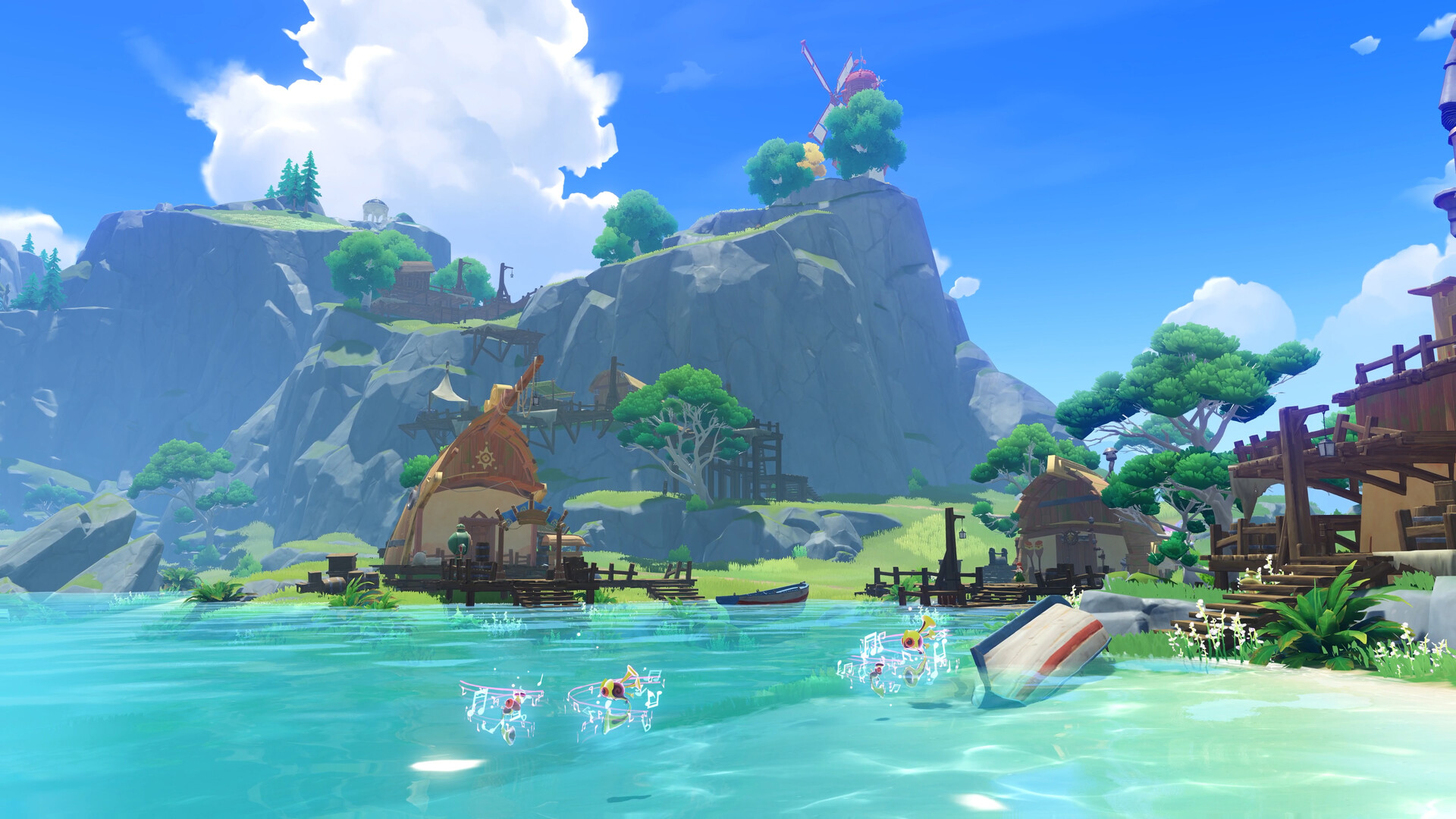
During the first 15 levels, your options are limited by story progression and available captures. The following team composition uses spirits that every player has access to and provides solid coverage for early-game content.
Slot | Spirit | Type | Role | How to Obtain |
|---|---|---|---|---|
1 | Main Starter | Varies (Fire / Water / Grass) | Primary Attacker | Chosen at game start |
2 | Normal / Fire | Versatile Support | Story companion; given automatically | |
3 | Wing / Flying | Speed Attacker + Air Mount | Evolves from Winter Feather Sparrow at level 30 | |
4 | Water | Water Attacker + Water Mount | Required story capture | |
5-6 | Support / Flex | Any | Healer, Tank, or Coverage | Best available from early captures |
This team covers Fire (Dimo), Water (Duck Jiji), Flying (Storm Bird), and your chosen starter element. It provides mount access for both water and air travel, making it functional for both combat and exploration. Fill the flex slots with whatever strong spirits you find during early exploration.
Level 30+ Endgame: Attribute-Themed Teams
Once your spirits reach level 30 and beyond, the game opens up to attribute-themed team building. These teams focus on a single element type and leverage same-type synergy bonuses, specialized gear, and concentrated cultivation investment. Below are some popular endgame team archetypes.
Fire Team
Fire teams prioritize raw offensive power. Fire-type spirits tend to have the highest attack stats in the game, making them ideal for fast, aggressive play. The core of a fire team revolves around a primary fire attacker supported by fire-synergy spirits.
Spirit | Role | Key Strength |
|---|---|---|
Fire God (core) | Primary Attacker | Massive fire-type damage output; high base attack |
Flaming Worm (core) | Secondary Attacker | Consistent damage; good energy efficiency |
Support Spirit | Healer / Buffer | Keeps fire attackers alive; provides attack buffs |
Water Team
Water teams focus on sustain and attrition. Water-type spirits often have access to healing and energy recovery moves, making them excellent for drawn-out battles where outlasting the opponent is the path to victory.
Spirit | Role | Key Strength |
|---|---|---|
Water Spirit (core) | Primary Attacker | Balanced water-type offense with self-sustain |
Hidden Owl (core) | Sustain / Recovery | Lifesteal ability + energy recovery combo; the backbone of water teams |
Support Spirit | Tank / Buffer | Absorbs damage while water cores recover |
The Hidden Owl deserves special mention: its lifesteal and energy recovery combo makes water teams nearly self-sustaining in extended battles. This synergy is what makes water teams competitive against higher-damage archetypes.
PVP Meta Teams (Master Tier)
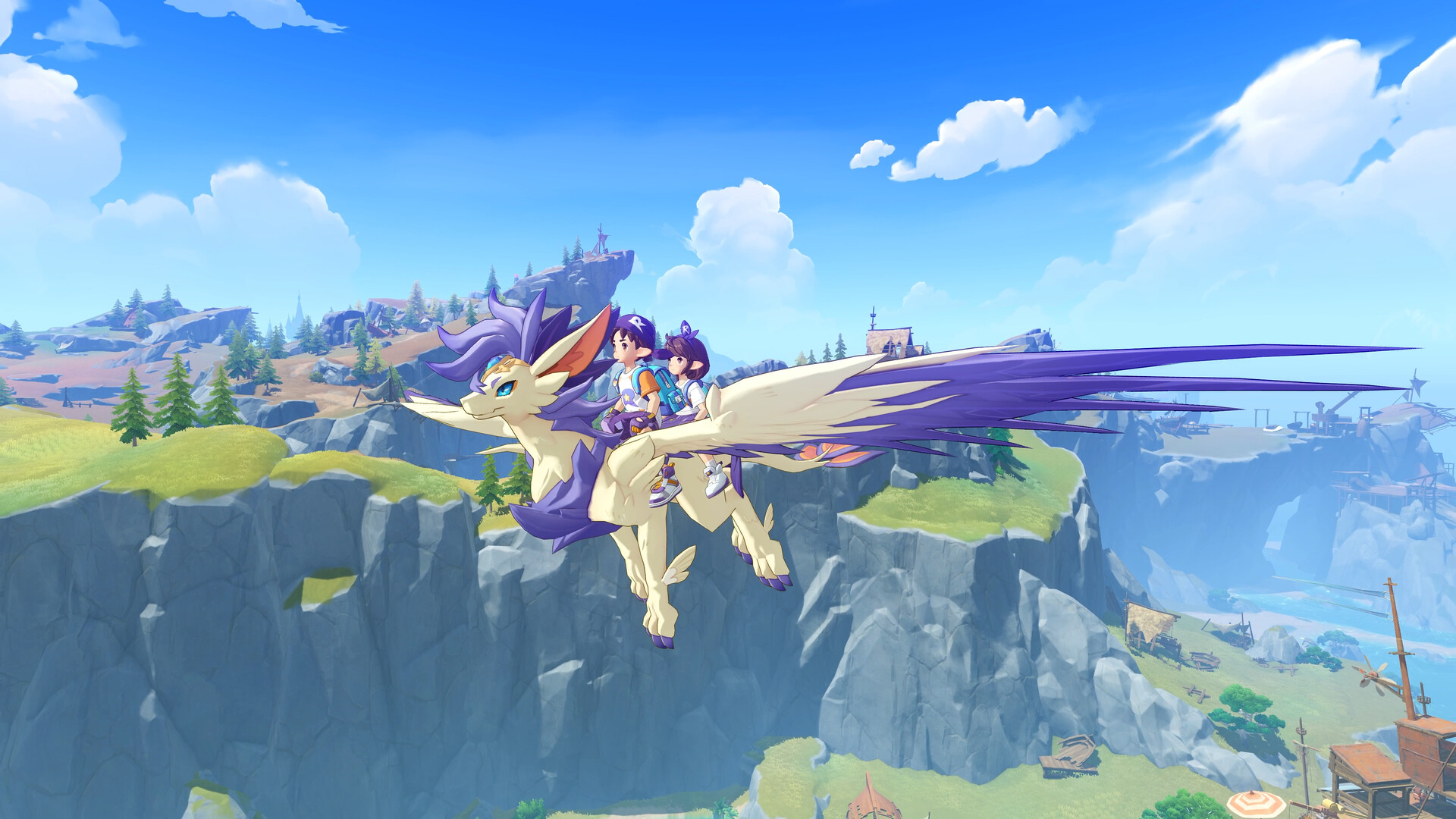
At the highest levels of PVP competition (Master tier), certain team compositions have emerged as dominant. The current meta features teams with approximately 80% win rates built around a core of four spirits with flexible options for the remaining slots.
Meta Core Spirits
Spirit | Chinese Name | Role in Meta | Key Ability |
|---|---|---|---|
天鹅 | Crowd Control + Healer | Strong CC abilities combined with team healing; essential for sustain compositions | |
沉铁兽 | Tank / Frontline | Massive HP and defense; anchors the frontline while cores deal damage | |
冰猪 | Damage + Disruption | Ice-type burst damage with freezing potential; punishes slow teams | |
Fire Dog | 火狗 | Speed Attacker | Fast fire-type attacker; applies pressure before opponents can set up |
Flex Slot Options
Spirit | Chinese Name | Why Include | Best Against |
|---|---|---|---|
Antelope | 羚羊 | Type coverage and speed | Teams weak to Grass or Normal-type pressure |
Wolf King | 狼王 | High burst damage | Squishy teams without tanks; punishes low-HP setups |
龙息帕尔 | Morale manipulation via Evil Thought Exchange | Any team in long, close matches; warps the morale economy |
Notable Spirit Tier Rankings
The following tier list highlights the most impactful spirits for competitive team building. Tier 0 (T0) represents the absolute best, while Tier 1 (T1) represents strong picks that appear in most top compositions.
Tier | Spirit | Chinese Name | Type | Key Trait |
|---|---|---|---|---|
T0 | 松鼠 | Normal | Defensive tank with 700+ base stats; incredibly bulky and hard to remove | |
T1 | 狐狸 | Fire | Balanced attacker with strong offensive stats and versatile movepool | |
T1 | 天鹅 | Water / Ice | Crowd control and healing in one; defines sustain-based PVP compositions | |
T1 | 蒲公英 | Grass | Grass healer with recovery moves and sleep ability; shuts down aggressive leads | |
S-tier | 龙息帕尔 | Dark / Evil | Morale-stealing ability is unmatched; warps the meta around its presence |
PVP Morale Point Management
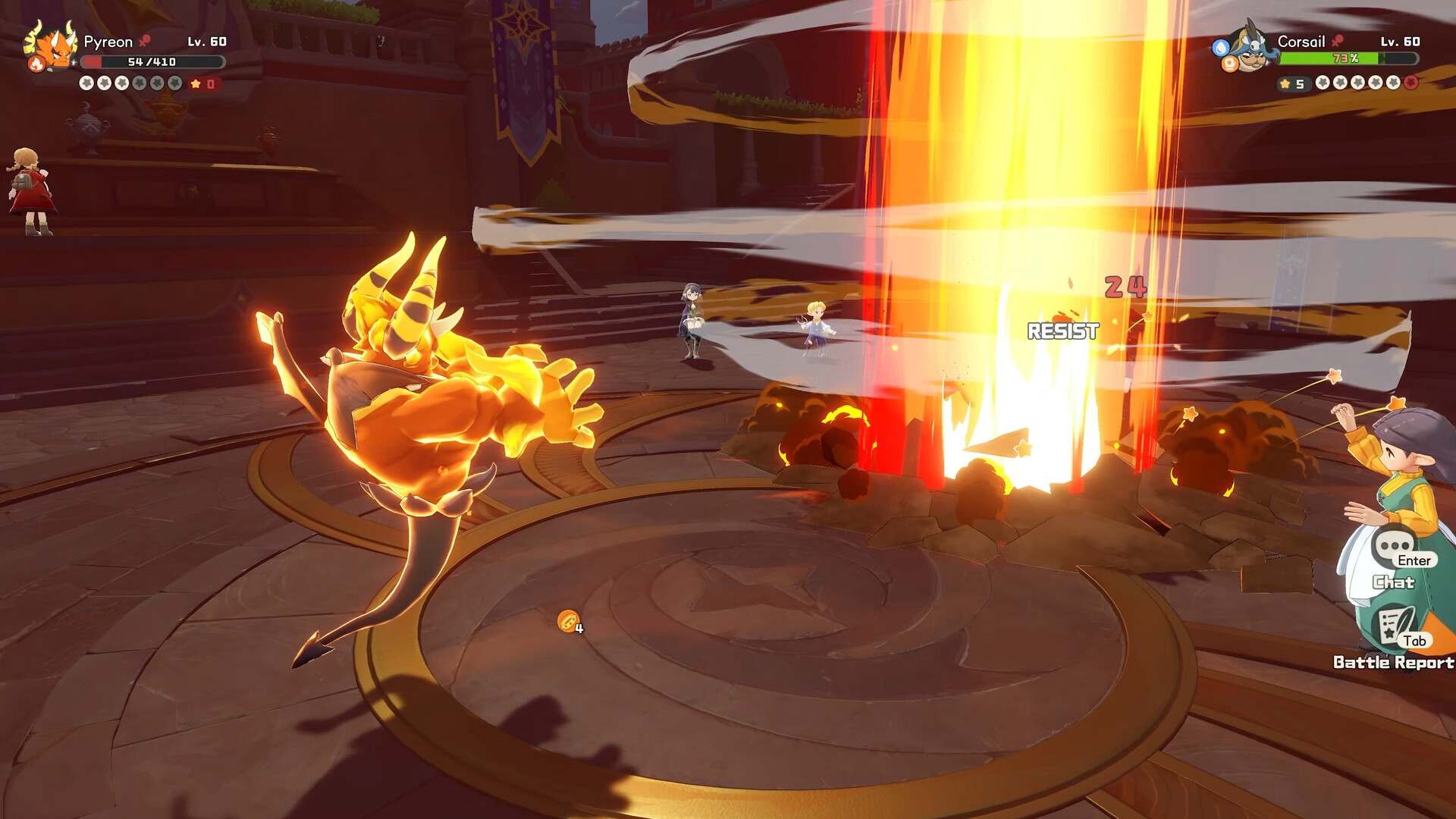
In PVP, each player starts with a set number of morale points. Losing a spirit costs 1 morale point, and the match ends when one player's morale reaches zero. This system means that protecting key spirits is just as important as knocking out your opponent's spirits. Sacrificing a weak spirit to save a strong one can be a valid strategy.
Protect Your Win Condition: If your team relies on one spirit (like Dragon Breath Parasus) for its core strategy, invest in keeping it alive.
Sacrifice Strategically: Sometimes letting a less important spirit faint to gain positional advantage is the correct play.
Count Morale: Always track both your own and your opponent's morale. Knowing when you can trade spirits favorably is critical.
Morale Theft: If the opponent has Dragon Breath Parasus, eliminating it early prevents morale drain.
Weather and Time-of-Day Considerations
The world map has a dynamic day-night cycle and real-time weather system that affect spirit encounters and battle conditions. When building a team for exploration or farming, consider the following environmental factors.
Rain: Strengthens Water-type moves and weakens Fire-type moves. Water teams gain an advantage in rainy conditions.
Night: Dark-type spirits only spawn at night. Teams designed for night hunting should include spirits effective against Dark types.
Fog and Blizzards: Reduce visibility and may alter encounter rates. Bring spirits with high accuracy or guaranteed-hit moves.
Sandstorms: May boost Rock or Ground-type moves. Adjust your team if farming in desert zones during sandstorms.
Territory Trial Composition
The Territory Trial is a special game mode where pairs of spirits share abilities, requiring flexible team composition. In this mode, you need spirits that complement each other when paired, not just individually strong spirits. Consider the following when building for Territory Trial.
Pair an attacker with a support spirit so the attacker benefits from healing or buff abilities while the support benefits from offensive moves.
Avoid pairing two spirits with the same type; you want each pair to cover different matchups.
Tank-attacker pairs are effective because the tank's durability gives the attacker more turns to deal damage.
Test pairings in practice mode before committing to Territory Trial matches; some ability combinations are synergistic while others conflict.
Tips
Always keep your energy budget in mind. A team of six 5-energy spirits will run dry before the battle ends.
Diversify your spirit types to avoid being swept by a single counter-type opponent.
In PVP, study the meta and build at least one team that can handle the core meta spirits (Swan, Iron Beast, Ice Pig, Fire Dog).
The early-game team of Main Starter + Dimo + Storm Bird + Duck Jiji + flex is tried and tested; do not overthink early team building.
Endgame teams benefit from focused investment; pick one attribute theme and max out those spirits before spreading resources thin.
Check your spirit natures before investing; a bad nature can significantly reduce a spirit's effectiveness.
See Also
Combat System - Turn-based battle mechanics and energy system
Spirits - Complete spirit list
Element Types - Type chart and matchup reference
Spirit Cultivation - Training, leveling, and stat optimization
PvP and Shining Contest - Competitive PVP modes
Natures - How natures affect stat growth
Territory Trial - Pair-based battle mode
Dragon Breath Parasus - Season 1 legendary and PVP powerhouse