

Overview
Fire and death are gameplay elements in Paralives designed to bring drama, danger, and consequences to the lives of Parafolk. House fires can break out during everyday activities, spreading from object to object if not contained. Death can result from fire, smoke inhalation, hunger, or old age. These systems are part of the Live Mode features available at Early Access launch.
A key design principle is that dying is not an interaction that players can trigger by themselves. Death occurs through the game's autonomy system when certain conditions are met. This ensures it always feels like a natural consequence of gameplay rather than a deliberate player action.
Fire Mechanics
House fires in Paralives start when certain activities go badly wrong, most commonly when cooking goes very badly. Once a fire begins, it can spread from the initial object to other nearby objects, creating a growing hazard that demands immediate attention.
The fire system includes dedicated visual effects that depict flames engulfing objects and spreading through rooms. As a fire grows, the dynamic music system responds with fire-specific music that slowly builds to indicate the growing danger. The music intensifies as the situation worsens and only stops once the threat has been fully resolved. After a fire is extinguished, a short, sad musical cue plays to reflect the loss of the player's belongings.
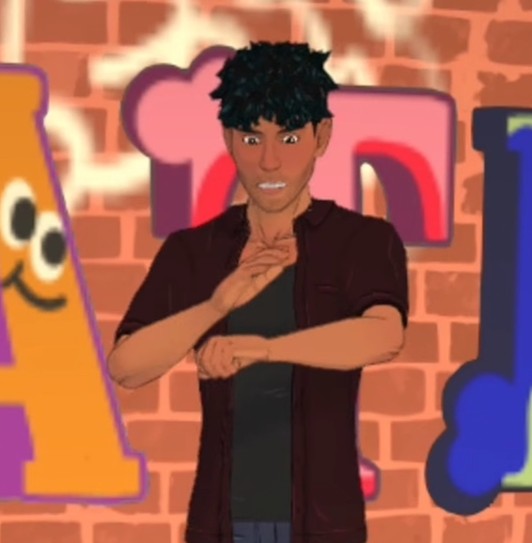
If players are careful and do not trap their characters in enclosed spaces, everyone should end up safe and sound. The fire system is designed to create tense moments without being unavoidable. Parafolk may also attempt to put out fires on their own rather than only panicking or fleeing, and if a fire grows beyond control players can call firefighters to respond. Players who monitor their Parafolk's activities and respond quickly to emerging fires can prevent serious consequences.
Firefighter Improvements (Patch 0.1.3)
Patch 0.1.3 (June 6, 2026) made fires more recoverable. A smoke detector now correctly summons firefighters to a burning house, and fire no longer spreads into areas that Parafolk cannot reach, which guarantees a fire can always be extinguished. The number of firefighters that arrive at once is capped, firefighters reliably wear their firefighter outfit, and they now act on their tasks immediately instead of waiting between interactions. Earlier, Patch 0.1.2 had already let Parafolk autonomously extinguish items and stopped fire from spreading to stairs or beyond the lot.
Death Types
Four death types have been confirmed for Paralives as of the Early Access launch:
Death Type | Cause | Animation |
|---|---|---|
Death from Fire | Direct contact with flames | The Parafolk frantically taps the fire out on their arms and body before collapsing to the floor. |
Death from Smoke Inhalation | Breathing smoke during a house fire | The Parafolk doubles over, coughing, before falling to the floor. |
Death from Hunger | Failing to eat for an extended period | The Parafolk slowly drops to the floor, clutching their stomach. |
Death from Old Age | Reaching the end of the natural lifespan | Occurs naturally as part of the aging system. |
Each death type has a distinct animation sequence that conveys the cause of death visually. The fire-related deaths (from flames and from smoke) are separate types with different animations, meaning that a Parafolk trapped in a burning building might die from the smoke before the flames ever reach them.
Fire-Related Deaths
Two of the four confirmed death types are directly related to house fires, each with unique circumstances and visual presentations:
Death from Fire occurs when a Parafolk comes into direct contact with burning objects. The animation shows the character frantically attempting to pat out the flames on their body. This represents the most immediate and visible danger during a fire event.
Death from Smoke Inhalation is the more insidious fire-related threat. A Parafolk does not need to touch the flames to be in danger; simply being in a smoke-filled room can be lethal. The animation depicts the character coughing and struggling to breathe before succumbing. This adds a layer of realism to fire scenarios, as real-world house fire fatalities are more commonly caused by smoke inhalation than by direct burns.
Death From Hunger
If a Parafolk's hunger need is neglected for too long, they will eventually die. The death from hunger animation shows the character slowly collapsing while clutching their stomach, conveying the gradual decline caused by starvation. This death type is a consequence for players who ignore their Para's basic needs and provides motivation to keep Parafolk fed.
Death From Old Age
Aging and death are natural parts of the Parafolk lifecycle. Characters who reach the end of their natural lifespan will pass away from old age. This death type is part of the broader aging system in Paralives and cannot be prevented through gameplay actions. It ensures that generational play is meaningful, as older Parafolk will eventually give way to younger ones.
Design Philosophy
The Paralives team has taken a deliberate approach to how death works in the game. The statement that "dying is not an interaction that players can trigger by themselves" establishes a clear boundary: players cannot directly command a Parafolk to die. Instead, death is the result of conditions within the game's autonomy system. A fire must break out and go uncontrolled, hunger must be neglected over time, or a Para must reach old age naturally.
This design choice separates Paralives from some other life simulation games where players can more directly orchestrate character deaths. By tying death to systemic gameplay conditions rather than direct player commands, the developers aim to make death feel consequential and emotionally impactful rather than trivial.
The development team has indicated that they plan to add more death types in future updates beyond the initial four available at Early Access launch. This suggests that the death system is designed to be expandable, with new causes of death potentially tied to new gameplay features added in post-launch content.
Prevention and Safety
While death cannot be directly triggered, players have agency in preventing it:
Fire prevention: Monitor cooking activities carefully. Do not leave Parafolk unattended near fire-prone objects.
Fire response: React quickly when a fire breaks out. Ensure Parafolk can exit rooms and are not trapped by walls or furniture.
Smoke awareness: Remove Parafolk from smoke-filled areas even if the flames are not nearby.
Hunger management: Keep Parafolk fed by monitoring their needs display and ensuring food is accessible.
Old age: Cannot be prevented; it is a natural part of the lifecycle.
The balance between preventable and inevitable death types gives players meaningful choices about how carefully they manage their Parafolk's lives while accepting that some things, like the passage of time, are beyond their control.