

Combat in Monster Fantasy is action driven, built on the skills tied to your Classes and the weapons you carry. Because skills come from weapons, the way you fight changes with the gear in your hands, and mastering a weapon's moveset is central to taking down the kingdom's giant beasts. The result is hands on, reaction based combat rather than menu driven exchanges.
Each class has a weapon it is built around. The Warrior fights with a sword and shield, holding the line with precise blocks before hitting back hard. The Swordsman carries a long sword and trades armour for movement, dodging in and punishing openings; this is the same class the Steam store page lists as the Martial Artist, and official material uses both names for it. The Archer works at range with a bow, and the Mage combines elements into custom spells while still being able to fight up close. Because skills follow the weapon, swapping weapons is what moves you between these styles mid-fight.
You rarely fight alone. Two kinds of allies can join you in battle. The first are tamed monsters: the creatures you capture through Monster Taming and Pets fight at your side, and some can even be ridden into combat. The second are villager companions: the people of Villagers can be recruited to fight alongside you on hunts. Building a strong party of beasts and companions is as much a part of preparing for a fight as choosing your own class and weapon.
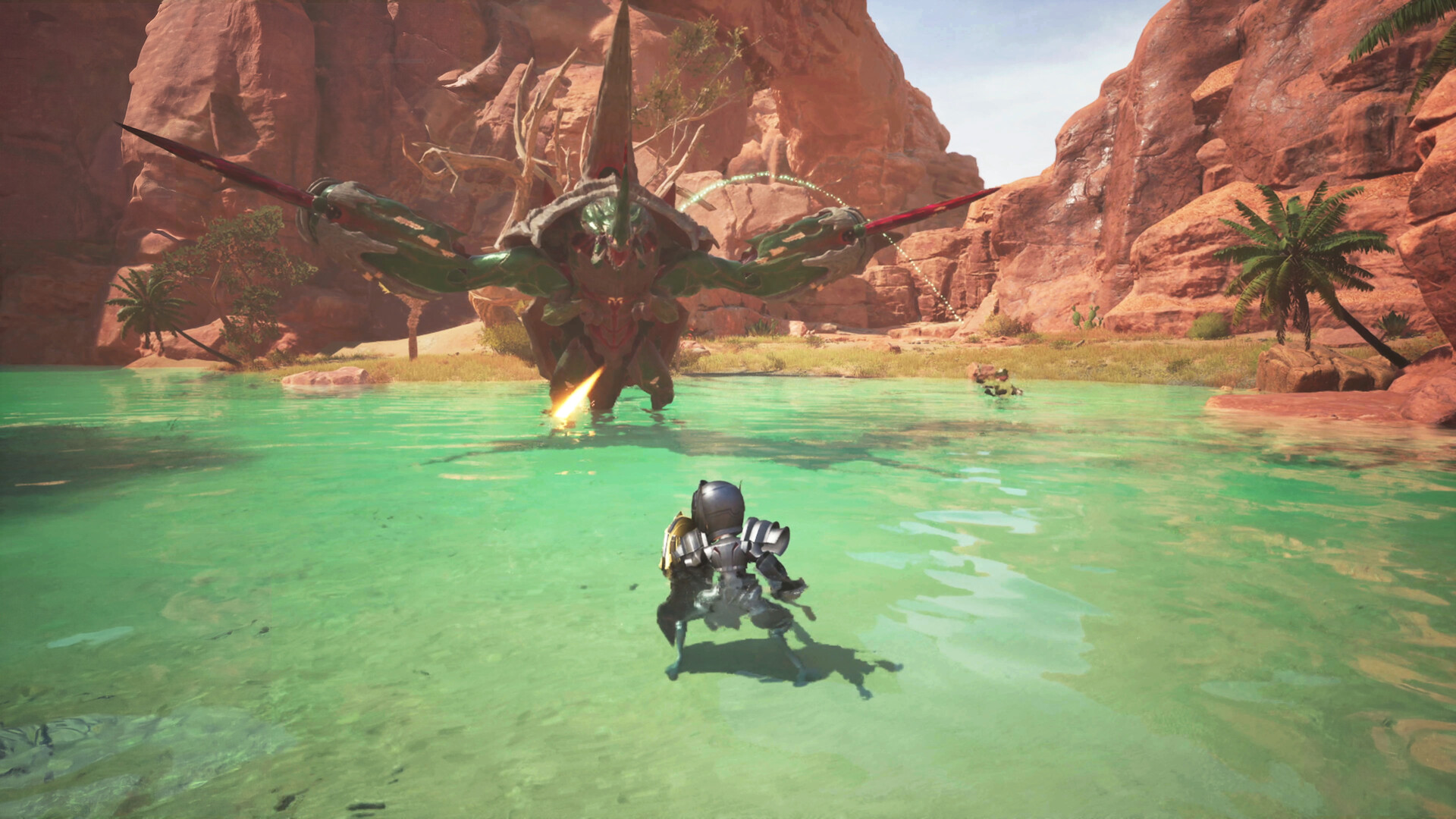
The world itself plays a role in every encounter. As described under Monsters, a creature's behavior shifts with the surrounding ecology, and the two confirmed factors are the time of day and the weather. The same monster can fight very differently at night than in daylight, or under one weather condition versus another. Reading those conditions and adapting your tactics is a core skill, so a smart hunter watches the sky and the clock as closely as the monster.
Fighting Together
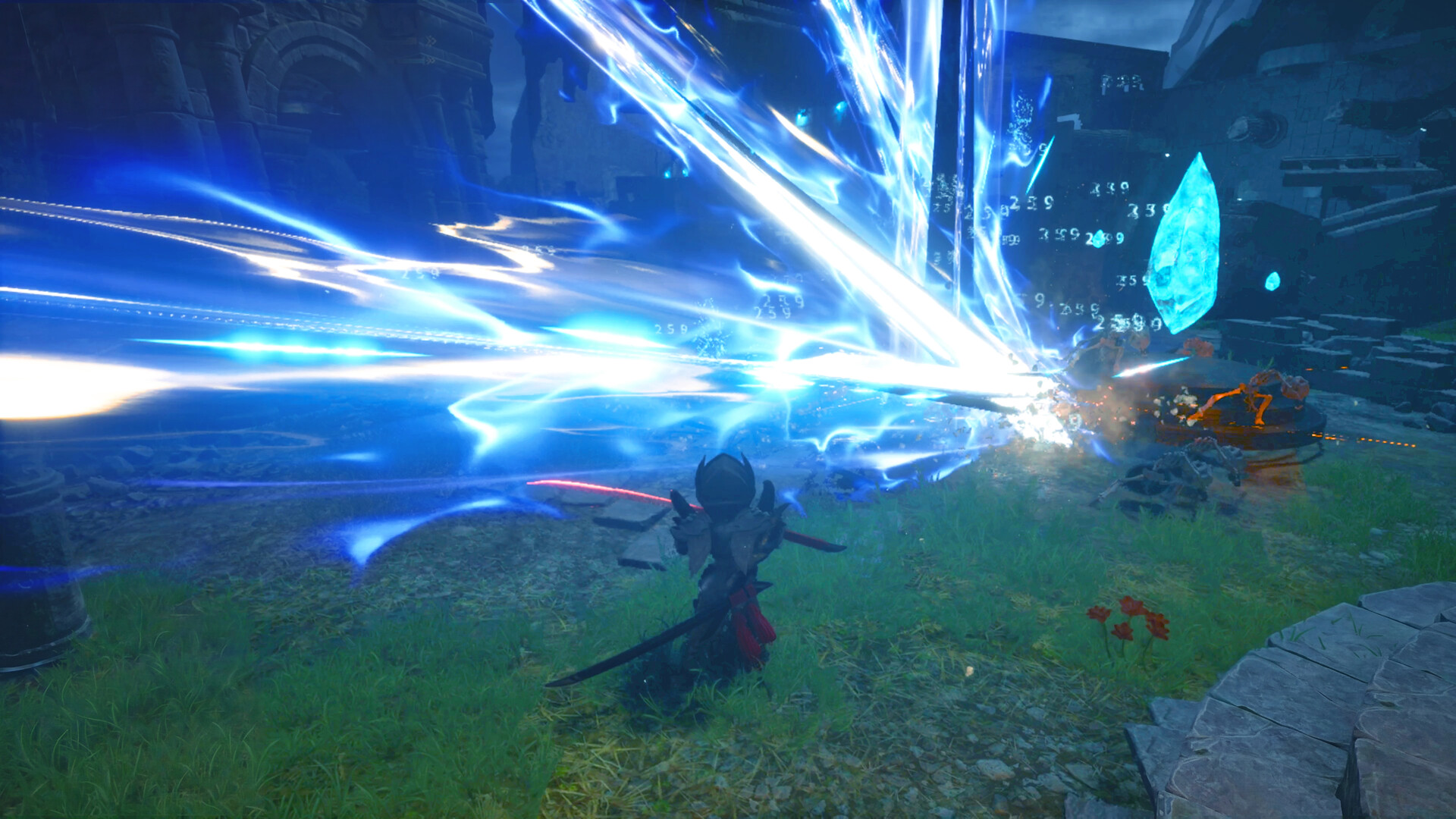
Combat is not limited to solo play. Hunts can be taken on in co-op, so you and other players can pursue the same giant monsters together, combining your classes, weapons, tamed creatures, and recruited companions. Whether you face a beast by yourself with a loyal pet at your side or join forces with friends for a coordinated hunt, the action combat scales to fit how you want to play.
Breaking Monster Parts
Part breaking is a real system rather than a damage effect. Jotoyo has said it builds a full ecology around each boss, and gave a worked example: strip the armor off a beetle-type monster and the flesh underneath takes damage differently, while the creature's attack patterns visibly change once the part is gone. The armor is not gone for good, though. The monster can burrow underground to regrow it, which turns a hunt into a race to press the advantage while a part is still open.
Where you aim therefore matters as much as when. Alongside part breaking, the build shown to media carried a last-moment dodge that rewards evading late, and guard points that let certain attack animations absorb a hit while they play out, so committing to a swing is not always the risk it looks like.
Difficulty
There is no difficulty selector. Jotoyo has said the game is tuned through progression instead: gather more materials, craft better gear, and fights get easier. The studio has also said it wants many routes to strong equipment rather than one, including ways to earn powerful gear without hunting for it, so a player who struggles with the action has somewhere else to build power. Gear crafting itself is covered under Life Sim Activities.