
This article is incomplete
Some sections are missing or need additional details. Help improve it by contributing.
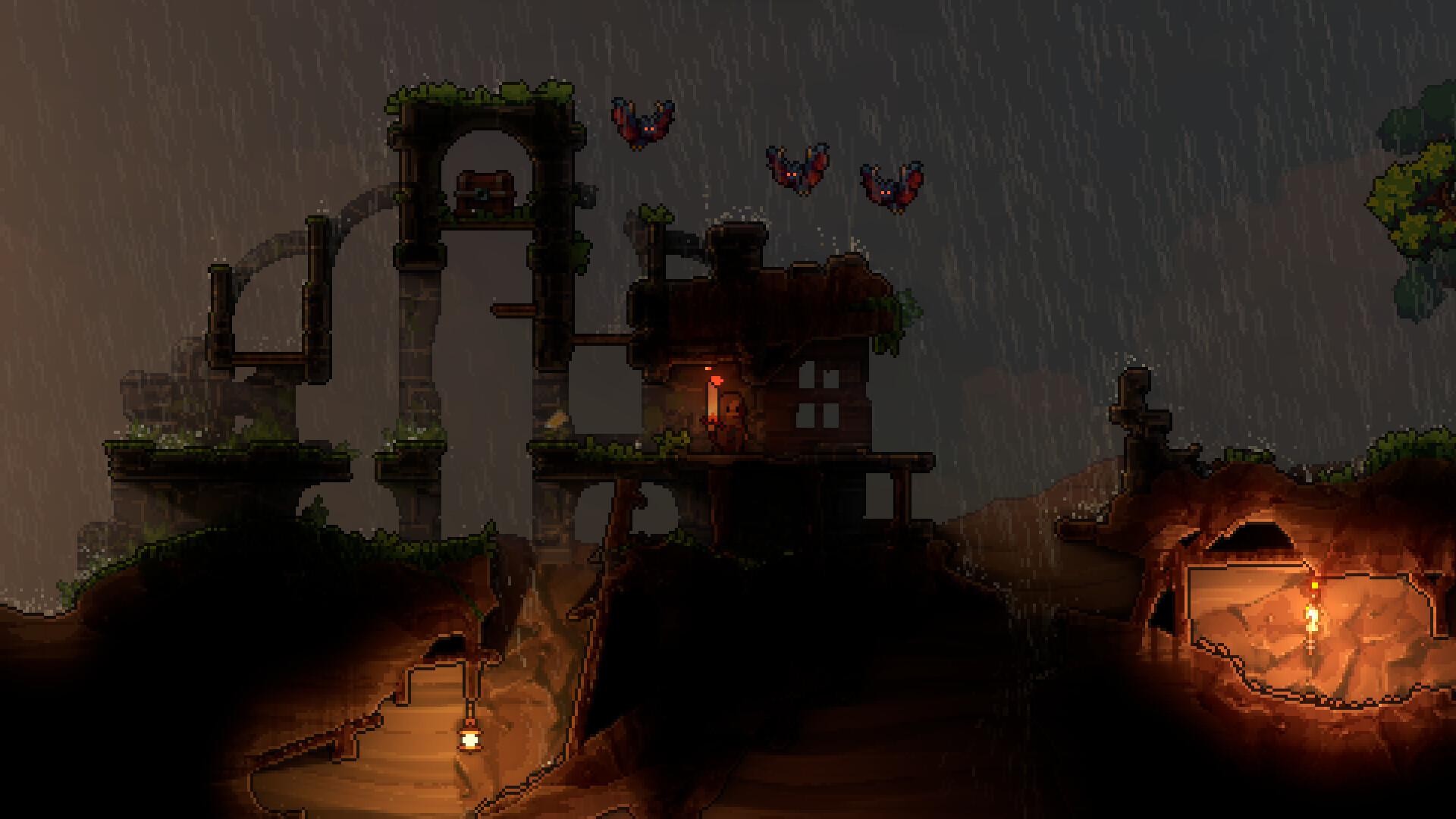
KYORA's procedurally generated world is divided into distinct biomes. Each biome presents a different environment with its own visual style, available resources, hazards, and a controlling boss called a Herald. Players must use the resources specific to each biome to survive and progress.
Confirmed Biomes
Three areas have been named in official materials, and a fourth environment has appeared in press screenshots.
Biome | Description |
|---|---|
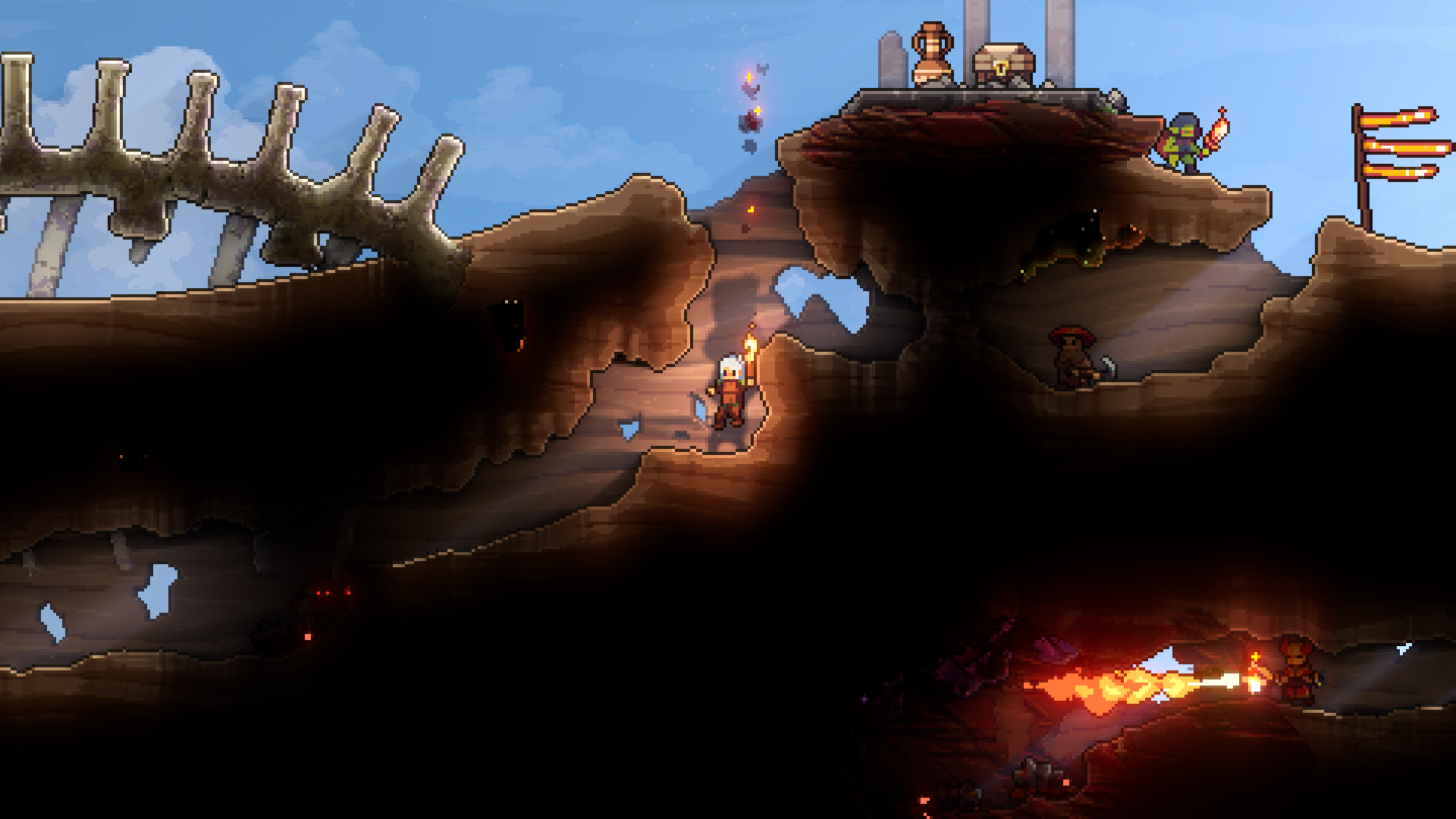
Fields | The first biome, where players are introduced to KYORA's world. The developers describe it as almost cozy and bright, with lush grass, rolling hills and soft background clouds, and its welcoming feel is meant to contrast the more dangerous late-game biomes. It has served as the team's testing ground for core mechanics, and in early 2026 the team was refining it before expanding the game with more biomes. The name comes from the November 2026 creature listings, which give Fields as the home biome of every creature revealed so far, from the Pook to the Tearlings. See Creatures and Enemies. |
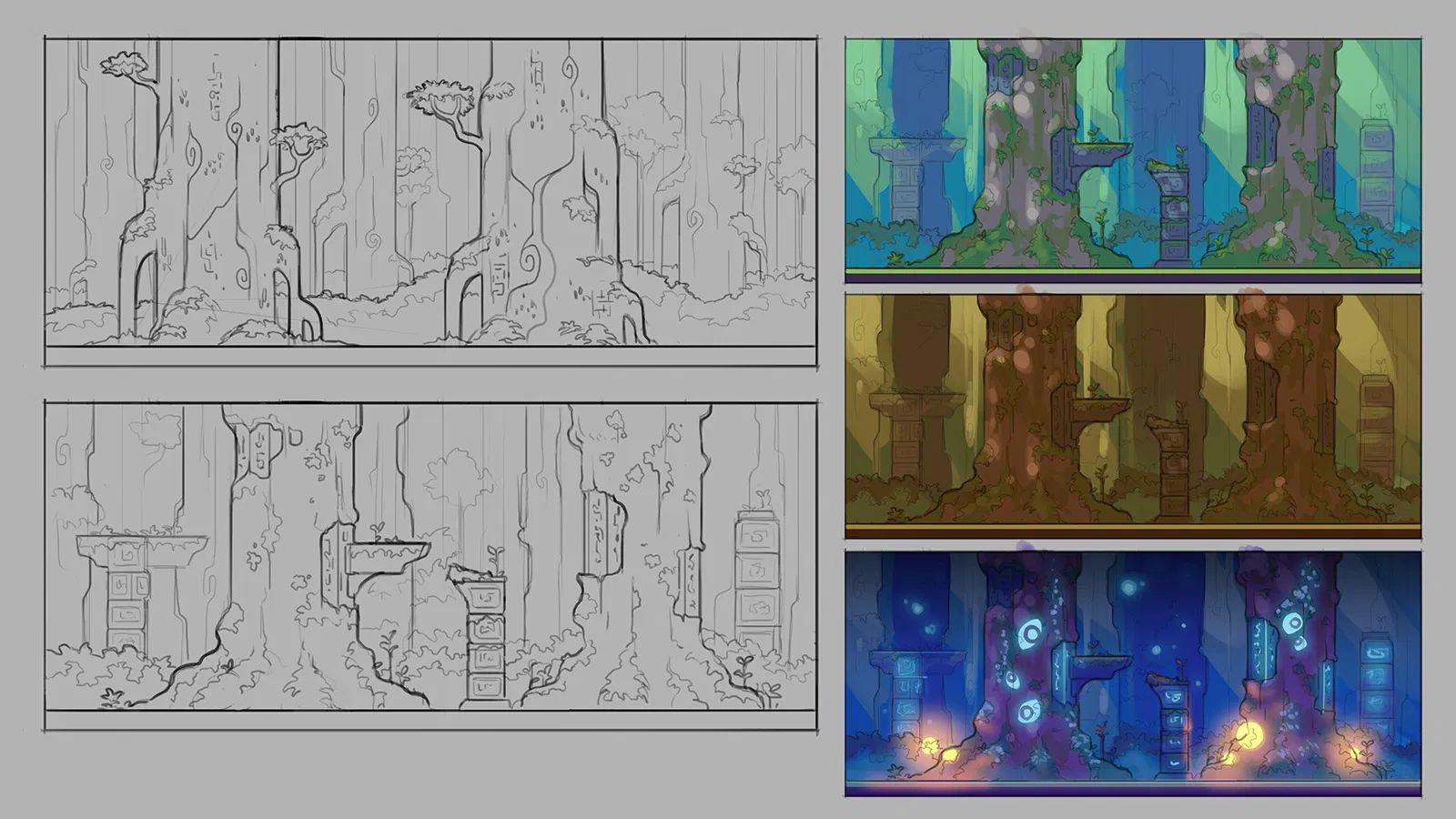
Forest Ruins | A region described in the announcement as forest-cloaked ruins. Environment concept art the developers shared in October 2026 shows stone ruins built into towering trees, though it was not tied to a named biome. Its place in the biome order has not been stated. |
Desert | A region described in the announcement as blistering desert sands. Its creatures and hazards have not been detailed. |
Floating Islands | Floating islands appear in official press screenshots as another environment type. Details have not been described in writing, and the area has not been formally named. |
Biome Difficulty and Loadouts
The biomes grow more dangerous the deeper players venture, and a loadout suited to the lush green first area may not be the best way to survive later. Each biome provides materials used to craft gear suited to that environment. Gear with biome-specific properties, such as resistances tied to local hazards, can be obtained by crafting with biome materials or by looting from biome bosses.
Not every route between areas is a tunnel. The developers have said that some points in the world have to be crossed through open air to make progress, and the experimental traversal tools shown so far are built for exactly that.
Microdungeons
Microdungeons have been confirmed as structures within biomes. These are smaller enclosed areas that can be explored for loot, including gear found in chests.
Routes through a biome are suggested rather than fixed. Because any wall can be dug through, the developers use resources as the signal instead: an open tunnel lets a player walk straight past the valuable material buried beside it, and visible materials mark the spaces worth excavating. The systems behind that are covered on World Generation and Environment Design.
Additional biomes beyond those above are planned for development, and the team intends to expand the world with more biomes, bosses, enemies, and resources before the Early Access launch. Their names and details have not been officially confirmed.