

Factions
Factions in Kingmakers represent the political and military powers of medieval Britain. Players can align with England, Scotland, or Wales, with each choice affecting missions, unit loyalty, story branches, and available endings. Additional factions including Scotland and France are planned for post-Early Access updates.
On This Page
Overview
The faction system in Kingmakers determines the political alignment of the player's campaign and shapes the narrative, available missions, and eventual ending. The game is set during the Glyndwr Rebellion of 1400 AD, a period when England, Wales, and Scotland were locked in overlapping conflicts for control of Britain. Players choose which faction to support, and that choice ripples through every aspect of the game, from which troops remain loyal to which castles the player assaults or defends.
The core premise of the game sends the player back in time to help Owain Glyndwr's Welsh rebellion succeed, but the faction system opens up alternative paths. Instead of supporting the rebellion, players can side with the English crown or pursue Scottish interests. Each path leads to different missions, story beats, and one of the game's many endings. The developers at Redemption Road Games have confirmed that the game features multiple endings tied directly to faction choices and player decisions.
Confirmed Factions
Wales
Wales is the default faction aligned with the game's primary storyline. Led by Owain Glyndwr, the Welsh faction represents the rebel cause. In the game's alternate timeline, Glyndwr's rebellion was originally successful, and the player's mission is to restore that outcome. Supporting Wales means fighting against English garrisons, liberating Welsh-held castles, and building alliances with sympathetic Scottish and French forces.
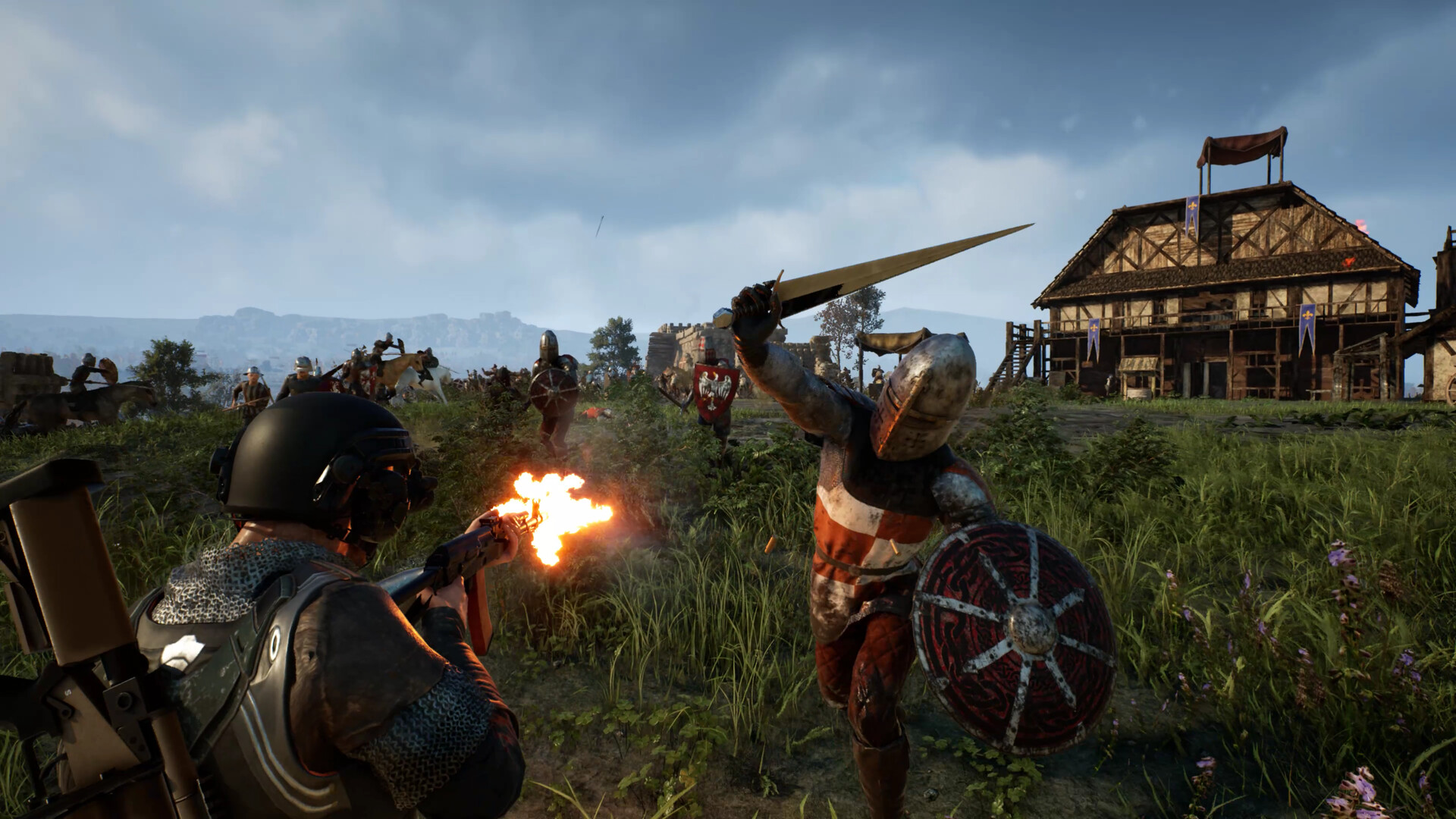
Historically, Glyndwr proclaimed himself Prince of Wales on 16 September 1400, and his rebellion drew support from across Welsh society, from minor lords to common farmers. The game reflects this by giving Welsh-aligned players access to loyal Welsh troops who fight with high morale when defending their homeland.
England
England is the dominant military power in 1400 AD and is the primary antagonist faction in the Welsh storyline. Led by Henry IV (Henry Bolingbroke), who seized the English throne from Richard II in 1399, and his son Henry V, England controls the major castles and trade routes across Wales and the Marches. Aligning with England means suppressing Glyndwr's rebellion and maintaining the status quo.
English-aligned players have access to well-equipped, heavily armored troops, including the Men-at-Arms who serve as the most heavily armored unit type in the game. The English faction's strength lies in its established fortifications and superior numbers, but its forces are spread thin across multiple fronts.
Scotland
Scotland is the third playable faction alignment. Historically, Scotland was a natural ally of Wales against English expansion, and the Scots had their own long-running conflicts with the English crown. In Kingmakers, the Scottish faction offers a third perspective on the conflict, with its own set of missions and story outcomes.
The developers have indicated that the Scottish faction's story branches differ meaningfully from both the Welsh and English paths. Scotland's interests are not always perfectly aligned with Wales, even when both oppose England, creating opportunities for complex diplomatic choices during the campaign.
Faction Comparison
Faction | Leader | Role in Storyline | Troop Strengths |
|---|---|---|---|
Wales | Rebel cause; primary storyline alignment | High morale on home territory; strong archers | |
England | Henry IV / Henry V | Established power; antagonist in Welsh path | Heavy armor; well-fortified positions; superior numbers |
Scotland | TBD (post-EA expansion) | Third perspective; independent interests | To be detailed in post-EA content |
How Factions Affect Gameplay
Unit Loyalty
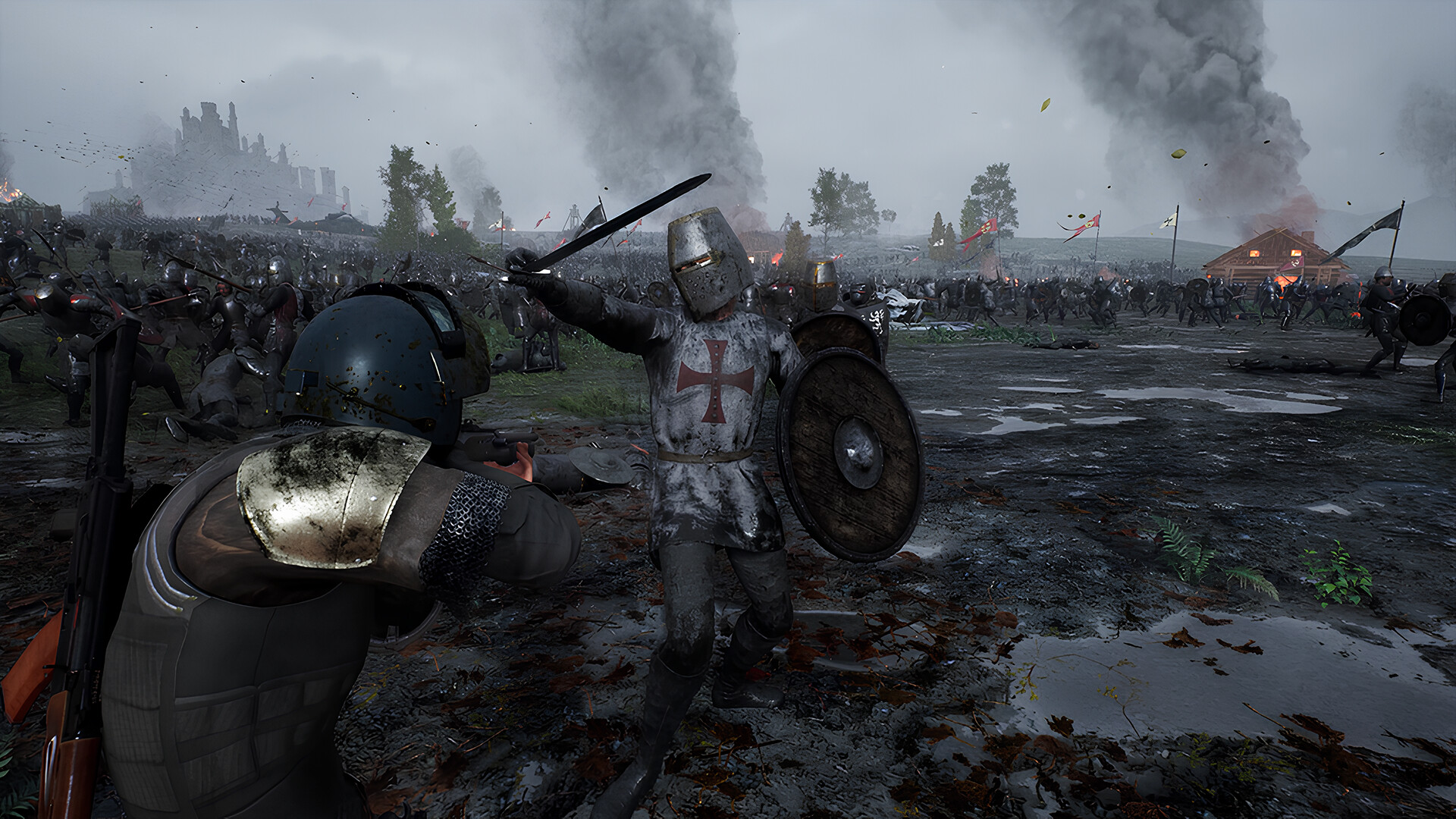
Faction alignment directly affects the loyalty of troops under the player's command. The game's AI system models individual soldier loyalty, and units may behave differently depending on whether they are fighting for or against their home faction. For example, Welsh troops commanded by a player aligned with England may have lower morale and be more likely to rout or switch sides during battle. The multi-threaded AI controls each soldier's decision-making, pathfinding, and loyalty, so faction alignment has real mechanical consequences beyond the narrative.
Mission Structure
Each faction alignment provides a different set of campaign missions. Welsh-aligned players attack English castles and recruit allies from the Welsh countryside. English-aligned players defend fortifications, hunt down rebel leaders, and maintain supply lines. Scottish-aligned players pursue objectives that serve Scottish interests, which may overlap with or diverge from the Welsh rebellion depending on the mission.
Multiple Endings
The game's multiple endings are determined by a combination of faction alignment and the specific choices players make during the campaign. The developers have confirmed the game has "many endings," and the faction system is the primary branching mechanism. Supporting Glyndwr and winning the rebellion produces one set of outcomes; siding with Henry IV produces another; and the Scottish path opens yet another. Within each faction path, additional choices further shape the ending.
Planned Post-Early Access Factions
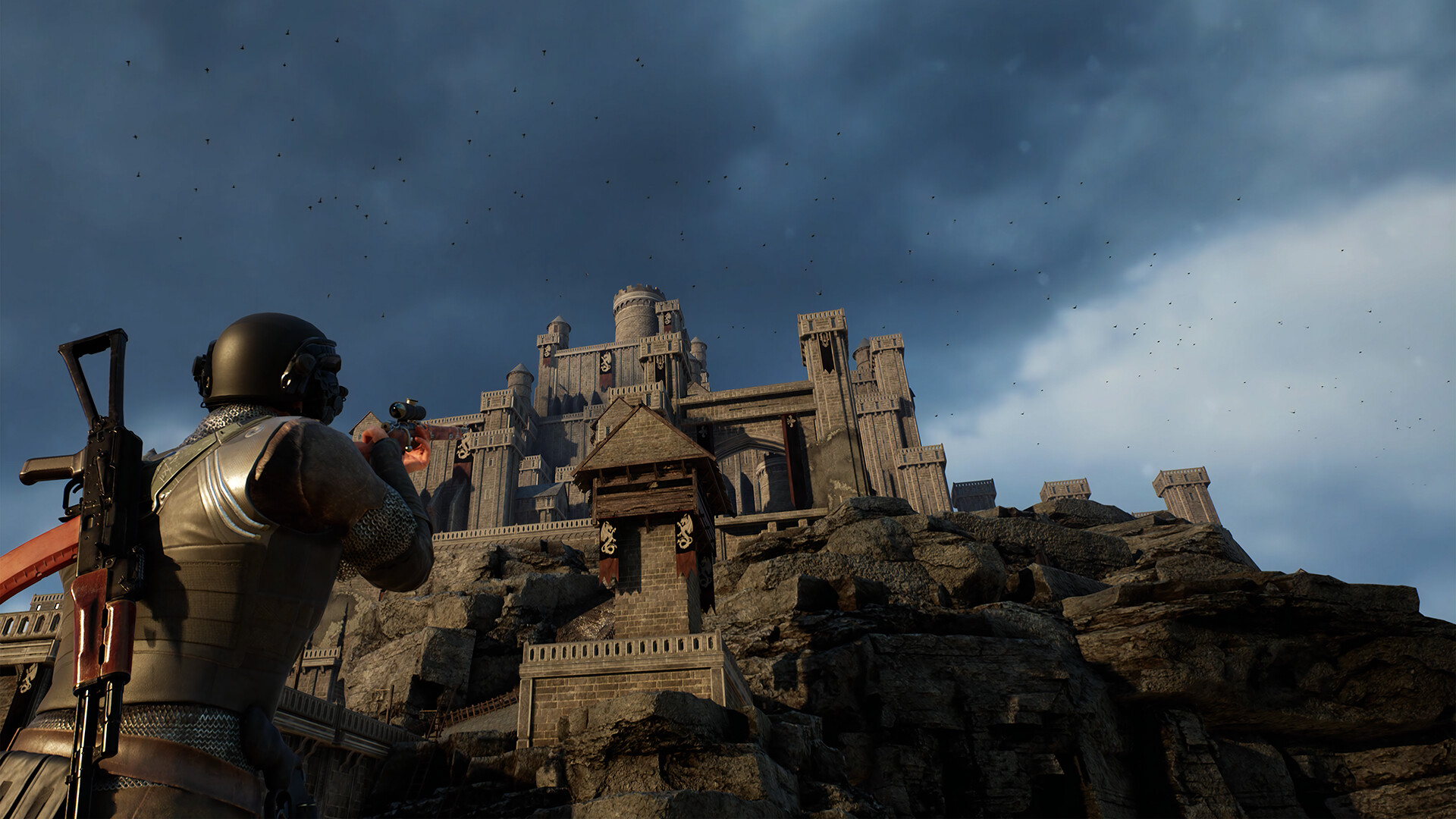
The developers have announced plans to expand the faction system after the Early Access launch. The post-launch roadmap specifically mentions new factions, including deeper Scottish content and a French faction. Historically, France was a major ally of Glyndwr's rebellion, sending troops to Wales in 1405. Adding a playable French faction would open new strategic possibilities and story branches reflecting the broader European politics of the period.
Planned Faction | Status | Historical Context |
|---|---|---|
Scotland (expanded) | Post-EA | Scotland had ongoing conflicts with England; allied with France via the Auld Alliance |
France | Post-EA | France sent troops to support Glyndwr in 1405; the Hundred Years' War was active |
Choosing a Faction
Faction choice is one of the earliest meaningful decisions in a Kingmakers campaign and shapes the available campaign missions, the loyalty of nearby villages and garrisons, and the long-term direction of the alternate timeline the player is trying to create. The three confirmed playable alignments (Welsh, English, and Scottish) each present different starting conditions, allied factions, and primary antagonists. Players who care most about the canonical storyline should align with Wales; players who want to experience the conflict from the established medieval power should align with England; players who want a third path with its own diplomatic complications should align with Scotland.
Faction alignment does not lock the player out of cross-faction interactions. The campaign features negotiated alliances, mercenary contracts, and shifting territorial control, and a player aligned with Wales can still interact with Scottish forces through diplomacy or trade. The choice determines the primary mission line and the ending state, not whether other factions exist on the map.
Faction Difficulty and Recommended Play Style
Faction | Starting Difficulty | Recommended For | Primary Antagonist |
|---|---|---|---|
Wales | Highest | Players seeking the canonical storyline; players who enjoy outnumbered, guerrilla-style campaigns | English crown forces under Henry IV and Henry V |
England | Lowest | Players who want to defend established positions and command the largest, best-equipped armies in the period | Owain Glyndwr and the Welsh rebels |
Scotland | Medium | Players who want a third perspective with shifting allegiances and independent objectives | Both English garrisons in northern territory and any faction that threatens Scottish independence |
Historical Allies and Rivals
The faction system reflects the real political web of 1400 AD Britain. Wales had natural sympathy from Scotland and an active alliance with France, both of which were hostile to English expansion. Scotland fought regular border conflicts with England and maintained the Auld Alliance with France, which was simultaneously waging the Hundred Years' War against the English crown. England, the dominant military power, was forced to spread troops across multiple frontiers, which the game models through stretched garrisons, contested supply lines, and the strategic vulnerability of distant castles.
These historical relationships translate into in-game mechanics. Welsh forces receive morale bonuses when defending their home territory. English forces benefit from established fortifications and superior heavy infantry like the Men-at-Arms. Scottish forces share the Welsh advantage on northern terrain and gain diplomatic flexibility through their cross-channel ties. Players who lean into these strengths rather than fighting their faction's natural shape tend to find the campaign more manageable.
Tips
Try all three faction alignments for different campaign experiences and endings.
Pay attention to troop loyalty. Forcing soldiers to fight against their home faction hurts morale and can lead to desertions.
The Welsh path is closest to the game's canonical storyline, but the English and Scottish paths offer unique missions and perspectives.
Post-EA updates will add French and expanded Scottish content, so revisiting the game after updates is worthwhile.