
Loading...
Loading...
NPC Behavior
September 23, 2026 at 07:34 AM
Updated weapon carrying and police detection details from the Extended Look, hedged the unconfirmed traffic system name, converted the GTA V comparison table to a VI-only summary, removed prior-entry comparisons and a leak build reference
Grand Theft Auto VI has a detailed NPC artificial intelligence system. From dense beach crowds in Vice City to wildlife encounters in the Grassrivers, the world of Leonida is populated by NPCs with behaviors that respond to the player, the environment, and each other. Rockstar has invested heavily in making NPCs feel like inhabitants of a living world rather than static background decoration.
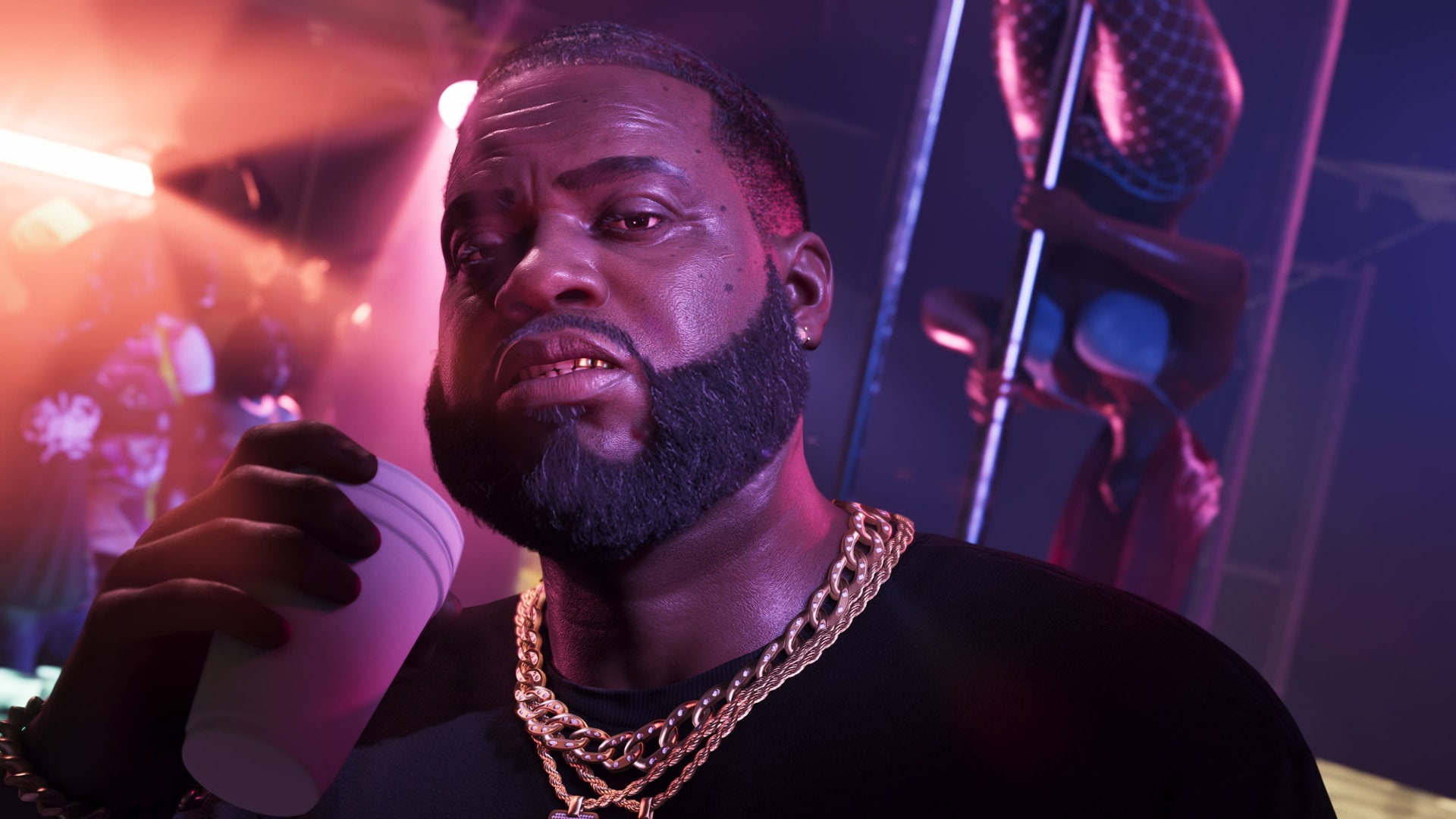
Trailer 1 immediately demonstrated a step change in crowd density. Beaches are packed with tourists sunbathing, swimming, and playing sports. City streets are filled with pedestrians moving in different directions, stopping at crosswalks, chatting on phones, and browsing storefronts. Nightlife scenes show clubs and bars crowded with partygoers.
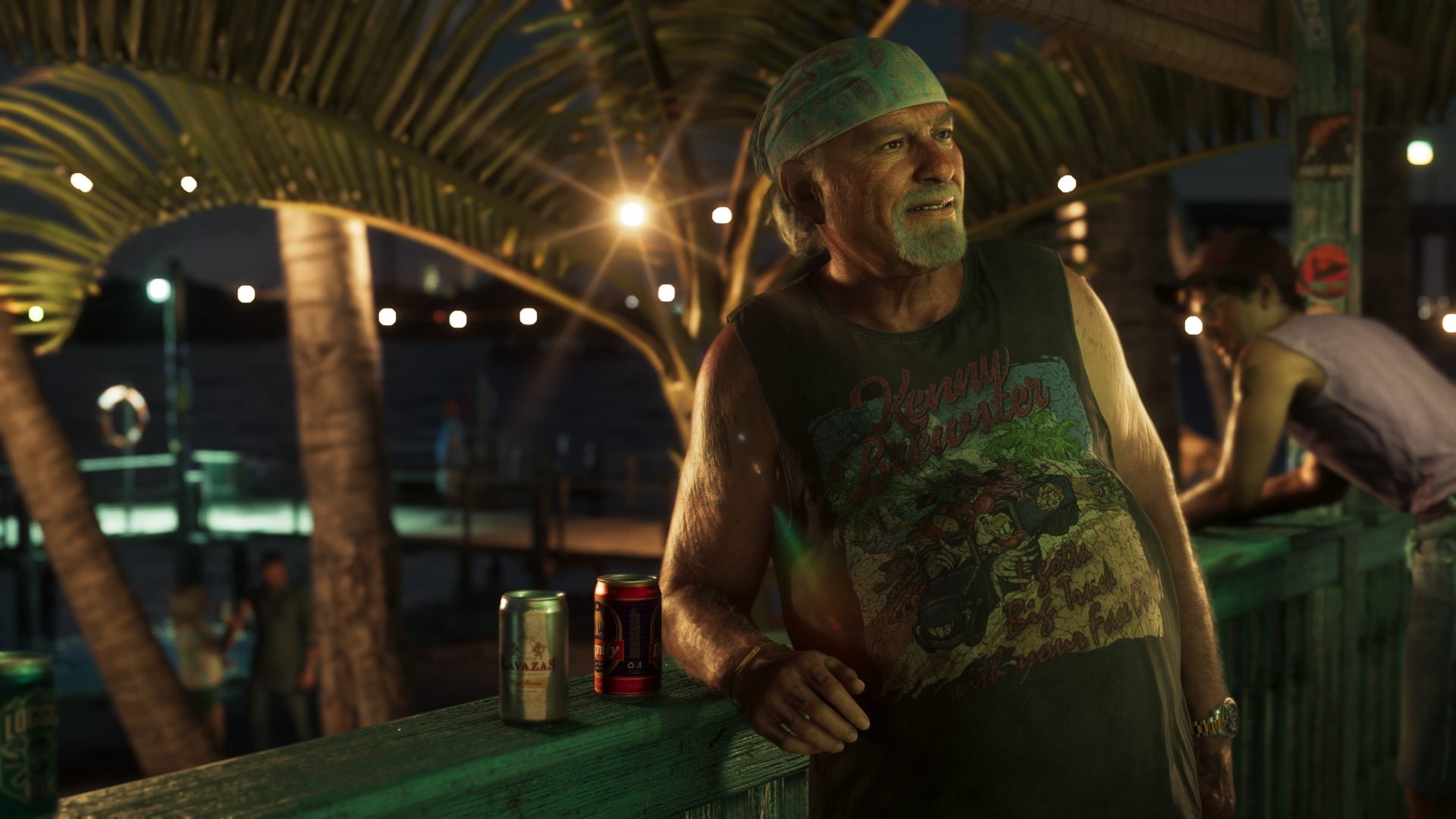
NPC variety is equally notable. Characters span a wide range of body types, clothing styles, and ethnicities that reflect Vice City's multicultural population. NPCs are not simply walking in straight lines; they interact with their surroundings in small but convincing ways, such as adjusting beach umbrellas, taking selfies, arguing with each other, and reacting to nearby events.
NPCs in GTA VI have complex daily routines. Pedestrians appear at different locations depending on the time of day: beaches are crowded during daylight hours and empty at night, bars fill up in the evening, and morning commuters populate city streets at rush hour. Individual NPCs have been observed following multi-step routines, such as leaving a building, walking to a car, driving to a destination, and entering another building.
NPCs respond to weather changes in real time. When rainstorms hit, pedestrians seek shelter under awnings, open umbrellas, or sprint to nearby buildings. During hot weather, NPCs dress appropriately in lighter clothing and congregate near water. These reactions tie into the game's broader weather and natural disaster system and add another layer of environmental immersion.

GTA VI uses a more realistic weapon inventory that affects how NPCs perceive the player. Two handguns are carried concealed and two long guns are carried visibly, one in hand and one on the back, with additional weapons stored in vehicle trunks. Pedestrians and police react to a weapon that is on show, so walking through a public area with a rifle in hand draws attention while concealed handguns are less likely to cause alarm. The Extended Look also showed a concealment animation playing before a character entered a store. The approach reflects Rockstar's broader push toward grounding player behavior in realistic consequences.
Police behavior in GTA VI represents a fundamental rethinking of law enforcement AI. GTA VI's police operate as an independent force that responds to crimes committed by anyone, not just the player. Trailer footage shows police officers chasing multiple suspects simultaneously, with some suspects surrendering and others fleeing on foot.
Officers use cover more effectively, coordinate with each other during pursuits, and approach dangerous situations with more structured tactics. Police vehicles include standard cruisers, SUVs, and helicopters. The wanted system shown in the August 2026 Extended Look works on what the police actually know. Officers are alerted only when a witness or a security system detects a crime, icons under the wanted meter show which identifying details they hold, and a circle on the map marks the area being searched instead of each pursuing car appearing on the radar.
The POACH agency (Protection of Animals and Controlled Hunting) patrols the rural Grassrivers region and pursues players who engage in illegal poaching. Trailer 1 shows POACH vehicles chasing a pickup truck with alligators tied to the bed, confirming that specialized law enforcement agencies operate outside of standard city police jurisdiction.
NPCs commit crimes independently of the player. Trailer footage shows what appear to be NPC-initiated carjackings, assaults, and police chases that the player is not involved in. This creates a world where events happen around the player organically, rather than the player being the sole catalyst for every dramatic event. Players can choose to intervene in these NPC-driven scenarios or simply observe them unfold.
NPC vehicle behavior is reportedly powered by an upgraded AI-driven system called Virtual Navigation; Rockstar has not used that name in its own material. The system reportedly allows NPC drivers to make more dynamic and intelligent decisions, including lane changes, yielding to emergency vehicles, and reacting to traffic incidents. The result is traffic that flows more naturally and NPC drivers that feel less robotic.
NPCs in specific neighborhoods remember the player's past behavior. If a player repeatedly causes destruction in a particular area, residents become more hostile, fearful, or cautious during future visits. This dynamic memory system creates persistent consequences for player actions that extend beyond the immediate moment. The system works in tandem with the interaction system where Greet responses may turn cold in neighborhoods where the player has a negative reputation.
Feature | GTA VI |
|---|---|
Crowd density | Dense beaches, packed nightclubs, busy streets |
Daily routines | Multi-step schedules tied to time of day |
Police AI | Independent crime response, NPC arrests; alerted only by witnesses or security systems |
Weather reactions | Shelter-seeking, umbrellas, clothing changes |
Vehicle AI | Reported dynamic driving decisions (unconfirmed system name) |
NPC memory | Neighborhood reputation tracking |
NPC crime | Independent NPC-initiated crimes |
Weapon awareness | Reactions to a visible long gun; concealed handguns draw less attention |