

This article is incomplete
Some sections are missing or need additional details. Help improve it by contributing.
FINAL FANTASY RESONANCE is the first FINAL FANTASY to join the HD-2D lineup, the visual style that fuses pixel-art characters with 3D backgrounds. Square Enix frames the whole approach with one question: what if FINAL FANTASY had continued to push the limits of pixel art? The game pairs that style with dynamic camera angles and pixelized 3D models, aiming for event staging on a scale that earlier HD-2D titles seldom attempted.
Cinematic Pixel
Square Enix defines Cinematic Pixel plainly: the opening movie and the game's most dramatic event scenes use a presentation that pixelizes 3DCG, combining the warmth of pixel art with dynamic camera work in the same shot. In practice that lets the game move large objects, espers and airships among them, with sweeping camera work while everything on screen still reads as pixel art. The developers call the camera work in events and battle skills the part of the production they worked over hardest, and they describe the goal as scenes that hold up as a single beautiful image wherever the camera stops.
Full 3D Moments
Not everything stays pixelized. The ultimate attacks of the legacy heroes, the Resonance attacks unleashed by their Visions, render in full 3D using the characters' 3D models, and some esper cinematics do the same. These sequences sit deliberately outside the pixel treatment as showpiece moments.
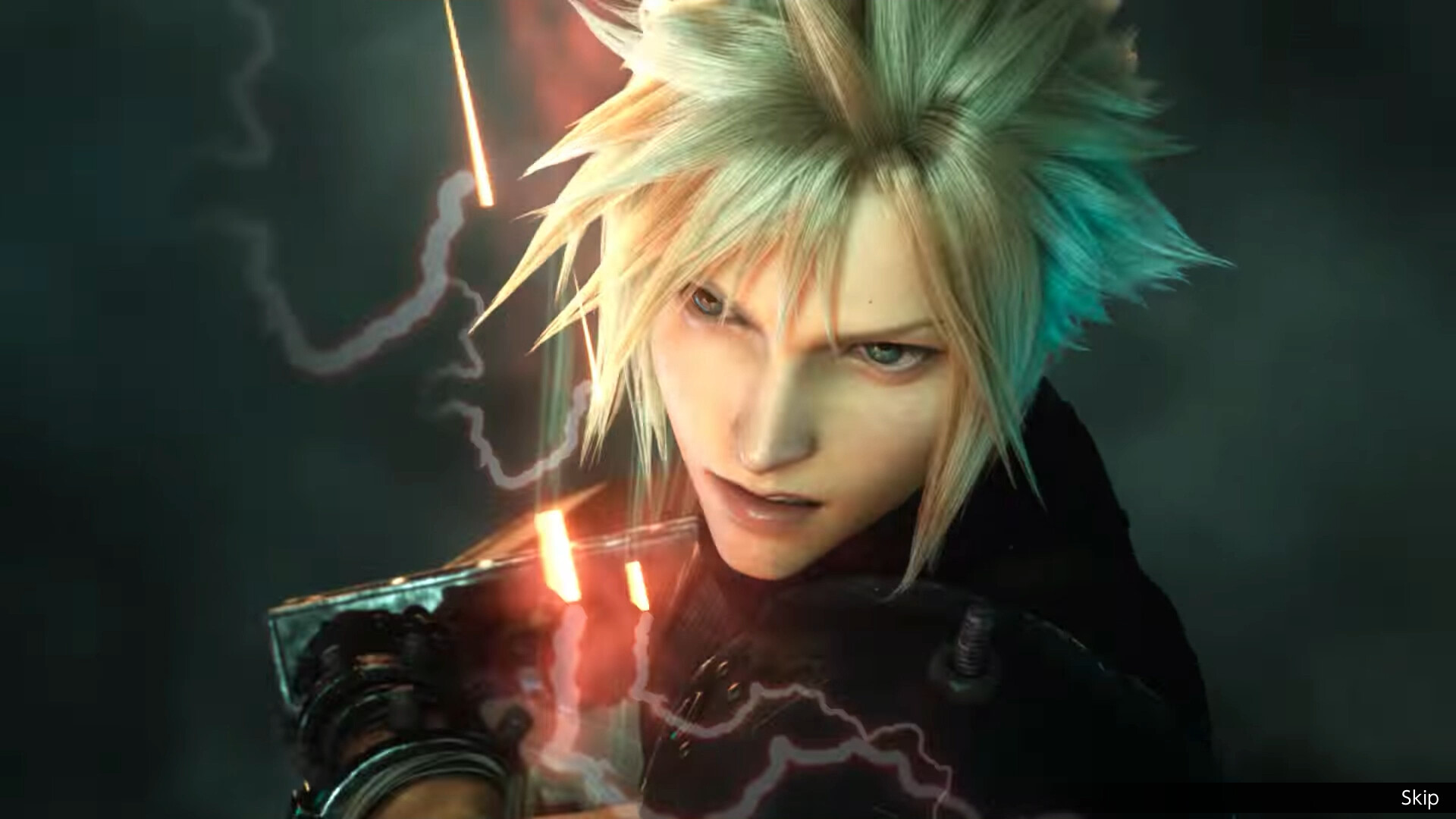
Sprites and Image Treatment
The character sprites use a higher head-to-body ratio than other HD-2D titles, giving the cast taller proportions on screen. The art team also reworked the game's postprocessing partway through development, and it follows the discipline passed down from earlier HD-2D projects that pixel sprites must never float against their backgrounds: placement, foreground objects, and sometimes the sprites themselves are adjusted location by location until the pixels settle into the 3D scenery.
Seeing It in Motion
The free demo released on September 3, 2026 runs from the opening through the end of Chapter 1, which puts the style in players' hands ahead of the October 22, 2026 release. Square Enix also brought a large wall panel of the game's pixel character art to its Tokyo Game Show 2026 booth, running September 17 to 21, 2026, with a spot-the-difference campaign played against the same illustration printed in the booth pamphlet.