

Overview
DREADNOUGHT TARTARUS is a semi-automated strategic simulation game by benkimchi where the player commands a colossal anime-style battleship across a continuous campaign. 2026 release window on Windows PC, with the developer noting in May 2026 that the original Q3 target may slip.
On This Page
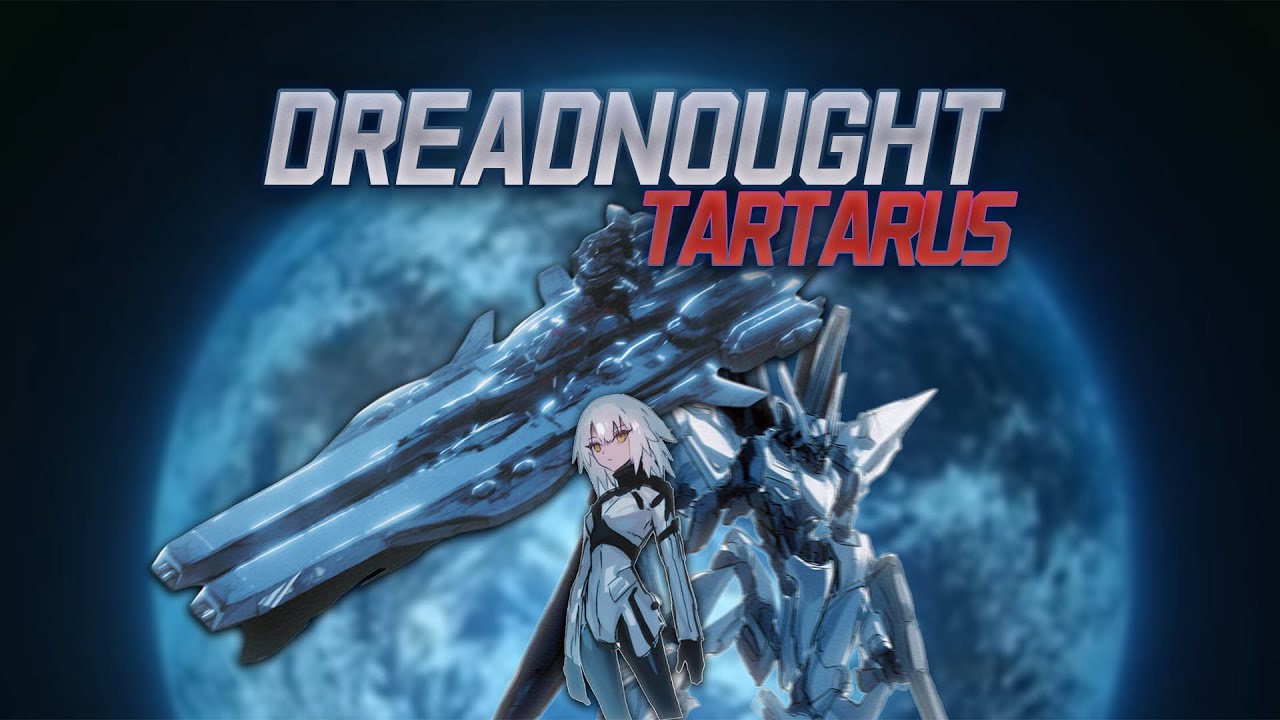
DREADNOUGHT TARTARUS is a semi-automated strategic simulation game in which the player commands a colossal anime-style battleship across a continuous campaign of escalating war zones. The titular TARTARUS dreadnought is a vessel that rivals a moving city in scale, and steering it through orbital theaters, devastated metropolitan ruins, and contested coastlines forms the spine of the entire game. The project is the work of independent developer benkimchi, who self-publishes the title and has positioned its cadence somewhere between a real-time wargame and a roaming tower defense. A 2026 release window is targeted on Windows PC, with no current console announcements. The Steam storefront currently lists the release date as "Coming soon" without committing to a specific quarter.
Quick Facts
Field | Detail |
|---|---|
Developer | |
Publisher | benkimchi (self-published) |
Engine | Unannounced |
Platforms | Windows PC (Steam) |
Genre | Semi-automated strategic simulation |
Setting Year | FC 2057 |
Players | Single-player |
Reveal Date | January 4, 2026 (announce trailer) |
Release Window | 2026 (Steam currently displays "Coming soon" without a specific quarter) |
Languages | 5 (English, Simplified Chinese, Traditional Chinese, Japanese, Korean) |
Steam Wishlists | 10,000+ within 48 hours of reveal |
Premise
The fiction is set in the year FC 2057. An unidentified super-scale battleship suddenly materializes in Earth's orbit. Its sheer firepower threatens to obliterate metropolitan areas in a single discharge, and its origin remains unknown. Before humanity can decipher who built it or why it has arrived, a devastating war erupts across the surface and the surrounding skies. The player takes command of the TARTARUS, a battleship of comparable scale, and must steer it through the unfolding conflict.
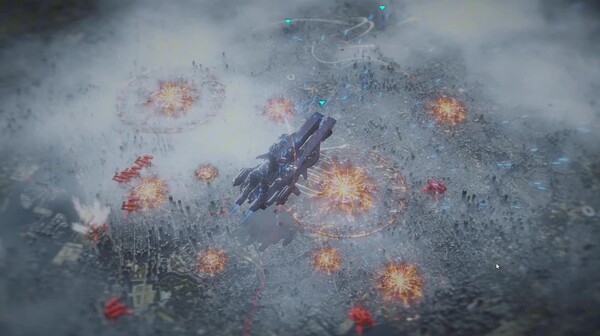
Allegiances, the identity of the commander, and the broader shape of the conflict are intentionally left open at announcement. What is consistent across every piece of marketing material is the framing of TARTARUS itself as the central character: a slow, overwhelming presence that other forces orbit, harass, and ultimately fail to stop.
Gameplay Direction
DREADNOUGHT TARTARUS is built around five interlocking systems. None of them are minigames in isolation; they all feed back into the operational state of the battleship as it advances.
System | Role in the Loop |
|---|---|
Strategic-map progression with no mission-select hub. Routes are plotted, objectives are chosen, and the battlefield continues to evolve in real time as the TARTARUS sails through it. | |
Hull structures, functional modules, main cannons, missile arrays, super weapons, carrier-based fighters, and support units are all swappable. Loadouts change the ship's silhouette and its tactical strengths between deployments. | |
Three Firing Modes | Each weapon hardpoint can be set to Manual, Automatic, or Focus Fire. Focus Fire redirects every available barrel to a single direction simultaneously, turning the ship into a coordinated broadside for a brief, decisive window. |
A secondary scale of play. The mech launches from the TARTARUS hangar bay for ground-level confrontations, addressing situations the battleship's main armament is too large or too imprecise to handle cleanly. | |
Intel and salvage recovered from defeated foes feed a research track that unlocks new upgrades and armaments for the TARTARUS. Progression is tied to which threats the player chooses to engage with. |
Enemy Categories
Four broad categories of opposition have been disclosed so far. They range from the human and political to the alien and cosmic. The full breakdown lives on the Enemies page.
Occupied or rogue urban defense systems that have turned on their original operators.
Human military forces of various national and corporate factions.
Gigantic monsters and anomalous lifeforms.
Invasion units from extraterrestrial civilizations.
Aesthetics and Influences
The visual identity is anime sci-fi with a deliberately retro flavor. Press coverage and community discussion routinely reach for Macross, Legend of the Galactic Heroes, and Gundam as reference points for the silhouette of large-scale combat, the dignity of capital-class engagements, and the texture of fleet-versus-fleet warfare. Those comparisons come from outside the project; the developer has not published a list of aesthetic influences, and the only influence stated directly concerns the interface rather than the art direction. The ship designs lean into hard-surface mechanical detail rather than realism, and combat compositions favor wide, almost cinematic framing over tight third-person action.
The user interface design carries a mid-2000s console feel. The first developer log notes that the menu language was inspired by the on-screen interfaces of the PS3 and PSP eras: chunky tiles, deliberate typography, and a UI that reads like a piece of in-fiction equipment rather than a flat overlay.
Current Status
DREADNOUGHT TARTARUS is in active development under the benkimchi banner, built by one person through the alpha and expanding to two from mid-2026. The reveal in early 2026 attracted an unusually strong wishlist response for a one-person simulation project, with the Steam wishlist count crossing ten thousand inside the first two days. A 2026 release window has been signaled by the developer; Steam currently lists the release date as "Coming soon" without committing to a quarter, no exact launch date has been confirmed, and the developer said at the end of May 2026 that the original third-quarter target may move. A demo has been described but not released or dated. The game is single-player only and has not been linked to any console, mobile, or cloud platform at this stage.
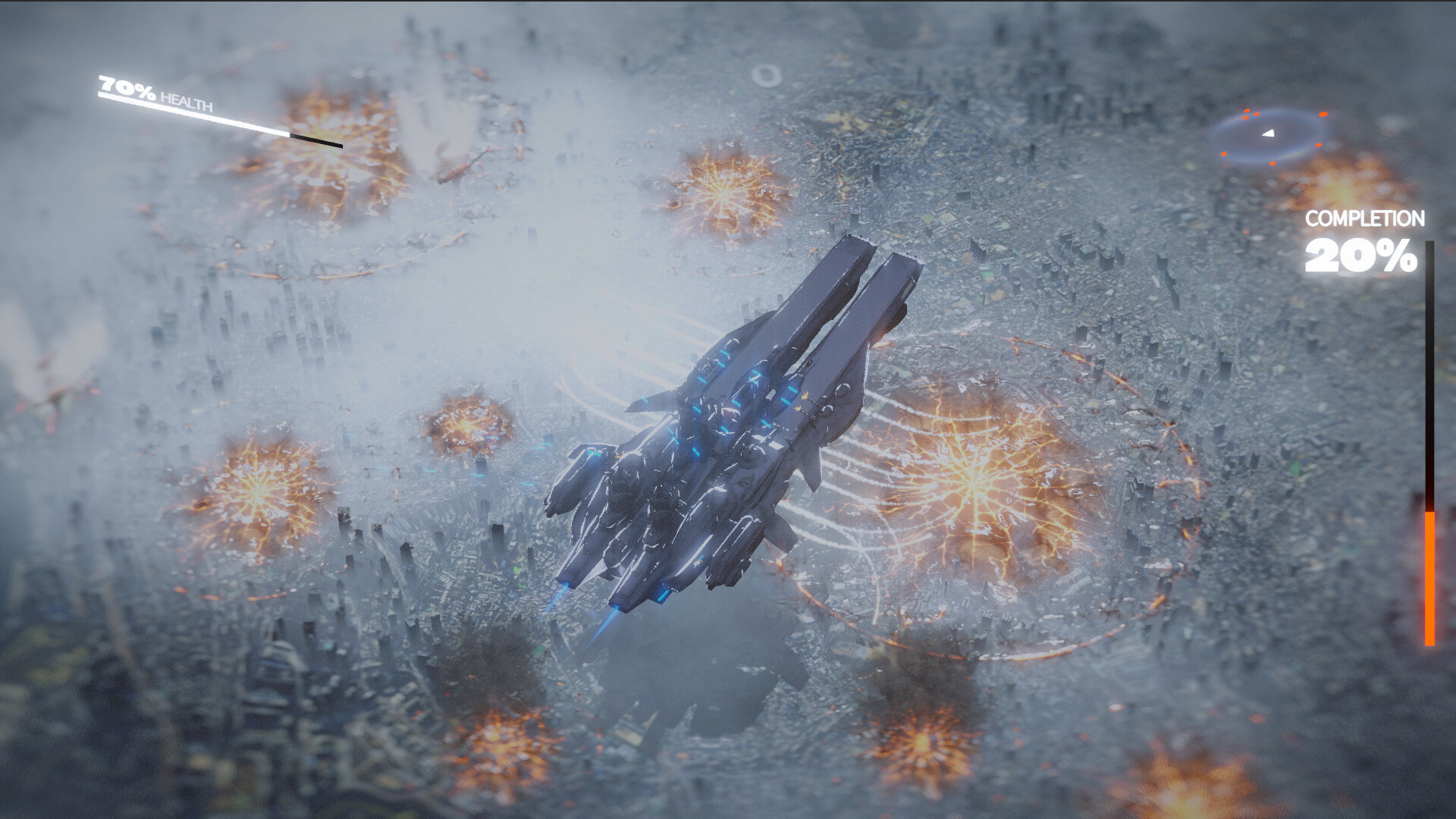
As of the second developer log on April 12, 2026, the alpha build is approximately 90 percent complete and includes two fully playable levels, a complete gameplay loop, and the retrofit system that converts intel from defeated enemies into new dreadnought armaments. The developer said in that same log that the existing Steam store description would be replaced with a more accurate game overview. That rewrite went live in late May 2026, and the storefront now carries the updated copy covering the FC 2057 premise, the four enemy categories, the modular customization areas, and the strategic route-planning layer.
The Platforms and Release page tracks confirmed system requirements, supported languages, and any launch-window updates as they appear. The benkimchi page covers the developer's stated goals, public communications, and the running list of devlogs.
Where to Begin
New readers should start with the Getting Started guide for an orientation tour: how the strategic map is structured, what the firing-mode toggle does in practice, when to deploy the Combat Mech, and how the Reverse Engineering loop converts engagements into long-term ship upgrades. From there, the TARTARUS Battleship article goes deeper on the ship's modular layout, the Continuous Campaign article explains how the strategic theater advances over time, and the Enemies article catalogues the threat categories the player will face as the war unfolds.
Development Status
The game is still pre-release. The developer reported the alpha at roughly 90 percent completion in April 2026, with two fully playable levels, the retrofit system, and a complete gameplay loop running end to end. A demo build has been described as carrying two episodes of story and about thirty minutes of play, though as of August 2026 it has still not been released or dated.
On May 31, 2026 the developer posted a combined progress and schedule update: outside investment had come in, the team was expanding from one person to two, and the full story and script were finished, described as an account of humanity's last decisive weapon and its fight for the survival of Earth. The same post said the original third-quarter target may be delayed while publishing, outsourced music, and console development are worked out. See platforms and release for the full schedule picture.