

This article is incomplete
Some sections are missing or need additional details. Help improve it by contributing.
Castlevania: Belmont's Curse takes place in Paris in 1499. The city is engulfed in flames as monstrous creatures emerge from the shadows, the moon turns blood red, and Dracula's forces have taken the streets. Konami places the story twenty-three years after the events of Castlevania III: Dracula's Curse. Creative director Emmanuel Nouaille has separately placed it between Curse of Darkness and Castlevania: The Adventure in the series timeline; Konami's own twenty-three-year line is the one printed on its materials.
Paris was not the original choice. The team first built around Venice and its carnival before dropping the idea, and moved to Paris because it works as a natural theatre for Gothic architecture and puts Notre-Dame Cathedral and Dracula's Castle in the same skyline. That decision is covered on Development History.
Confirmed Places
Location | Status | Notes |
|---|---|---|
Paris, 1499 | Confirmed | The whole game. Burning, overrun, and connected as a single map. |
The docks | Seen in the preview build | Where Rose and Trevor arrive by river and are separated. |
The streets and districts | Seen in the preview build | Several distinct districts, each with its own colour palette. Cracked walls in the street hide secrets. |
The River Seine | Confirmed | The route the Belmonts take into the city. |
The sewers | Confirmed | Where Rose first meets The Fallen. Distinct from the Catacombs. |
The Catacombs | Confirmed | Skull-lined, gated behind one large door that needs three boss keys. Blue palette. The preview build ended on opening it. |
Notre-Dame Cathedral | Confirmed | Playable. Konami describes scaling its spires. Seen burning in the background of the opening. |
The rooftops | Confirmed | Part of the stated design intent to cross the city from below the streets to the roofs. |
The prison tower | Seen in the preview build | Joan of Arc's arena. A tall tower with a burning roof, climbed non-linearly across drawbridges and unlocked doors. Bright yellow palette. |
The cemetery | Seen in the preview build | The approach to Medusa: a hole beneath a tree and a giant fountain. |
Ancient Roman baths | Seen in the preview build | Beneath the cemetery, full of Medusa Heads. Yellow and green palette. An in-game line describes it as a whole world beneath the feet of Paris, overthrown by time and forgotten by dirt. |
Church gardens | Seen in the preview build | Green palette. |
Dracula's Castle | Confirmed, not yet seen | It emerges during the game rather than standing there from the start. Carmilla waits inside. No previewer reached it. |
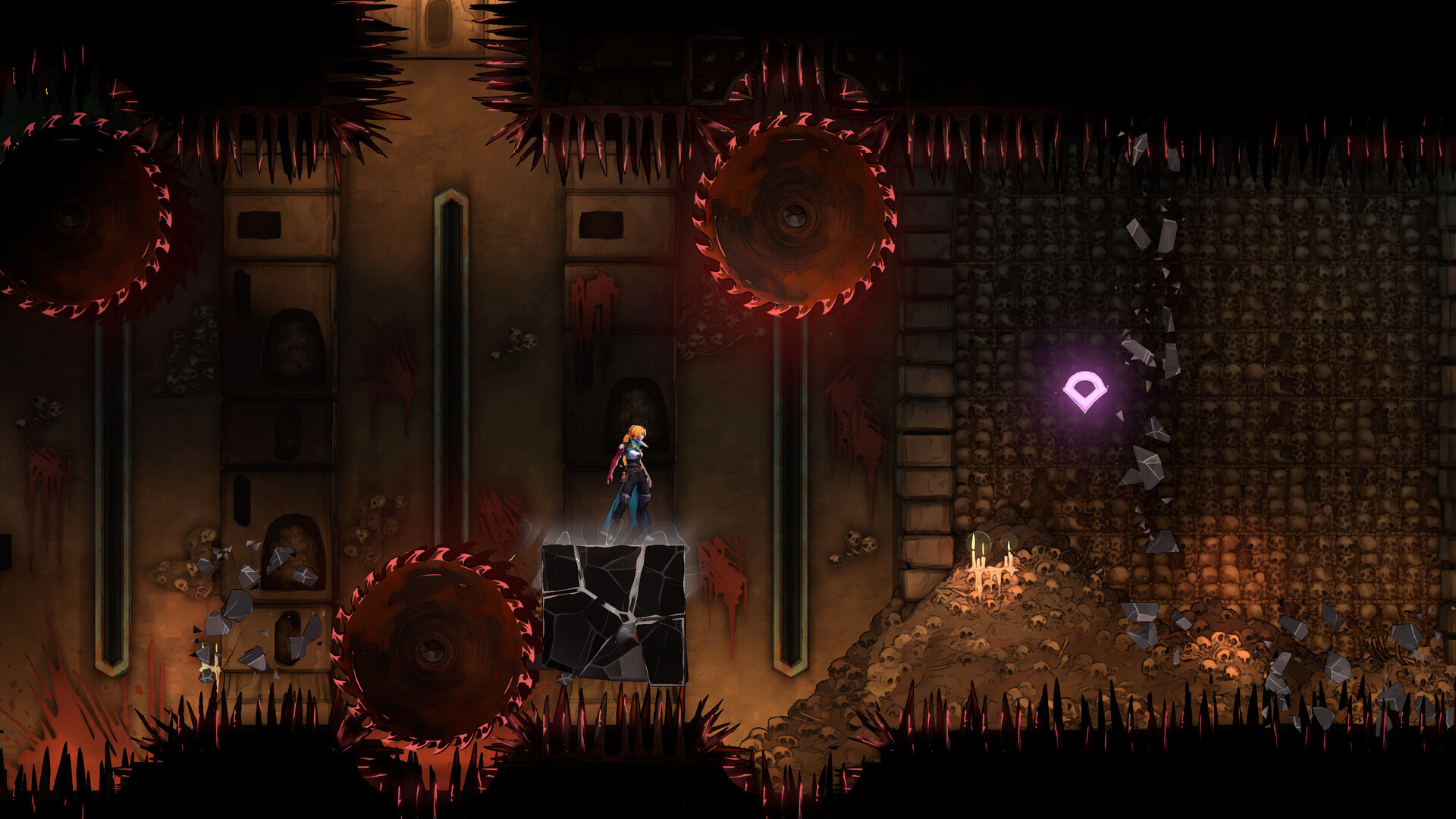
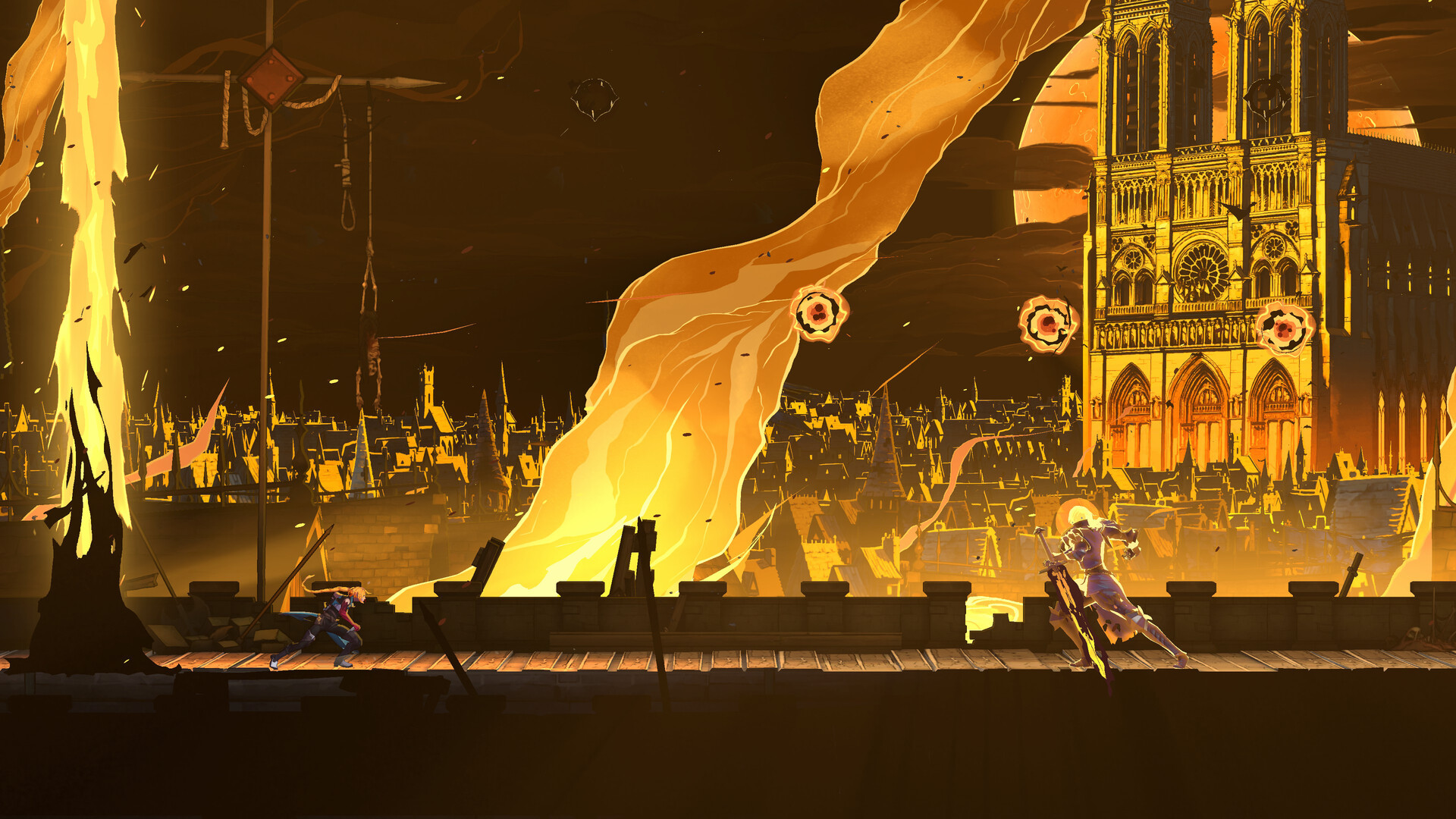
Colour as Navigation
Each district is given a distinct palette so players can orient themselves by what a place looks like. It functions as a memory aid in a game with no waypoints, and it is the reason area descriptions in this wiki mention colour at all. The palettes confirmed so far are listed in the table above and on Exploration and Map Structure.
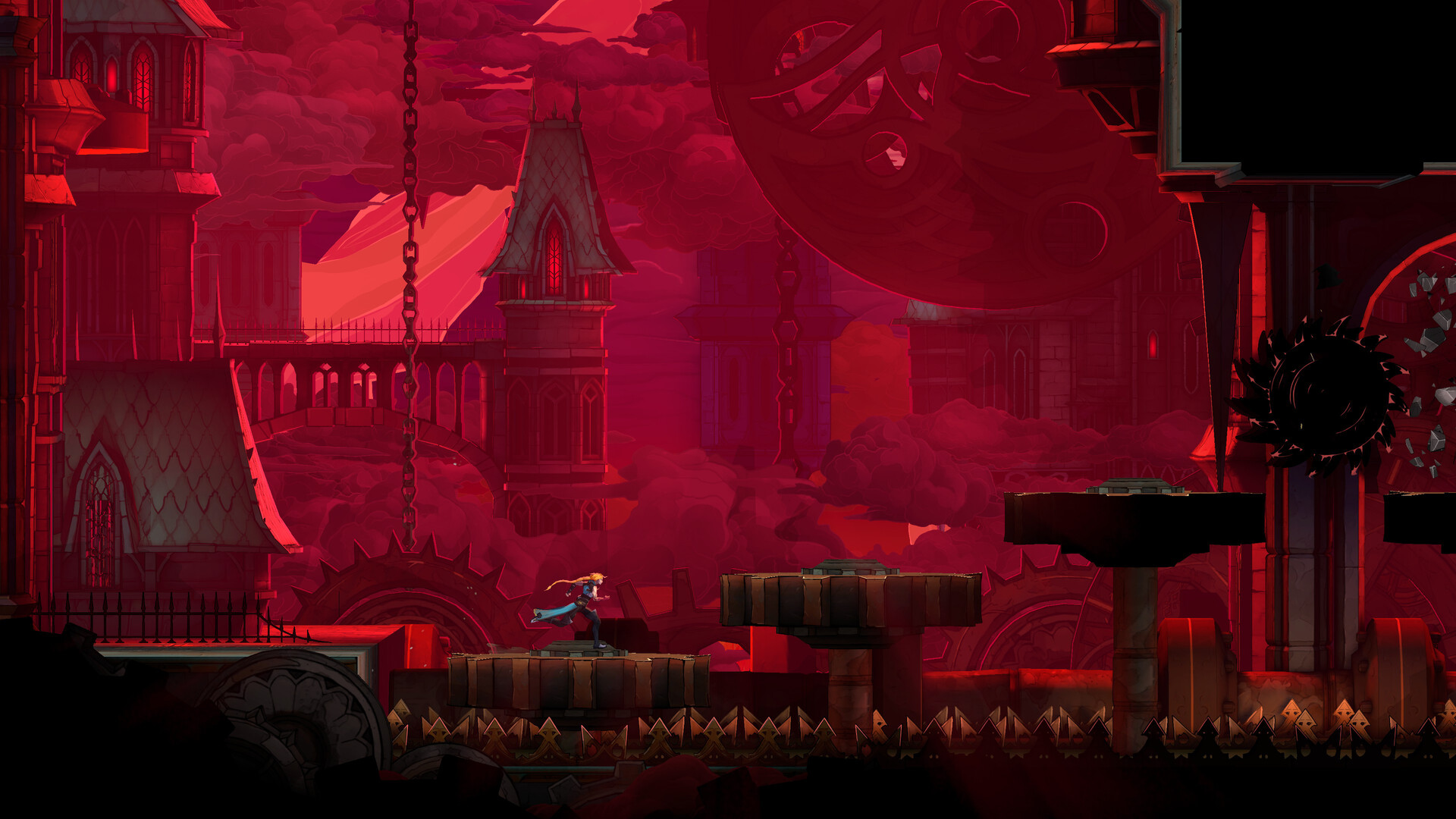
Dracula's Castle
The castle is the structural turning point of the game rather than a destination on an existing map. Konami's own commentary asks what will become of Paris when Dracula's castle finally emerges, and Nouaille has said that everything changes once the player reaches it and that the game's structure shifts there. Nobody outside the team has played that part of the game.
What Is Not Public
The map itself has not been published. There is no area list beyond the places above, no connection graph, and no room count. Track titles on the soundtrack suggest places that have not been confirmed, and they are not evidence. Castle layouts and stage lists from earlier games in the series do not apply here.