

This article is incomplete
Some sections are missing or need additional details. Help improve it by contributing.
Overview
Ananta has confirmed support for NVIDIA DLSS 4 with Multi Frame Generation (MFG), which runs on GeForce RTX 50 series GPUs, and has announced an upgrade to DLSS 4.5 that has not yet shipped. The game also features ray-traced reflections.
DLSS 4.5 Upgrade
On August 27, 2026 an upgrade from DLSS 4 to DLSS 4.5 was announced. Both the game's own wording and the graphics partner's describe the upgrade in the future tense, so DLSS 4.5 is announced rather than shipped. The upgrade names two components, Super Resolution and Dynamic Multi Frame Generation, and is described as letting the game's ray-traced world render at higher frame rates and with better image quality than the earlier DLSS 4 implementation. The same wording was published in English and in Chinese on the same day.
What the upgrade announcement does not state: when the upgrade arrives, a minimum GPU for DLSS 4.5, whether the earlier DLSS 4 path stays available on hardware that cannot run 4.5, or any measured frame-rate figure. It does not mention AMD FSR or Intel XeSS, so the platform question of alternative upscalers is still open.
What is DLSS 4 Multi Frame Generation
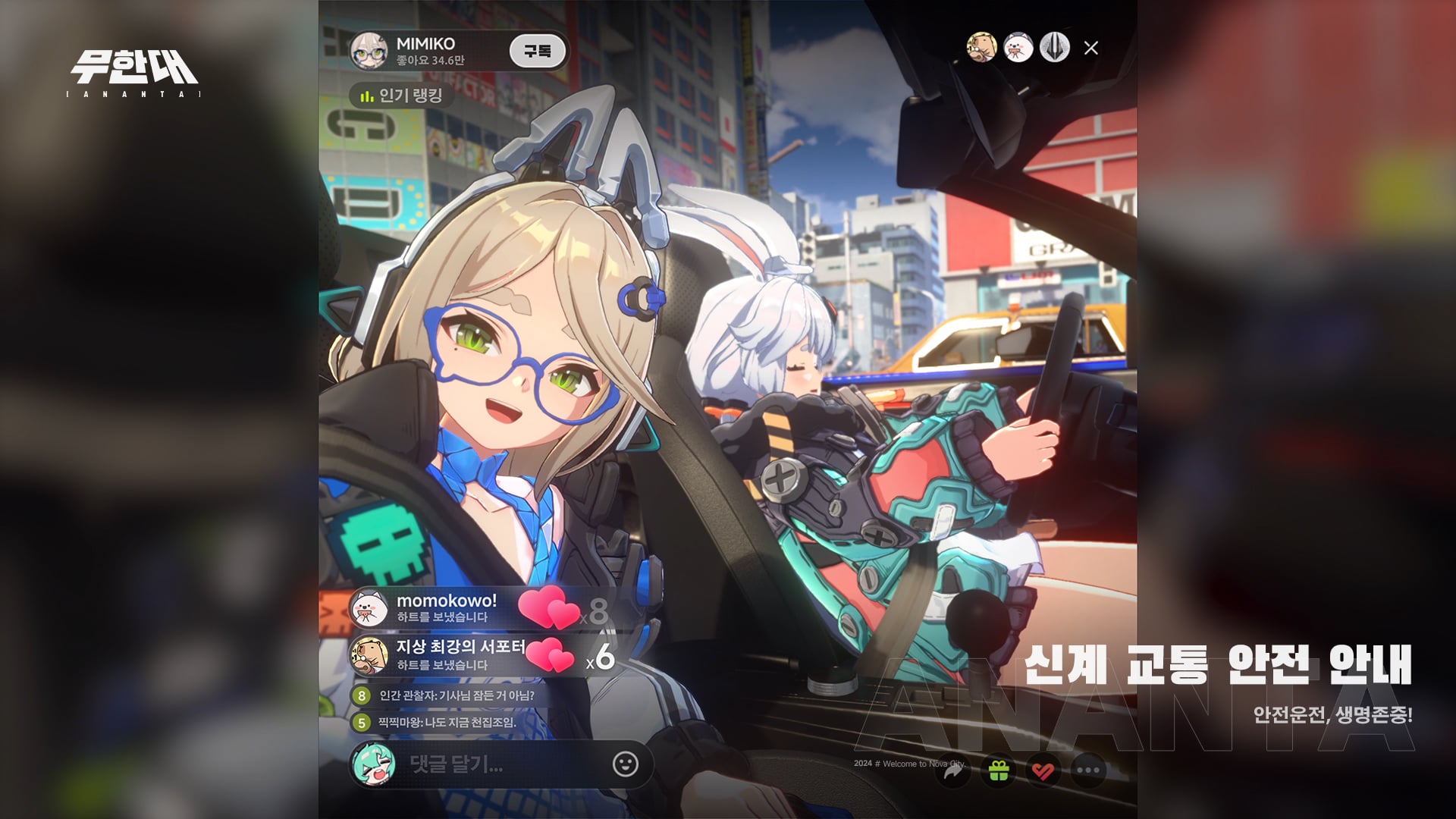
DLSS (Deep Learning Super Sampling) is NVIDIA's AI-powered upscaling and frame generation technology. DLSS 4 introduces Multi Frame Generation, which can generate multiple additional frames for every traditionally rendered frame. On supported RTX 50 series hardware, this can dramatically increase frame rates while maintaining visual quality. Previous DLSS versions generated one additional frame; MFG can generate several.
For Ananta, Multi Frame Generation means players with RTX 50 series GPUs can expect smoother performance even at high resolutions and with demanding visual features like ray tracing enabled. Given the game's recommended specs (RTX 3080 for the TGS build), DLSS 4 could make a substantial difference for players running the game at 4K or with all visual settings maxed.
Ray-Traced Reflections
Ray-traced reflections have been confirmed for Ananta. This means reflective surfaces (glass buildings, wet streets, polished floors, vehicle bodies) in Nova City will show accurate real-time reflections calculated using ray tracing rather than screen-space approximations. In an urban open-world game with a Day-Night Cycle and Weather System, ray-traced reflections can have a pronounced visual impact, especially during rain or nighttime scenes where reflective surfaces are most visible.
Whether additional ray-traced effects beyond reflections (such as ray-traced global illumination, ambient occlusion, or shadows) are supported has not been confirmed.
Game Engine
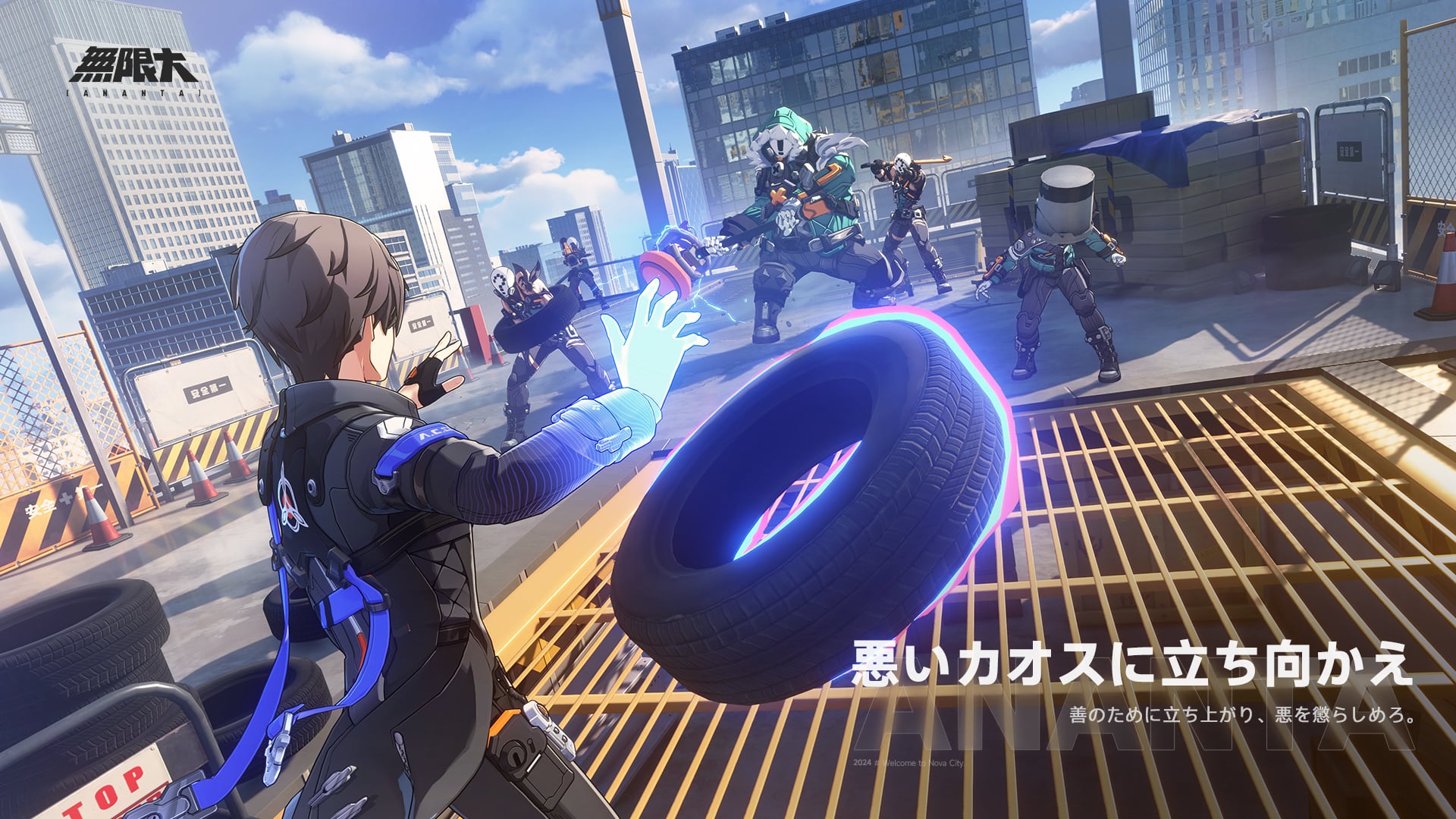
Ananta is built on a heavily optimized version of the Unity engine. The Naked Rain team has apparently invested considerable engineering effort into pushing Unity well beyond its default capabilities, including custom rendering pipelines and the integration of hardware ray tracing.
What Remains Unconfirmed
Feature | Status |
|---|---|
Frame rate benchmarks | No specific performance numbers (e.g. average FPS at 1080p/1440p/4K with DLSS enabled vs. disabled) have been published. |
Additional ray tracing features | Only ray-traced reflections have been confirmed. RT global illumination, RT ambient occlusion, and RT shadows may or may not be present. |
AMD FSR support | Whether AMD's FidelityFX Super Resolution (FSR) will be available as an alternative to DLSS has not been stated. |
Intel XeSS support | Similarly, Intel's XeSS upscaling technology has not been confirmed or denied. |
Console ray tracing | Whether the PlayStation 5 version will include any ray tracing features has not been addressed. |
Practical Implications
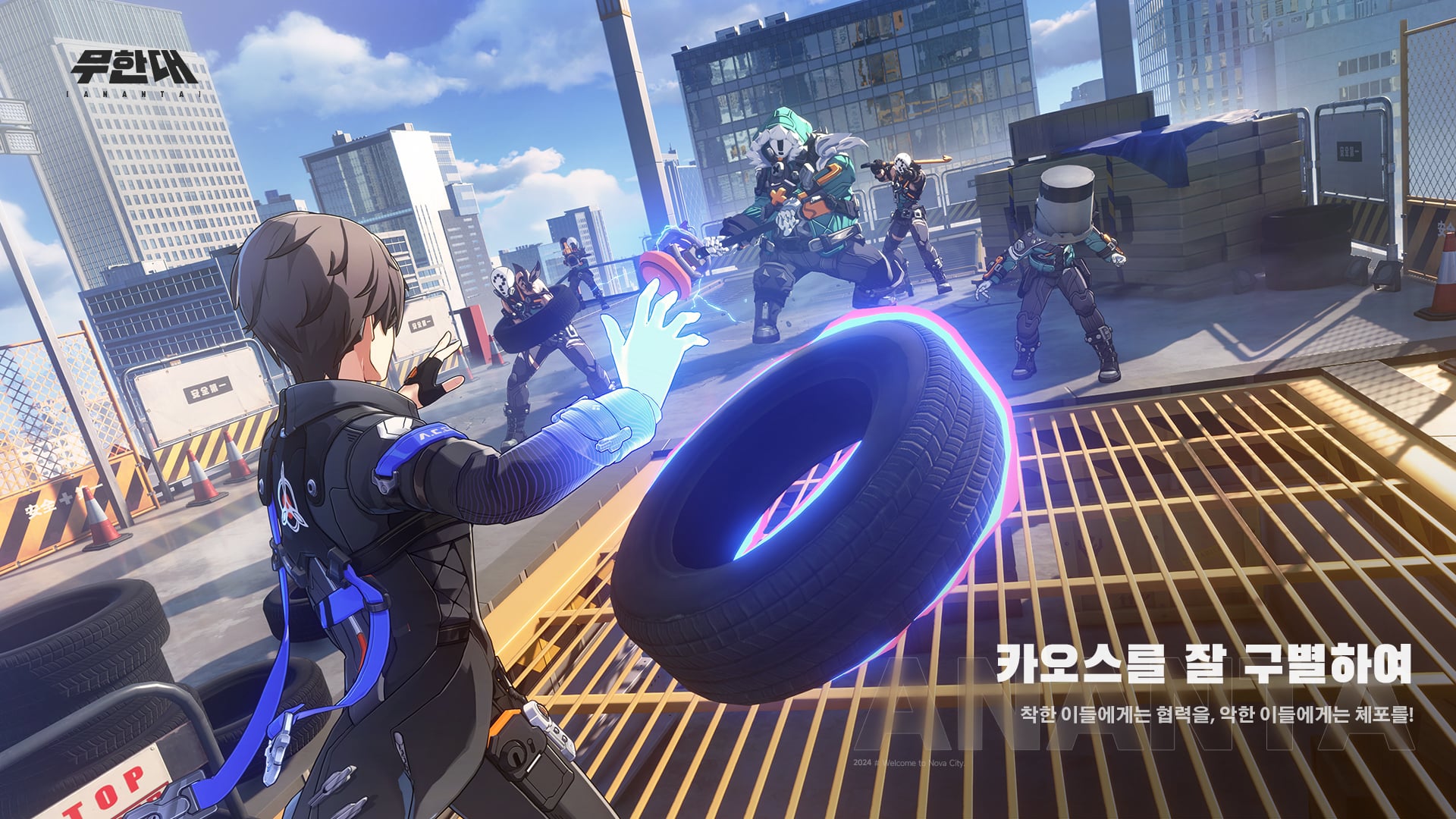
Given Ananta's large storage requirements (up to 250 GB) and high recommended specs, DLSS support is likely to be important for many PC players. The game's visual density, with a full urban skyline, real-time weather, dynamic lighting, and crowds of NPCs, places heavy demands on rendering hardware. DLSS 4 on RTX 50 series cards could be the difference between a playable and an exceptional experience at higher resolutions.
For players on older hardware, standard DLSS without Multi Frame Generation, or another upscaling option, would be the relevant path; none of that has been confirmed for this game. Whether earlier DLSS versions are separately supported has not been stated.