

The late Ming Dynasty
A Whisper of Fall: Jinyiwei is set during the late Ming Dynasty (roughly the early-to-mid 1600s), one of the most turbulent periods in Chinese imperial history. The Ming ruled China from 1368 to 1644, and its final decades were defined by political corruption, factional infighting, military threats on multiple borders, peasant rebellions, and economic decline.
The Title's Double Meaning
"A Whisper of Fall" (秋声, literally "autumn sound") is a double reference. In Chinese poetry, autumn is a recurring symbol for decline and melancholy. The title evokes both the season and the literal fall of the dynasty. The original Chinese title, 一盏秋声, carries a sense of quiet, intimate contemplation of collapse, "one lamp's worth of autumn sound."
Political Backdrop
The game's political landscape includes several competing power centers, drawn from historical late Ming dynamics:
Eunuch factions Eunuchs wielded enormous power at the late Ming court, controlling agencies like the Eastern Depot (东厂) and Western Depot (西厂). The most notorious was Wei Zhongxian, who effectively ruled during the Tianqi Emperor's reign.
The Eastern Depot A eunuch-staffed spy agency that competed with and eventually dominated the Jinyiwei. It could investigate and arrest officials of any rank.
Prince Qing (庆亲王) Referenced in the game as gathering forces for rebellion in the border regions.
Oirat/Wala (瓦剌) forces Threatening from beyond the northern frontier. The historical Oirats famously captured the Ming Yingzong Emperor at the Battle of Tumu in 1449.
Bandits run rampant and the common people suffer. The protagonist navigates this collapsing order as a double agent, forced to choose between institutions that are all compromised in different ways.
Environments
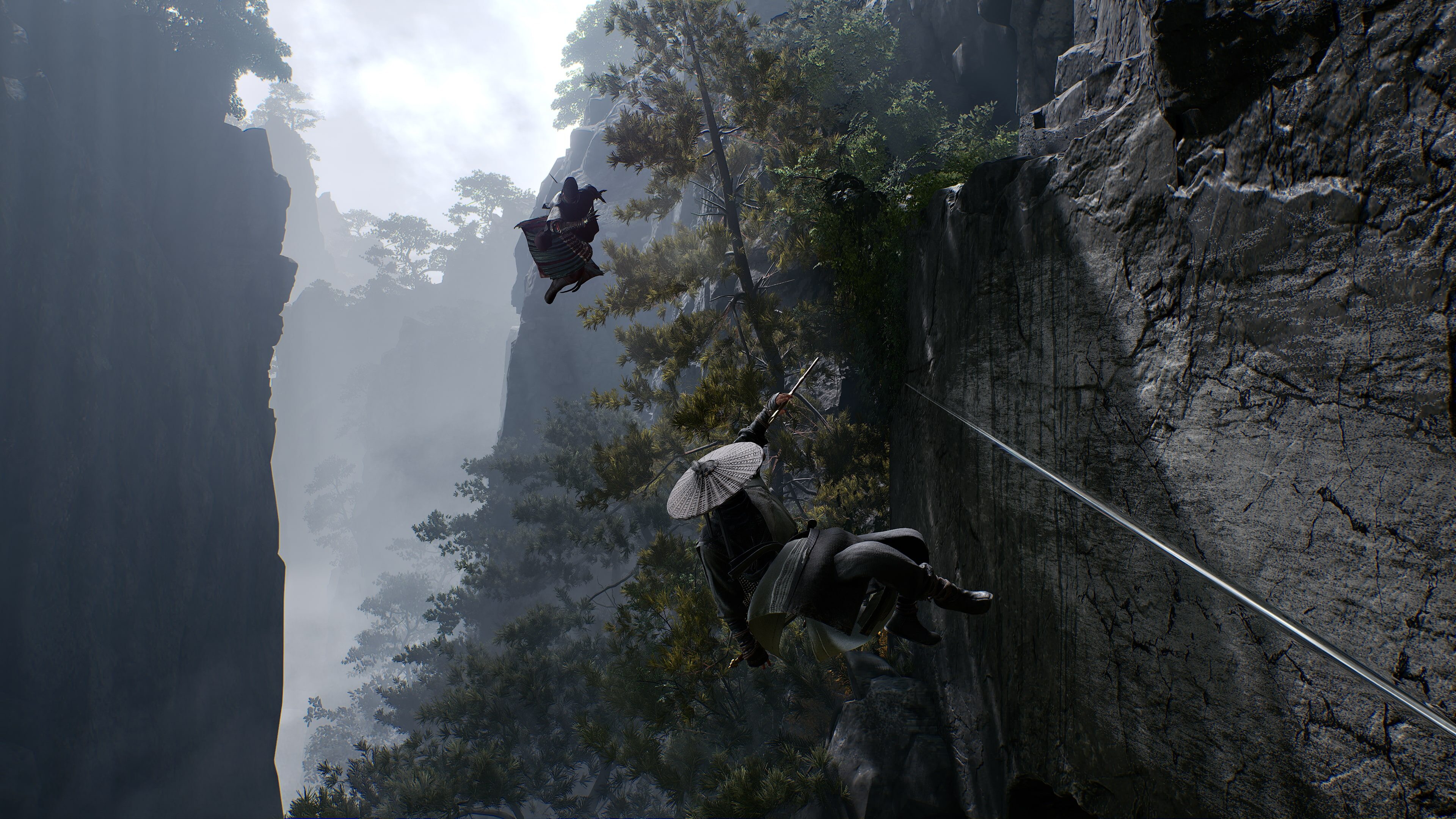
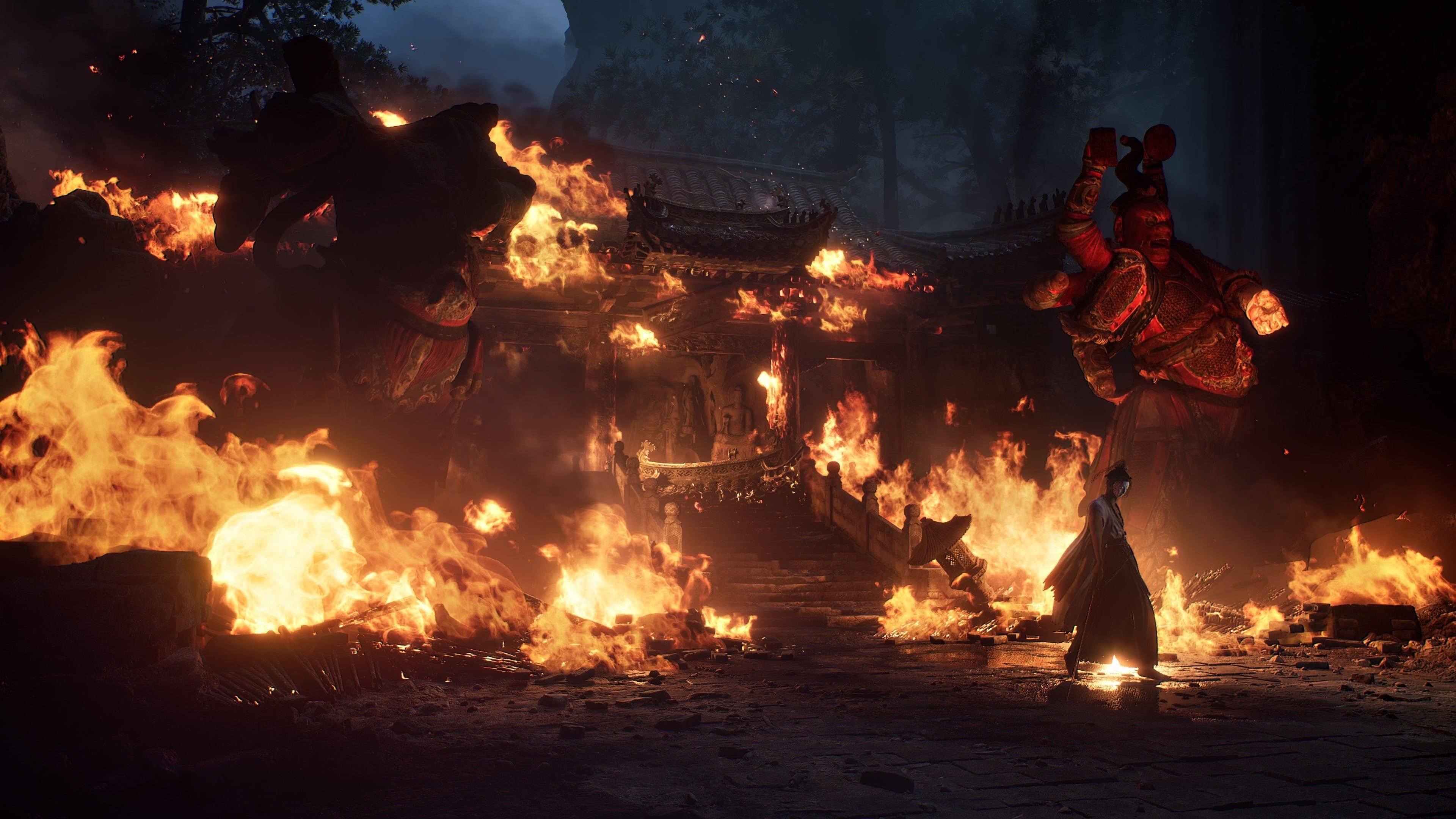
Game environments reflect the late Ming urban and wilderness landscape. The capital city (京城) is the primary setting, with the Main Street hub connecting the player to missions. Level environments include traditional Ming architecture, fortified compounds, mountain wilderness, waterfronts, and night scenes. The visual approach uses Unreal Engine 5 to create atmospheric depictions of a civilization in decline. Lantern-lit streets, crumbling fortifications, and ominous dungeons (阴森的地牢).
Cultural Context
Stories set during dynasty transitions (where the old order collapses and individuals must choose allegiances) have a long tradition in Chinese storytelling. The late Ming is a particularly popular setting in wuxia fiction because the Jinyiwei, eunuch factions, and martial underworld (jianghu) provide natural dramatic tension.