Loading...
Loading...
Investigation System
August 6, 2026 at 04:36 PM
Added the Curious Deductions format with multiple endings and the Evidence Board reset

The investigation system is what sets Silver Palace apart from other action RPGs. As a Detective in Silvernia, players solve crimes using four approaches: diplomacy (dialogue and persuasion), deduction (evidence-based reasoning), instinct (gut feelings), and steel (force). The hybrid loop pairs a detective adventure workflow with a party-based action RPG combat layer, with the two systems sharing characters, evidence, and consequences.
At crime scenes, the game enters an investigation mode. Players search the environment for physical evidence, examine dead bodies, and harvest clues. Objects can be freely rotated and studied from all angles, letting players hunt for hidden engravings, broken edges, or fragile clues. Easily missed details on objects may contain important information.
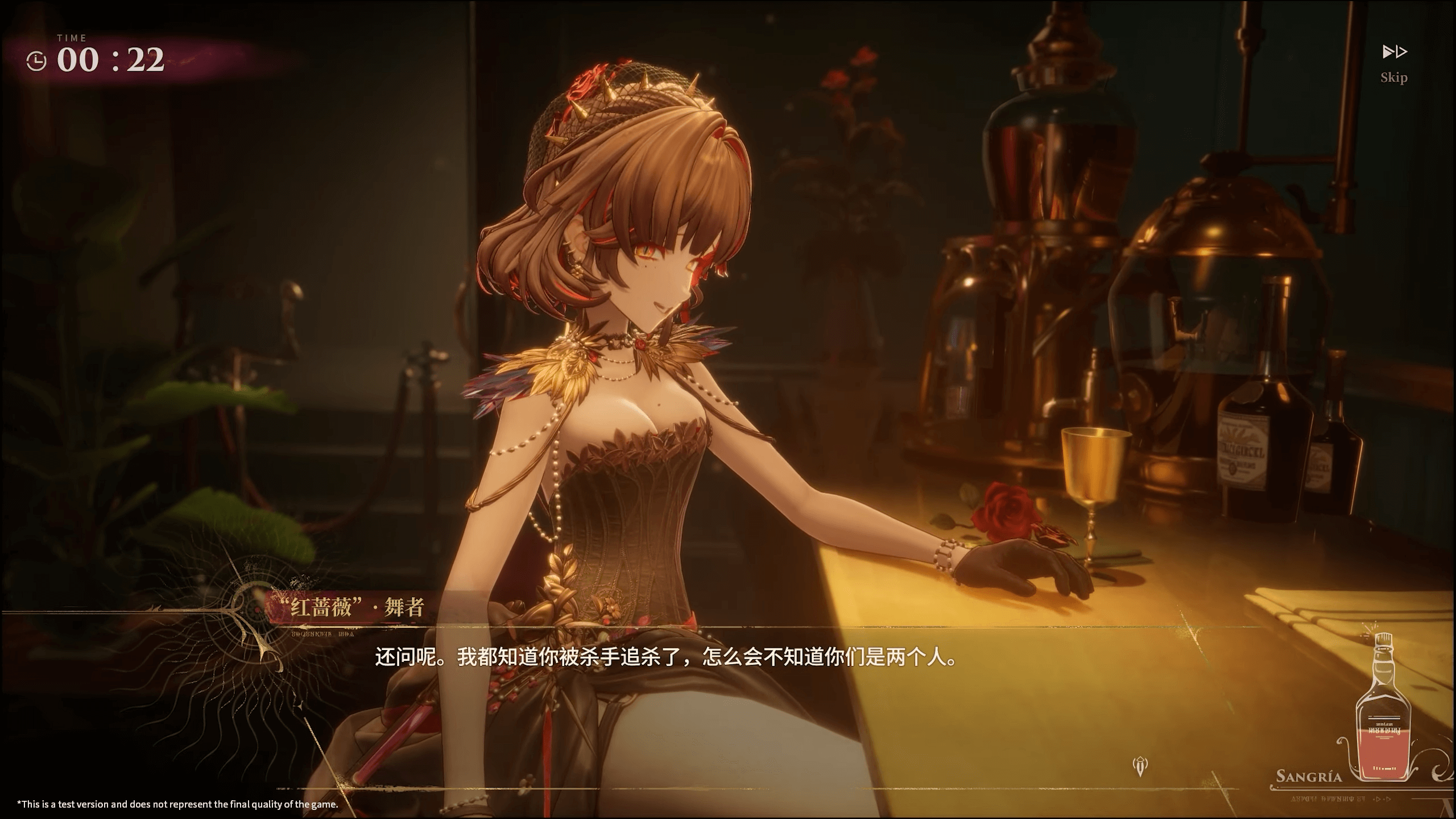
Players can scan NPCs and characters from head to toe in real time, stopping at specific points to collect information. When examining the character Rose during the game's reveal trailer, scanning revealed a hidden weapon concealed in her dress. This scanning mechanic bridges investigation and combat, since the intelligence gathered can reveal enemy weaknesses.
The Danger Radar is an alert system that detects enemies disguised as civilians. By scanning surrounding NPCs, players can identify monsters or hostiles hiding in plain sight. Exposing them triggers a combat encounter. This mechanic ties the investigation loop directly into the combat loop, keeping players attentive even in seemingly peaceful areas.
When confronting suspects and witnesses, players choose dialogue options and can present collected evidence. Presenting the right evidence at the right time can break an alibi or expose contradictions. Stealth-based approaches also feed into interrogation: players can sneak up on targets, knock them out or use anesthetics, and then interrogate them.
The Mindpalace is a mental simulation space where the Detective recreates and simulates crime incidents. Players reflect on collected information and attempt to reconstruct what happened. It functions as the game's deduction mechanic, letting players piece together a sequence of events from fragments of evidence.
Located in the Detective's office, the Evidence Board is where players actively sift through collected information and construct hypotheses. Multiple deduction paths may be available for each case, and the player's choices on the board affect the story's direction. The game's official description says: "Your choice will carve not just your destiny, but the fate of many."
The Monotype Beta included Chapter 1, titled "Burnt to Cinders," which contained three cases:
The Nameless Ashes Case (a series of spontaneous combustions that killed dozens)
Mystery of the Stolen Silver
Case of Grimm's Death
Curious Deductions are a case format introduced in the Dichotomy Beta, and the first of them is The Resurrection Enigma: a scholar dies, an ancient legend settles over a secluded manor, and a wound vanishes from the body in a cemetery at night.
What separates the format from the first beta's cases is that it does not have one answer path. Each deduction the player commits to on the Evidence Board steers the investigation toward a different conclusion, and the case supports several. A Restart Deduction option rolls the Evidence Board back so the same evidence can be read a different way, which turns the case into something closer to a puzzle box than a linear investigation.
Only one conclusion is the true one. Reaching it unlocks a unique collectable and an achievement, so the multiple endings are explicitly framed as attempts rather than as equally valid outcomes. The format is grouped under Curious Cases in the game's Commissions list.