This article is incomplete
Some sections are missing or need additional details. Help improve it by contributing.
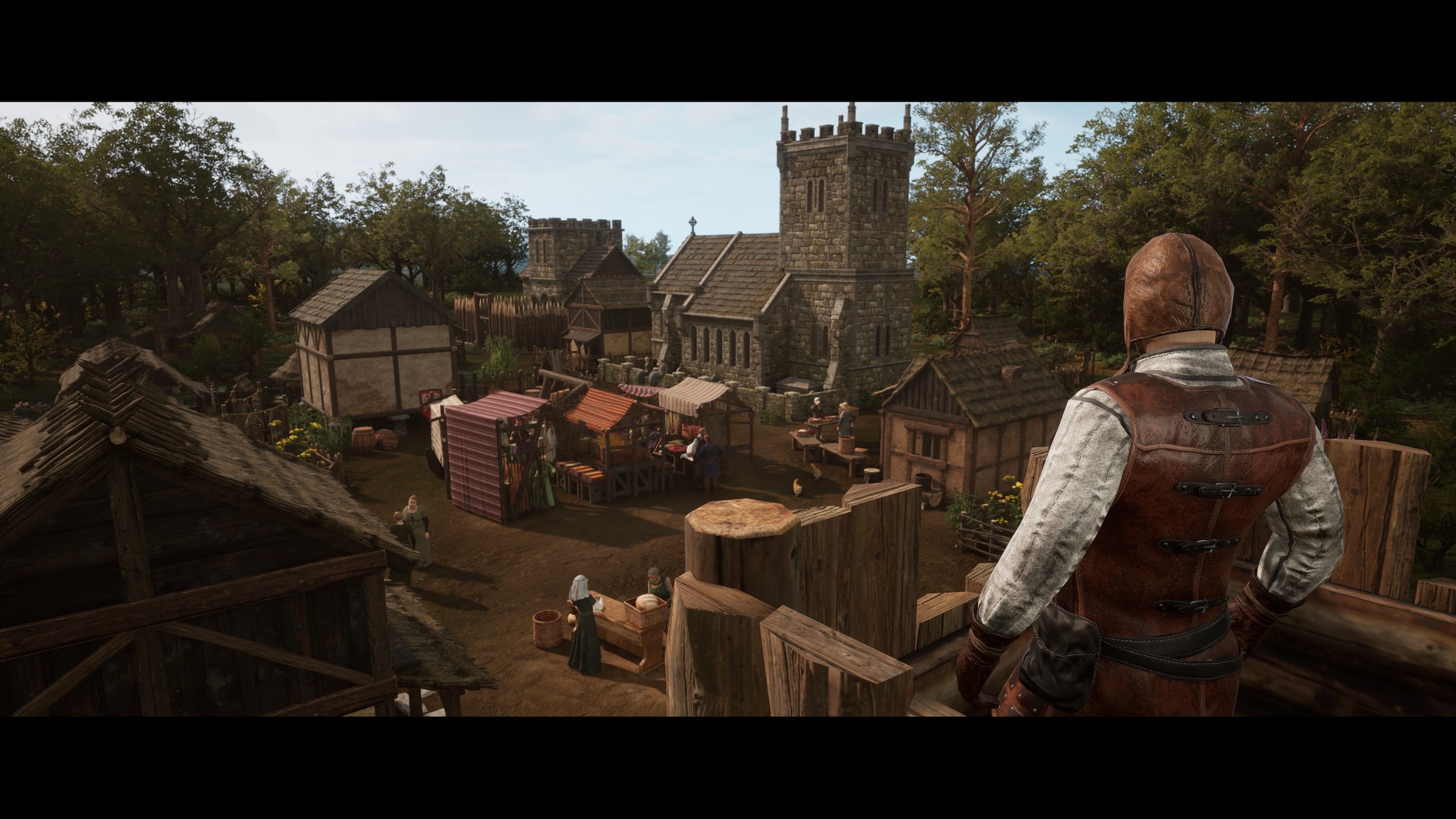
Construction is at the centre of Stronghold 4. Players lay out and customise their castle piece by piece, decorating it with cosmetic touches and feudal detail so that no two strongholds look quite alike.
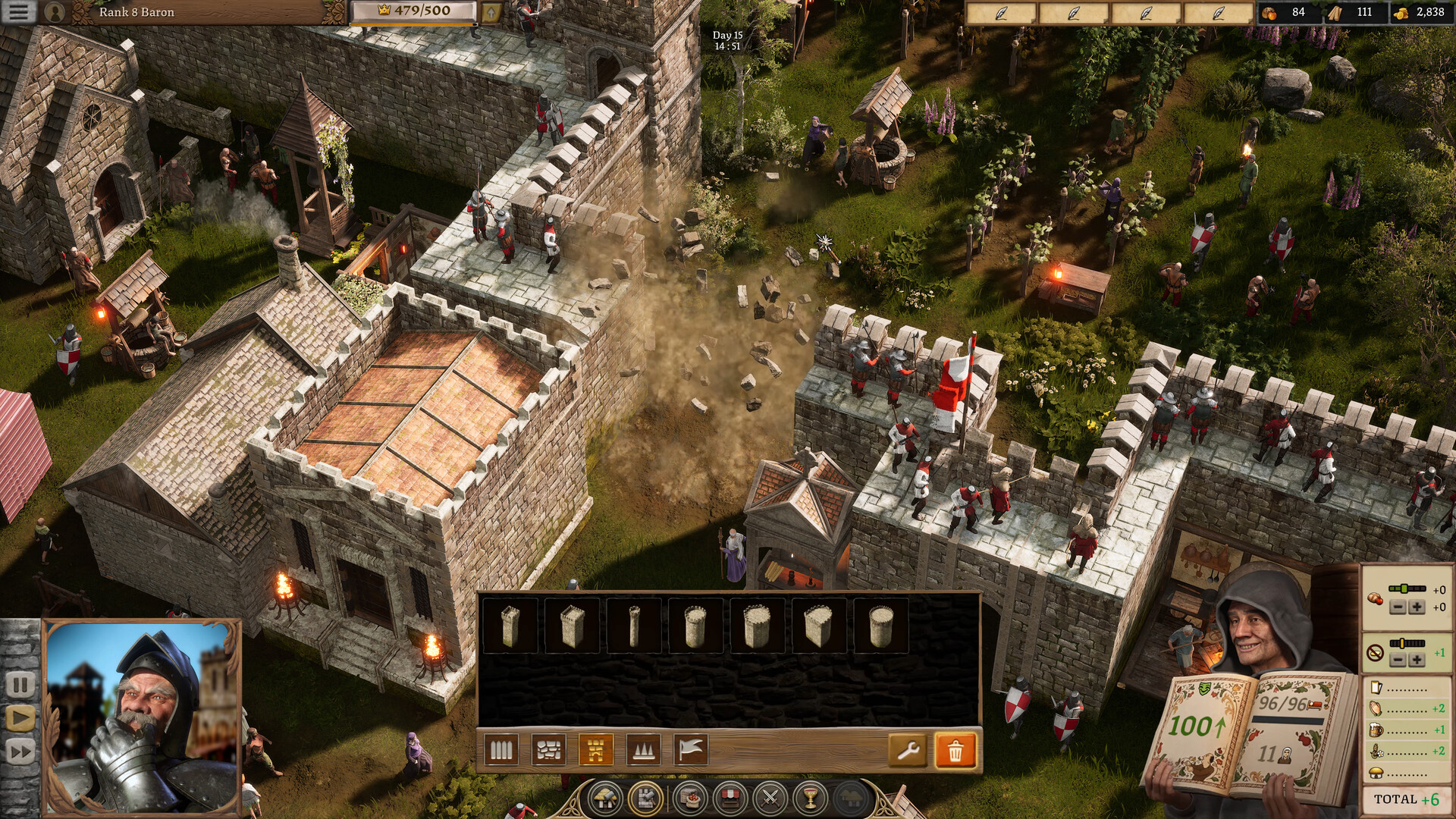
A castle is more than decoration. Its design is interwoven with the economy and supply chains that feed it and the defences that protect it, so where walls, workshops, and stores are placed has real consequences. Maps in this entry are larger than in earlier games, giving more room for sprawling fortifications and settlements. The buildings available to place also widen as the castle climbs through honour ranks, so early layouts grow into grander fortifications as a settlement advances.
Because the surrounding world reacts to weather and the passing day, a well-planned castle also has to account for conditions that change over the course of a game.
In practice, a defensible layout means tying walls to towers and gatehouses so the perimeter holds under pressure, then routing the economy and defences through that footprint. As honour rises, higher ranks unlock more building types, so an early settlement can grow into a far grander fortress across a single game.
Castle Pieces and Cosmetics
The construction set has grown. Firefly has shown customisable stairs, new wooden walls, towers and bastions, and diagonal gatehouses, alongside decorative touches for personalising a fortress. The fear factor system returns too: a mix of new and returning fear buildings sits next to pleasant decorations like gardens, and both shape how the population feels about the place they live.
Placement and Cutaways
Building is no longer tied to estate borders. Structures can be placed anywhere within range of the keep, giving more freedom over where an economy and its defences sit. Workshops and town buildings also use cutaways so their interiors are visible: a cutaway opens automatically depending on the zoom level or when a worker is inside, and hovering the mouse over a building reveals the peasants at work within.
Maps come in several size classes. Firefly has said the classes it is working to at the moment are 400 by 400, 600 by 600, 800 by 800, and 1,000 by 1,000, with the largest leaving plenty of room for sprawling walls and settlements. Those are working targets during development rather than fixed limits.
The store listing for the demo also flags a level editor among its features. Firefly has not described what it covers or when it will be available, so its scope remains open.
Interface and Quality of Life
Firefly has listed a set of quality-of-life features alongside the construction tools: game speed options, rebindable hotkeys, customisable resource counters, control groups, and rally points.
How much a player can build has not been settled. Firefly has said it is too early in development to fix a final building limit, that pushing that limit as high as possible is a priority, and that it plans to test and tune it with players before launch.