

PUBG: DED.NET is a first person shooter played from a squad's point of view across a large outdoor map. The store description calls it a multi-player FPS with roguelite elements, and the creative director has described it as a heavily twisted battle royale. Individual matches sit inside a longer structure called a run, which is covered on Roguelite Progression.
Match Structure
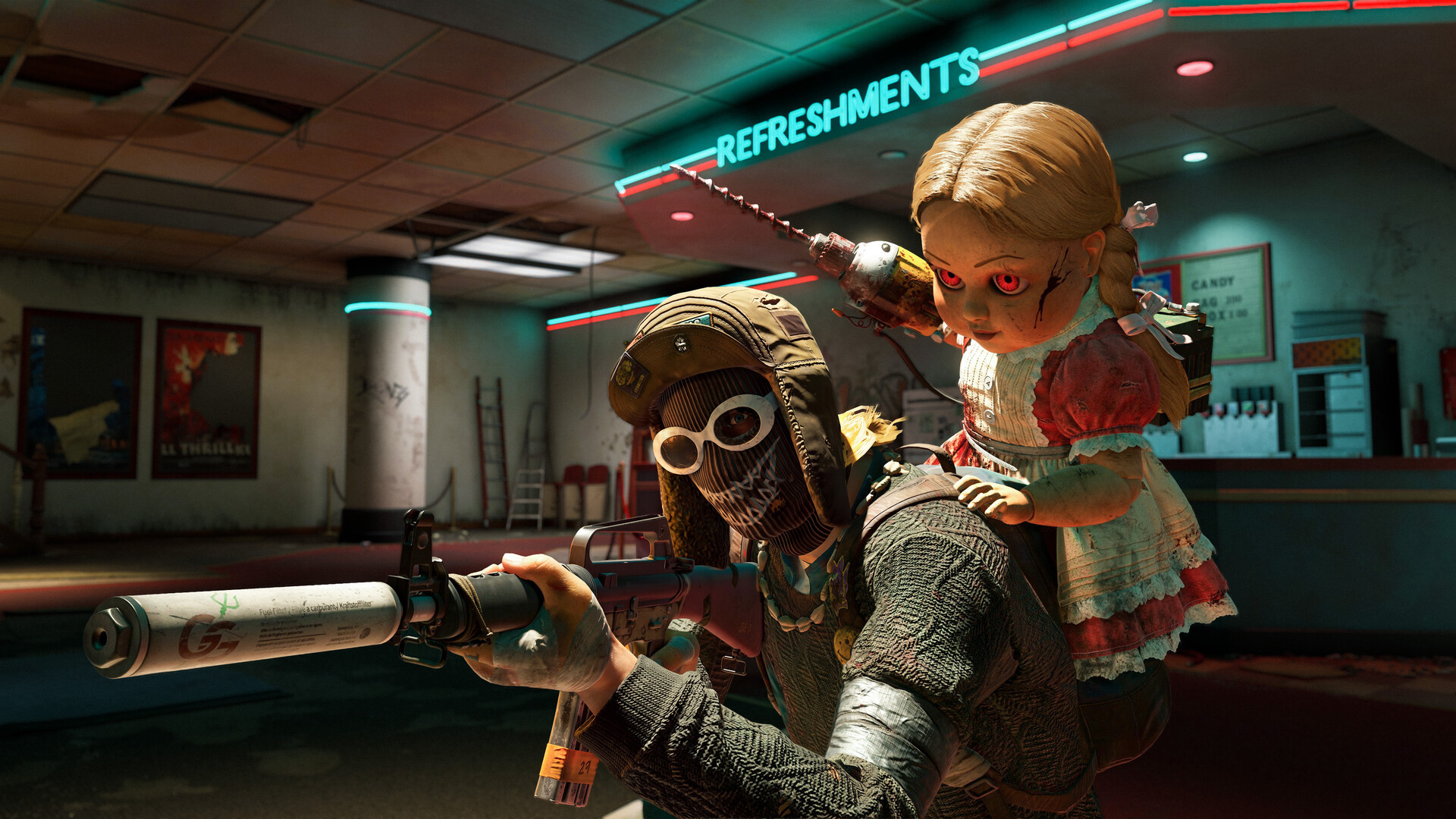
Each match holds 60 players divided into squads of three. That is a smaller lobby than the 100-player format the wider PUBG brand is known for, and the studio has said the difference is deliberate. Trios were chosen after more than two years of testing: a lone player against four opponents was judged unwinnable, a lone player against two was judged to lack tension, and a lone player against three was the version where the odds are bad but the outcome is not settled in advance.
Element | Confirmed Detail |
|---|---|
Players per match | 60 |
Squad size | Three |
Match length | About 30 minutes for the surviving squad |
Starting circle | Roughly 2.5 km by 2.5 km |
Full map | 5.5 km by 5.5 km, set in Cascadia |
Phases per match | Five |
Perspective | First person |
Phases and Staged Ability Unlocks
A match runs through five phases. Abilities do not simply accumulate as players find them mid-match; instead each phase boundary unlocks a slot for everyone at the same time. If you are running four abilities, so is the squad on the other side of the treeline. The studio arrived at this after an earlier version let a player with five abilities queue directly against a player with none, which it found punishing for newcomers and for anyone early in a run.
The point of the system is that everyone has the same number of options while the options themselves are different. One player may have spent their choices on awareness and movement, another on breaking down doors and hiding in appliances. The studio has said it deliberately excluded flat numerical boosts such as multiplied damage or multiplied health from the ability pool, on the grounds that those are both unbalanceable and uninteresting, and has aimed instead at abilities that open up a tactic.
The Zone
The early phases behave the way an experienced battle royale player would expect: a circle that closes in stages. After a few phases that changes. The zone starts wandering rather than shrinking predictably, which makes its final resting place difficult to read and removes the habit of camping the likely centre. Because a match starts in a roughly 2.5 km by 2.5 km slice of a much larger region, squads also do not know in advance which part of Cascadia a given match will be fought over.
Terrain and Movement
The map mixes towering cliffs with low flat plains, and the studio has claimed the densest forest yet built for a battle royale. Verticality is the difference the creative director points to most often when contrasting the map with earlier work. Towns are described as densely built, with a lot of cover and interior space to fight through.
Movement and gunfight pacing are faster than the brand's earlier games. The studio lists pace as one of two headline pillars, and defines it as covering movement speed, how long engagements last, and how long players wait between respawns. The second pillar is persistence, meaning the character you build carries forward. Some movement abilities are explicitly cinematic, including long dives and slides.
Unorthodox Tactics
The store description lists several tactics as examples of what the ability set allows, and interviews have expanded on them.
Ripping a car door off a vehicle and using it as a riot shield
Cannibalising a downed enemy to recover health
Playing dead
Hacking payphones to take money from rivals
Crawling flat on your stomach
Hiding inside a refrigerator or a locker and watching through the gap
Squads and Audio
Squads matter beyond raw numbers. One confirmed ability plays music from a boombox that heals the player carrying it and their squadmates, which means silencing it becomes a tactical objective for the other side. The world also carries period radio: separate stations play through shopping malls, dive bars and car radios, and the studio has said the tracks are licensed music chosen to fix the era.
Sound is used against players as well. Hiding inside a container is not free, because faint breathing plays while you wait. One confirmed ability makes the controller vibrate faintly when an enemy is close, which turns a hiding spot into an ambush position rather than a bolt hole.
Solo Play
Trios are the confirmed format. The studio has said solo play has been tested internally, that it makes the game slower, more tactical and considerably more frightening, and that it would be considered if enough players ask for it. It is not a confirmed mode.
Not Yet Confirmed
Weapon lists, weapon stats, attachments, and recoil or ballistics behaviour
Vehicle types and handling
The revive and respawn rules in detail, and how they differ between phases
Loot tiers, spawn rates, and where specific gear is found
Whether a duo or solo queue exists at launch
Matchmaking, ranked structure, and any skill-based grouping