

Phantom Blade Zero's side quests are not self-contained diversions. Choices made in the game's side content feed back into the main story and ultimately drive which of eight distinct endings the campaign reaches. The design goal, in S-Game's own framing, is that who Soul is depends on what the player does.
How the Side Quests Feed the Main Story
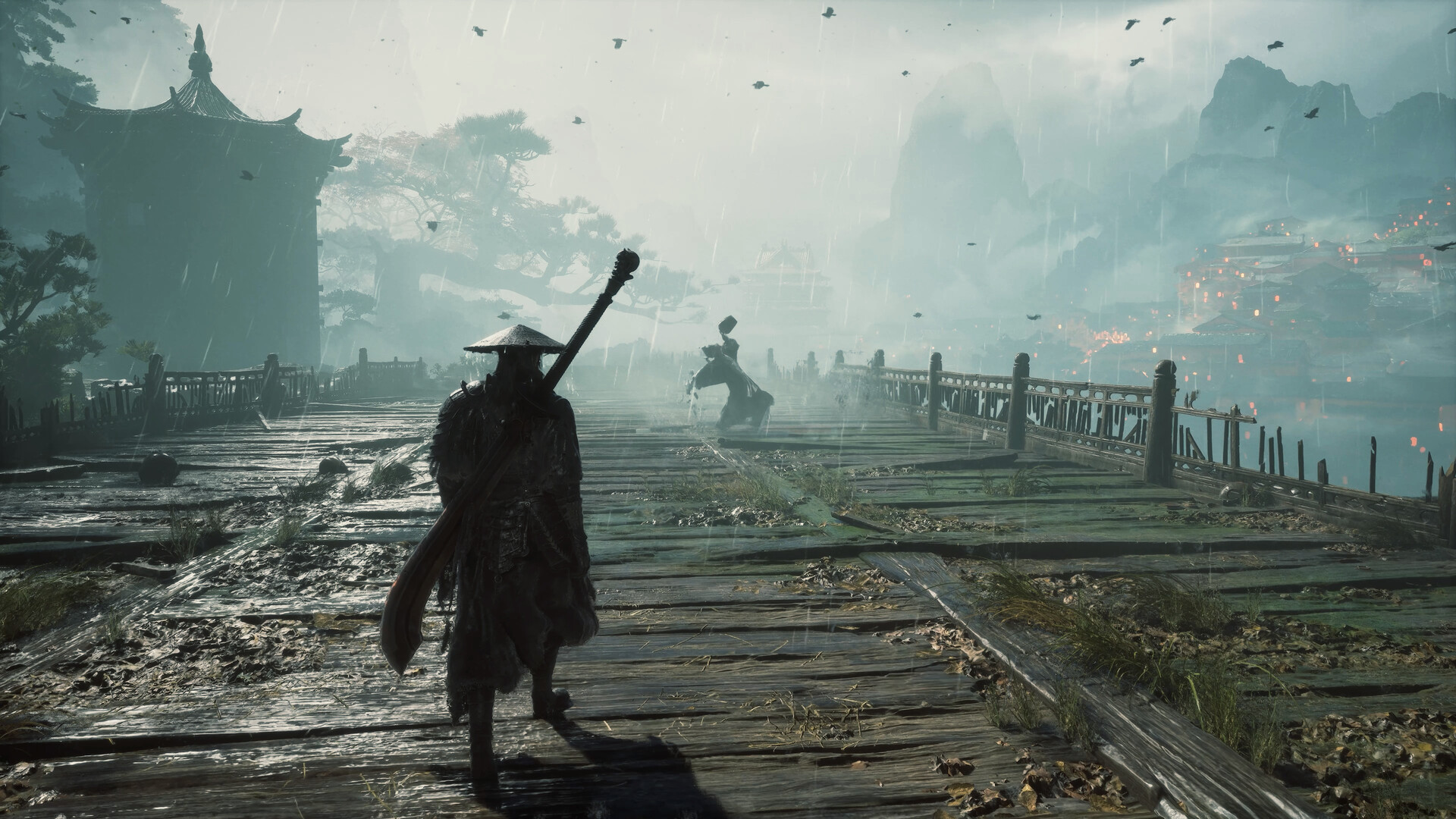
Side quests explore the stories of other characters around Soul, rather than being throwaway errands.
Choices made during those side quests ripple into the main storyline, shifting dialogue, outcomes, and who is alive by the finale.
Acting with honor has a bigger macroscopic impact. It is not a numerical honor meter, but the sum of the player's decisions produces a larger shift when those decisions are honorable.
Xia as a Through-Line
The game's wuxia framing names the underlying concept explicitly. 'Wu' is martial skill and 'Xia' is inner righteousness. Side quests are where the player's Xia is shaped, and that Xia is what tilts the main plot's revenge-and-love arc in one direction or another.
Eight Endings
The campaign has eight different endings. Which one triggers depends on the accumulated outcomes of the side quests the player has completed, rather than on a single late-game decision. That means early-game side content matters even if the branching is not obvious when the choice is made.
No Honor Meter
Despite comparisons in the press, Phantom Blade Zero does not use a Red Dead Redemption 2 style numeric honor system. The developers have been explicit that there is no visible meter; instead the cumulative shape of the player's actions is what the engine tracks.
Scope
S-Game has publicly estimated roughly 30 hours of main-story content plus around 20 hours of side content, for a total of approximately 50 hours depending on how much side material the player pursues.
How Choices Carry Forward
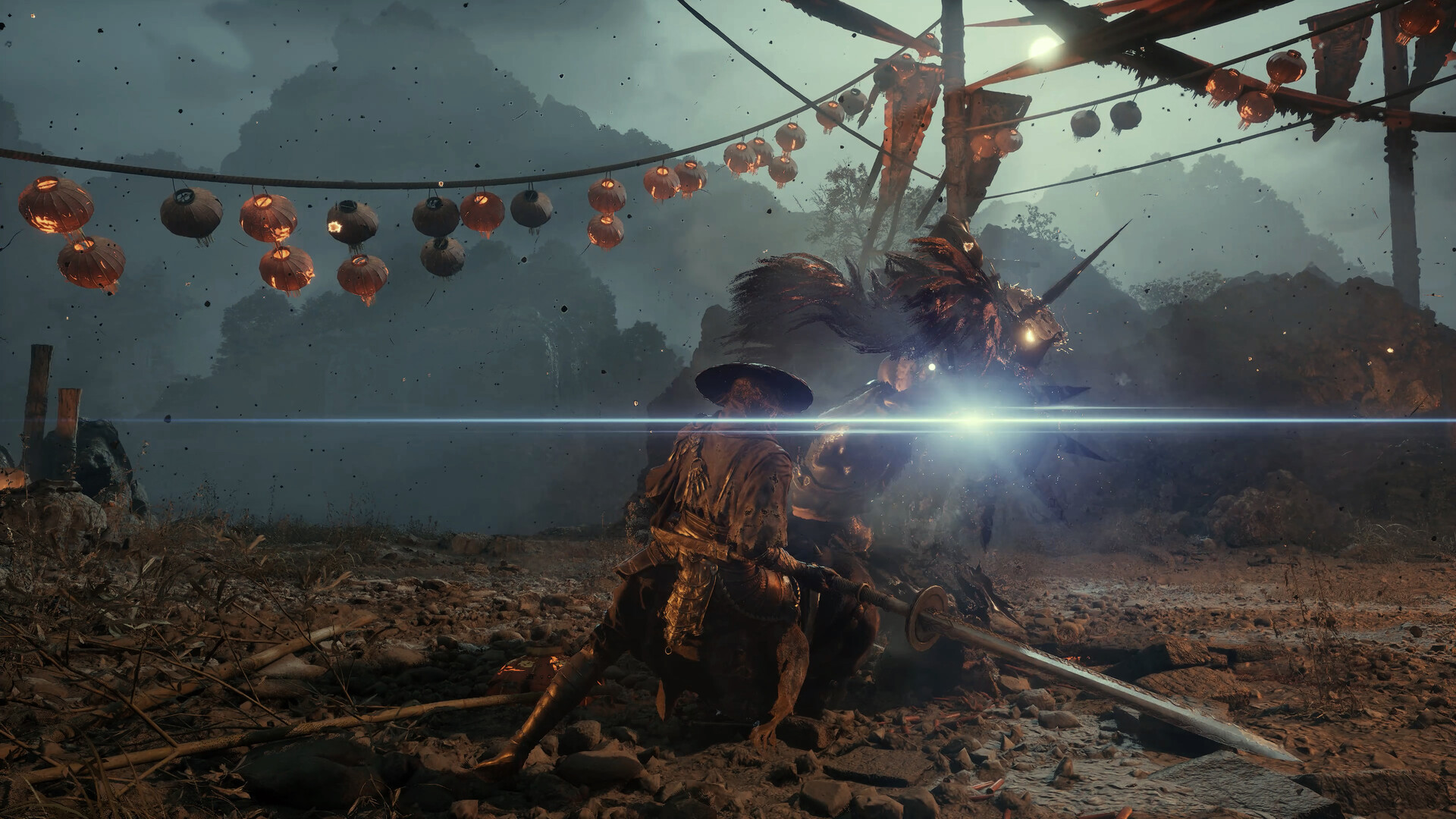
Side quest outcomes update internal flags that the main story checks at branching moments. A choice made in the first few hours can influence dialogue, which characters are alive, and which paths the campaign offers near its conclusion. The system is opaque by design: the game does not show a stat or meter that lets the player optimize toward a target ending.
Practically, this means most players will reach an ending on their first run that is shaped by their natural play style rather than by a planned choice. Replays unlock the rest, and the developer's stated intent is that the eight endings are best experienced across multiple playthroughs rather than save-scummed in one.
What Counts as an Honorable Action
The game does not publish a list of which actions tilt the world toward an honorable outcome, but the in-fiction logic of Wuxia provides a usable heuristic. Honorable behavior centers on protecting the vulnerable, sparing defeated opponents who pose no further threat, fulfilling promises, and refusing easy money for cruel work. Dishonorable behavior cuts the other way: betrayal for gain, killing for spectacle, breaking word given.
Quest Type Breakdown
Quest Type | Typical Choice | Story Impact |
|---|---|---|
NPC rescues | Save now versus delay for greater reward | Survivors return as allies or vendors later |
Faction disputes | Side with one faction over another | Locks or opens later content tied to that faction |
Personal vendettas | Carry out, refuse, or negotiate | Shifts which characters trust Soul in the finale |
Investigations | Report findings truthfully or shape the narrative | Affects what information main-story NPCs act on |
Pacing and Volume
Main-story content is estimated at roughly 30 hours and side content at around 20 hours, for a combined first-run completion of approximately 50 hours. Optional content is gated by region rather than by quest log, so players who explore between main beats will surface side quests naturally without needing to grind a checklist.
Soul's Identity
S-GAME's framing of the system is that Soul does not have a fixed personality. The protagonist is a vessel for the player's decisions, and the cumulative pattern of those decisions is what the engine reads as Soul's character. This is consistent with the larger themes around Perfect Transcension and the 66-day countdown: the campaign is interested in what kind of person Soul becomes under pressure, not in delivering a fixed authored arc.
Replay Strategy
To experience more endings without grinding from scratch, plan replays around the major faction-locking and character-fate decisions. A reasonable two-run plan is one honorable pacifist-leaning run, followed by one pragmatic-leaning run that takes the opposite faction choice at every fork. That coverage tends to unlock four to five of the eight endings between the two runs.