Overview
The city of Hethereau in Neverness to Everness is a seamless open world built around the principle of uninterrupted exploration. There are no loading screens when climbing walls, entering buildings, switching to a vehicle, or gliding between rooftops. Players move through the city using a wide variety of traversal methods, from basic running and climbing to driving customizable vehicles, riding public transportation, and deploying character-specific supernatural abilities. The traversal system is designed to make every corner of Hethereau feel reachable, whether that means scaling a skyscraper on foot, stealing a sports car off the street, or soaring over rooftops with anti-gravity powers.
On-Foot Movement
The baseline movement system provides a comprehensive set of options for navigating the city on foot. Players can run, sprint, jump, climb, wall-run, swim, and glide without needing to unlock these abilities through progression. All on-foot movement is available from the start of the game.
Action | Details |
|---|---|
Run | Standard movement speed. The default traversal mode when moving with the analog stick or movement keys. |
Sprint | Faster movement with no stamina cost. Players can sprint indefinitely across the city without any resource management. |
Jump | Standard jump for clearing obstacles and reaching elevated surfaces. Can be chained with wall-runs for added height. |
Climb | Scale vertical surfaces including building walls and cliffs. Consumes stamina. If stamina runs out, the character loses grip and falls. |
Wall-Run | Run horizontally or vertically along walls for a limited distance. Useful for crossing gaps and reaching otherwise inaccessible ledges. |
Swim | Traverse bodies of water throughout the city. Consumes stamina while swimming. |
Glide | Descend slowly from elevated positions, covering significant horizontal distance. The glider can be deployed mid-air after jumping or falling from any height. Glider skins are available through the gacha system. |
Stamina System
Most special traversal actions are governed by a regenerating stamina bar. Climbing, wall-running, swimming, and gliding all consume stamina at varying rates. When the bar is fully depleted, the current action ends immediately: a climbing character loses grip and falls, a glider closes, and a swimmer begins to sink.
Stamina regenerates passively whenever the player is not performing a stamina-consuming action. Standing on solid ground or walking will restore the bar over a few seconds. Sprinting is explicitly exempt from stamina costs, which means players can always move quickly across long distances on the ground without worrying about resource depletion. This design choice keeps ground-level traversal fast and frictionless while reserving the stamina system as a limiter for vertical and aerial movement.
Vehicles
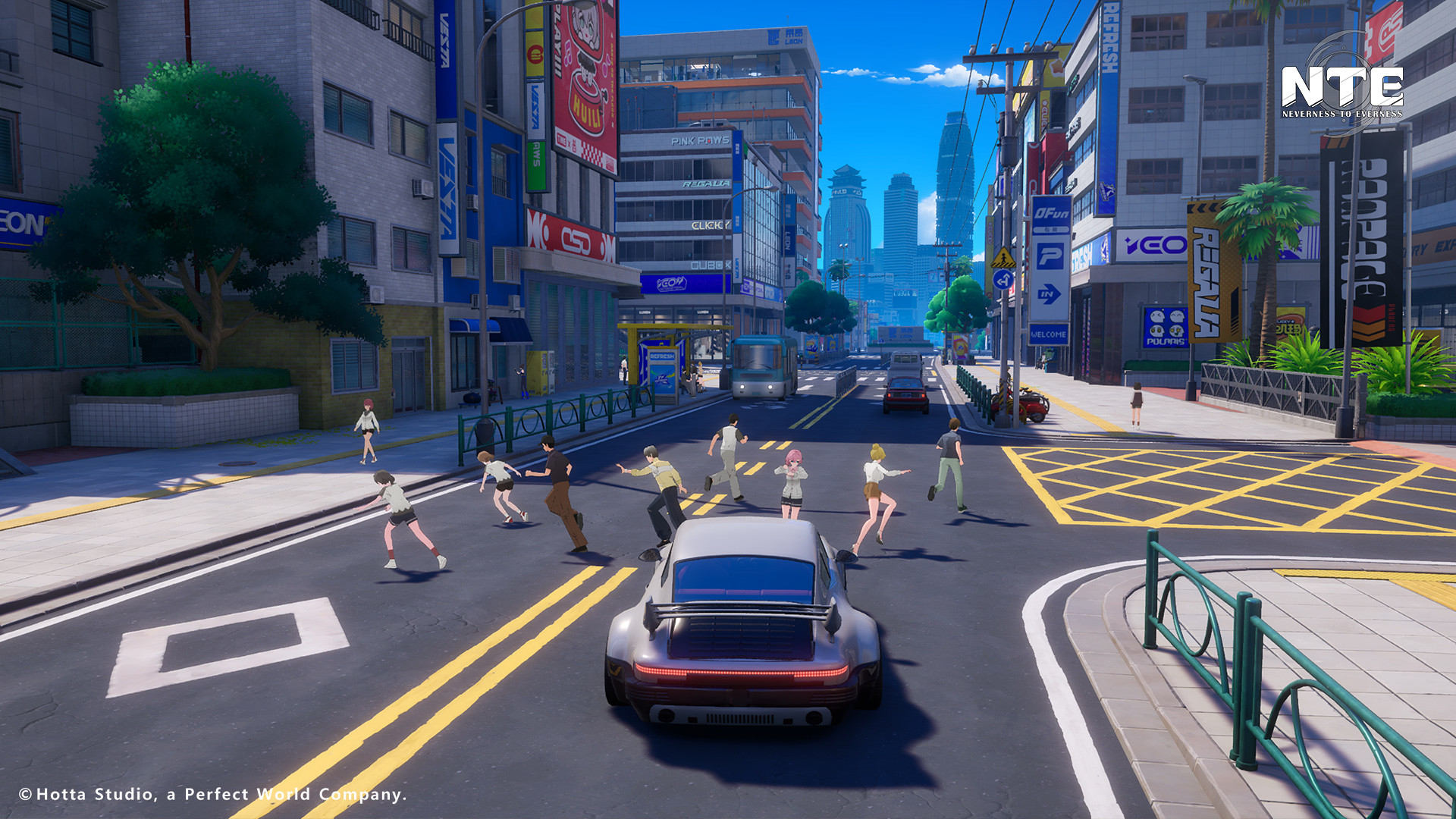
Neverness to Everness has a full vehicle system integrated into open-world traversal. Players can drive cars, muscle cars, supercars, motorbikes, and scooters throughout the streets of Hethereau. Vehicles can be purchased from dealerships or commandeered directly from NPC drivers on the street. Stealing a vehicle triggers the wanted system, raising the player's wanted level and potentially leading to a police chase, arrest, and even jail time.
Vehicle customization is a significant part of the system. Players can modify their cars by swapping parts, repainting the body, and applying decals. These changes are cosmetic but allow for a high degree of personalization. Vehicles also feature a realistic damage model: windows can shatter from impacts, tires can be popped by gunfire, and sustained damage may cause a vehicle to explode entirely.
Driving supports both third-person and first-person cockpit view modes. The first-person perspective renders a detailed interior with a visible steering wheel and dashboard, providing a more immersive driving experience. Hethereau's dynamic weather system also affects vehicle handling; rain and wet roads change how cars grip the surface, requiring players to adjust their driving style.
Public Transportation
Hethereau has a functioning public transportation network that players can use as an alternative to driving or walking. The city has an extensive rail network connecting major districts, along with buses and trams that follow routes through the streets. Players can board any of these transit options and ride them to their destination, watching the city pass by in real time.
Players also have access to the Ghost Train, a supernatural transit line that traverses Anomaly spaces. The Ghost Train allows riders to pass through anomaly-touched zones of the city and reach their destination rapidly, functioning as a lore-flavored fast travel option that stays consistent with the game's supernatural setting. The transit system as a whole contributes to Hethereau's sense of being a living, functional metropolis rather than a static game map.
Esper-Powered Traversal
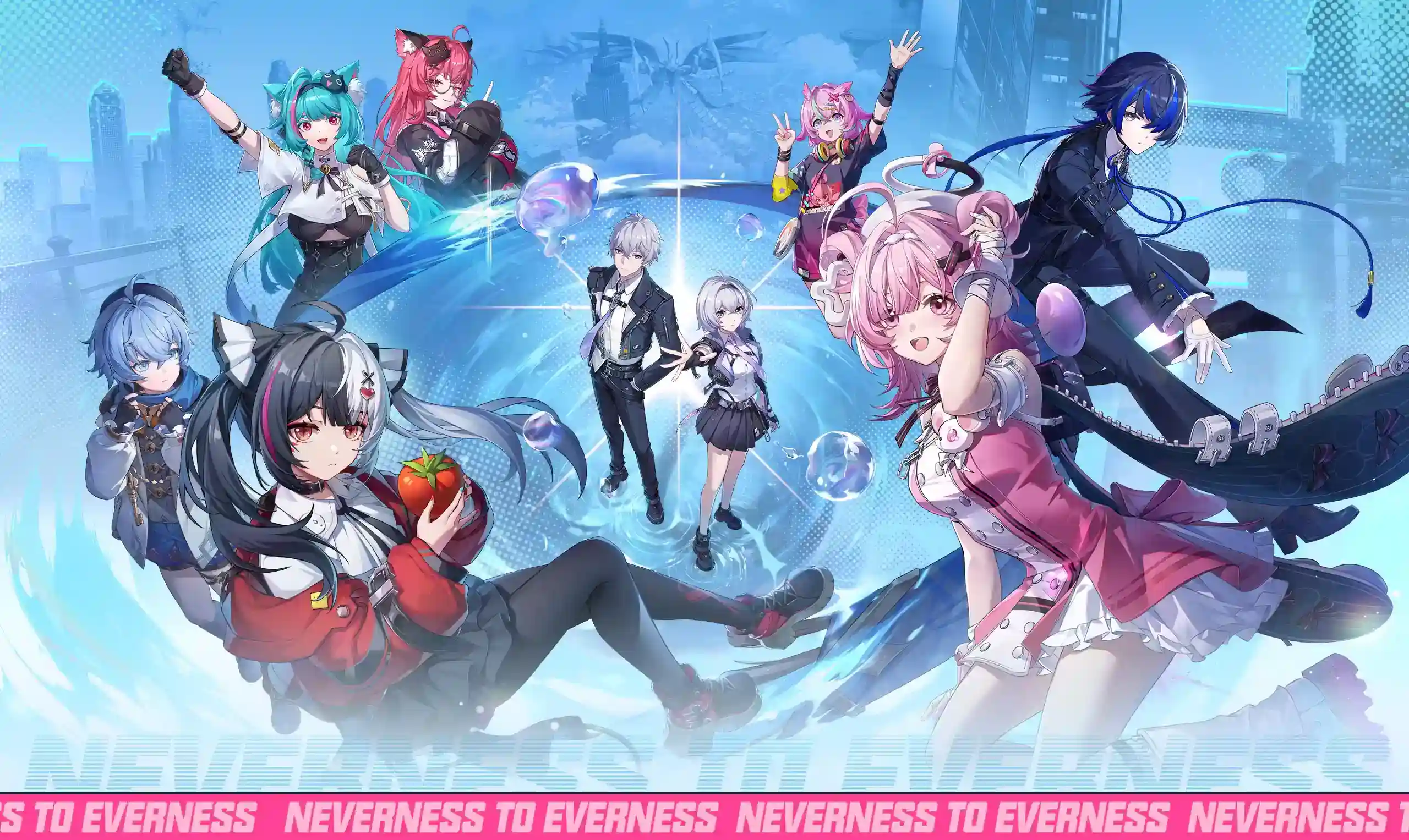
Certain playable characters possess unique traversal abilities tied to their supernatural Esper powers. These abilities go beyond the standard on-foot movement set and often provide access to areas that are difficult or impossible to reach through normal means. The development team has stated that each character's Esper ability introduces unique ways to traverse Hethereau, making exploration more dynamic depending on which characters are in the active party.
Nanally's Anti-Gravity
The most prominent example is Nanally, whose Anti-Gravity ability allows the player to walk and move freely along vertical surfaces such as walls and the sides of buildings. Rather than simply climbing with stamina, Nanally treats walls as walkable ground, enabling her to run up the face of a skyscraper or traverse overhangs that other characters cannot. This transforms Hethereau into a playground for vertical exploration, granting access to rooftops, elevated platforms, and hidden areas from unexpected angles. Anti-Gravity works during both exploration and combat, making Nanally valuable in situations that require high-ground positioning.
Other characters bring their own movement advantages. Baicang is noted for speed-focused abilities that allow him to cover ground quickly, while other Espers may offer enhanced dash distances or unconventional movement mechanics. These character-specific options encourage players to experiment with different team compositions not just for combat effectiveness but for exploration utility as well.
Drone Flying
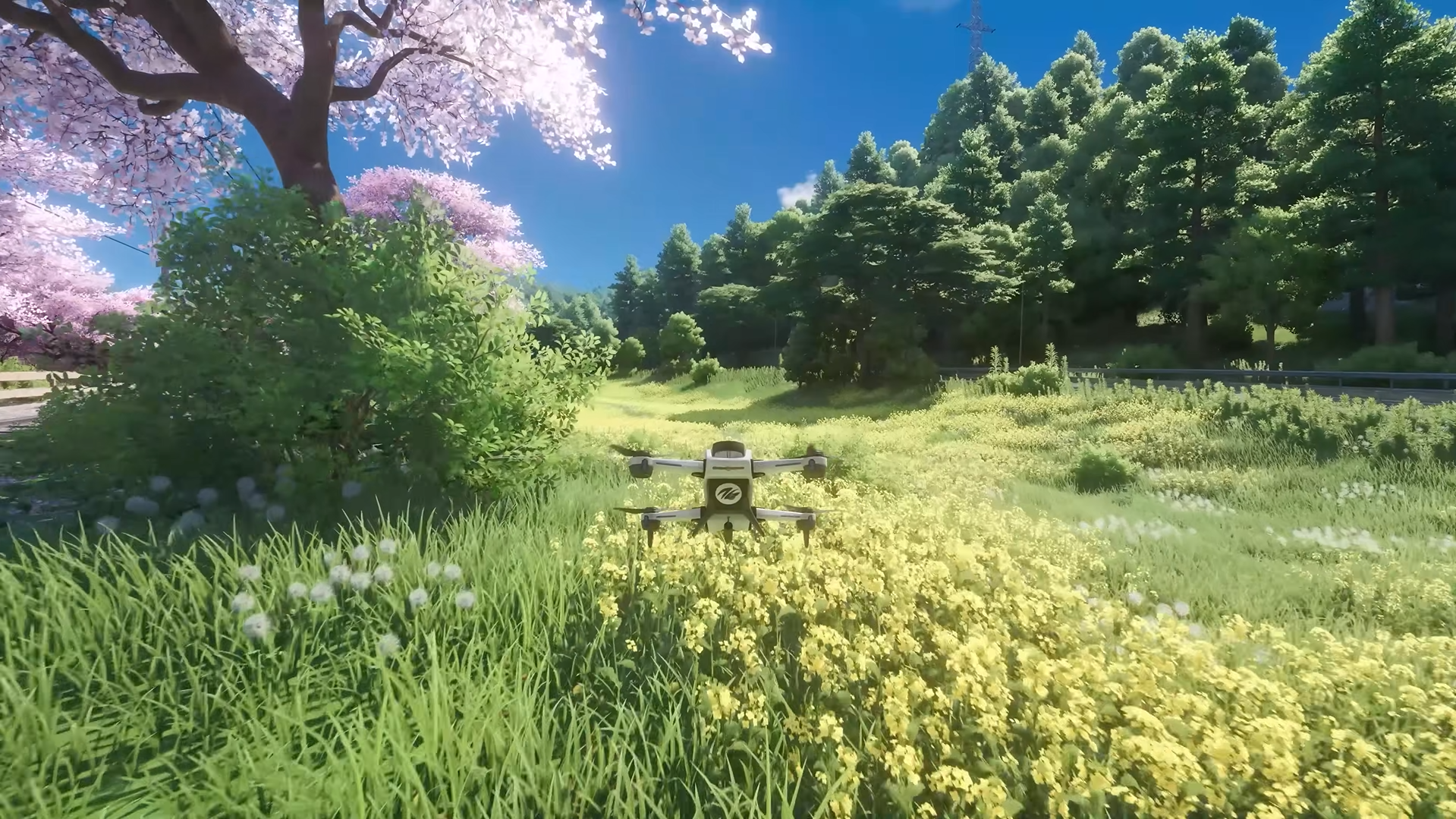
Players have access to a drone that enables unrestricted aerial exploration of Hethereau. Unlike the glider, which only allows controlled descent from high points, the drone can fly freely in any direction and at any altitude without stamina limitations. The drone provides a bird's-eye view of the city, letting players survey districts, locate points of interest, and plan routes from above.
The drone is tightly integrated with the game's photo mode, allowing players to capture aerial photographs and cinematic video of the skyline, neon-lit streets, and landmarks from angles that are impossible to reach on foot. Whether zooming in on commercial signage or capturing a panoramic shot of the entire city skyline, the drone provides a robust photography tool for players who enjoy documenting their journey through Hethereau.
Gliders
Gliders provide aerial traversal across Hethereau's skyline. Players can deploy a glider while airborne from any height to cover large horizontal distances without falling. Glider skins are purely cosmetic and do not affect performance. Notable glider liveries include the "Officer Whisker" glider, which was unlocked as a community reward when the game's social media accounts reached 5 million combined followers. Gliders complement the broader exploration toolkit alongside vehicles, public transportation, and character-specific Esper abilities.
Seamless Transitions
One of the defining technical achievements of Neverness to Everness is the seamless nature of its world transitions. The development team has emphasized 100% seamless gameplay as a design goal: climbing walls, entering buildings, gliding between rooftops, hopping into a vehicle, and stepping into shops all happen without loading screens or fade-to-black transitions. This continuity applies to interior spaces as well; walking through a shop door leads directly into the interior without any interruption.
The seamless design extends to the dynamic day-night cycle and weather system. As players traverse Hethereau, the time of day shifts naturally and weather conditions change in real time, affecting both the visual atmosphere and gameplay elements like vehicle handling. This unbroken flow between traversal modes, interiors, and environmental states gives the city a cohesive, lived-in quality that supports immersive exploration.
The seamless design also applies to transitions between indoor and outdoor environments and between normal city streets and supernatural spaces. Players can walk from a busy outdoor intersection directly into a shop interior, or get pulled from a rain-soaked sidewalk into an anomaly encounter, all without any interruption. These supernatural transitions can occur at any time of day, blending the ordinary and the extraordinary in a single continuous experience.
First-Person Perspective
Neverness to Everness supports a first-person perspective for driving. Players can toggle into first-person cockpit view while behind the wheel, which renders a detailed interior with a visible dashboard and steering wheel for supported vehicles. This provides a more immersive driving experience, particularly during rain or nighttime when headlights scatter off wet pavement.
On-foot first-person mode is planned for launch. The development team at Hotta Studio has confirmed that a full first-person perspective for walking and exploring the city on foot will be available when the game releases. This will allow players to experience Hethereau's alleyways, shopping districts, and back streets from a ground-level viewpoint, adding another layer of immersion to exploration.
Related Pages
Page | Description |
|---|---|
detailed vehicle types, customization, and racing. | |
the city setting and its districts. | |
Esper with the Anti-Gravity traversal ability. | |
things to do while exploring. | |
capturing screenshots with the drone and camera tools. |