

The Life Skills page covers what ArcheAge Chronicles has confirmed about its crafting and gathering systems. The sections below describe the proficiency structure of the original ArcheAge, which is the design Chronicles is iterating on; specific details on whether the 22-proficiency, 10-rank system carries over have not been revealed.
The original ArcheAge had 22 distinct proficiencies, each with 10 mastery ranks ranging from Novice through Maestro. Higher ranks reduced labor costs and crafting time, making specialization a meaningful long-term investment.
Proficiencies in the Original Game
The 22 proficiencies fell into three categories:
Item | Description |
|---|---|
Harvesting | Farming, Husbandry, Gathering, Mining, Logging, Fishing |
Alchemy, Cooking, Handicrafts, Machining, Metalworking, Tailoring, Leatherworking, Weaponry, Carpentry, Masonry, Construction | |
Special | Commerce, Larceny, Artistry, Printing, Exploration |
Mastery Ranks in the Original Game
Each proficiency progressed through ten ranks, from Novice up to Maestro, with the higher ranks cutting labor cost and crafting time. The exact thresholds and reduction percentages were tuning values specific to that game and none of them have been confirmed for Chronicles.
Item | Description |
|---|---|
Veteran | 5% labor and time reduction |
Expert | 10% reduction |
Master | 15% reduction |
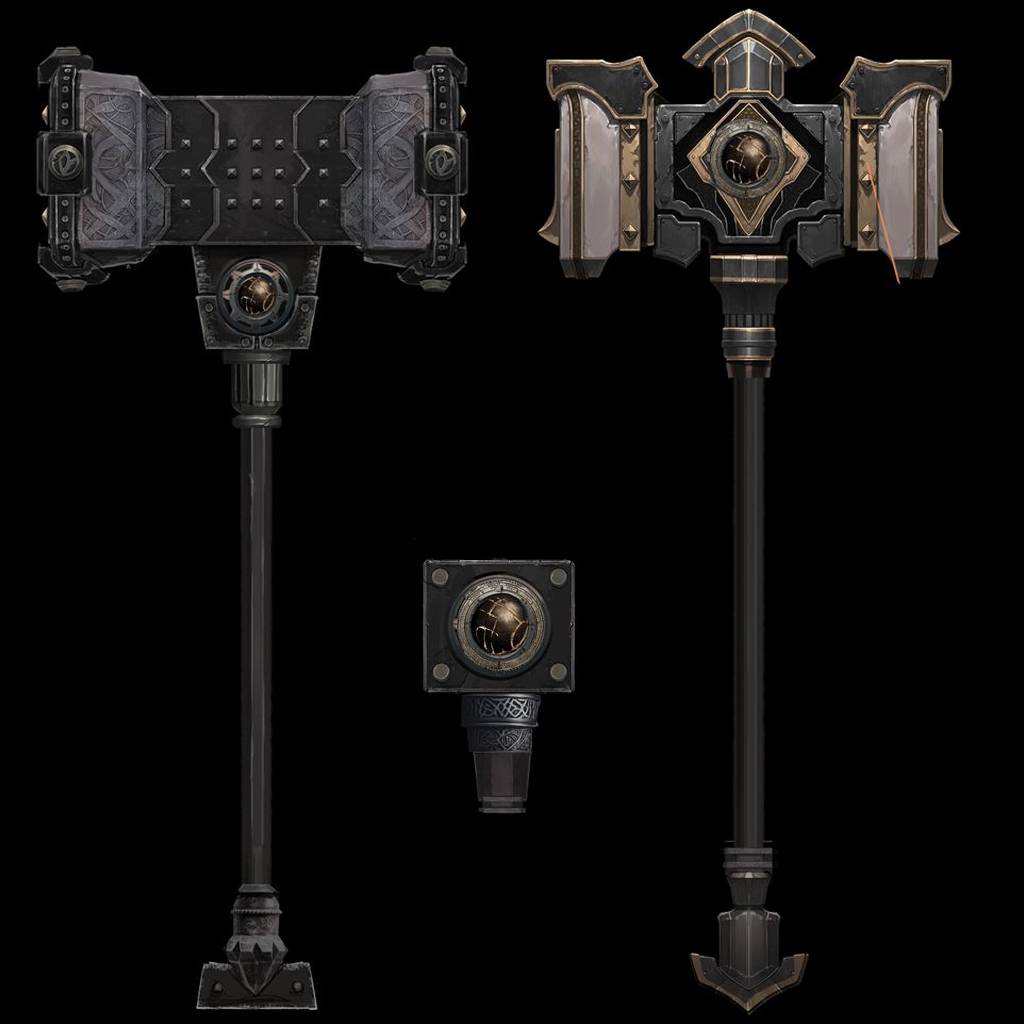
Players were capped at a maximum of 2 harvesting, 3 crafting, and 2 special proficiencies at maximum rank, forcing specialization. This meant no single player could be self-sufficient in everything, driving the player economy.
Crafting in Chronicles
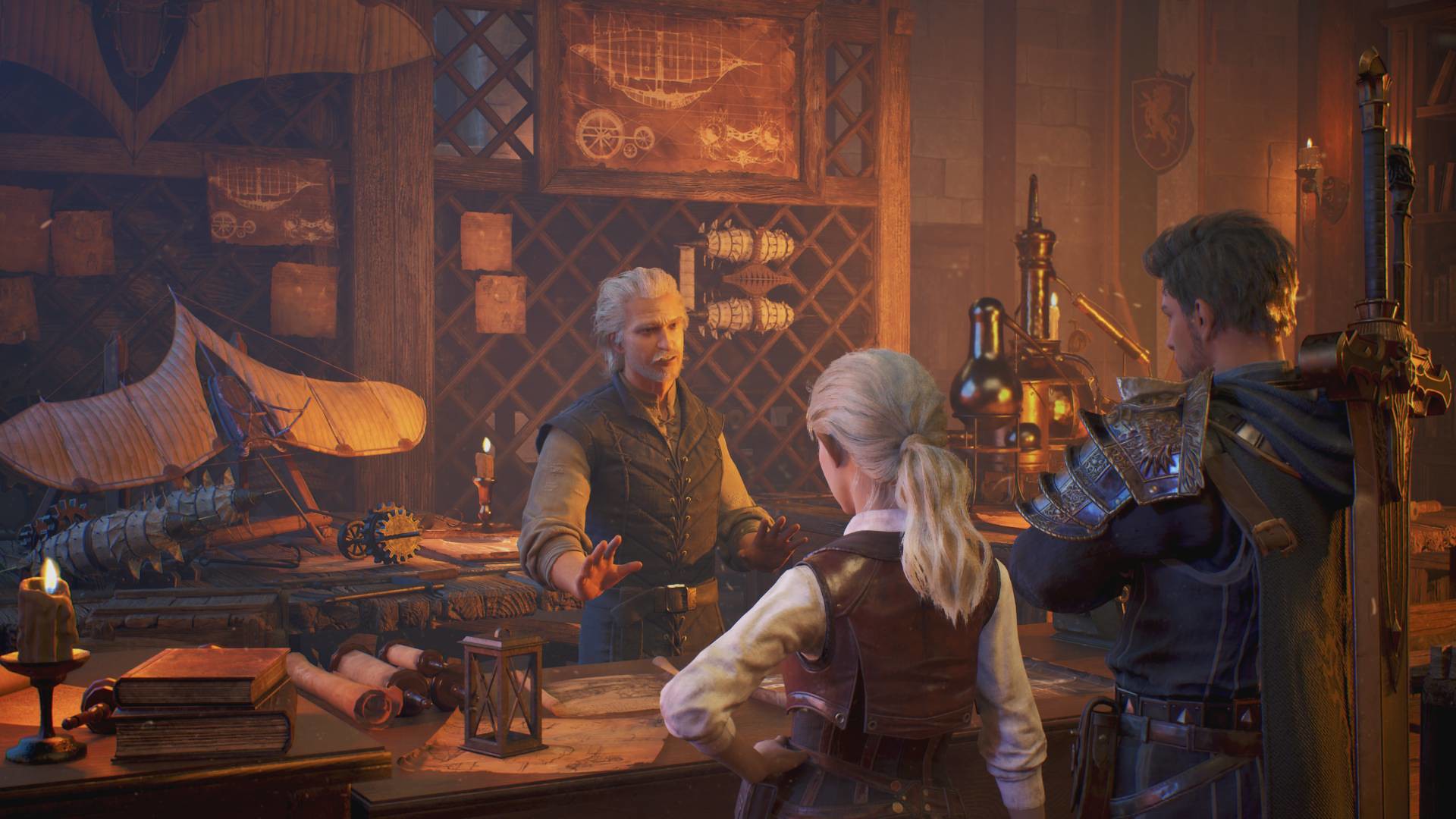
ArcheAge Chronicles lists farming, crafting, trading, hunting, and gathering as core gameplay systems rather than optional side content. Players can craft weapons, armor, ships, and trade goods. Specific details on the proficiency system have not been revealed, but the developers have described life skills as having "depth, sustainability, and long-term engagement." The studio has separately described crafting as playing a crucial role in character growth, with trade as the mechanism that supplies the materials crafting needs. Familiar trade mechanisms carry over, including wagons, carts, and producing trade goods to sell in other regions, but the studio has said new variables will be built into the transportation process itself, and that higher-level runs raise both the stakes and the likelihood of running into other players.