

ArcheAge Chronicles has a ground-up rebuild of the franchise's combat. The original game used a tab-target system with 12 skillsets and hotbar ability management. Chronicles replaces this with real-time action combat where player inputs directly control attacks, defense, and movement.
Core Mechanics
The combat system runs on weapon-based combo chains. Players execute light attacks, heavy attacks, and charge mechanics in sequences that vary depending on their equipped weapon. Confirmed weapon types include swords and axes, with additional weapon categories expected at launch.
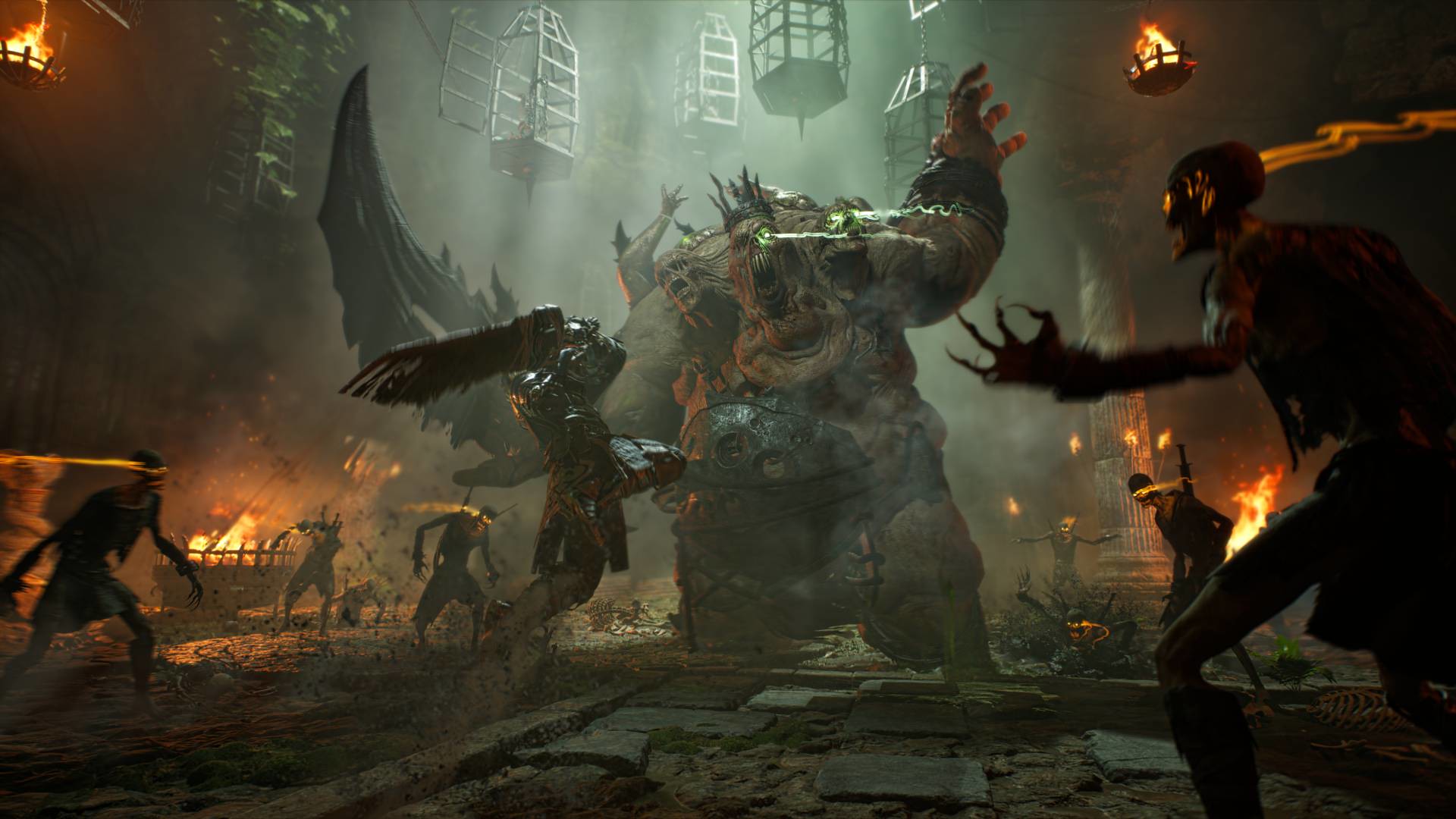
Defensive options are fully real-time. Players can dodge, block, parry, roll, dash, and jump to avoid incoming damage. Each defensive action has distinct timing windows and stamina costs. Parrying, for instance, requires reading an enemy's attack animation and responding within a narrow frame. Rolling provides invincibility frames but commits the player to a direction. Jumping can evade low sweeps and certain area attacks.
Weapon swapping during combat is possible, letting players shift between ranges or damage types mid-fight. The developers have described building "muscle memory" for a specific combat style as a design goal, with each class feeling distinct in the hands.
Elemental Interactions
Elemental attacks and skill chaining add tactical depth. Certain abilities apply conditions, such as burning, freezing, or shocking, that other skills can exploit for amplified damage or crowd control. Learning which abilities combo into each other is part of mastering a class. The developers cited games like Elden Ring, The Witcher 3, and Breath of the Wild as design references for the feel they wanted to achieve.
Classes in Chronicles
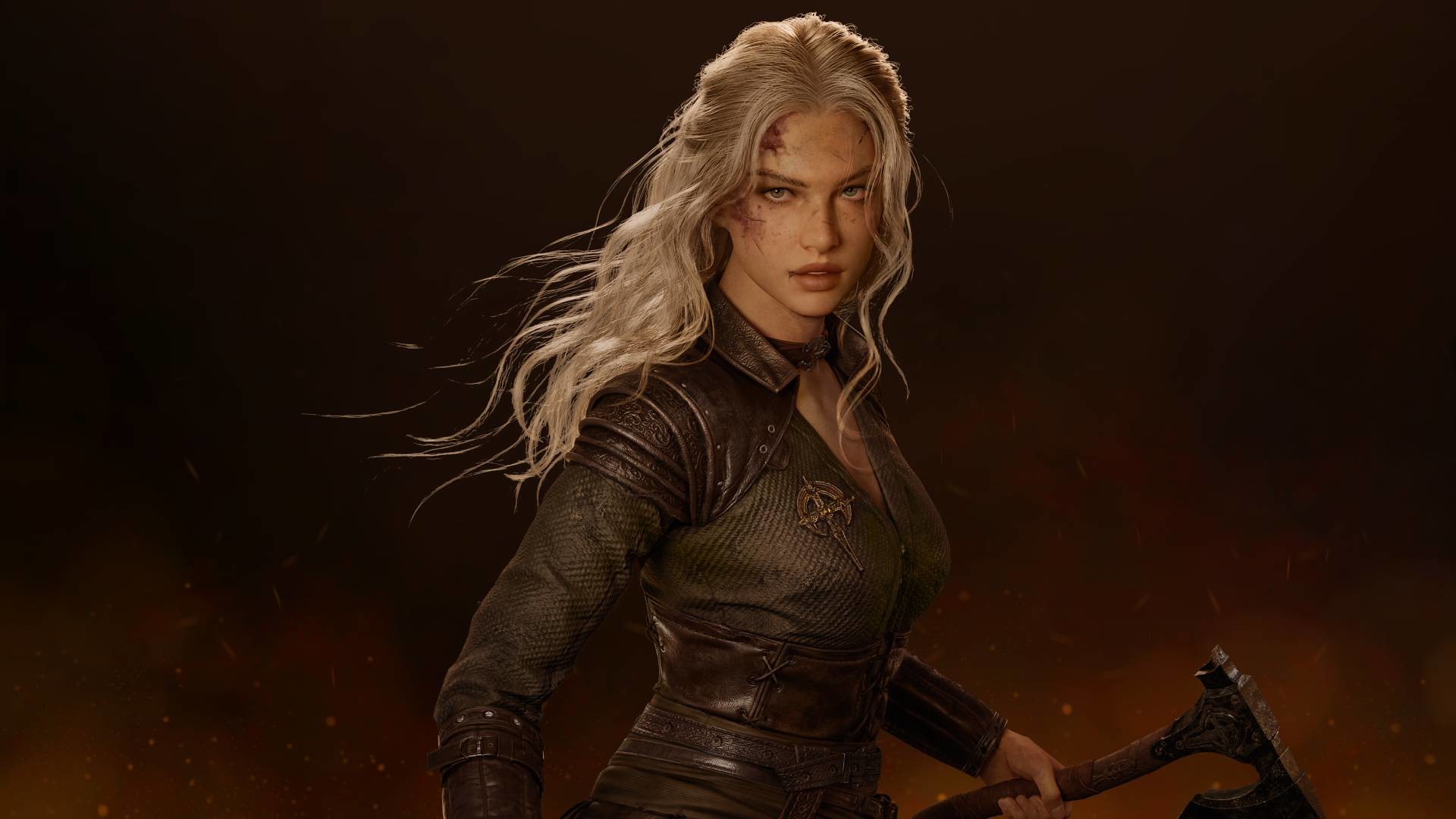
Each class in Chronicles has its own weapon proficiencies, skill trees, and control scheme. Some rely on timed combos or charge mechanics, while others emphasize reactive blocks, parries, or evasive movement. This is a major departure from the original's 12-skillset combinatorial system where any three skillsets could be mixed. Chronicles instead gives each class a distinct physical identity tied to how the player actually handles the controller or keyboard.
Group Combat
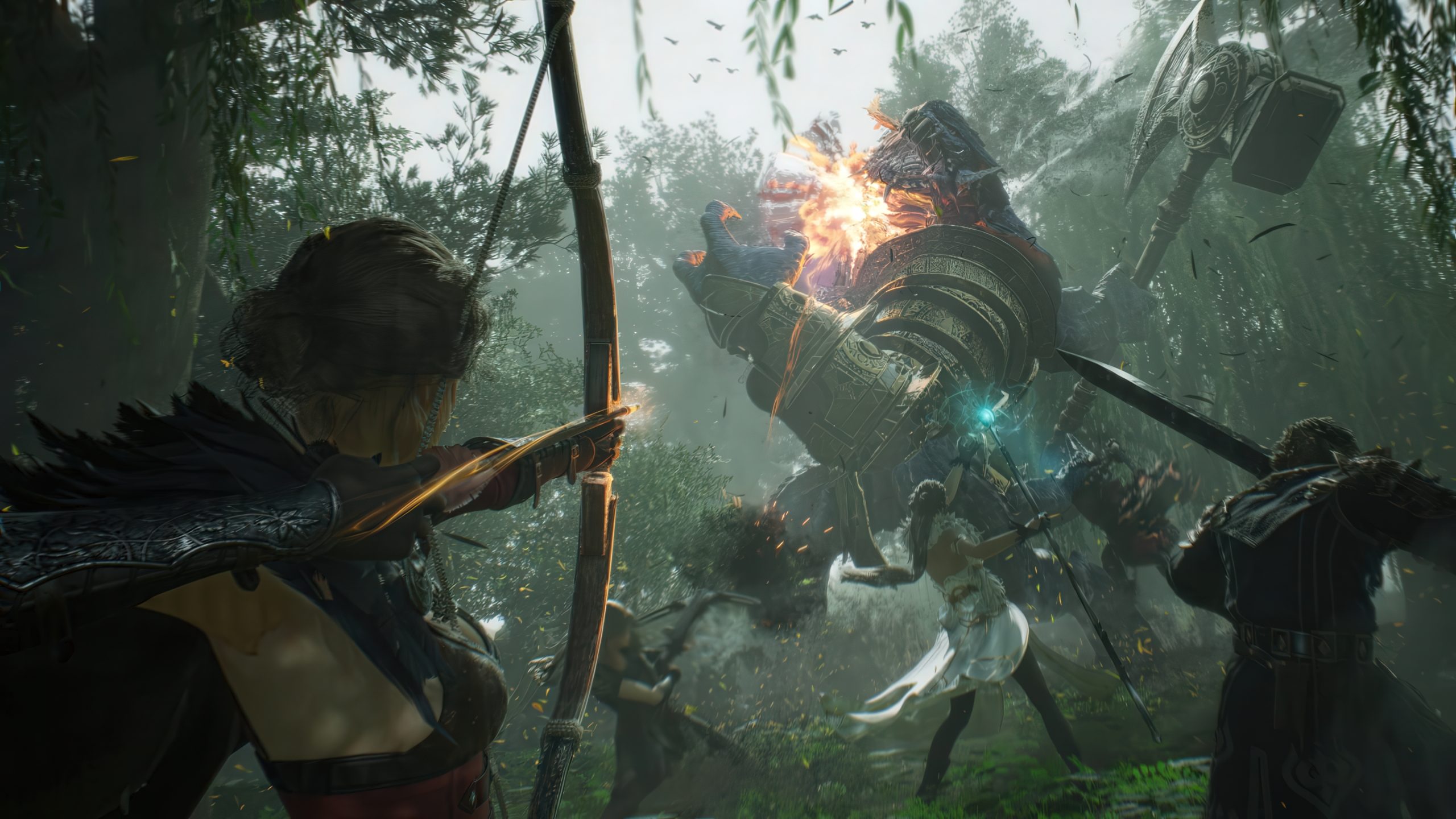
Dungeons are designed for teams of 2 to 5 players. This puts emphasis on boss mechanics and coordination over raw headcount. Larger raids scale up to 20 players, requiring coordinated skill chaining where one player's abilities set up conditions that teammates exploit. Structured PvP runs through arenas and battlegrounds, with 40 players the largest scale described so far.
This group skill syncing is one of the few systems that recalls the original game's massive encounters, though scaled down from the 100+ player battles of the original. The developers stated the game should "feel as good playing solo as it does in a group," and solo play is fully supported throughout the campaign.
Weapon Types Named So Far
The developers have named weapons from two directions. Broad families came first: melee options including swords and axes, and ranged options including bows and crossbows. Specific in-game weapon types arrived later, through the June 2026 focus group test summary and the first class introduction.
Weapon | Where It Was Named | What Is Known |
|---|---|---|
Elemental Staff | Most-used weapon in the June 2026 focus group test | No class attribution and no skill list published. |
Wavesword | Second most-used weapon in that test | A curved blade. No class attribution published. |
Longsword | Third most-used in that test, and a Warrior weapon | Supports a parry-driven precision path and a health-spending path of blood. |
Greatsword | Named in the Warrior class introduction | Builds a resource called Resolve while absorbing hits, then spends it on heavy swings. |
Hatchet | Named in the Ranger class introduction | A Ranger Class melee weapon whose skills chain evasion, fast strikes and lightning. |
Longbow | Named in the Ranger class introduction | The Ranger's ranged weapon, built around marking a target and holding the range that suits the shot. |
Individual named weapons have also been shown, among them Pantheon's Punishment, described as a sacred weapon that only shines for those who represent the gods and said to have been carried by Pantheon's inquisitors against blasphemers. The store description sums the moment-to-moment verbs as jumping, falling, rolling, dashing, blocking and parrying. For the class-by-class picture see Character Classes.
Comparison to the Original
The shift from tab-target to action combat is the single biggest mechanical change between the original ArcheAge and Chronicles. The old system gave players dozens of ability slots across three skillsets, creating enormous build variety but also complexity that intimidated new players. Chronicles trades breadth for depth, asking players to master fewer abilities executed with precise timing and positioning rather than optimal hotbar rotations.
For franchise veterans, this means the feel of combat is different. Where the original rewarded theorycraft and gear optimization, Chronicles rewards reaction time and spatial awareness.
First Public Combat Footage (June 2026)
XLGAMES released the first public combat gameplay clip on its official X account in early June 2026. The footage showed a female fighter wielding a one-handed axe against a group of enemies, rolling, dodging, jumping backward, and hurling throwing axes between melee swings. The clip put the action combat described above into motion: weapon-driven attacks, real-time defensive movement, and ranged thrown options layered onto a melee weapon. The on-screen interface displayed quest and compass markers, a directional-pad readout, health and stamina bars with buff and debuff slots, and quick-action buttons for the map, mount, and glider. Alongside the clip, the developers restated that the system is a full action combat design, not tab-targeting or automation, and that movement, timing, and positioning are central to it.
Targeting and Weapon Feel
Chronicles' action combat runs without default auto-targeting. Players aim and position themselves directly, with an optional lock-on available to keep a target in focus during a fight. Each weapon carries its own combat style, so switching weapons changes the moment-to-moment feel rather than just the numbers. After the June 2026 focus group test, the developers noted that some weapons felt sluggish or restrictive to testers, and said they were reworking individual weapon identities to sharpen how each one plays.
Warrior: The First Confirmed Class
In July 2026 the developers introduced the Warrior Class as the first playable class detailed for Chronicles. Its motto, "Hold the Line. Break the Enemy," describes a class built on raw power and solid defense, and in the world's lore it inherits the legacy of Kyrios, the God of Destruction. The Warrior can wield a longsword or a greatsword and uses a system of playstyle paths: a longsword can follow a precise, parry-focused path or a path of blood that trades health for damage, while a greatsword builds a resource called Resolve to power heavy front-line swings. The reveal is the clearest signal so far that Chronicles ties class identity to weapon choice and selectable paths rather than a single fixed rotation.
Ranger: The Second Confirmed Class
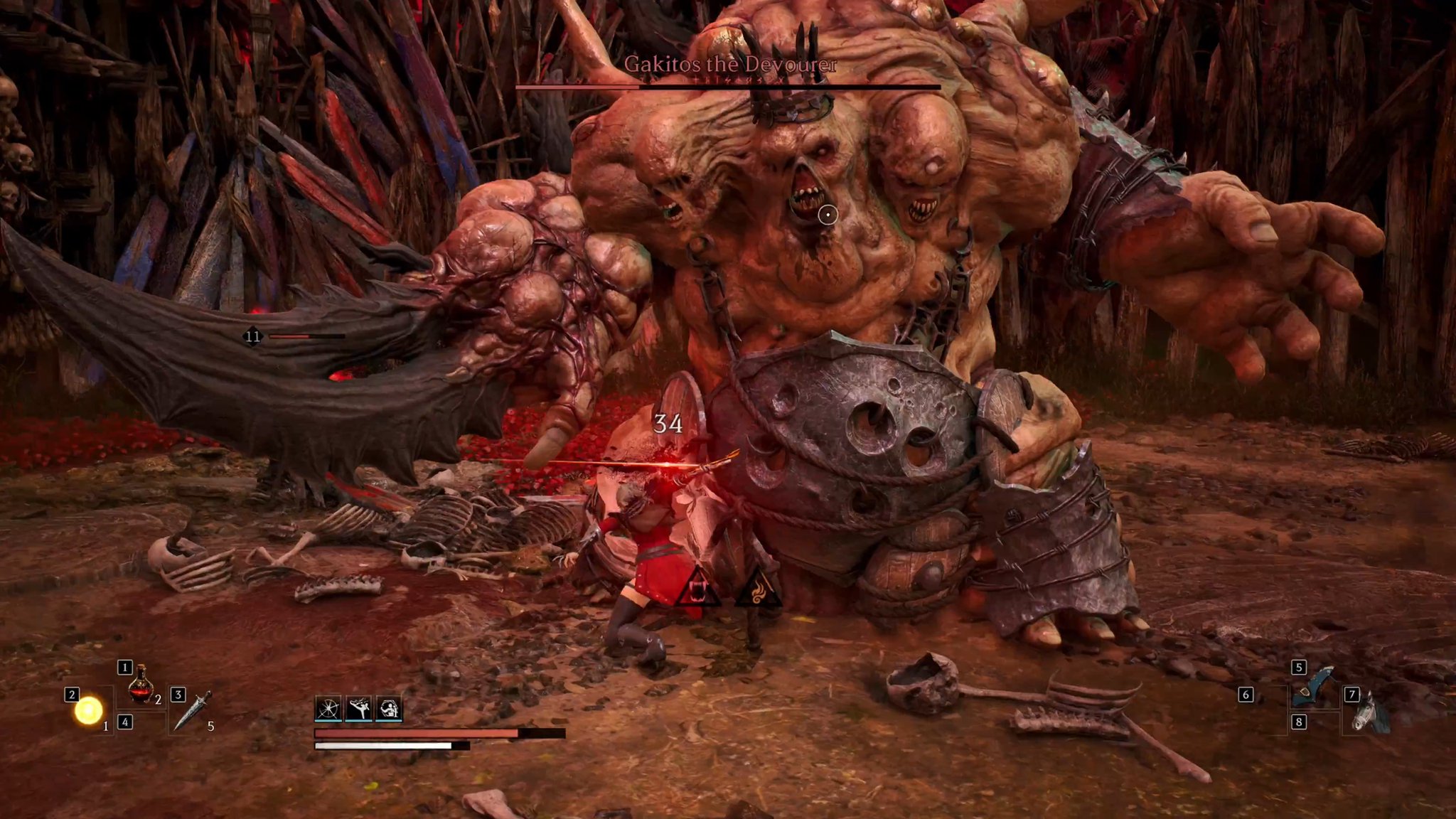
At the end of July 2026 the developers introduced the Ranger Class under the motto "Hunt Without Limits." It confirmed that the weapon-defines-the-path model shown by the Warrior is not specific to that class: the Ranger's hatchet and longbow are presented as two separate play identities rather than a single kit with a ranged option bolted on. Both weapons carry a defensive counter, Wind Blade on the hatchet and Crescent Kick on the longbow, which reinforces how central reading and answering an attack is to the system. The hatchet skills also put a named element into a class kit for the first time, with lightning running through Stormsplitter, Overcharge and Shocking Kick. An August 2026 clip later showed the Ranger and an ally fighting a towering enemy XLGAMES calls the Devourer.
September 2026 Gameplay Clips
Three gameplay clips published on 4 September 2026 added small but concrete confirmations. One opens with a glider coming into view, then shows a Ranger throwing an axe and a Warrior parrying it so that it travels back at the thrower. The Ranger’s melee weapon is the hatchet, and this is the first English-language first-party description of it being thrown, and of the parry doing something other than negating a hit. A second clip is described as party PvP, a chance encounter that escalates once allies arrive, which names group PvP as a situation the build supports. Neither clip carries a date, a zone name, or any statement of which build it was captured in.