Loading...
Loading...
Heavenly Deduction
August 6, 2026 at 08:35 PM
Recorded that the August 2026 demo also withheld the rewind layer and the reason the team gave
The Heavenly Deduction system (小天衍术, Xiao Tianyan Shu) is the signature mechanic in A Whisper of Fall: Jinyiwei. It allows the protagonist to rewind time to earlier decision points in a mission, returning to a previous node while retaining all memories and a limited number of items from the abandoned timeline.
The official Chinese store copy names the ability 小天衍术 and credits it with the power of deduction that sees through heaven's design. English store copy shortens this to the plain word "deduction" (推演). "Heavenly Deduction" is a phrasing that appeared in English preview coverage rather than an official localisation, so this wiki treats 小天衍术 and "deduction" as the sourced names, and keeps the older heading only because readers arrive by it.
This is not a save/load mechanic disguised as a game system. It is an active narrative ability. The protagonist is aware of his rewinds, other characters respond to them, and the world changes in response to their use.
During missions, players encounter branching decision points represented as nodes. After progressing down one branch and seeing its consequences, the player can activate Heavenly Deduction to jump back to a previous node and try a different path. The system presents overlapping timeline possibilities within each sandbox level.
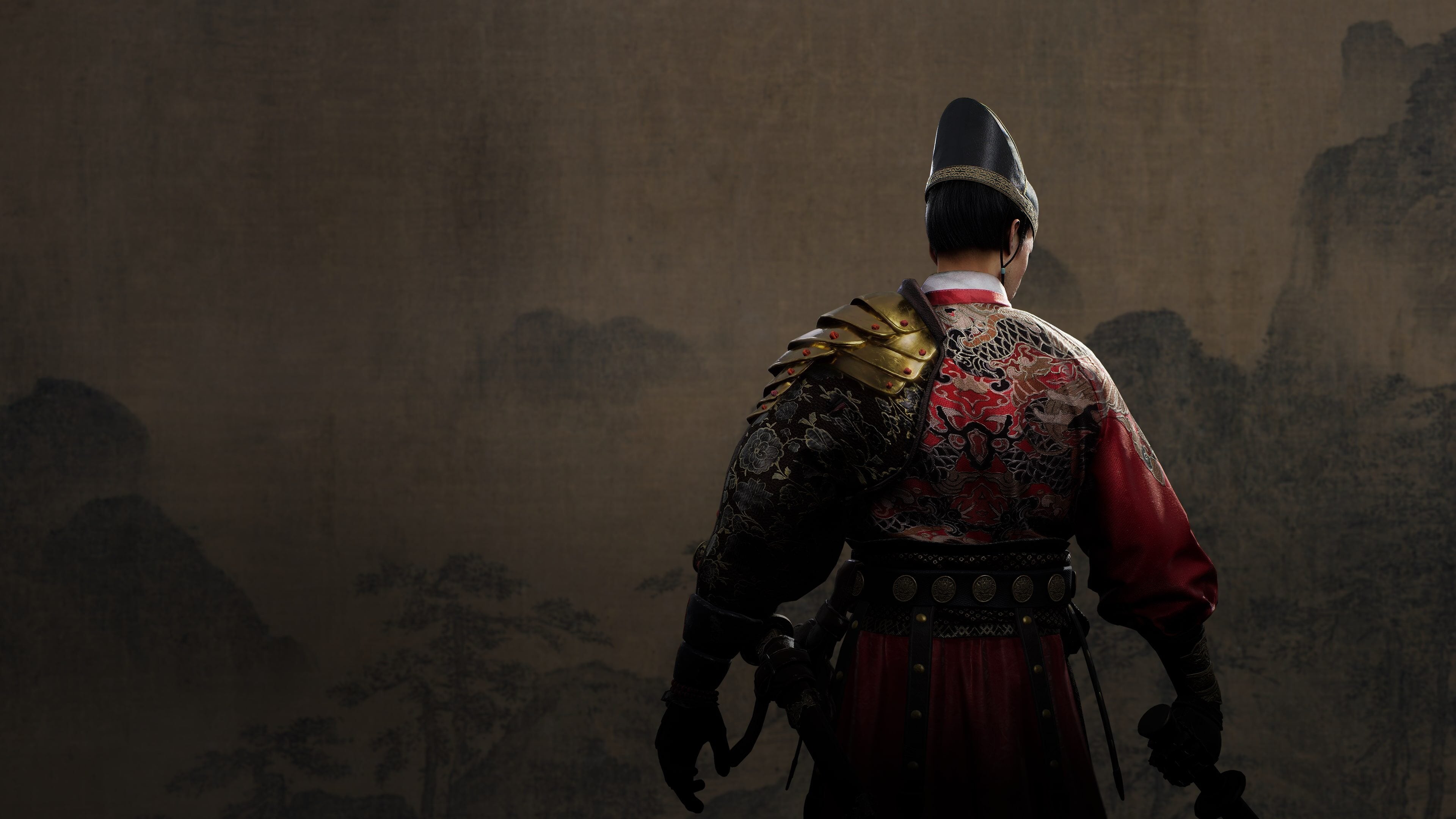
Rewinding consumes "mental energy" (脑力), a finite resource. Players cannot infinitely rewind. They must be strategic about when and where to use the ability. When rewinding, only a limited number of items can be carried back through time. The demo enforced a cap of three items, forcing players to choose which gear, consumables, or quest items to preserve.
Characters in the game world know the protagonist can rewind. This is woven into the fiction, not hidden as a gameplay abstraction. When a timeline is abandoned, the protagonist vocalizes his awareness. Saying things like "this approach won't work" (这样打是不行的) before rewinding. Some NPCs acknowledge when the player has returned from a failed attempt and suggest alternative approaches they would not have mentioned on the first visit.
Certain bosses actively try to counter the protagonist's temporal power, attempting to nullify the ability during their encounters. This means Heavenly Deduction is not a universal undo button, the world pushes back against its use.
The gameplay trailer demonstrates the system in action. The protagonist attempts to infiltrate a heavily guarded castle to assassinate a target. On the first attempt, using a direct assault, the target escapes through a window. The player activates Heavenly Deduction to rewind, waits for nightfall, then slips into the castle to steal the Guard Commander's Token (卫队长令牌) before proceeding with a different approach.

Director Liu Qiwei specifically designed the system to avoid the common problem in branching games where players must replay entire sections to access missed content. Instead, Heavenly Deduction lets players experience all branches within a single session, carrying knowledge and selected items forward. Combined with the box garden level design, this means a single mission can sustain hours of exploration as players rewind and try different routes, accumulating advantages for the final encounter.
The Deng Yang demo mission had five distinct ending variations depending on choices and explored branches. Hands-on coverage of the demo described spending the full two-hour session exploring this single mission's branches without seeing all possible outcomes. Different approaches yield different experience points, resources, and story events. There are no "correct" choices, each branch has trade-offs.
A ringing bell marks the end of a deduction. In the reveal trailer the same chime sounds each time a deduced sequence closes, and it works as the protagonist's totem for telling a deduction apart from events that actually happened. Because a deduction plays out exactly as though it were being lived, the bell is the player's only reliable signal that what they just watched has been rewound away.
The mission clock is tied to fighting rather than to real time. Combat pushes time forward; moving through the level does not. How quickly the player clears encounters therefore decides which events have already happened when they arrive somewhere, and that in turn changes which ending a mission can reach.
Deduction was the centrepiece of the January 2026 hands-on build and of the reveal trailer. The public build shown in July 2026 deliberately left it out along with story and exploration, narrowing that demo to the combat systems alone, so hands-on impressions from that build describe combat only and say nothing about how deduction has changed since. The larger build shown in Shanghai at the start of August 2026 withheld it for the same reason, and this time the team explained the decision on the floor: the branching story the ability depends on is still being polished, and they would rather show it once it holds together than show a partial version of it. Their phrasing was that they very much want to tell a good story, and to tell it well. The practical consequence for anyone reading hands-on coverage is that no impression published since the January 2026 sessions has touched the mechanic at all.