

Exploration in Warlock: Dungeons & Dragons is deliberately unguided. The hands-on build shown to press carried no quest markers at all, and the developers have described the mode of play as player-driven: the phrase used was that the player has to use their wits, their tools and their magic to find a way forward.
Minimal Guidance by Design
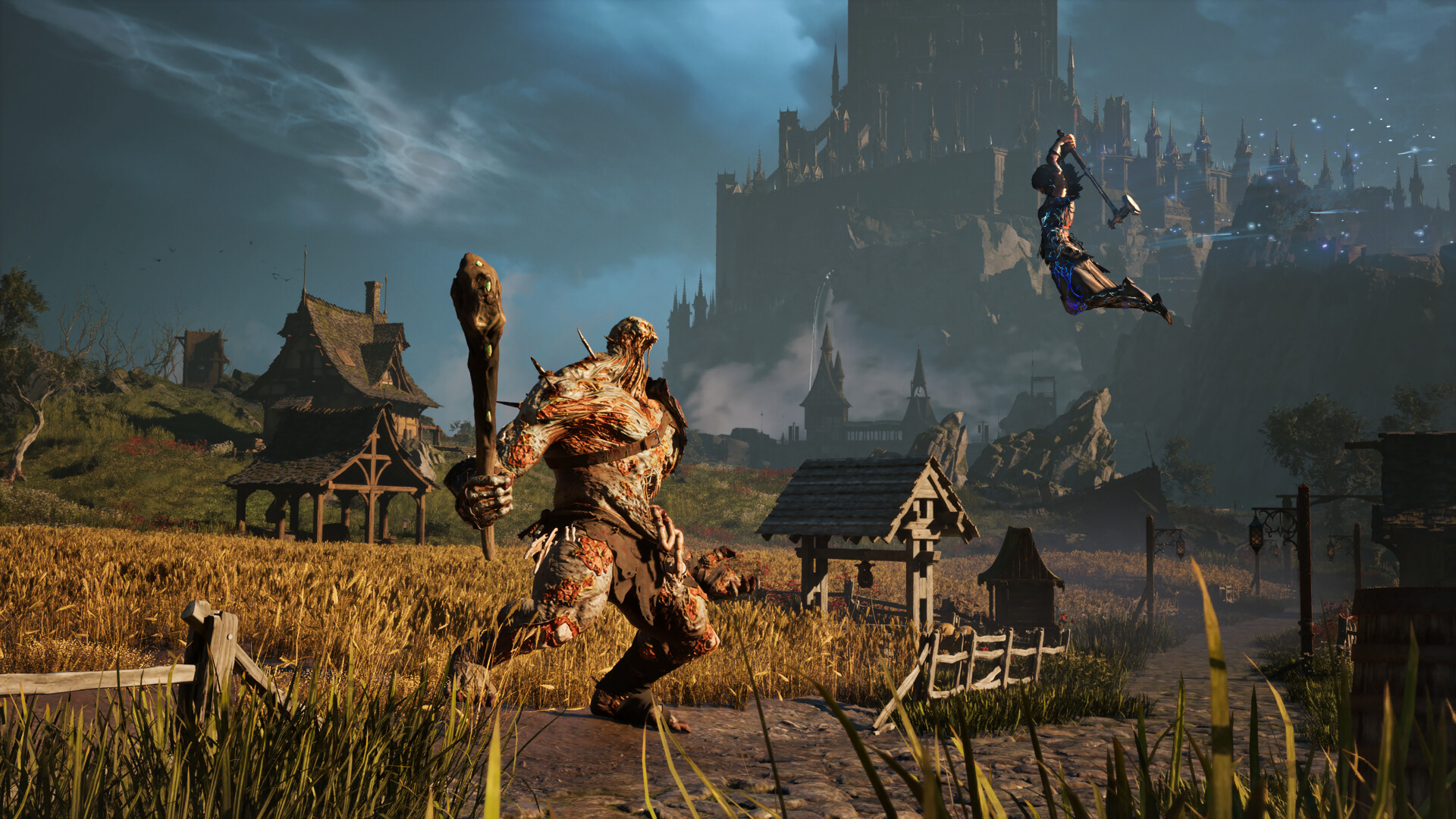
The heads-up display is minimal and can be toggled on and off in the settings. The studio head has described the approach as going easy on the hand-holding, and said that some elements were switched off entirely for the demo build so the footage would not overwhelm people watching it. Some interface will be added back for release, but the intent is to keep it quiet enough to stay immersive.
What guidance exists is intentionally imprecise. Rather than dropping a waypoint on an objective, the map highlights the general area an objective sits in and leaves the player a compass to work with. Finding the specific spot inside that area is the player's problem to solve.
Spells as Traversal
Every published spell doubles as a way to move or to open a route. The Spells page carries the full list and its classifications; the traversal uses that have been shown are summarised below.
Spell | Exploration Use |
|---|---|
Otherworldly Leap | Crosses large gaps in one jump. Creators in the hands-on session used it in place of platforming between rocks and ledges |
Misty Step | Turns Kaatri incorporeal for a short teleport, including through certain barred grates that cannot otherwise be passed |
Black Tentacles | Summoned on any tangible surface, giving something to cross an obstacle with as well as something to hold enemies in |
Levitate | Nullifies gravity on objects so they can be lifted, repositioned and dropped, opening routes that need something moved |
Gust of Wind | Pushes objects out of the way, disperses gas and fans flames, clearing a path rather than fighting through it |
Tasha's Leash | Pulls objects to Kaatri from a distance, some of which can then be held and thrown |
Downpour | Changes local weather and alters the immediate environment, which in turn changes what other spells do to it |
Magic Outside Combat
Spells can be used more frequently when not fighting. Developers have described the whole toolset as staying accessible while exploring or trying to find a way forward, rather than being rationed for encounters. Rituals in particular were described as serving three purposes at once: fighting, exploring the world, and solving mysteries or finding what Kaatri is looking for.
Finding Things and Finding People
Investigation is part of the loop rather than a separate mode. Creators in the hands-on session described a single interaction button that lets Kaatri question a character and receive a lead pointing somewhere else, which is how the story advances rather than through a quest log. Side content is described the same way: world-based, stumbled upon while travelling, rather than assigned.
Underneath all of it is Raw Magic, described in official material as power hidden throughout Darkon that Tasha teaches Kaatri to sense, and that lets her expand and transform what her magic can do. Finding it is a reason to look at the world closely.
Scale
The studio head has said the open world takes tens of hours to explore, and specifically rejected the idea that it is a hundred-hour game. He has also said Darkon supports pretty radical changes in look from place to place. Beyond those two statements, nothing about the map's size or shape has been described.
Not Yet Confirmed
Region count, map size and whether the world is one continuous space.
Fast travel, mounts or any traversal system beyond spells and climbing.
Whether there is a quest log, journal or objective list of any kind.
Any named settlement, landmark, dungeon or region inside Darkon.
Collectibles, side activities or any world-completion systems.
Whether Raw Magic is gathered, spent or tracked, and how.
Day and night cycles, or whether weather changes outside of Downpour.