

Combat in Marvel's Wolverine is close-quarters and melee-driven. Logan fights with his claws and his fists, without a weapon loadout and without picking up guns or swords, and levelling up on its own does not raise his maximum health. The healing factor covers that role instead.
Insomniac describes that loop as fast, fluid and ferocious, built around aggressive momentum. The pitch is to get in close and use everything Logan has at once: claws, kicks, barrages and Critical Strikes.
Fighting also feeds the Rage meter, which changes how Logan hits and how he survives. This page covers the moment-to-moment loop; the meter, its tiers, and Last Stand are on their own page.
The claws are not restricted to encounters. Between combat engagements, pressing L2 and R2 together pops them at any time, and pressing the same combination again retracts them, as the studio's support pages confirm.
Core loop
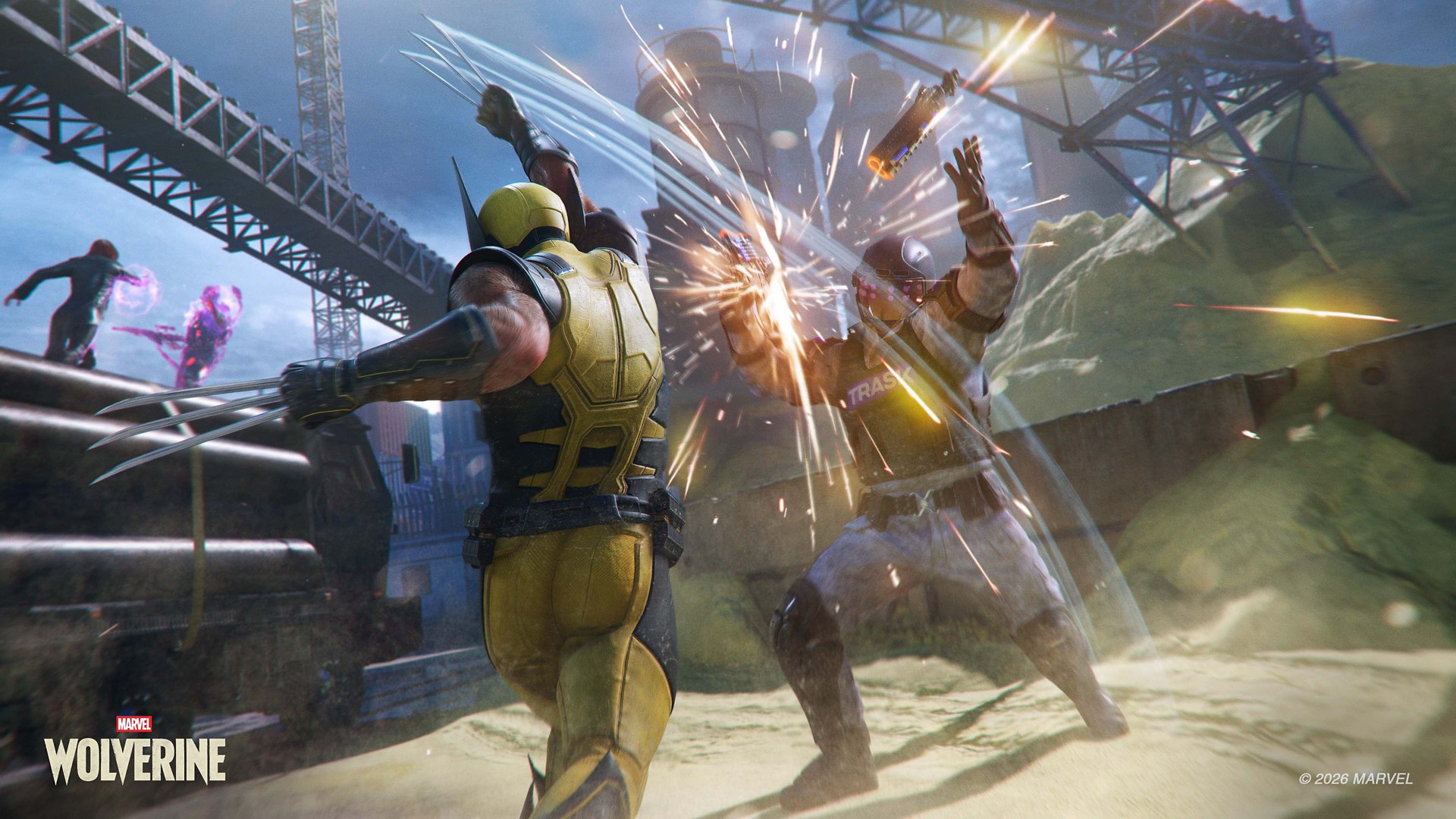
Attacks, parries, and kills all build Rage. Defence is timing-based: parries and dodges have to land in a window, and the accessibility options expose both a Dodge/Parry Input Timing setting and a separate Dodge Mode, which is a good indication of how central those two actions are. Unblockable attacks are telegraphed with a red tinge so you know when to move instead of trading.
Gunfire does not force a change of approach. Logan deflects and absorbs bullets with his claws rather than breaking off for cover, which keeps a firefight inside the same forward-pressing loop as a melee brawl.
PlayStation's own gameplay guide adds three markers worth knowing. Leaders carry a red icon and empower nearby enemies to coordinate and fight more aggressively, so they are a priority target. Reckless Attacks flash yellow and can be answered with a lethal counter. Some enemies need several parries in a row before they stagger, and ranged attackers are best dealt with early.
Enemy variety in the previewed build ran from ordinary Trask soldiers up to shotgun carriers, enemies with electrified melee weapons, and heavily armoured Reaver Brutes. The accessibility options include colour shaders for seven different enemy types, which suggests the shipping roster is at least that varied.
The environment is part of the arsenal. The game's trophy list records enemies impaled on environmental hazards, a Reaver finished off with molten metal, three enemies pushed out of a plane, and a boss fight staged in a market where every vendor stall can be destroyed.
Critical Strikes
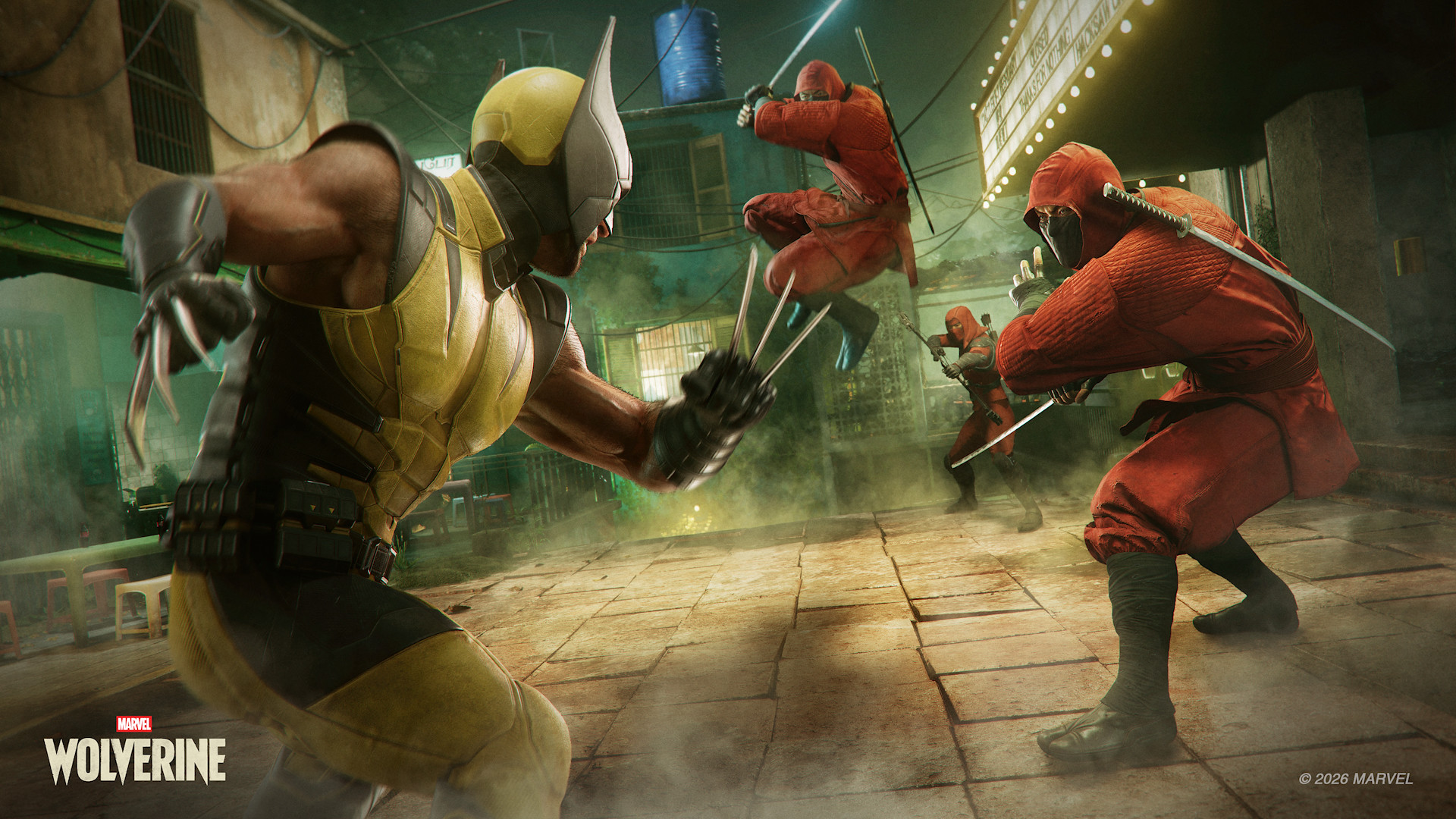
Critical Strikes are devastating finishing moves. Logan can perform them alone or together with another character, and against The Hand they can end with him snatching an enemy's katana or bow and slamming it back into them. Mike Daly has described the design brief for the move set in similar terms: headbutting enemies, cutting weapons in half, and generally solving fights with weight rather than with acrobatics.
Critical Strikes are also tied to the Rage meter. They come into their own at the top tier, which is why building Rage early in an encounter changes which finishers are available later in it.
Post-launch guides add that Hand fighters can leave their blades embedded in Logan; pulling one out sets up a counter, while leaving it in reduces his maximum Health until it is removed.
Special Techniques
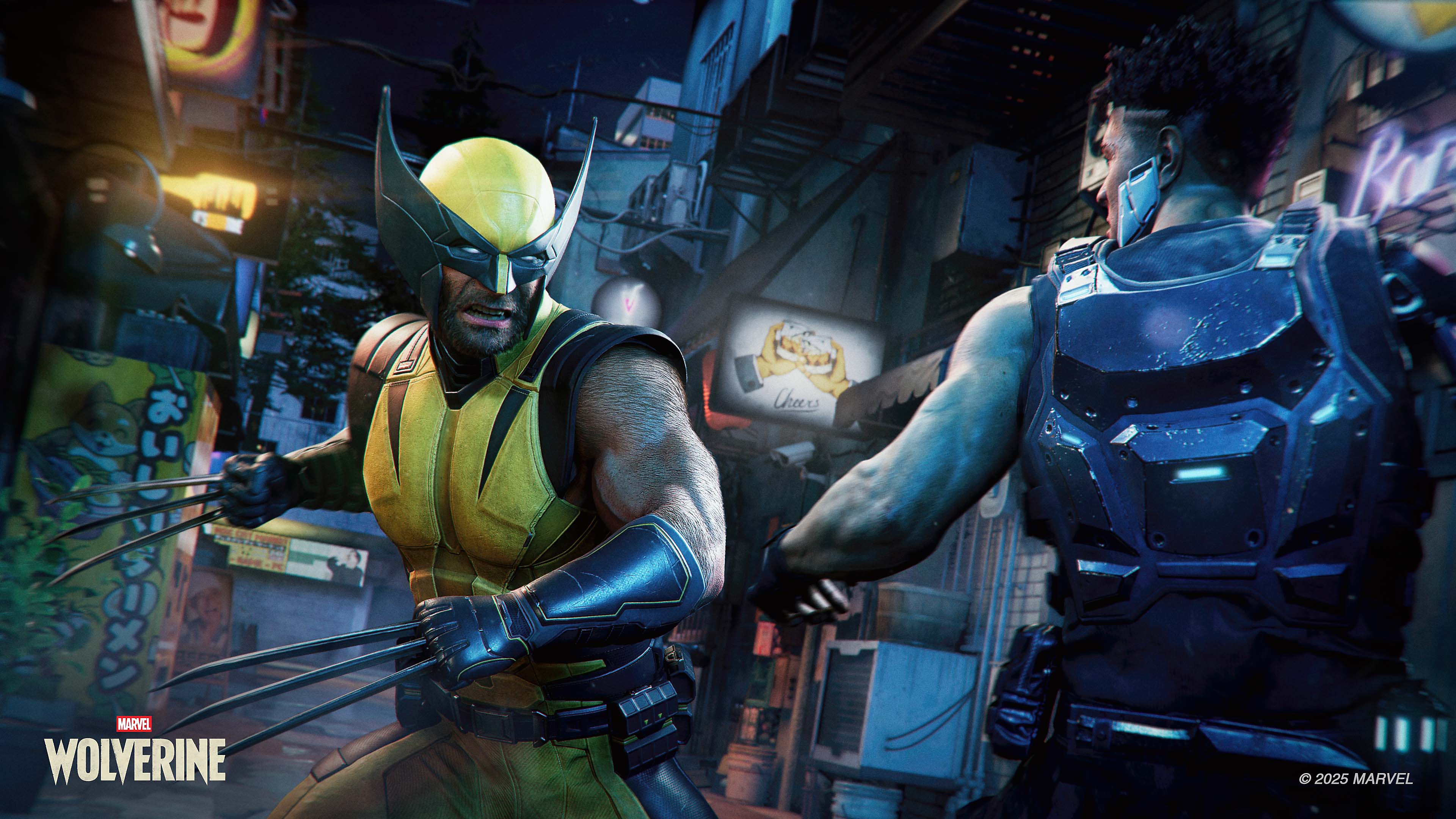
Two layers sit behind the move set. Techniques are learned combat moves that permanently widen what Logan can do. Special Techniques are the rechargeable ones assigned to shortcut slots, and four can be equipped at once.
Special Techniques are unlockable and upgradeable, and they are bought and improved through the progression menus rather than found. Six are named by the studio, plus one unnamed move:
Technique | What it does |
|---|---|
Tornado Spin | A high-damage, multi-hit spin that cleaves surrounding enemies and builds Rage. Upgrades raise its damage, break blocks and interrupt attacks. |
Knee Breaker | A strike to the head that staggers a target and interrupts its attack. Official material points it at Reavers specifically. |
Relentless | Focuses the healing factor to recover Health faster for a limited time. |
Spiral Strike | A drilling attack that bores through enemies, usable up to three times in a row when upgraded. |
Overwhelm | A charge that tackles and mounts an opponent. The name Bull Rush, used in Sony's Japanese-language September 2026 new-releases guide and in launch-window coverage, appears to refer to this move. |
Brutal Assault | A dash to the target and a combo that breaks through enemy defences. |
Claw projectile | Logan slashes his claws together to throw a ranged projectile. No official name has been published for it. |
All six are named in PlayStation's own gameplay guide, which also states that some unlock through story progress and others by level. The name Bull Rush, used for a charging Technique in Sony's Japanese-language September 2026 new-releases guide and in launch-window coverage, appears to be the same charge-and-tackle move the guide calls Overwhelm; no source states the equivalence outright, so this page treats them as one move under the English name. The claw projectile has no published name at all. Tornado Spin is used enough that the game tracks kills with it as a trophy.
Two further names from earlier hands-on sessions, Savage Sprinter, a slash performed while running through a group, and Sprint Block, which deflects small-arms fire while sprinting, turn out to be standard Techniques rather than Special Techniques: post-launch guides list both among the early Technique nodes.
Adaptations
Adaptations are the passive layer that shapes how the whole loop feels, and Insomniac describes them as amplifying Logan's momentum on the battlefield. There are dozens of them. The effects named officially are absorbing more bullets, increasing the effectiveness of Rage, widening the parry window, and terrorising enemies in the middle of a fight. Only a limited number can be carried at once, so an Adaptation loadout is a set of choices rather than a checklist.
Where Techniques come from, what Technique Points buy, and how many Adaptations can be equipped at once are covered on Progression and Upgrades.
Fighting alongside Team X
Logan does not fight alone for the whole campaign. Allies from Team X join specific missions, and you can call one in mid-fight. In the Sentinel Prototype encounter Mystique is a commandable ally who can be ordered to take a sniper shot, and Marcus Smith has characterised Sabretooth's assists as being like stealing your kills.
Jean Grey fights alongside the team as well, described in official material as a powerful telekinetic. Trophy requirements point to her blinding groups of enemies and leaving them open to quiet kills. Sabretooth has a team move of his own, described in a hands-on session as Logan being hurled bodily at a target.
The game is not co-op and there is no playable character switching. Allies are a tool you direct, not a second player slot.
Trask deploys Ability Inhibitors that block Wolverine and his teammates from using their abilities. While one is active Logan has to work past the pain and fight without healing, which turns those encounters into a race to destroy the Inhibitors. More on the hardware and the factions that field it is on Enemies and Factions.
Sentinels are part of the enemy line-up rather than a background threat. One mid-game encounter is a Sentinel prototype boss fought with Team X present, and trailer footage shows Logan tearing a tendril loose from one and turning it on the machine.
Enhanced Senses
Enhanced Senses is Logan's tracking ability, and it is built as a passive layer rather than a mode you toggle on. Marcus Smith has said the team built all the different incarnations of it before settling on something driven by camera movement and by what you are looking at. It shows visual wavelength cues, picks out enemies as ethereal blue skeletons, and lets you hear their heartbeats through walls; a separate option toggles that heartbeat audio and its vibration.
Out of combat the same sense follows scents, conversations, and music through an area, which is how Logan finds hidden crates, collectibles, and the memories attached to them.
Sony's own summary of the ability puts the stealth use plainly: Wolverine can sneak and slash his way to a stealthy takedown using his Enhanced Senses. The same sense is how you locate Nightmare Doors, the hidden challenge rooms scattered through each area.
Stealth
Stealth takedowns are available and Enhanced Senses marks the opportunities. Kills taken quietly pre-build the Rage meter, and Mike Daly has pointed out that Rage banked this way does not decay the way it does in an open fight, which makes an opening stealth phase a real advantage rather than a stylistic choice.
It is not a full stealth game. There are many scenarios where it is not possible to stealth your way all the way through, and stealth does not work against bosses at all. One previewed section had Logan sneaking through a fake town Trask had built, destroying generators as he went.
Insomniac has since reduced the point to one line: stealth is optional. What is on offer is opportunistic rather than hiding-based, closer to thinning a group before it notices you than to a sandbox built around assassinations.
Traversal
Traversal was designed from the ground up around the character's weight. Mike Daly has explained the reasoning directly: Logan has a metal skeleton and is extremely heavy, so the team wanted a system that represented that sense of weight and groundedness, including using that strength to climb rocks and trees and to sneak through areas. He is not light or agile, and the game does not pretend otherwise.
That emphasis is not shared across the whole studio. Mike Fitzgerald has said traversal is not an important part of Wolverine as a character, which sits against the ground-up system Daly describes. Both statements are on the record, and the shipping game contains the system.
In practice that means a low, feral run, a contextual lunge that closes distance onto a target, leaping gap-closers used for vertical movement, climbable surfaces, and ziplines during the Madripoor rooftop chase. Insomniac's own options list names climbing, jumping, and moving between traversal elements as the components involved, and offers a Traversal Assist setting that removes the inputs for them.
Chase sequences
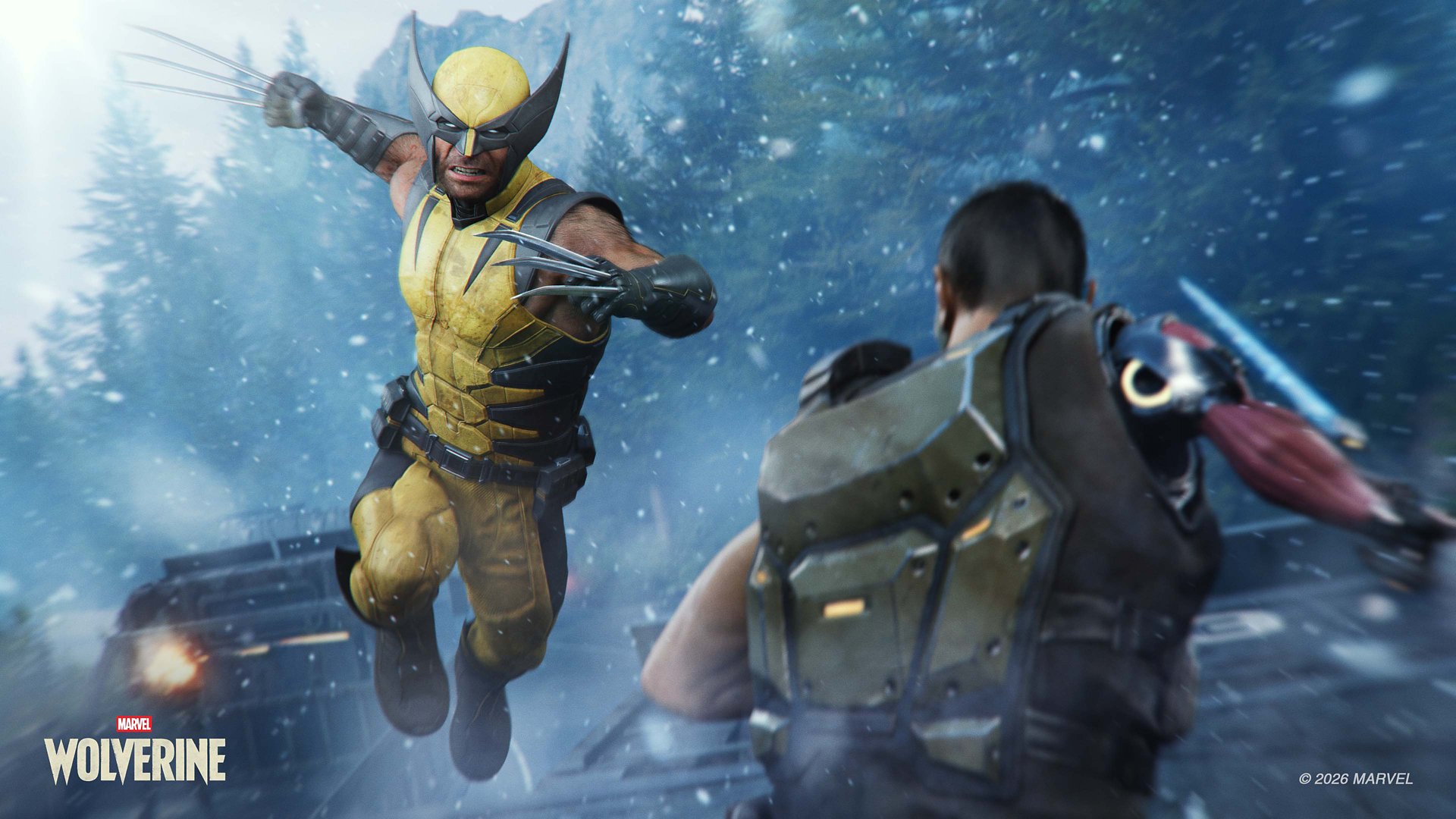
Insomniac has explained the trail on the record. Game director Mike Daly has described it as the now classic objective trail, actualised in game as Wolverine catching a scent, and has tied it to the deliberately minimalist interface: the team wants the player's eyes and thoughts on the world rather than on readouts. The game plays the conceit straight in cutscenes as well, with Logan pointing at his nose when someone asks how he found them. A Chase Assist option reduces the movement speed of chase targets. As of September 21, 2026, checked against the product page and its FAQ, the studio's support pages, its official posts and the published options list, no official material states whether Chase Assist also removes the trail.
Combat options
Several combat systems are visible through the settings menu even where the studio has not described them in detail. Lock-On can be set to Off, On-Screen, or All. Melee Mode offers Single, Combo, and Continuous variants. Special Techniques Mode switches between hold and toggle activation. Enemy Health, Enemy Damage, Stealth Awareness, and a Challenge Level setting can each be adjusted separately, and both global and combat-specific game speed sliders exist. The five Challenge Level presets are named and ordered on the Accessibility Options page; post-launch guides confirm that none of them affects trophies.
The full list is on Accessibility Options.