

Rage is the signature system in Marvel's Wolverine. It is a meter that fills as Logan fights, and it does two jobs at once: it escalates his fighting style through three tiers, and it pays for the healing factor that keeps him alive. Those two roles are deliberately linked.
Insomniac's own description of it is a three-tiered pool of adrenaline that leans into survivability, resilience and fury, in that order. The wording is worth keeping in mind, because it sets out what each step up the meter is for before any of the individual effects do.
Marcus Smith has given the reasoning. A simplistic healing factor where health just regenerates over time incentivises slowing down the pacing of combat, so the team tied healing to Rage instead, which means the way to stay alive is to keep fighting rather than to back off.
Building Rage
Successful attacks, parries, and kills all build the meter. Every move contributes something, kills award larger chunks, and particularly brutal ones, such as barraging an enemy who has already been opened up, build more than a clean finish would.
Holding the meter at its peak means continuing to kill. Rage is sustained by aggression rather than by caution, so there is no way to bank the top tier and then play it safe.
Stealth takedowns are the exception worth planning around. Rage banked through stealth kills does not decay, which makes clearing part of an encounter quietly a way to walk into the open fight with the meter already loaded.
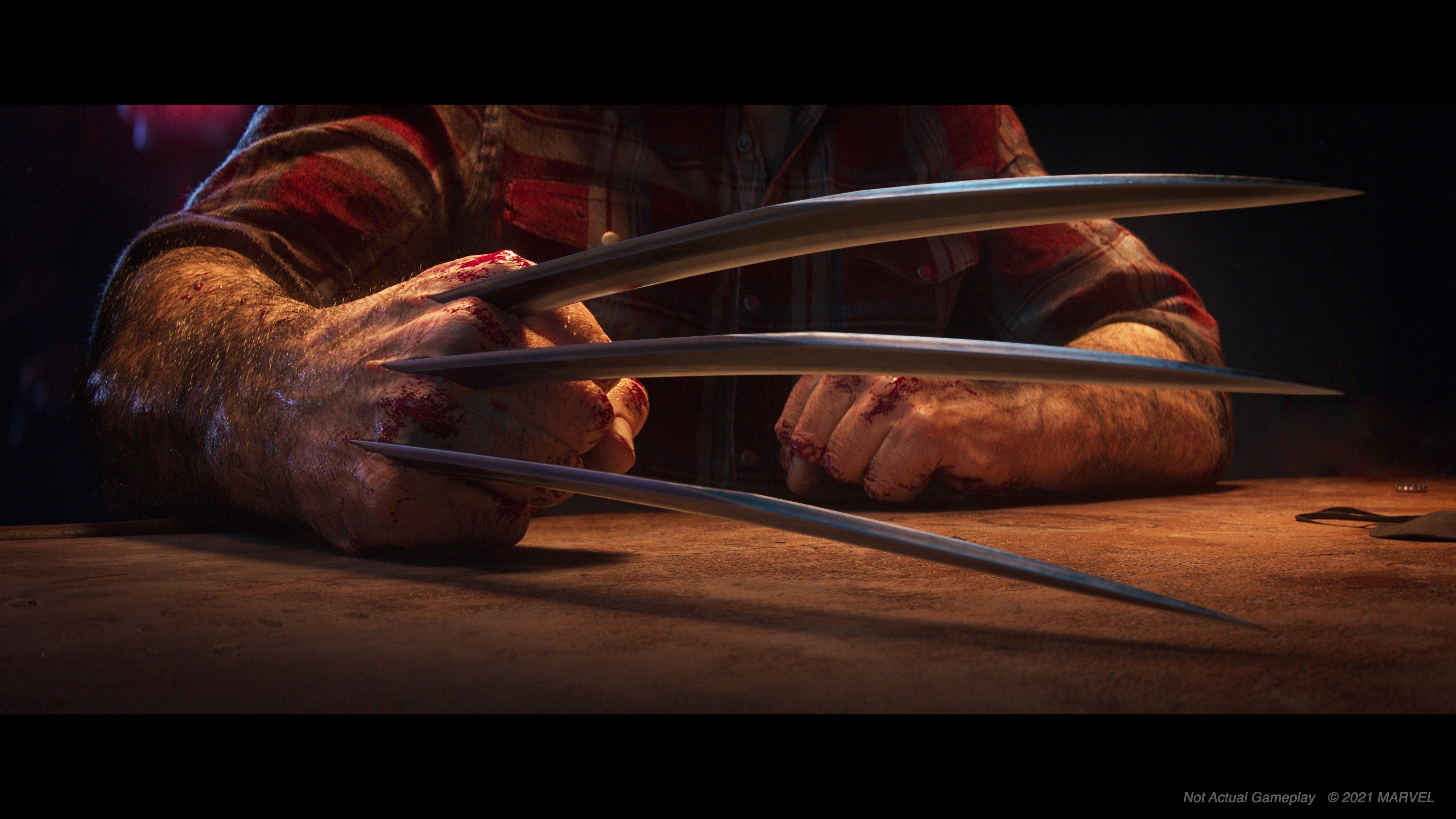
In an ordinary fight the meter does decay. It drains slowly at the lower end and much faster at the top tier, which turns the peak into a window you spend rather than a state you sit in. Mike Daly has described the result as a strategic aspect of choosing your targets.
The three Rage Tiers
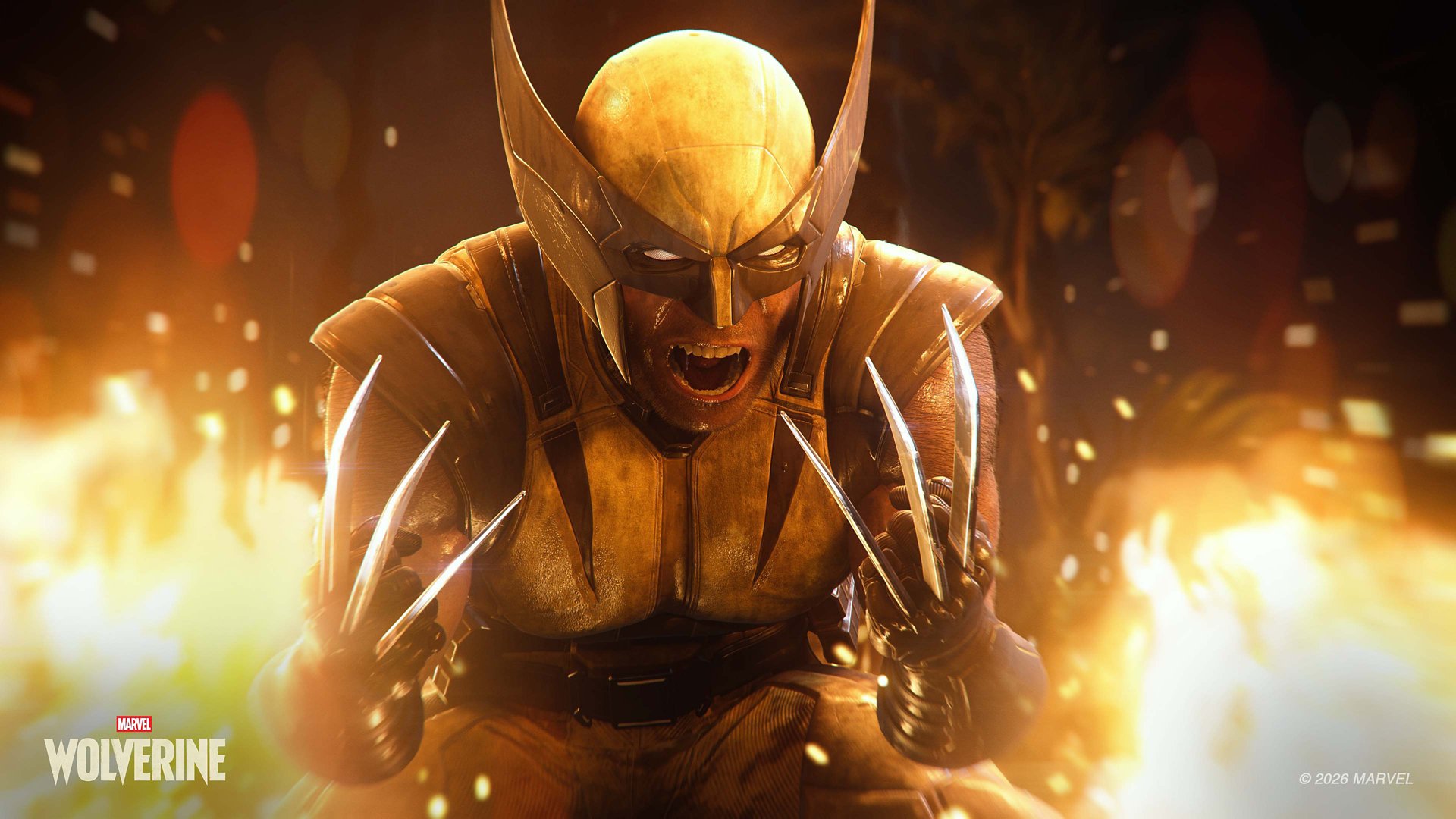
The meter rises through three tiers, and each one changes how Logan fights. Official material refers to them by number rather than by name; no tier names have been published.
Tier | Official focus | Effect |
|---|---|---|
Tier 1 | Survivability | The baseline state. Attacks build the meter and the healing factor works at its normal rate. |
Tier 2 | Resilience | Combos become more powerful, and Last Stand unlocks. |
Tier 3 | Fury | Attacks become significantly stronger, Logan shrugs off incoming attacks, and brutal Critical Strikes become available. The presentation shifts into a stylised monochromatic explosion of savagery, inspired by the Black, White, and Blood comic treatment: the frame drops to black and white with red the only colour left. Rage also drains fastest here. |
Previews have described the top tier with words like berserker state and berserk-like mode. Those are descriptive terms rather than official names for the tier.
The game tracks the climb itself. One of the trophies fires the first time Logan reaches Rage Tier 3.
Last Stand
Last Stand unlocks at the second Rage Tier and is the game's answer to dying. When Logan's health bar empties, having enough Rage means he is down but not out. A button-mash sequence follows, and how well you perform it determines how much health he gets back up with.
It is not a repeatable safety net. Triggering it consumes all of the Rage in the meter, so a second one is not available until the meter has been rebuilt. Mike Daly has also referred to this recovery as a Healing Surge, describing the adrenaline surge as jumpstarting the healing factor; the same mechanic appears under both names in official material.
The healing factor
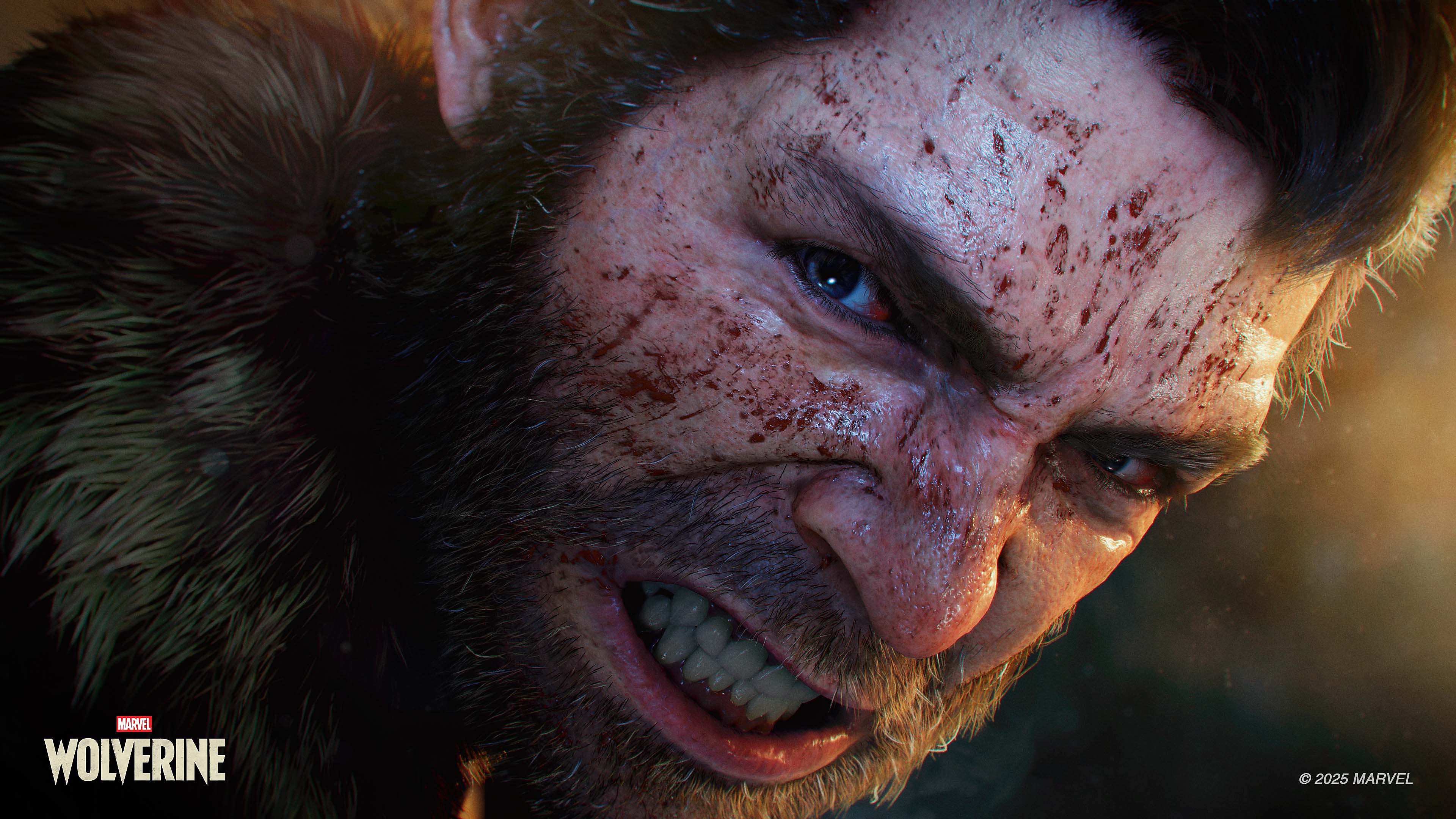
Outside of Last Stand, the healing factor is what lets Logan survive grievous body damage in the first place. It behaves differently depending on whether he is fighting.
In combat: healing is slow and passive. When all of Logan's body energy is dedicated to fighting, the factor recharges only gradually.
Out of combat: healing works rapidly, and health auto-regenerates once an encounter ends.
At the limit: if he takes enough damage the healing factor is overloaded. Mike Daly has been blunt about the consequence: his heart can stop, and that ends his healing.
Visible damage is treated as a presentation layer on top of that. A Visceral Healing option controls how much physical damage shows on Logan's body, separately from the difficulty of the fight.
One Special Technique acts on the factor directly. Relentless, named in PlayStation's own gameplay guide, focuses the healing factor to recover Health faster for a limited time, and its upgrades let Logan shrug off basic attacks while it runs, extend its duration and add a healing burst when he is near death.
Logan's clothing recovers with him. Suits repair alongside the healing factor instead of staying shredded for the rest of a mission, a decision Mike Fitzgerald has explained in exactly those terms: players were not going to spend whole missions in rags.
Having it taken away
Two confirmed enemy tools interfere with healing. Trask's Ability Inhibitors block Wolverine and his teammates from using their abilities entirely, forcing him to work past the pain and fight without healing until the Inhibitors are destroyed. The Hand carry special blades that pierce him and temporarily stunt his healing; post-launch guides add that a blade left embedded reduces his maximum Health until Logan pulls it out. Both are covered on Enemies and Factions.
Upgrading it
Adaptations, the passive perks bought through progression, can improve long-term effects and skills including Logan's health and the Rage meter itself. Those are equipped against a limited allowance rather than stacked freely; see Progression and Upgrades. Finishing Nightmare Doors quickly raises how many can be equipped at once.
Official material lists increasing the effectiveness of Rage among the things Adaptations do, and several of the named ones act on this page's systems directly. Enraged Recharge speeds up Special Technique recharge while Logan sits at Tier 2 or Tier 3. Enraging Sprint turns ranged attacks during a sprint into Rage. Healing Dangerously restores health on a successful reaction. Healing Dangerously and Enraging Sprint are now named in PlayStation's own gameplay guide; post-launch guides list 25 Adaptations in total, and the full table is on the Adaptations page.
Suits are the other lever on survivability. Official material states outright that crafting suits works toward permanent Health upgrades, so crafting is part of how much punishment Logan can take, even though wearing any particular suit is cosmetic. The wardrobe itself is on Suits and Claws.