

This article is a stub
It lacks sufficient information and needs to be expanded. You can help by adding more content.
Monetization in Embers of the Uncrowned is governed by a single public pledge from NEXON: the game will follow a non-pay-to-win model. All gear, progression items, and essential consumables will be obtainable through gameplay. Beyond that pledge and a confirmed wishlist-event cosmetic tied to the Steam Next Fest demo, the specific shape of the storefront has not been disclosed.
The Non-Pay-To-Win Pledge
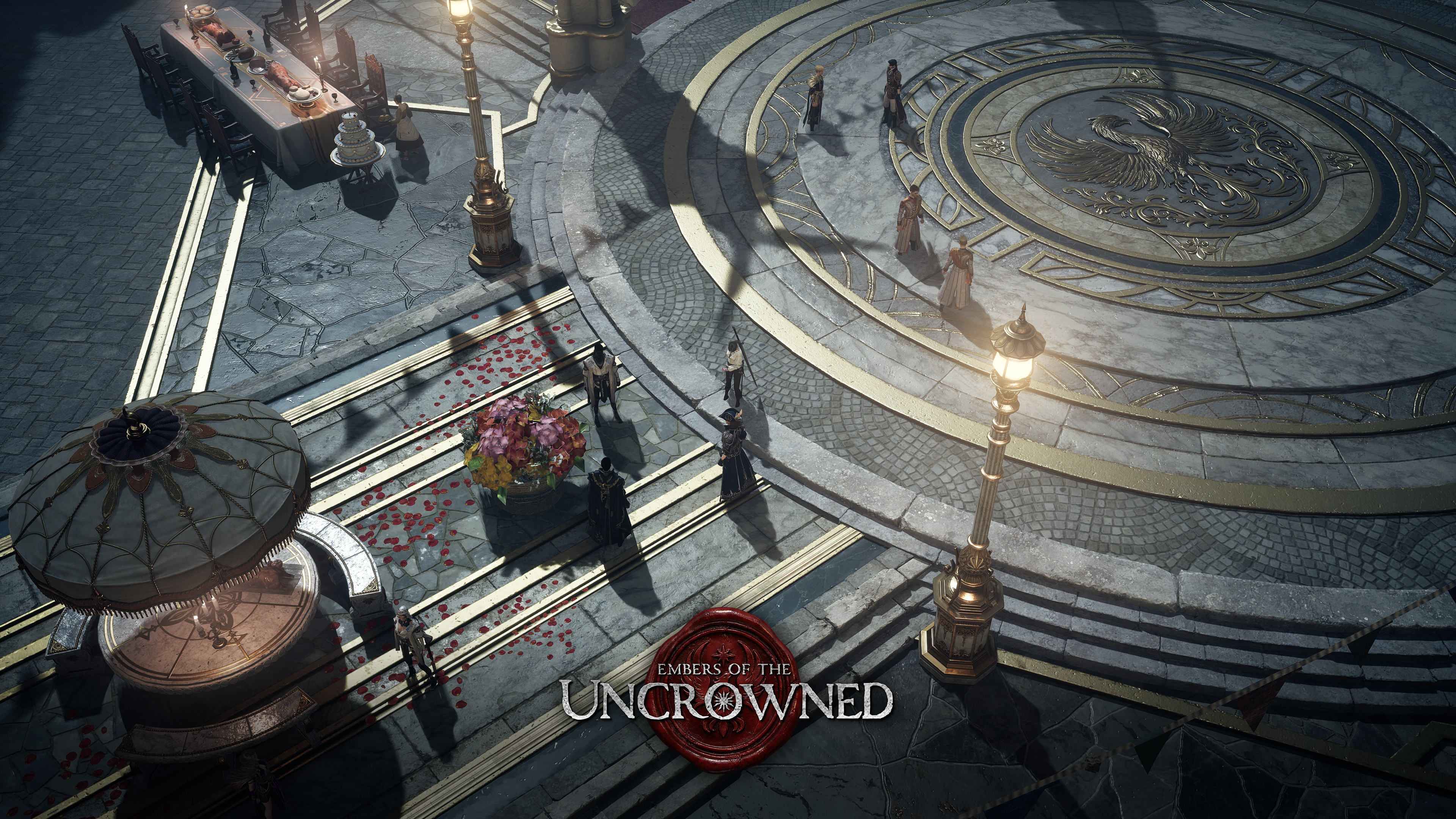
On April 23, 2026, the development team stated:
"To protect the integrity of this world, we promise that Embers of the Uncrowned will not include any Pay-to-Win items that directly affect character growth. All gear, progression elements, and essential consumables will be obtainable purely through gameplay."
The pledge is the foundation of the entire monetization story for the game. It implicitly rules out paid power, paid stat boosts, paid progression catch-up, paid endgame gear, and any cash-shop item that changes combat outcomes against equivalently leveled players.
What Has Been Stated
Category | Status |
|---|---|
Gear | Obtainable through gameplay. Equipment that drives combat performance is earned, not purchased. |
Progression Items | Obtainable through gameplay. Materials and items that fuel character growth are earned in the world. |
Essential Consumables | Obtainable through gameplay. Items required for participation in the game's systems are earned. |
Cosmetics (costumes) | Format not disclosed beyond the demo wishlist reward. Costumes exist in the game, and the demo has 12 costume sets. |
Format not disclosed. The demo has 19 mounts. | |
Battle Pass / Subscription / Founder Bundle | Not disclosed. No commitment for or against has been published. |
The Confirmed Cosmetic Rewards
The first confirmed reward published was the Ocean-Blue Nostalgia costume, granted in the demo for wishlisting the game on Steam during the event window (April 22 19:00 PDT to June 15 10:00 PDT). This is a wishlist-event cosmetic, not a paid item; players do not purchase it. It is a marketing reward distributed at the event end through the Steam News Hub and the official Discord.
That distinction matters for the monetization picture. The Ocean-Blue Nostalgia cosmetic is a free promotional grant, not a sample of paid storefront pricing. Nothing about its existence tells the player what cosmetic prices, mount prices, or other store inventory will look like at full launch.
A second reward came from The First Embers login event run during the festival. Players who logged in on any two consecutive demo days earned a limited title and the Demon Warrior costume. NEXON is holding both back to deliver at official launch rather than inside the demo, and has committed to offering them again through later events so neither becomes a permanent exclusive.
Everything else earned in the demo, the Ocean-Blue Nostalgia costume included, was wiped when the build closed. NEXON stated up front that all play records and rewards from the demo would be reset before official launch, which is why the two launch-delivered items were kept outside the demo economy in the first place.
Earned Versus Bought
The pledge ties directly back to the progression layers that define a character. Each sits inside the gameplay loop, not behind a purchase:
Layer | Acquisition |
|---|---|
Earned through gameplay. Build customization comes from the in-game skill economy. | |
Earned through gameplay. Equipment upgrade materials are sourced from play. | |
Earned through gameplay. Awakening the ancient bloodline power is a progression milestone. | |
Earned through gameplay. Growing a camp into a city is rewarded through liberation and resource investment. |
Why the Pledge Matters
The non-pay-to-win pledge is a specific commitment in a genre with a long history of competing approaches. Modern MMORPGs sit across a spectrum: some offer power directly through the cash shop, some convert real money into time-savers that still affect combat power, some sell only cosmetics, and some operate as buy-to-play products with no cash shop at all.
The studio has placed Embers in the cosmetic-and-time-savers-only segment by promising that gear, progression items, and essential consumables remain inside the gameplay loop. The practical effect on player choice is that a paying player and a non-paying player share the same combat ceiling. Differences emerge in cosmetic appearance, convenience, or quality-of-life rather than damage output, defense, or build power. Whether that holds true depends on how the studio implements the storefront over time; the pledge sets the public starting point.
Demo materials clarified how cosmetics are obtained. Costumes are made up of multiple parts that can be mixed and matched, and they are acquired in two ways: some are purchased with Gold (the in-game currency), and others are earned through special in-game events. The demo also surfaced Costume Coins as a reward from exploration content such as the Abyss Cocoon, pointing to an earnable cosmetic-currency track that sits alongside the developers' non-pay-to-win stance.
What Has Not Been Stated
Several monetization details have not been disclosed but are likely to land before the full release. The list below is what players should look for, with no implied prediction about how the studio will land each one.
Detail | What to Watch For |
|---|---|
Base Price | Whether the full game is free-to-play, buy-to-play, or subscription-based. The Steam store page will display the price tag when the storefront is finalized, ahead of the launch date. |
Cosmetic Storefront Categories | Whether the cash shop sells full costume sets, individual pieces, mounts, weapon skins, emotes, housing decoration, or some combination. Costume mixing is a player-side system, which suggests the shop catalog can interact with it. |
Premium Currency Naming | Whether the game uses a single named currency, a dual currency system, or earned-and-purchased equivalents of the same currency. |
Battle Pass or Season Pass | Whether seasonal play offers a tiered reward track, and whether the rewards are cosmetic only or include power-adjacent items. |
Founder or Pre-Purchase Packs | Whether bundles offering early access, beta access, vanity items, or in-game currency packs become available before the full launch. |
Region Pricing | Whether the game adjusts pricing for regional Steam stores, and how the cash shop handles regional purchasing power. |
Refund or Trial Policy | Whether the studio adds anything on top of Steam's default 14-day, 2-hour refund window. |
Trade and Account Services | Whether the storefront sells character renames, server transfers, name changes, or appearance resets, all common in the MMORPG market. |
Tracking the Pledge
Players have asked the dev team to track the pledge against real storefront design once the storefront ships. The team has explicitly invited that feedback through the Steam News Hub and Discord and described the demo period as a window for honest community input. The non-P2W commitment is the single most-cited promise in pre-launch coverage and will be the primary lens through which monetization is judged at launch.
Related
NEXON
Steam Next Fest Demo