
Loading...
Base Building
November 27, 2026 at 02:58 AM
Added 4 screenshots from the official store page gallery (2026-11-27)
Building in ROB RUN is fully item-based. Every structure and every functional object is deployed directly from the player's inventory, so building pieces can be bought, found in loot or taken from someone else's bag. This page covers what can be built at a base as of the November 2026 Early Access build.
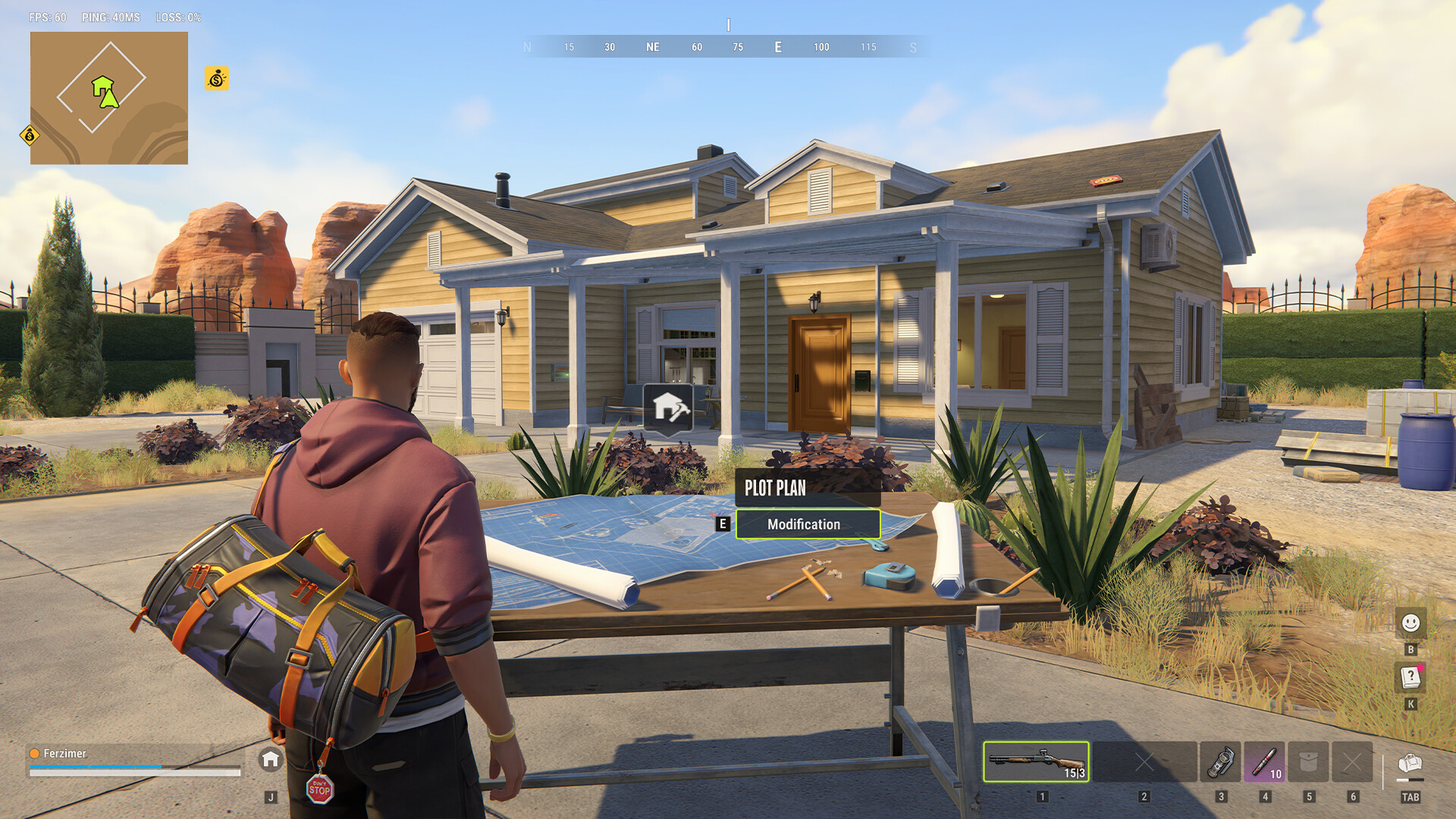
Because structures are items, a house, a fence or a garage behaves like any other piece of loot until it is placed. The developer gives examples at both scales: structures such as houses, fences, farms and garages, and functional objects such as safes, racks, workbenches, vises, garden beds and cooking pots. In the official screenshots, a Plot Plan table stands on the player's land with a Modification option, and the Black Market has a separate Construction tab next to Gear and Vehicles.
Structure | Purpose |
|---|---|
Main building | The home itself. Starts with a laptop, a first-aid kit and a few cabinets |
Garage | Extra parking space for a car collection |
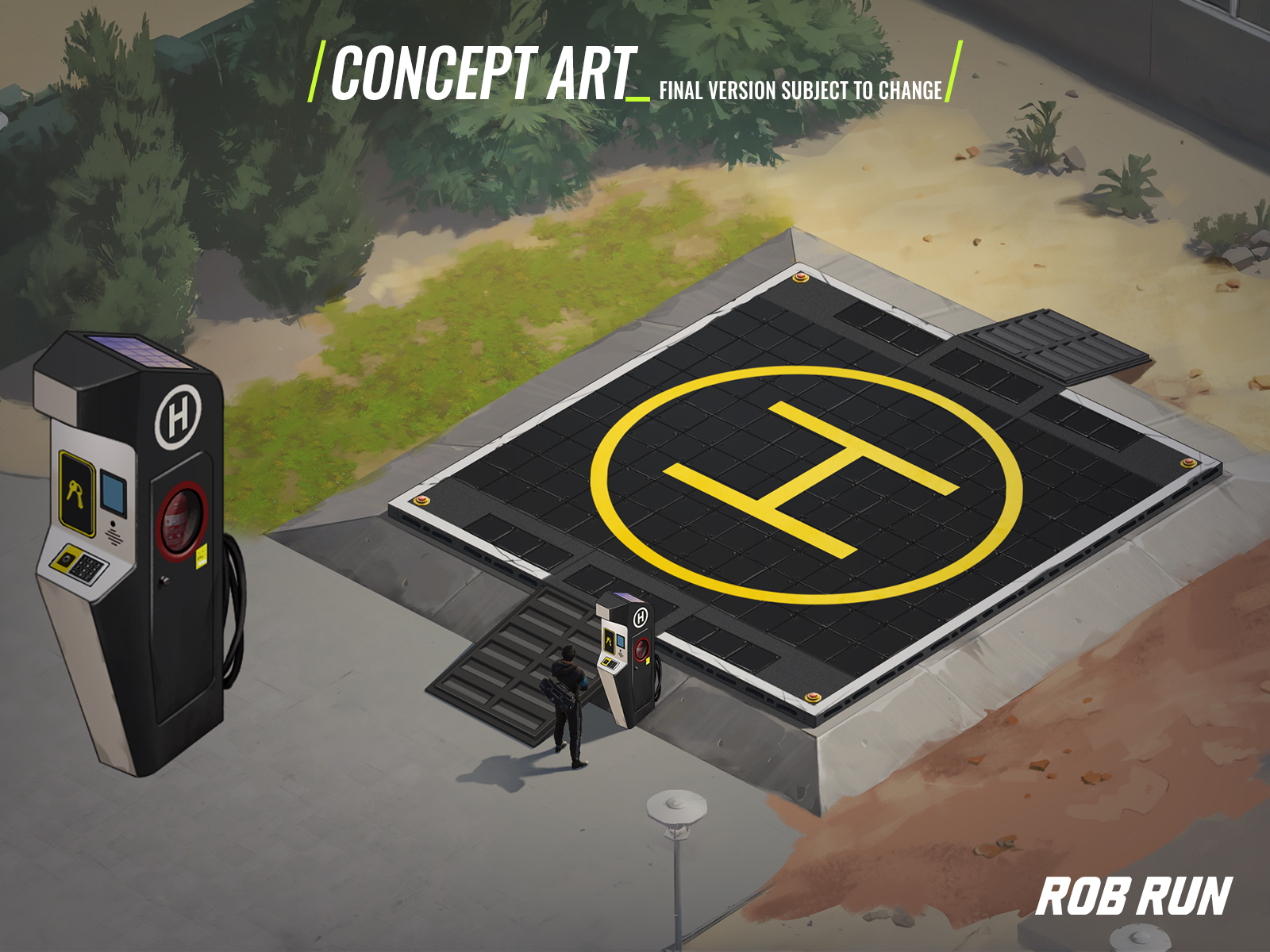
Helipad | Needed to keep a helicopter found in loot or bought |
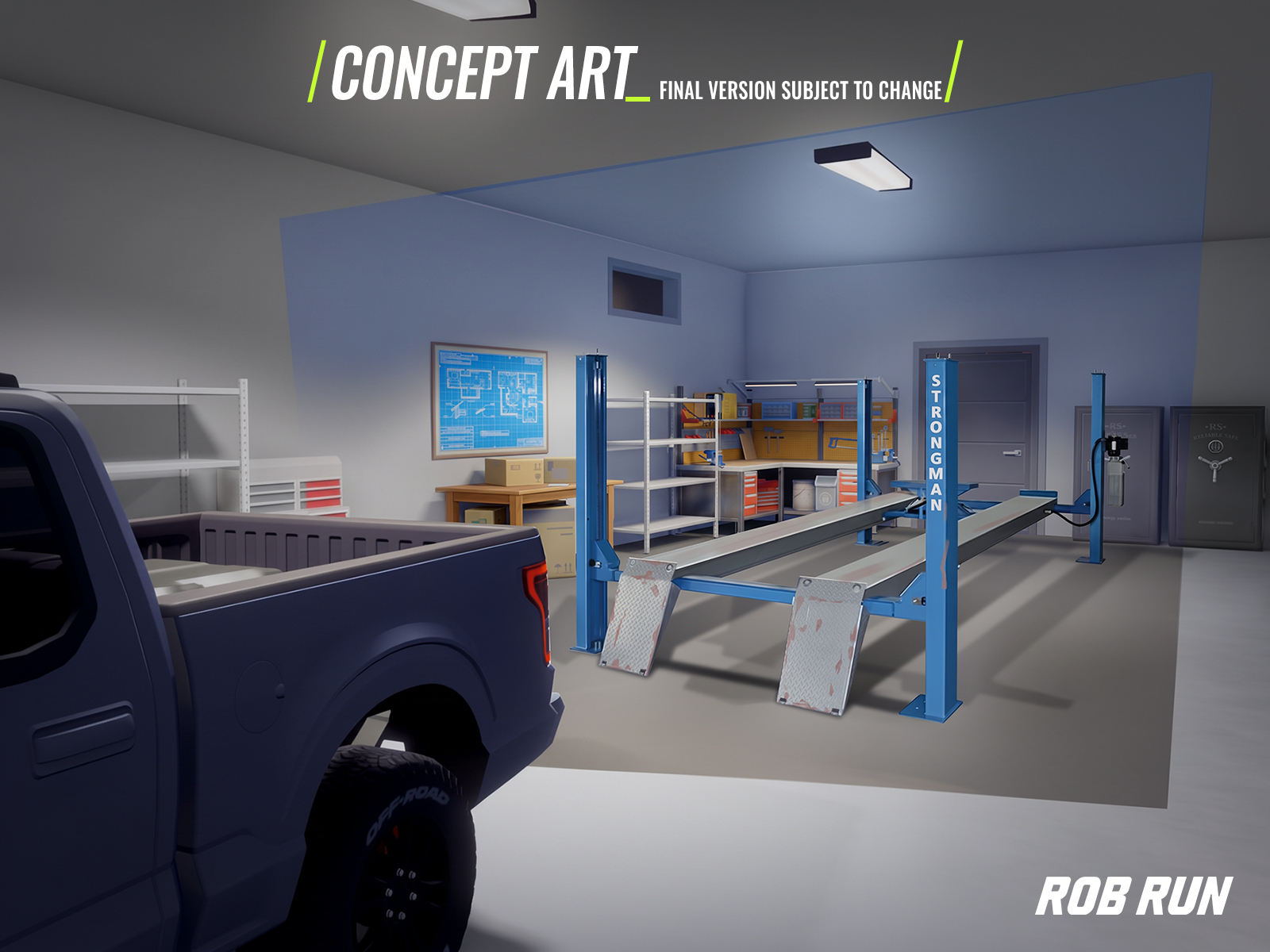
Lift | Lets the player replace car modules at home instead of visiting a city auto repair shop |
Farm | Grows bushes for sale; see Businesses |
Laboratory | Processes chemical reagents; see Businesses |
Warehouse | Bulk storage |
Fence | Makes access to the property harder |
The developer adds a joke about the lift: any large boulder at the location could serve as one. Official concept art shows a trailer home, a fenced compound with a single story house, a garage with a car lift and a safe, and a helipad with a landing terminal. Players describe trailers and larger houses as the home types in the live game and report upgrading from a trailer to a house through the Plot Plan.
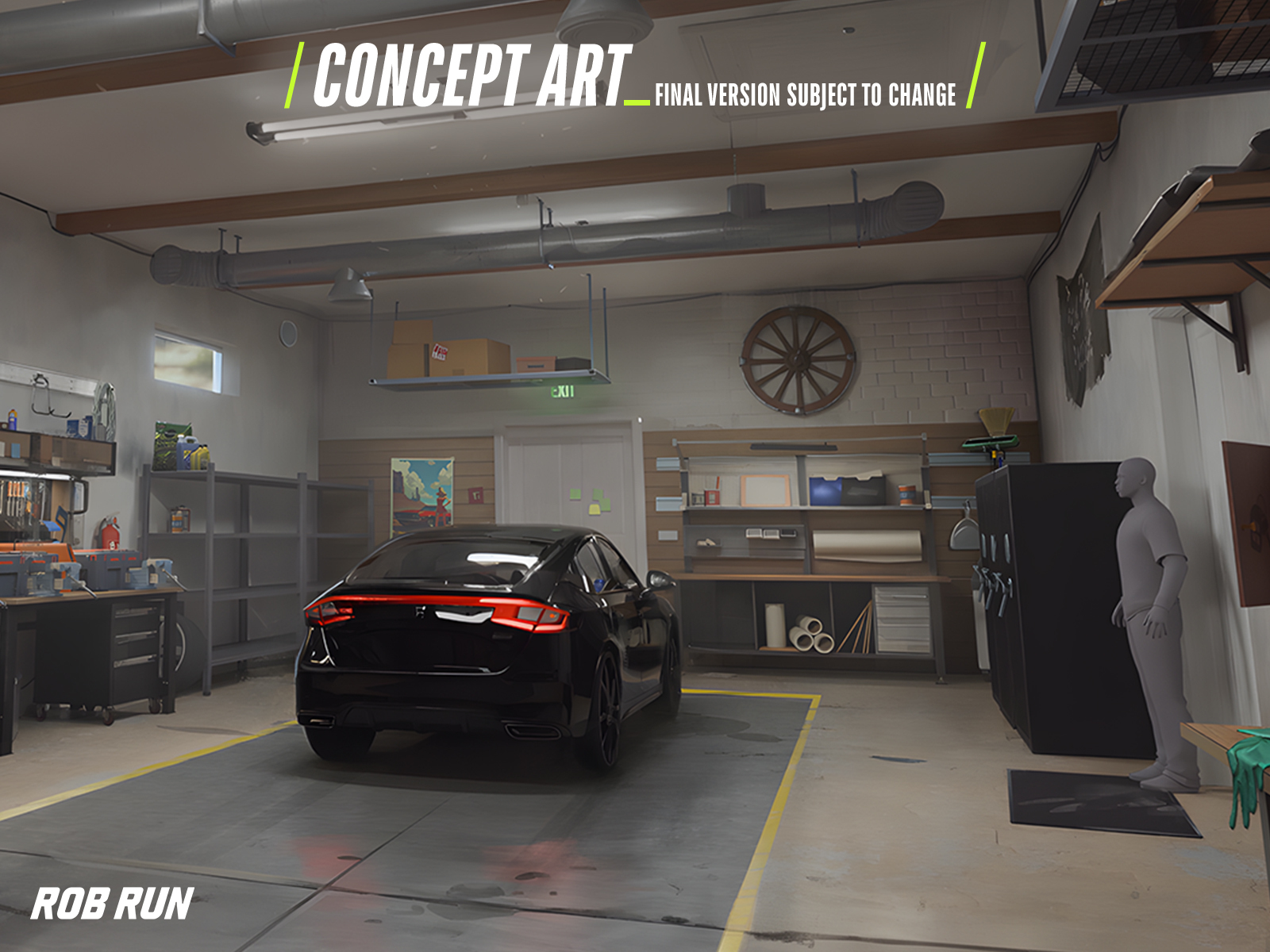
Inside, the player sets up all furniture and workbenches themselves. Workbenches can be upgraded with modules, which expands what they can do. The developer's examples of functional objects are safes, racks, workbenches, vises, garden beds and cooking pots.
Players report several named benches and modules in the live game:
Object | Reported use |
|---|---|
Laundering desk | Turns dirty cash into bank money; Banknote Counters speed it up |
Cargo workbench | Opens cargo crates found in the city |
Contraband workbench | Repackages cargo; a Label Printer speeds it up and a Tool Box adds capacity |
Key locker | Holds personal car keys so the car appears in the garage |
Cargo racks | Store bulky cargo at home |
Safe | Protected storage that a normal break-in cannot open |
The laundering desk is confirmed by the developer, who greatly increased the amount of cash it can hold on November 4, 2026. The other names in the table come from players.
The developer explains that each kind of find has a home in the base: cargo found in a location can be set up to open, bushes can be grown at a farm and chemical reagents can be used in a laboratory. Anything without a current use can simply be stored, since it may be useful later.
Fences are placed like other structures, but the developer has said they were never meant to be the ultimate protection for a property, especially since the game has air vehicles. Getting over a fence does not give access to what is inside the buildings. In November 2026 the developer acknowledged that property defenses could be better and said it will work on making it harder to breach someone's territory on foot or by car. Players refer to mesh, metal and concrete fences of increasing strength.
A whole base and its contents can be moved at any time, so building in one settlement does not lock a player in. After a raid, any surviving structure can be rebuilt. See Raiding and Base Defense for how buildings are protected.