
Loading...
Loading...
Shelter
October 19, 2026 at 06:46 PM
Added the October 2026 housing preview (shipping container start, moves tied to Citizen Status, new decoration modes, furniture tied to the morning routine) and fixed an empty section heading
The shelter is the player's personal living space inside the Yeouido quarantine zone in NAKWON: LAST PARADISE. It is the safe half of the survival loop and the place where every nightly expedition is planned, prepared, and recovered from. The closed alpha confirms shelter as a fully interactive 3D living space rather than a menu, with placeable furniture, upgradeable workbenches, food storage, and persistent gear setup. For wider context, see the overview and day-night cycle.
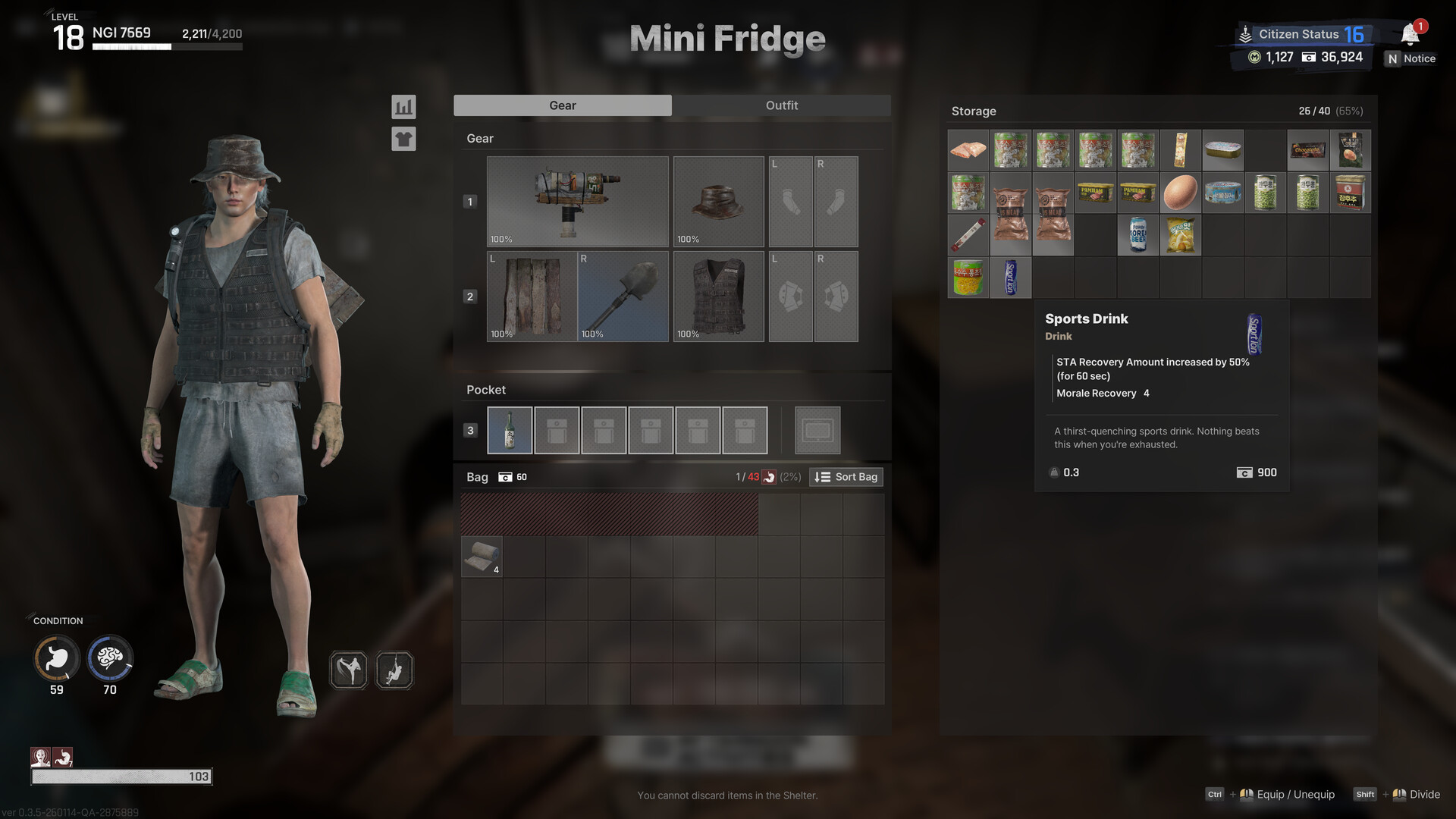
Shelter activities fill the day phase. During the day, the player is back inside the walls and cannot run into the city; the day window is dedicated to maintaining the shelter, processing the previous run's loot, and getting ready for the next night. The official framing places the player as a refugee inside Yeouido, paying rent on the shelter, climbing a Citizen Grade ladder, and treating the home as the only persistent space that survives between expeditions.
Because items carried into an expedition can be lost on death, the shelter is also the only safe storage in the game. Anything stowed at home is still there when the next day begins; anything carried on a run is at risk until the survivor returns through an exit.
The shelter is a fully interactive 3D room rather than a menu. The closed-alpha press materials describe it as a space where the player can place furniture freely, decorate to taste, and shape the environment they return to each morning. Functional objects sit alongside cosmetic ones, and the two categories interact: a workbench is a piece of furniture in placement terms, but it also gates which gear the player can craft and modify.
The closed alpha confirms the following shelter fixtures and their functions.
Object | Function | Notes |
|---|---|---|
Craft, repair, and modify items. | Higher workbench levels unlock more types of items to craft and grant additional stats. Multiple workbench tiers are confirmed. | |
Refrigerator | Extends the shelf life of consumable food. | Lets the player carry stored food across more day cycles before it spoils. |
Storage furniture | Stores gear, materials, and consumables between expeditions. | Persistent across runs. Confirmed during the closed alpha; specific capacity numbers have not been published. |
Decorative furniture | Customizes the look of the shelter. | Cosmetic placement does not directly affect combat or expedition stats. |
Shelter sits at the intersection of every other survival system. It feeds armor, firearms, and melee weapons by housing the workbench used to repair, modify, and craft them. It is where the loadout for the next expedition is assembled. It is where consumables used for wound management are stored. The skill traits tree even contains build directions that lean into shelter-side crafting rather than combat, making the shelter a meaningful build target rather than a backdrop.
Money earned from selling expedition loot goes toward two things: rent on the shelter and upgrading the gear and furniture inside it. Falling behind on rent is implied to push the survivor down the Citizen Grade ladder, which restricts which districts and equipment they can access.
The April 15, 2026 Dev Talk and the March/April Q&A confirmed several shelter-side improvements planned for builds after the Closed Alpha. These are stated intentions, not committed dates. Treat them as roadmap context rather than current-build mechanics.
Wall-mounted installations: placement of objects on walls rather than only on floors. The Closed Alpha shelter supported floor placement only.
Interior surface customization: player-controlled choice of flooring, wallpaper, and ceiling finishes, broadening shelter personalization beyond placeable furniture.
Expedition gear loadout inside the shelter: the ability to swap loadout pieces from within the shelter space. The Closed Alpha required the player to manage the next-night loadout through a separate interface.
Usability passes: clearer UI for food expiration on stored consumables, a screenshot mode, and other usability work the team described as ongoing rather than tied to a single patch.
None of these features were available in the Closed Alpha build. Specific timing has not been published; the bullet points above are the public roadmap as of May 2026 and should be hedged accordingly in any reader-facing summary.
The May 2026 developer Q&A added more items to this roadmap, all still under review. The team said it is reviewing interior customization that would let players change floors, walls, and other elements of the shelter, and that a pet system allowing animals such as dogs and cats is being considered, though much about its scope remains undecided. A frequently requested feature, letting friends visit each other's shelters, is something the team said it would love to implement but cannot commit to in the near term because of technical and resource constraints. None of these features were available in the closed alpha; they are stated intentions, not committed dates.
A June 2026 development update gave two of these shelter-side usability items a more concrete shape, though both remain in development. Food storage gains an expiration label shown directly on each item icon, so the player can see at a glance which stored consumables are close to spoiling without opening each one. The temporary bulk-transfer button from the closed alpha, which only moved materials, is being replaced by a category move: holding Alt and clicking an item sends every item in that category to storage at once, making it quicker to load materials into a suitcase, food into the refrigerator, or gear into a chosen container after a run. These are previewed changes, not closed-alpha features.
The late-June 2026 Q&A added more housing direction, all of it still in development. The team said Housing is being built to influence a survivor's life and long-term progression inside the safe zone rather than the expedition itself, and that it is exploring a structure where upgrading a piece of furniture improves the efficiency of the activity tied to it. Decorative furniture is planned to stay focused on personal expression, with no current plans to attach gameplay stats or permanent buffs to it, though the team left the door open to revisiting furniture bonuses later. Two smaller ideas are under review rather than confirmed: giving harder-to-make, high-tier food its own expedition buffs, and reintroducing a cut feature that let players spend old currency at vending machines for drinks.
A developer Q&A published in early August 2026 addressed two of the most-requested shelter features and set out the reasoning behind the current storage design.

Letting players invite friends into their shelter has been raised inside the dev team as well as by players. Recent technical reviews suggested it may be feasible, and the team said it is testing the idea. The first goal, if the implementation works out, is simply to let friends enter and look around, so players can show off a space they have built and personalised. Dedicated animations for interacting with placed furniture are not a priority at the moment and are likely to be revisited after launch.
On storage, the team was explicit that it does not intend to add a unified stash. Capacity is meant to grow by physically placing storage furniture in the living space rather than by increasing an abstract slot count. The reasoning is that motivation in NAKWON starts from scarcity: the team wants players to feel the limits of a small home and then feel a tangible improvement as that home grows. A fully unified storage system, in its view, would undercut that sense of progress. Usability improvements to make stored items easier to reach and manage are still planned, and the team drew a line between limits that exist to support progression and friction that simply should not be there.
Loadout presets held on mannequin furniture have been discussed internally. The team called them unfeasible in the near term because of scheduling priorities, while keeping them on the roadmap for later consideration. For how presets relate to the trait system, see skill traits. The people who sell and repair the equipment brought back to the shelter are covered in vendors.
A developer note published on 15 October 2026 laid out how housing is planned to grow with a survivor's standing. Everything in it is described as in development and subject to change, and none of it was part of the March 2026 closed alpha.
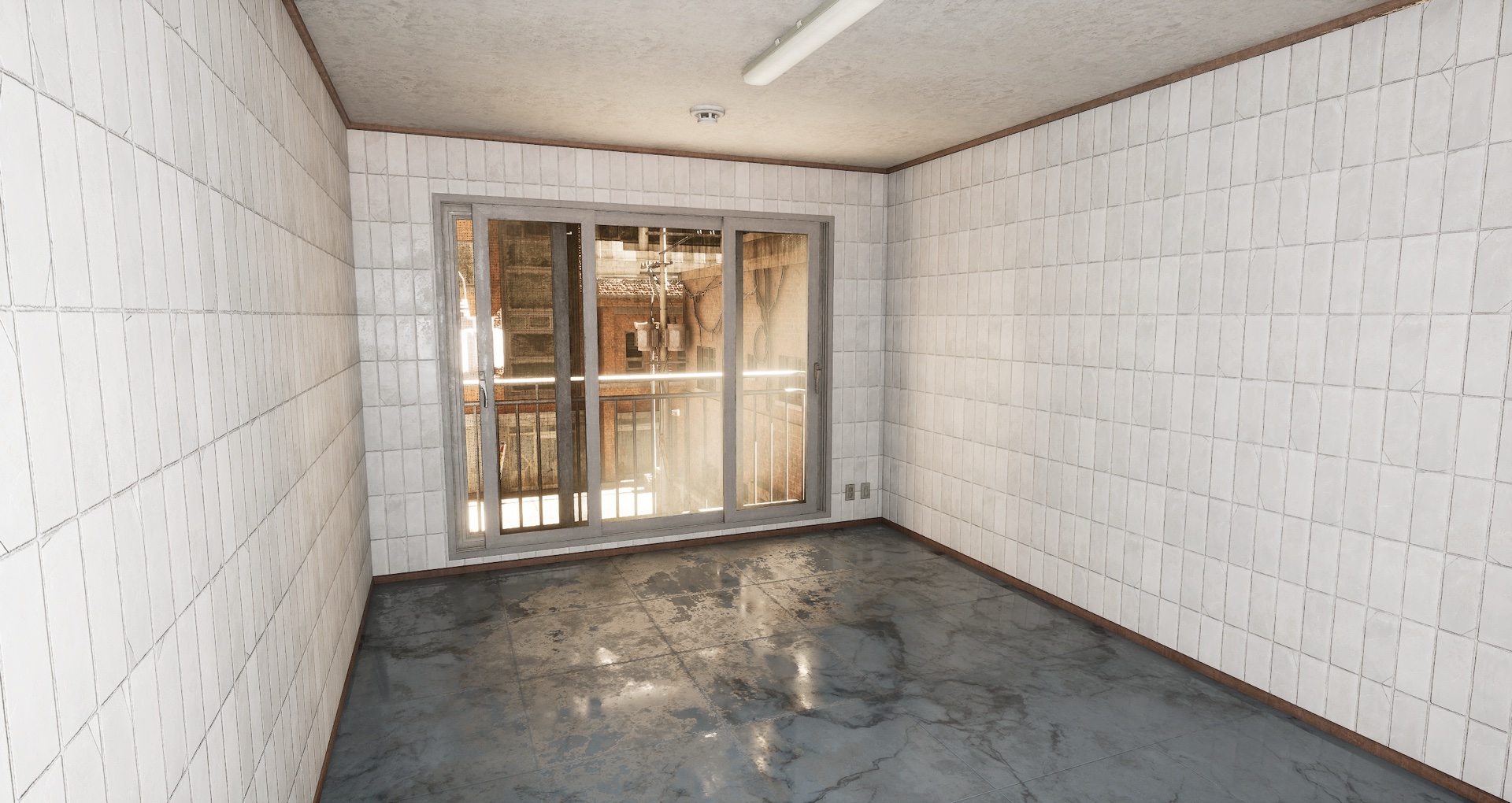
A survivor's first shelter is a single shipping container. As Citizen Status rises, the survivor moves to larger rooms on higher floors, with space for more furnishings and decorations. The note names a semi-basement unit, an above-ground floor of a run-down low-rise building, and eventually a house with large windows as points along that path. It does not say how many housing stages there are or which rank unlocks each move.
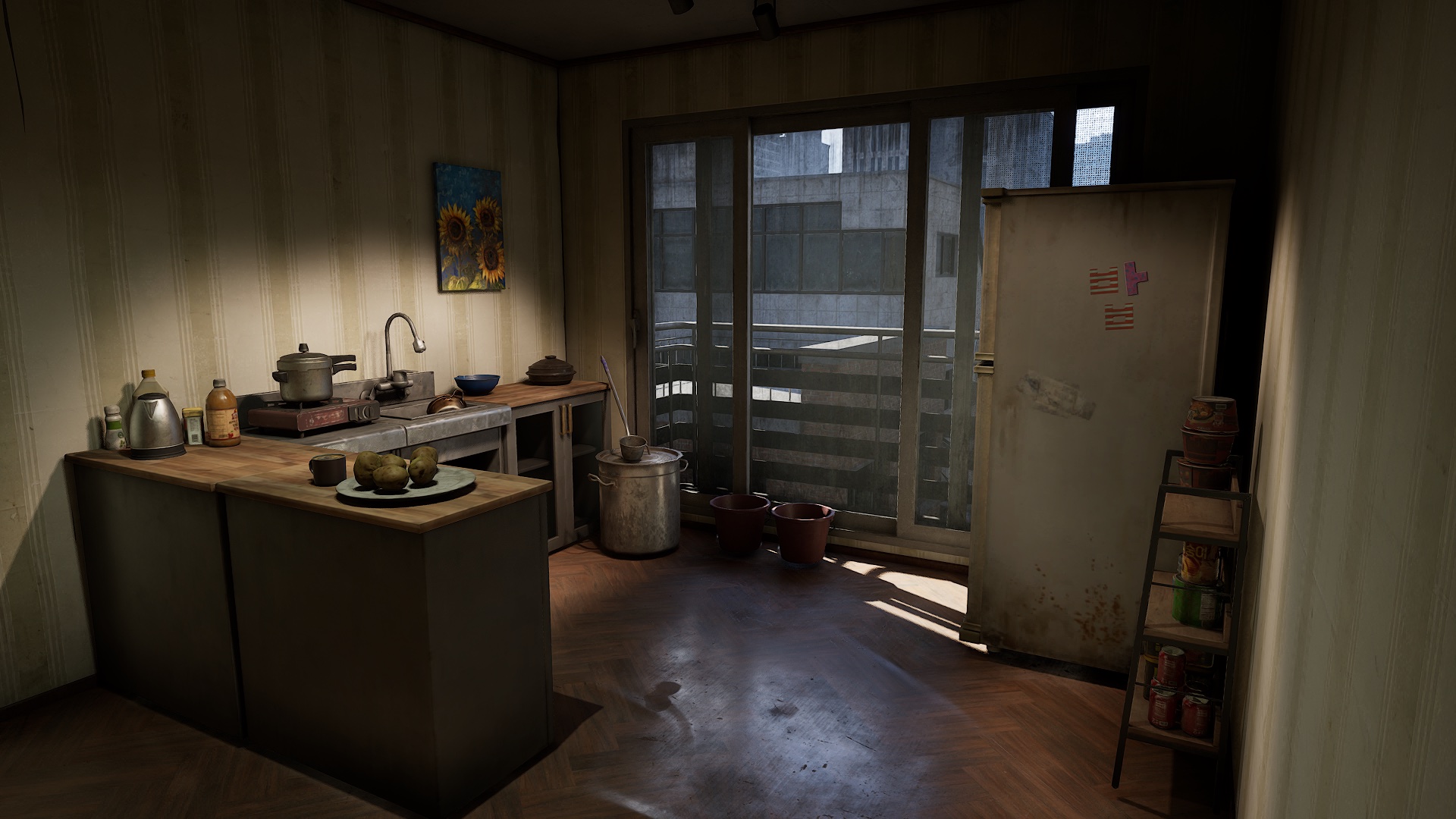
Items for the shelter can be bought from shops or carried back from expeditions. The note's example is a single designer shoe taken from the luxury section of the Shopping Mall map: it can be sold for Credits, or kept and placed in the room just as it is, as a reminder of that run.
Decoration Tool | What It Does |
|---|---|
Advanced Placement Mode | Position and rotate items exactly where the player wants them. |
Attach Mode | Place objects directly on walls and ceilings. |
Group Mode | Move multiple objects together as a single set. |
Auto Snap | Align items and match their orientation automatically. |
Wallpaper, flooring, and ceiling materials can now be customized, and the look of the suitcase can be changed with a selection of skins. Together with Attach Mode, this turns the wall-mounted installations and interior-finish items from the earlier roadmap into previewed features.
The same note ties furniture to the character's morning activities. The rank of the bed and the desk determines the character's rest and learning levels, which influence both the presentation and the rewards of the morning routine. Credits earned on expeditions can be spent on better furniture, which in turn shapes the mornings spent preparing for the next expedition. It is the first concrete example of the furniture-efficiency idea the team described in June 2026.
As of October 2026, specific furniture catalogs, room sizes, the Citizen Status rank tied to each housing move, and workbench level counts have not been disclosed. The closed alpha used the home as a tangible, decorated space; the dossier reflects that without inventing exact tier counts or named furniture items beyond the ones above. Future builds are likely to expand the catalog.